



Mar . 03, 2026 18:05 Back to list
Comprehensive Guide to Ground Rod Testing for Electrical Safety and Compliance
Ground Rod Testing: Ensuring Effective Earthing and Safety
Effective earthing is paramount for the safety and reliability of electrical systems. Ground rod testing plays a crucial role in verifying the integrity of this connection to the earth. This article will delve into the importance of ground rod testing, common methods, interpretation of results, and best practices, emphasizing its vital contribution to electrical safety. Proper grounding minimizes the risk of electrical shock and protects sensitive equipment from damage. Regular testing, especially in varying soil conditions, is essential for maintaining a safe and compliant electrical infrastructure.
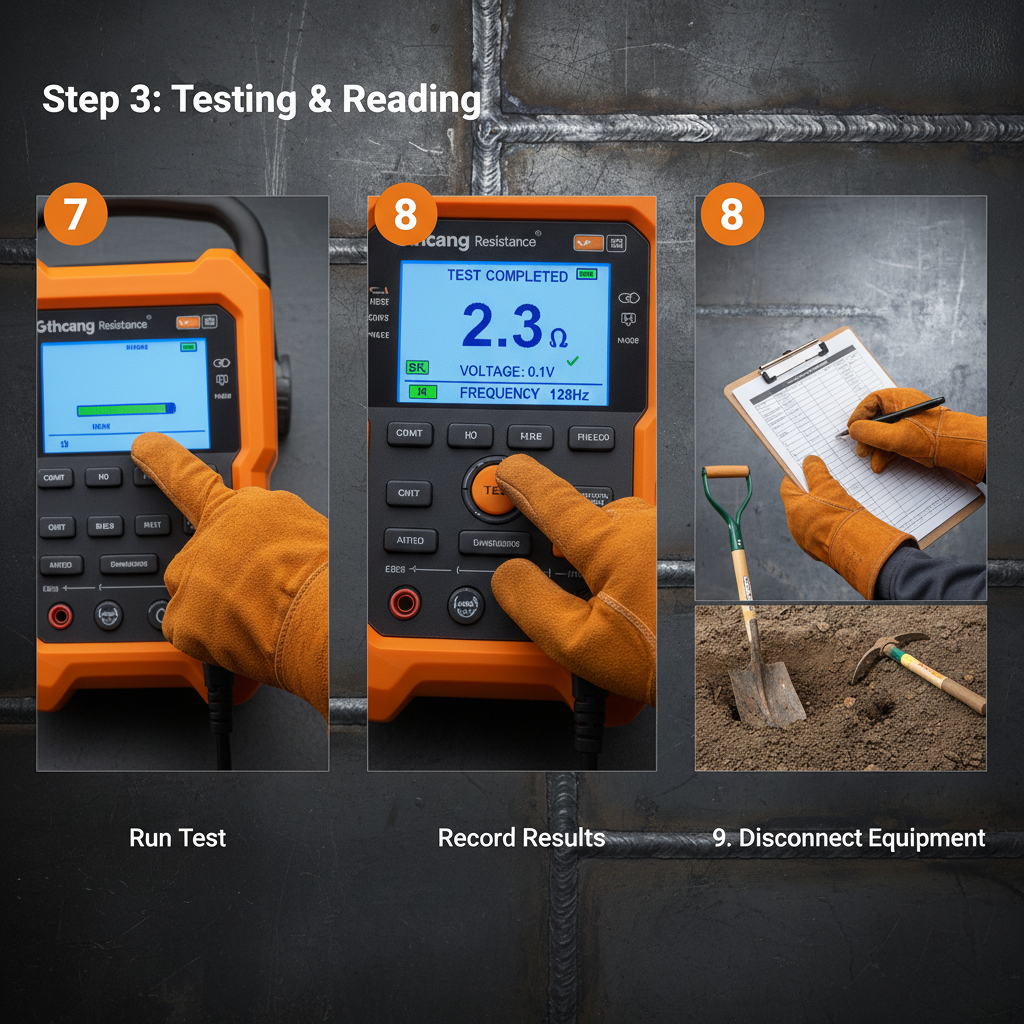
Why is Ground Rod Testing Important?
Ground rod testing is not merely a compliance requirement; it's a fundamental safety practice. A properly grounded system provides a low-resistance path for fault currents, allowing protective devices like circuit breakers to operate swiftly and prevent dangerous voltage buildup. Poorly grounded systems can lead to electrical shocks, equipment damage, and even fires. Regular testing identifies deteriorating connections, corrosion, or damage to ground rods, allowing for timely remediation. It’s a proactive measure that protects personnel and assets. Furthermore, consistent testing ensures adherence to relevant electrical codes and standards, minimizing legal liabilities.
Key Benefits: Protects against electrical shock, prevents equipment damage, minimizes fire risk, ensures compliance with electrical codes, and reduces legal liabilities.
Common Ground Rod Testing Methods
Several methods are employed for ground rod testing, each with its own advantages and limitations. The most common include the 3-point fall-of-potential test, the clamp-on method, and the 2-point test. The 3-point method is considered the most accurate, involving multiple measurements along the ground rod to determine resistance. Clamp-on testers offer a quick and non-intrusive assessment, ideal for preliminary checks. The 2-point method is simpler but less precise and susceptible to inaccuracies. Choosing the right method depends on the specific application, required accuracy, and available resources. BiloPowTel offers a range of testing equipment and services to suit various needs.
Testing Method Comparison:
• 3-Point Fall-of-Potential: Most accurate, requires multiple measurements.
• Clamp-on: Quick, non-intrusive, less precise.
• 2-Point: Simple, least accurate, susceptible to errors.
Understanding Ground Rod Testing Results
Interpreting ground rod test results is crucial for assessing the effectiveness of the grounding system. Resistance measurements are typically expressed in ohms (Ω). Lower resistance values indicate a better connection to the earth. Acceptable resistance levels vary depending on local regulations and the specific application. Generally, a resistance of 5 ohms or less is desirable for most applications. Values exceeding 25 ohms typically warrant investigation and corrective action. Trends in resistance measurements over time are also important, as increasing values can indicate corrosion or deteriorating connections. Regular documentation of test results is essential for tracking changes and maintaining a reliable grounding system.
Best Practices for Ground Rod Testing
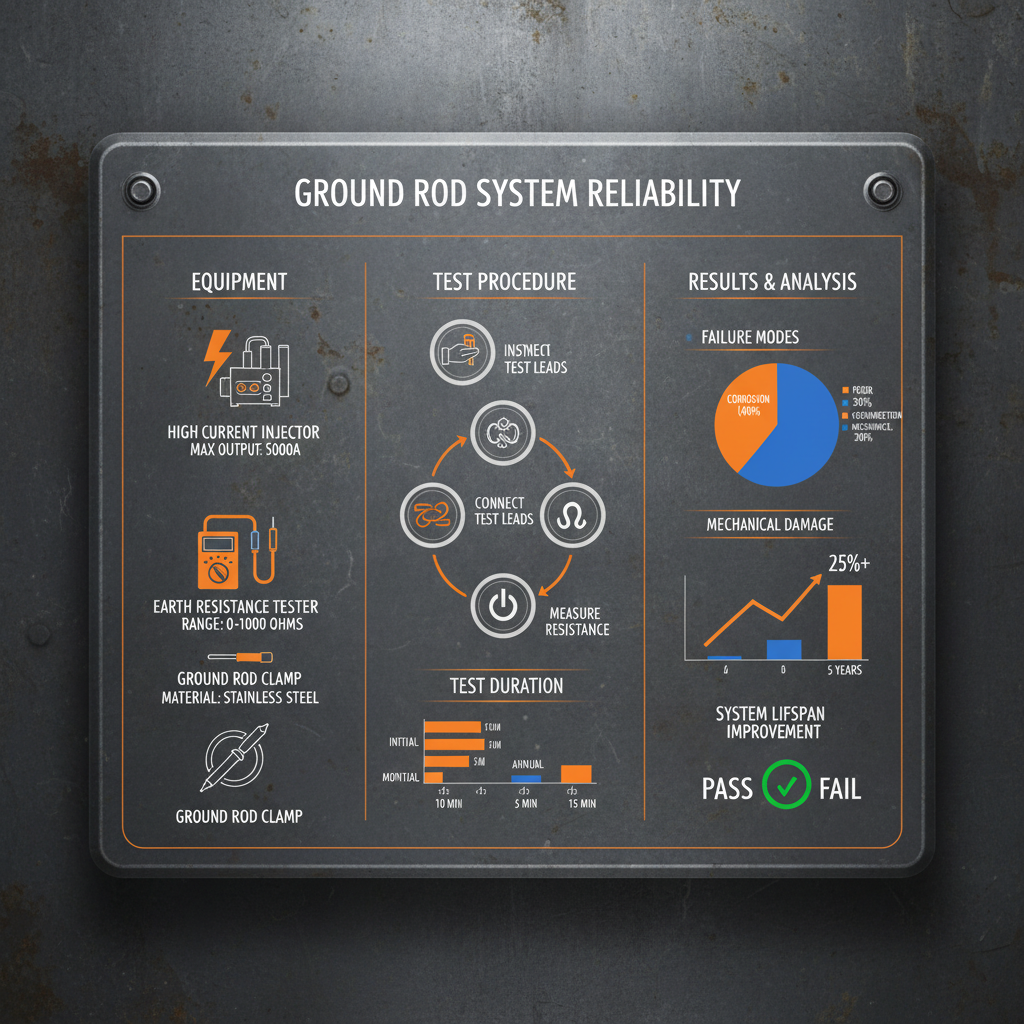
To ensure accurate and reliable ground rod testing, adhere to these best practices. Always use calibrated testing equipment. Follow manufacturer’s instructions carefully. Perform testing during dry conditions, as moisture can affect readings. Document all test results, including date, time, location, and resistance values. Conduct testing regularly – at least annually, or more frequently in corrosive environments. Engage qualified personnel for testing and interpretation of results. Addressing any identified issues promptly is crucial for maintaining a safe and effective grounding system. BiloPowTel provides comprehensive training programs for proper testing procedures.
Ground Rod Testing Standards and Regulations
Ground rod testing is governed by various standards and regulations, including the National Electrical Code (NEC) in the United States and IEC 62305 internationally. These standards specify acceptable resistance levels, testing procedures, and documentation requirements. Compliance with these regulations is essential for ensuring electrical safety and avoiding legal liabilities. Regularly updating your knowledge of these standards is crucial, as they are periodically revised to reflect advancements in technology and safety practices. BiloPowTel stays abreast of these regulations to provide compliant solutions.
Conclusion: Prioritizing Safety Through Ground Rod Testing
Regular ground rod testing is a vital component of any comprehensive electrical safety program. By understanding the importance of testing, utilizing appropriate methods, and adhering to best practices, you can protect personnel, prevent equipment damage, and ensure compliance with relevant regulations. Don't compromise on safety – prioritize regular ground rod testing for a reliable and secure electrical infrastructure.
Frequently Asked Questions (FAQs)
How often should ground rods be tested?
Ground rods should be tested at least annually, and more frequently in environments prone to corrosion or where the grounding system is subject to stress (e.g., frequent lightning strikes). Regular testing is also recommended after any significant electrical event or excavation near the grounding system. Some industries, like those involving sensitive electronic equipment, may require even more frequent testing schedules. Documenting testing dates and results is crucial for maintaining a consistent record.
What factors can affect ground rod resistance?
Several factors can influence ground rod resistance, including soil composition, moisture content, temperature, and corrosion. Sandy or rocky soils generally have higher resistance than clay or loam soils. Dry soil significantly increases resistance, while saturated soil provides a better connection. Corrosion of the ground rod or its connections can also increase resistance over time. Seasonal variations in moisture content can also impact readings. It’s essential to consider these factors when interpreting test results.
What should I do if a ground rod test fails?
If a ground rod test fails, indicating a resistance exceeding acceptable levels, several steps should be taken. First, re-test to confirm the initial reading. If the high resistance persists, inspect the ground rod and its connections for corrosion or damage. Consider adding additional ground rods to parallel the existing system, or improving the soil conductivity around the rod by adding a grounding enhancer. Engage a qualified electrician to diagnose the issue and implement the appropriate corrective action.
Can ground rod testing be performed myself, or should I hire a professional?
While some basic ground rod testing can be performed by trained personnel, it’s often recommended to hire a qualified electrician for comprehensive testing and interpretation of results. Professionals have the expertise and calibrated equipment to ensure accurate measurements and proper assessment of the grounding system. They can also identify potential hazards and recommend appropriate corrective actions. Improper testing can lead to inaccurate readings and potentially compromise safety.
Latest news
Precision Lifting and Pulling with the Lever Block 0.5 Ton Guide
NewsApr.16,2026
Precision Engineering Guide for High Performance Jet Lever
NewsApr.16,2026
Ultimate Guide to Choosing the Professional Industrial hoist lever
NewsApr.16,2026
Industrial Hoist Lever Chain Guide for Heavy Lifting and Rigging
NewsApr.16,2026
Industrial Lever Hoist Guide for Efficient Lifting and Pulling
NewsApr.16,2026
Ultimate Guide to Hand Ratchet Lift for Heavy Industrial Lifting
NewsApr.16,2026
- CONTACT
- ADDRESS: 188, Fengshou Road, Shijiazhuang. China
- EMAlL: info@bilopowtel.com
- PHONE: 0086-311-88862036
- WHATSAPP: 0086-152-26563165


