



Mar . 08, 2026 01:45 Back to list
Choosing the Right Earth Rod for Generator Grounding and Safety
Choosing the Right Earth Rod for Generator Grounding
Proper grounding is crucial for the safe and reliable operation of generators. An earth rod for generator provides a vital connection to the earth, dissipating electrical faults and protecting both equipment and personnel. Selecting the correct earth rod depends on several factors, including soil conditions, generator size, and applicable safety regulations. This article will guide you through the key considerations when choosing an earth rod, covering types, installation, and best practices. Understanding these elements ensures your generator system remains grounded and protected. You can explore various grounding solutions at Bilopowtel.
Types of Earth Rods for Generator Applications
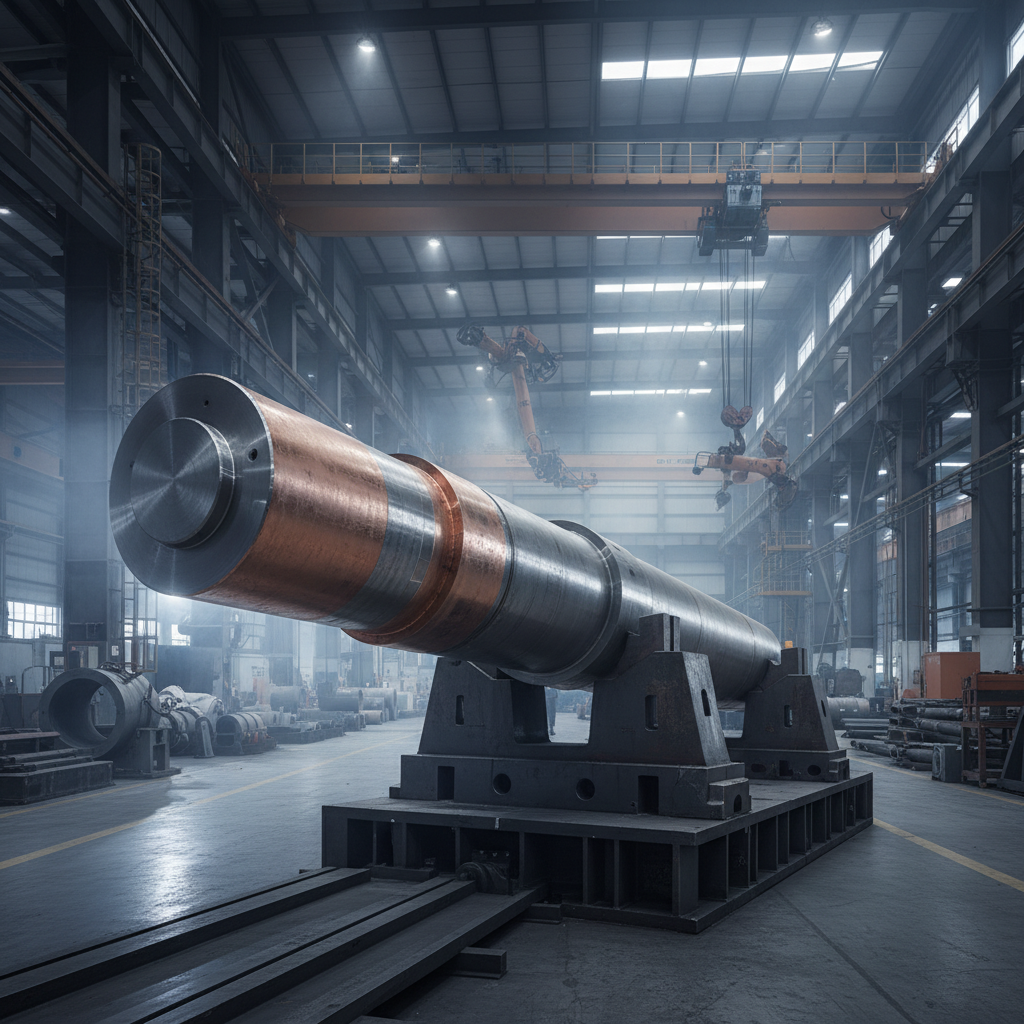
Several types of earth rods are available, each suited to different grounding needs. Copper earth rods offer excellent conductivity but are more expensive. Galvanized steel earth rods are a cost-effective alternative, providing good performance, though with lower conductivity than copper. Stainless steel earth rods are corrosion-resistant, making them ideal for aggressive soil environments. Finally, composite earth rods combine a steel core with a copper or stainless steel outer layer, offering a balance of conductivity and corrosion resistance. Choosing the right material for your earth rod for generator is essential for long-term reliability.
Key Considerations: Material selection impacts conductivity, corrosion resistance, and cost. Evaluate your soil conditions and budget to determine the best option.
Factors Influencing Earth Rod Length and Diameter
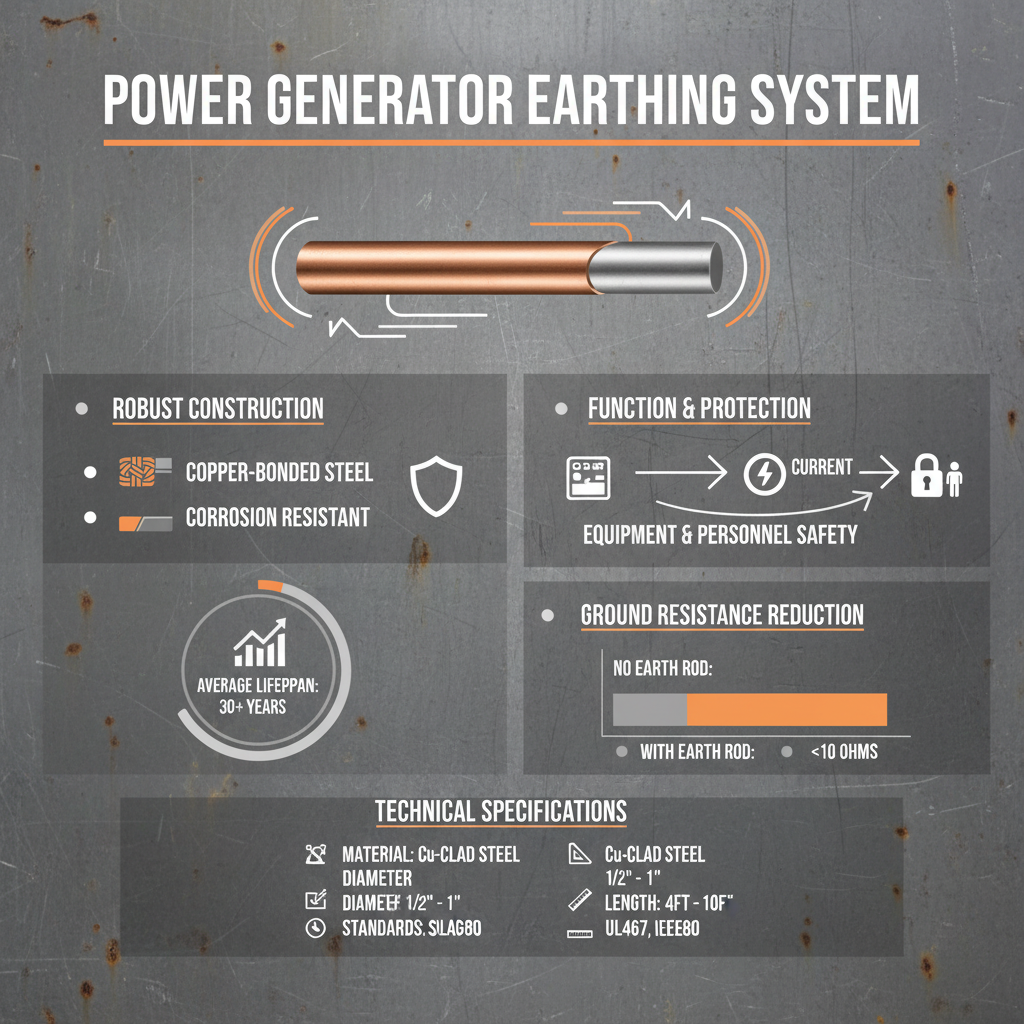
The length and diameter of the earth rod for generator are crucial factors affecting its effectiveness. Longer rods provide a larger surface area for dissipating electrical current, while larger diameter rods offer lower resistance to ground. Soil resistivity plays a significant role; higher resistivity soils require longer and/or multiple earth rods. Generator size also dictates the required grounding capacity. A larger generator necessitates a more robust grounding system. Always consult electrical codes and regulations to ensure compliance with local requirements. Proper installation depth also influences performance – generally, rods should be driven at least 8 feet into the ground.
Soil Resistivity and Grounding System Design:
• Higher resistivity = longer/more rods
• Generator size dictates grounding capacity
• Minimum installation depth: 8 feet
• Consult local electrical codes.
Earth Rod Materials Comparison
Choosing between copper, galvanized steel, stainless steel, and composite earth rods requires a careful comparison. The following table outlines the key characteristics of each material to assist in your decision for the best earth rod for generator setup.
Installation Best Practices for Effective Grounding
Proper installation is just as important as choosing the right earth rod for generator. Ensure the surrounding soil is well-compacted for optimal contact. Using a driving head and a sledgehammer, drive the rod vertically into the ground until only a small portion remains visible. Connect the grounding conductor securely to the rod using an approved clamp. Consider using multiple earth rods spaced at least six feet apart and connected with a grounding conductor for enhanced protection. Regular inspection of the grounding system is crucial to ensure continued effectiveness. Bilopowtel offers a variety of grounding accessories to simplify the installation process.
Safety Standards and Regulations
Grounding systems must comply with relevant safety standards and regulations, such as the National Electrical Code (NEC) in the United States. These standards dictate the required grounding electrode resistance, conductor sizing, and installation methods. Adhering to these regulations ensures the safety of personnel and protects equipment from electrical hazards. Always consult with a qualified electrician to ensure your grounding system meets all applicable requirements. Investing in a compliant grounding system is a critical aspect of responsible generator operation.
Conclusion: Ensuring Safe Generator Operation with Proper Grounding
Choosing the correct earth rod for generator and installing it properly is paramount for safe and reliable operation. Consider soil conditions, generator size, and applicable regulations to select the appropriate material, length, and diameter. Regular inspection and maintenance are crucial to ensure continued effectiveness. Explore the comprehensive grounding solutions offered by Bilopowtel to protect your investment and ensure the safety of your team.
Frequently Asked Questions (FAQs)
What is the recommended grounding resistance for a generator?
The National Electrical Code (NEC) typically recommends a grounding resistance of 5 ohms or less. However, this can vary depending on local regulations and specific application requirements. Lower resistance is always preferable, as it provides a more effective path for fault current dissipation. Measuring grounding resistance regularly using a ground resistance tester is crucial to ensure compliance and safety. Factors such as soil conditions and electrode configuration can significantly impact grounding resistance. In some cases, multiple earth rods or a ground grid may be necessary to achieve the desired resistance levels.
How often should I inspect my generator grounding system?
Regular inspections are vital for maintaining a safe and effective grounding system. Visual inspections should be conducted at least annually, checking for corrosion, loose connections, and damage to the earth rod and grounding conductor. Grounding resistance should be tested every 6-12 months, or more frequently in corrosive environments. Document all inspection and testing results for compliance purposes. Address any identified issues promptly to prevent potential hazards.
Can I use existing building grounding for my generator?
While it might seem convenient, connecting a generator directly to a building’s existing grounding system is generally not recommended unless specifically permitted by a qualified electrician and in accordance with local electrical codes. Backfeeding current into the building’s electrical system can create a significant safety hazard. A separate, dedicated grounding system for the generator is the safest and most reliable approach. Consult with a licensed electrician to determine the appropriate grounding configuration for your specific situation.
What is the best way to connect the grounding conductor to the earth rod?
The grounding conductor should be securely connected to the earth rod using an approved grounding clamp. The clamp should be compatible with the earth rod material and the conductor size. Ensure the connection is tight and free from corrosion. For multiple earth rods connected together, use exothermic welding or a listed connector to create a permanent, low-resistance connection. Avoid using mechanical connectors that can loosen over time.
Latest news
Precision Lifting and Pulling with the Lever Block 0.5 Ton Guide
NewsApr.16,2026
Precision Engineering Guide for High Performance Jet Lever
NewsApr.16,2026
Ultimate Guide to Choosing the Professional Industrial hoist lever
NewsApr.16,2026
Industrial Hoist Lever Chain Guide for Heavy Lifting and Rigging
NewsApr.16,2026
Industrial Lever Hoist Guide for Efficient Lifting and Pulling
NewsApr.16,2026
Ultimate Guide to Hand Ratchet Lift for Heavy Industrial Lifting
NewsApr.16,2026
- CONTACT
- ADDRESS: 188, Fengshou Road, Shijiazhuang. China
- EMAlL: info@bilopowtel.com
- PHONE: 0086-311-88862036
- WHATSAPP: 0086-152-26563165


