



Mar . 17, 2026 01:45 Back to list
Understanding Ground Rod Systems for Electrical Safety and Reliability
Understanding Ground Rod Systems: A Comprehensive Guide
A ground rod system is a fundamental component of effective electrical grounding, essential for safety and the reliable operation of electrical systems. This article delves into the intricacies of ground rod systems, covering their purpose, components, installation, maintenance, and different types available. Proper grounding protects against dangerous voltage surges and ensures the efficient dissipation of electrical faults. Understanding these systems is crucial for electricians, contractors, and homeowners alike. We will explore best practices and factors to consider when selecting and implementing a ground rod system.
The Purpose of a Ground Rod System
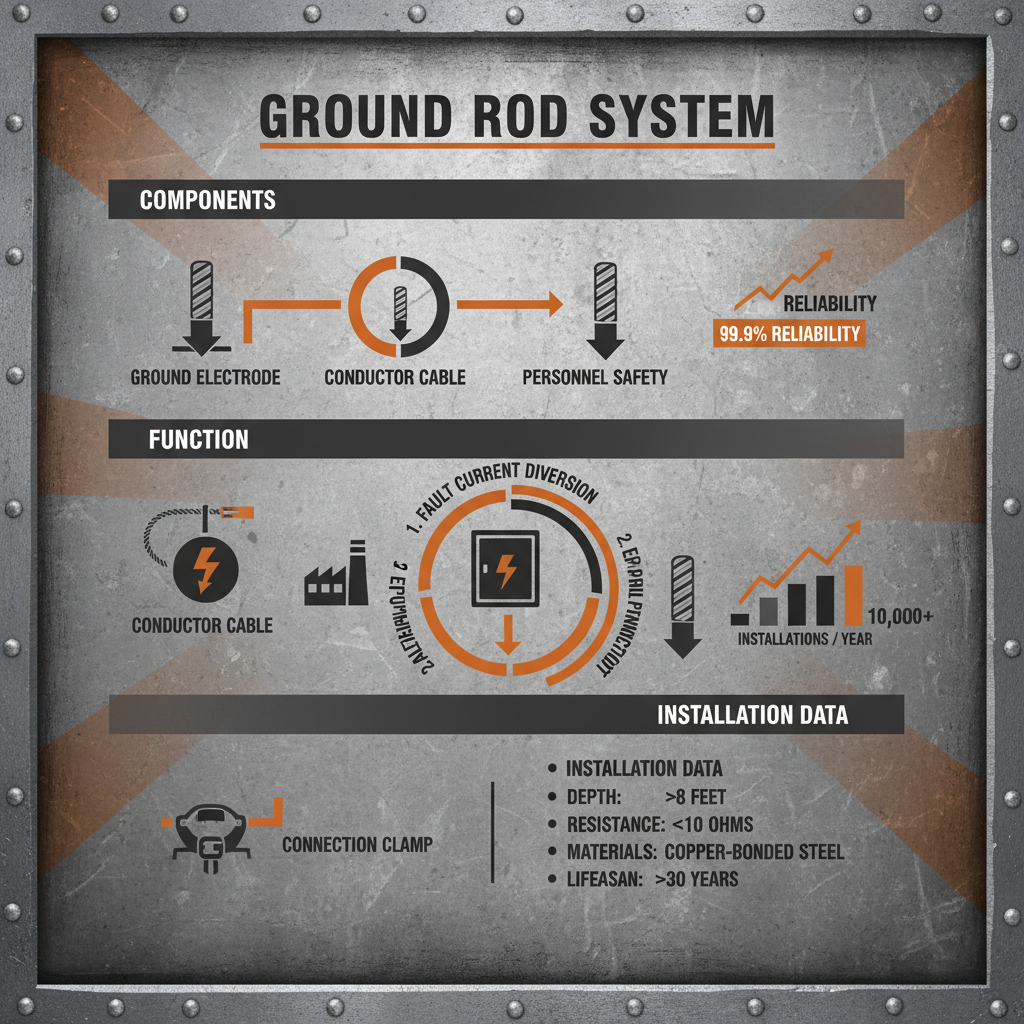
The primary function of a ground rod system is to provide a low-resistance path for fault currents to flow safely to the earth. This protects people and equipment from electrical shock and damage. Without proper grounding, a fault can cause voltage to build up on metal surfaces, creating a significant hazard. Grounding also helps to stabilize voltage levels and improve the performance of sensitive electronic devices. Furthermore, effective grounding is often required by electrical codes and standards to ensure compliance and safety. A well-designed and installed system minimizes the risk of electrical fires and equipment failures.
Key Benefits: Protects against electrical shock, prevents equipment damage, stabilizes voltage, improves system performance, and ensures code compliance.
Components of a Typical Ground Rod System
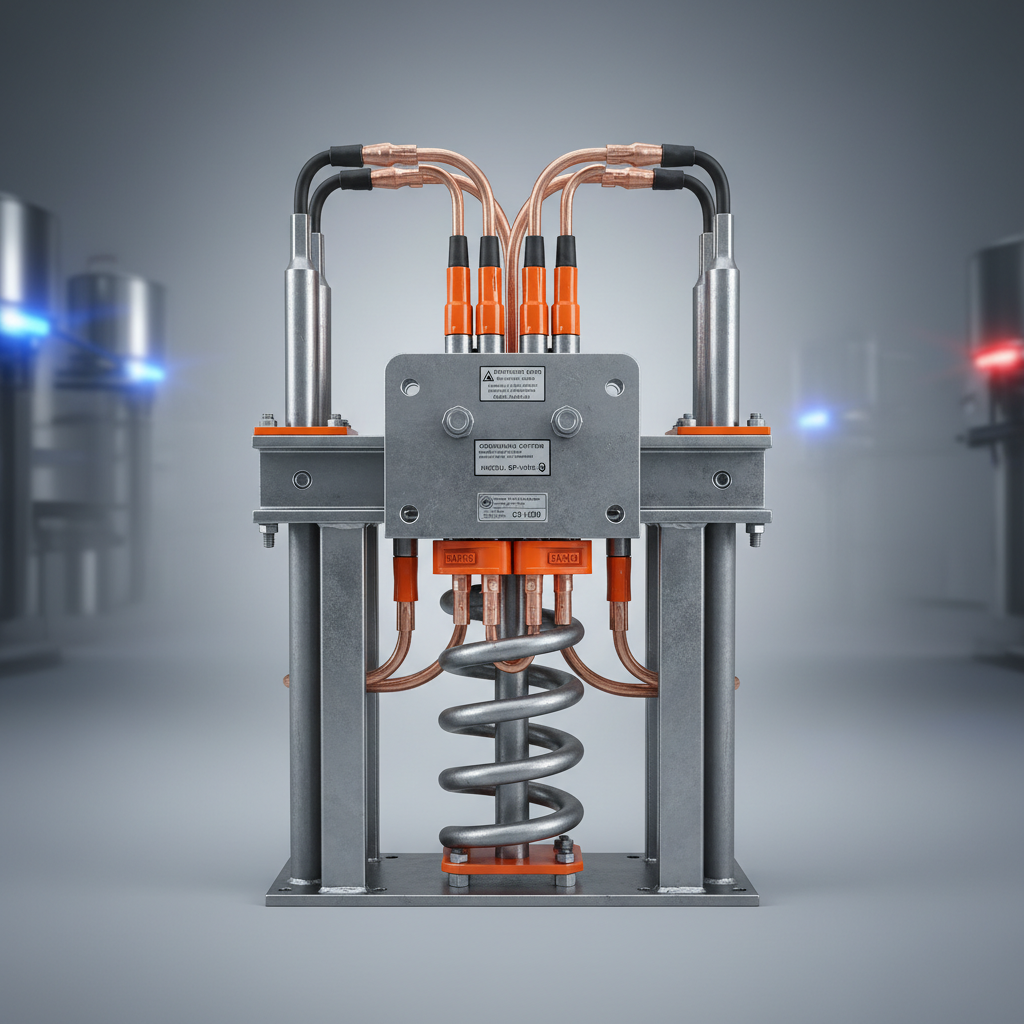
A typical ground rod system consists of several key components. These include the ground rod itself (typically made of copper-clad steel), ground rod clamps, grounding conductors, and connectors. The ground rod is driven into the earth to provide a direct connection to the soil. Ground rod clamps securely attach the grounding conductor to the ground rod. Grounding conductors (typically copper wire) carry the fault current from the electrical system to the ground rod. Connectors are used to join the grounding conductor to the electrical panel and other grounding points. The quality of each component significantly impacts the overall effectiveness of the system.
Essential Components:
• Ground Rod (Copper-Clad Steel)
• Ground Rod Clamp
• Grounding Conductor (Copper Wire)
• Connectors
Ground Rod Types: A Comparison
Several types of ground rods are available, each with its own advantages and disadvantages. Copper-clad steel rods are the most common, offering a good balance of conductivity and cost-effectiveness. Stainless steel rods are more corrosion-resistant and ideal for harsh environments. Solid copper rods provide the best conductivity but are also the most expensive. Driven rods are hammered into the ground, while screw-type rods are screwed in, offering easier installation in rocky soil. Selecting the appropriate rod type depends on soil conditions, budget, and the specific application.
Proper Installation and Maintenance of Ground Rod Systems
Correct installation is critical for a ground rod system to function effectively. Ground rods should be driven at least 8 feet into the ground, and in areas with rocky soil, multiple rods may be necessary. Connections between the grounding conductor and the ground rod must be tight and corrosion-resistant. Regular inspection of the system is also essential. Check for loose connections, corrosion, and damage to the ground rod. Soil conditions can change over time, affecting the grounding resistance, so periodic testing is recommended. BiloPowtel provides professional installation and testing services to ensure your system meets safety standards.
Ground Resistance Testing and Improving Conductivity
Measuring ground resistance is essential to verify the effectiveness of a ground rod system. This is typically done using a three-point fall-of-potential test. Acceptable resistance values vary depending on local codes and the size of the electrical system, but generally, a resistance of 25 ohms or less is desired. If the resistance is too high, several methods can be used to improve conductivity. These include installing additional ground rods, using chemical ground rods (which contain electrolytes to enhance conductivity), or improving the soil around the ground rod by adding moisture or conductive materials. Professional testing and remediation are often the most effective solutions.
Conclusion: Ensuring Safety with a Reliable Grounding System
A properly installed and maintained ground rod system is a critical investment in safety and reliability. By understanding the components, types, and installation procedures, you can ensure your electrical system is protected against faults and hazards. BiloPowtel offers comprehensive grounding solutions, from design and installation to testing and maintenance. Don’t compromise on safety – choose a trusted partner for your grounding needs.
Frequently Asked Questions (FAQs)
How deep should a ground rod be driven?
Generally, a ground rod should be driven at least 8 feet (2.44 meters) into the ground. However, local electrical codes may specify different requirements. In areas with rocky soil or high soil resistivity, deeper driving or the use of multiple ground rods may be necessary to achieve an acceptable grounding resistance. The goal is to reach moist soil, as moisture significantly improves conductivity. It’s crucial to consult with a qualified electrician to determine the appropriate depth for your specific location and application.
What is the purpose of the ground rod clamp?
The ground rod clamp securely connects the grounding conductor (wire) to the ground rod. This connection must be tight and corrosion-resistant to ensure a low-resistance path for fault currents. A poorly secured or corroded clamp can significantly increase the grounding resistance and compromise the effectiveness of the entire system. High-quality clamps are typically made of copper or bronze and are designed to withstand the elements and maintain a reliable connection over time.
How often should a ground rod system be inspected?
A ground rod system should be visually inspected at least annually, and a comprehensive resistance test should be performed every 3-5 years, or more frequently in harsh environments. During inspection, check for loose connections, corrosion, and damage to the ground rod and conductor. Regular testing ensures the system continues to meet safety standards and provides adequate protection. Record-keeping of inspection and testing results is recommended.
Can I install a ground rod system myself?
While it is possible for a knowledgeable DIYer to install a ground rod system, it is strongly recommended to hire a qualified and licensed electrician. Improper installation can create a safety hazard and may not meet local electrical codes. An electrician can ensure the system is installed correctly, tested thoroughly, and meets all applicable regulations. Incorrect grounding can be more dangerous than having no grounding at all.
Latest news
Precision Lifting and Pulling with the Lever Block 0.5 Ton Guide
NewsApr.16,2026
Precision Engineering Guide for High Performance Jet Lever
NewsApr.16,2026
Ultimate Guide to Choosing the Professional Industrial hoist lever
NewsApr.16,2026
Industrial Hoist Lever Chain Guide for Heavy Lifting and Rigging
NewsApr.16,2026
Industrial Lever Hoist Guide for Efficient Lifting and Pulling
NewsApr.16,2026
Ultimate Guide to Hand Ratchet Lift for Heavy Industrial Lifting
NewsApr.16,2026
- CONTACT
- ADDRESS: 188, Fengshou Road, Shijiazhuang. China
- EMAlL: info@bilopowtel.com
- PHONE: 0086-311-88862036
- WHATSAPP: 0086-152-26563165


