



Mar . 24, 2026 01:55 Back to list
SDS Max Ground Rod A Comprehensive Guide to Installation and Benefits
SDS Max Ground Rod: A Comprehensive Guide to Installation and Benefits
Ensuring a reliable grounding system is critical for safety and optimal performance in various applications, from electrical installations to telecommunications. The SDS Max Ground Rod offered by Bilopowtel provides a robust and efficient solution. This article delves into the features, installation process, and benefits of utilizing SDS Max Ground Rods, providing a comprehensive overview for professionals and DIY enthusiasts alike. Proper grounding minimizes electrical hazards and enhances the longevity of your equipment. We will explore why Bilopowtel's ground rods are a trusted choice for diverse projects.
Understanding SDS Max Ground Rods
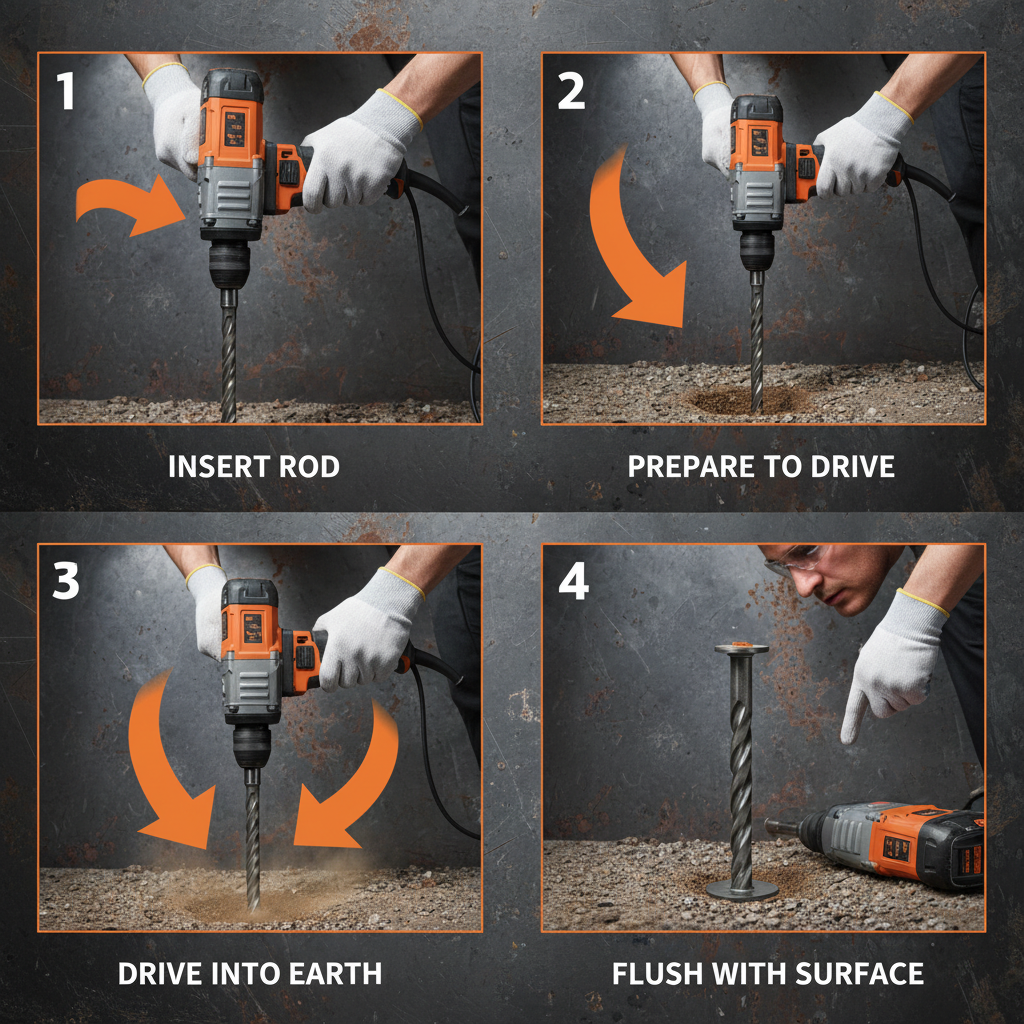
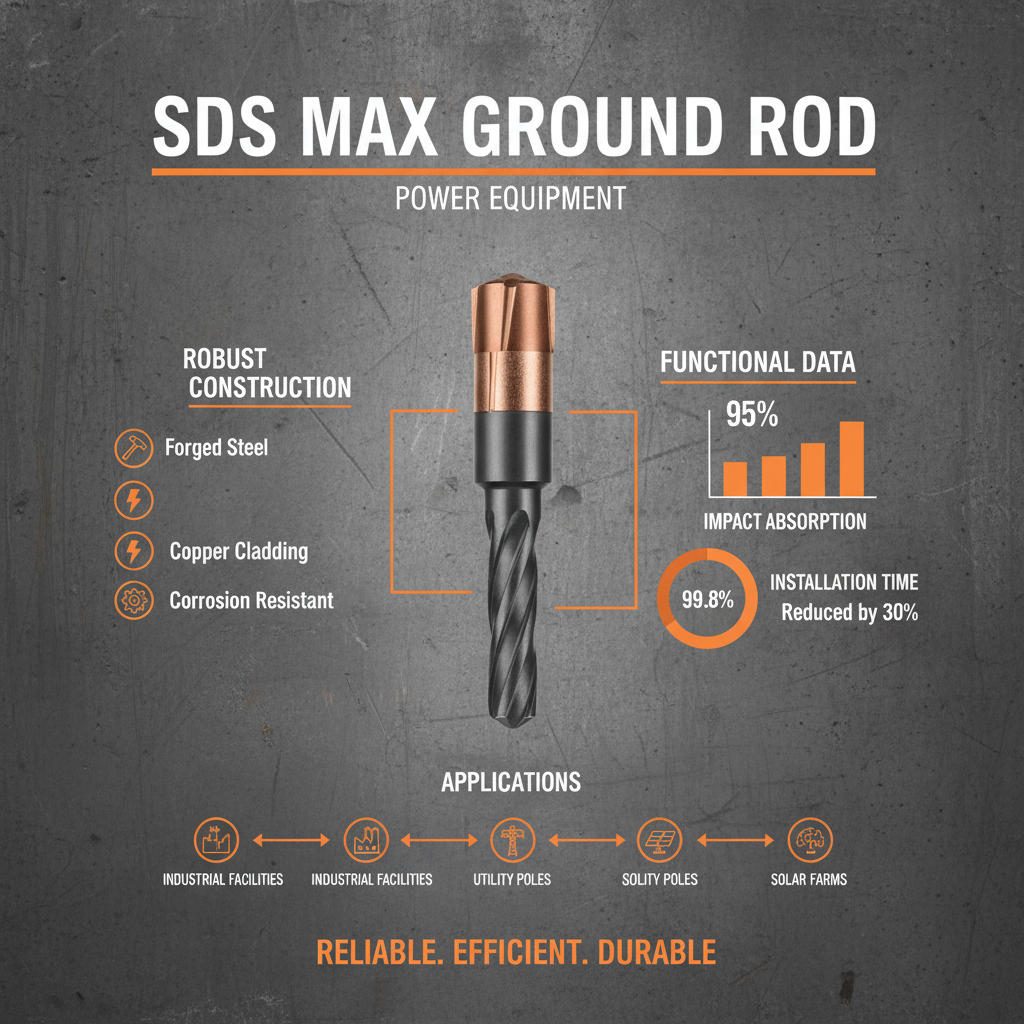
SDS Max Ground Rods are specifically designed for quick and efficient installation using an SDS Max rotary hammer drill. The robust construction, typically made from copper-clad steel, ensures excellent conductivity and corrosion resistance. These rods are ideal for situations requiring deep grounding, such as in areas with high soil resistivity. The SDS Max shank allows for powerful driving into the ground, minimizing physical effort and installation time. Compared to traditional methods, using an SDS Max ground rod significantly improves efficiency and reduces labor costs. Bilopowtel’s SDS Max ground rods are manufactured to stringent quality standards, guaranteeing reliable performance.
Key Highlights: Constructed from high-quality copper-clad steel for excellent conductivity and corrosion resistance. Designed for quick and efficient installation using an SDS Max rotary hammer drill.
Installation Guide: SDS Max Ground Rods
Installing an SDS Max Ground Rod is a straightforward process, but safety precautions are paramount. First, always locate underground utilities before digging. Then, using an SDS Max rotary hammer drill, create a pilot hole if necessary, particularly in rocky soil. Insert the ground rod into the drill chuck and drive it into the ground, ensuring it's driven to the desired depth – typically at least 8 feet. Once installed, connect the grounding conductor securely to the ground rod using an approved grounding clamp. Regular inspection of the connection is recommended to ensure continued conductivity. Always adhere to local electrical codes and regulations during installation.
Installation Best Practices:
• Locate underground utilities before digging.
• Use an SDS Max rotary hammer drill for efficient driving.
• Ensure the rod is driven to the appropriate depth (at least 8 feet).
• Securely connect the grounding conductor with an approved clamp.
SDS Max Ground Rod vs. Traditional Grounding Methods
Traditional grounding methods, such as driving copper rods with a sledgehammer, can be labor-intensive and time-consuming. SDS Max Ground Rods offer a significant advantage in terms of speed and efficiency. The power of the rotary hammer drill allows for deeper penetration, even in challenging soil conditions. Furthermore, the SDS Max system minimizes physical strain on the installer. While the initial investment in an SDS Max drill may be higher, the long-term savings in labor and installation time can make it a cost-effective solution. Bilopowtel’s SDS Max Ground Rods represent a modern and efficient approach to grounding.
Applications of SDS Max Ground Rods
SDS Max Ground Rods are widely used in numerous applications, including electrical substations, telecommunication towers, lightning protection systems, and residential electrical grounding. They are also ideal for grounding solar panel arrays and wind turbines. In areas with poor soil conductivity, multiple ground rods may be required, connected in a grid pattern, to achieve optimal grounding. The versatility and reliability of these rods make them a preferred choice for professional installers and homeowners alike. Bilopowtel offers a range of sizes and lengths to meet specific project needs.
Product Specifications and Choosing the Right Ground Rod
Selecting the appropriate SDS Max Ground Rod depends on the specific application and soil conditions. Consider the required grounding resistance, soil resistivity, and expected fault current levels. Bilopowtel offers a variety of lengths and diameters to suit different needs. Here's a quick overview of common specifications:
Conclusion: Ensuring Safety with Bilopowtel SDS Max Ground Rods
The Bilopowtel SDS Max Ground Rod offers a reliable, efficient, and cost-effective solution for all your grounding needs. Its robust construction, easy installation, and versatility make it a top choice for professionals and homeowners. Investing in a quality grounding system is an investment in safety and the longevity of your electrical systems. Choose Bilopowtel for peace of mind.
Frequently Asked Questions (FAQs)
What is the recommended depth for installing an SDS Max Ground Rod?
A minimum depth of 8 feet (2.4 meters) is generally recommended for SDS Max Ground Rods. This ensures sufficient contact with stable, moisture-rich soil, providing optimal conductivity. However, local electrical codes may have specific requirements, so it's crucial to consult those regulations. In areas with rocky soil or high resistivity, deeper installation may be necessary. Consider the local climate and soil conditions when determining the optimal depth.
Can I use an SDS Max Ground Rod in rocky soil?
Yes, SDS Max Ground Rods are well-suited for installation in rocky soil. The powerful rotary hammer action of the drill can effectively penetrate most rock formations. However, it may be necessary to use a pilot hole to facilitate the initial penetration. Always wear appropriate safety gear, including eye protection, when drilling into rock. Consider using a carbide-tipped drill bit for increased efficiency and durability in extremely hard rock.
What type of grounding conductor should I use with an SDS Max Ground Rod?
The grounding conductor should be appropriately sized for the expected fault current and comply with local electrical codes. Typically, copper wire is used, and its size (AWG) is determined based on the rating of the overcurrent protection device. Use an approved grounding clamp that is compatible with both the ground rod and the grounding conductor. Ensure the connection is secure and corrosion-resistant.
How do I test the grounding system after installation?
After installation, it’s vital to test the grounding system to ensure it’s functioning correctly. This is typically done using a ground resistance tester, also known as a stake grounding tester. The tester measures the resistance between the ground rod and a remote ground stake. Low resistance values indicate a good grounding connection. Consult a qualified electrician for proper testing procedures and interpretation of results.
Latest news
Precision Lifting and Pulling with the Lever Block 0.5 Ton Guide
NewsApr.16,2026
Precision Engineering Guide for High Performance Jet Lever
NewsApr.16,2026
Ultimate Guide to Choosing the Professional Industrial hoist lever
NewsApr.16,2026
Industrial Hoist Lever Chain Guide for Heavy Lifting and Rigging
NewsApr.16,2026
Industrial Lever Hoist Guide for Efficient Lifting and Pulling
NewsApr.16,2026
Ultimate Guide to Hand Ratchet Lift for Heavy Industrial Lifting
NewsApr.16,2026
- CONTACT
- ADDRESS: 188, Fengshou Road, Shijiazhuang. China
- EMAlL: info@bilopowtel.com
- PHONE: 0086-311-88862036
- WHATSAPP: 0086-152-26563165


