



Mar . 10, 2026 01:45 Back to list
Effective Electric Fence No Ground Rod Systems for Livestock and Animal Control
Electric Fence Without a Ground Rod: A Comprehensive Guide
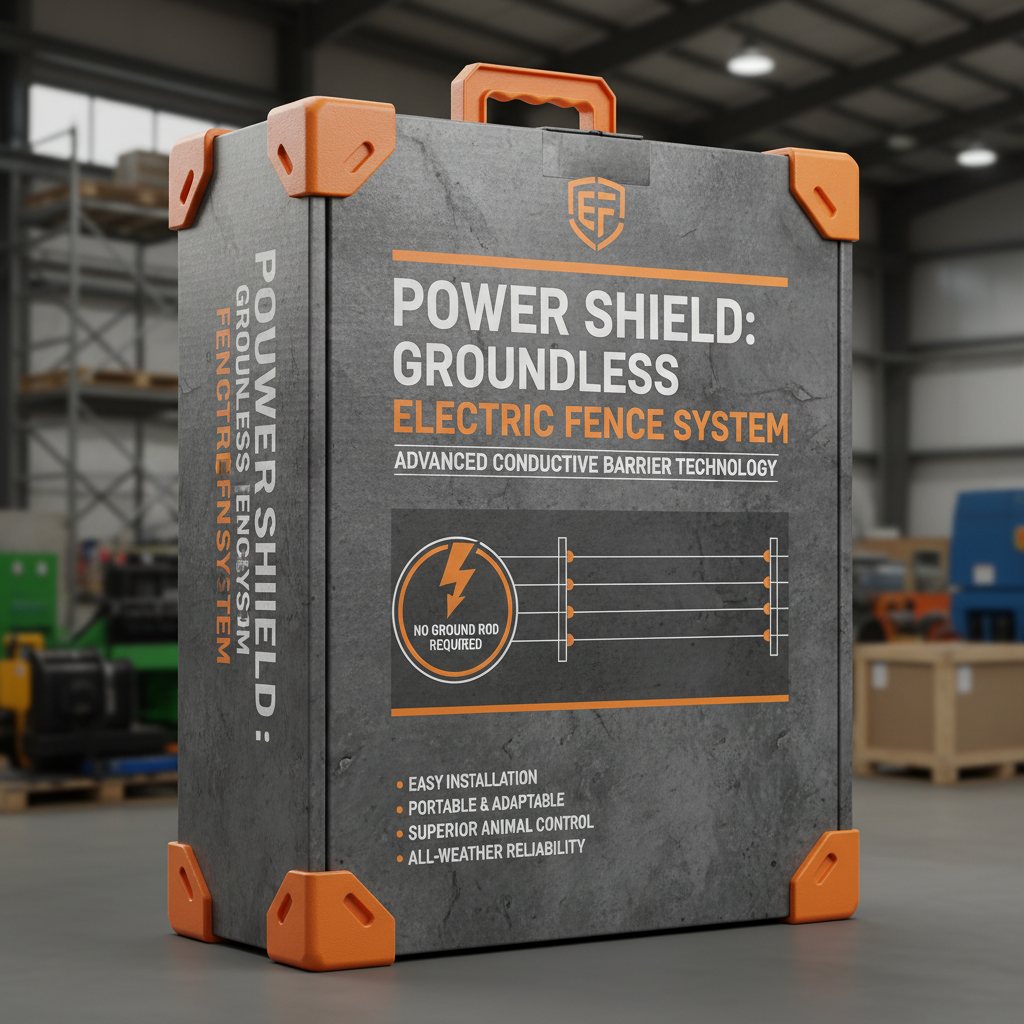
Many property owners and agricultural professionals rely on electric fences to safely contain livestock or deter unwanted animals. Traditionally, these fences required a grounding rod to function effectively. However, advancements in technology now allow for effective electric fence no ground rod systems. This article explores how these systems work, their benefits, installation considerations, and why Bilopowtel's solutions are a leading choice for reliable and convenient electric fencing. Understanding these systems can help you choose the best option for your needs.
How Do Electric Fences Work Without a Ground Rod?
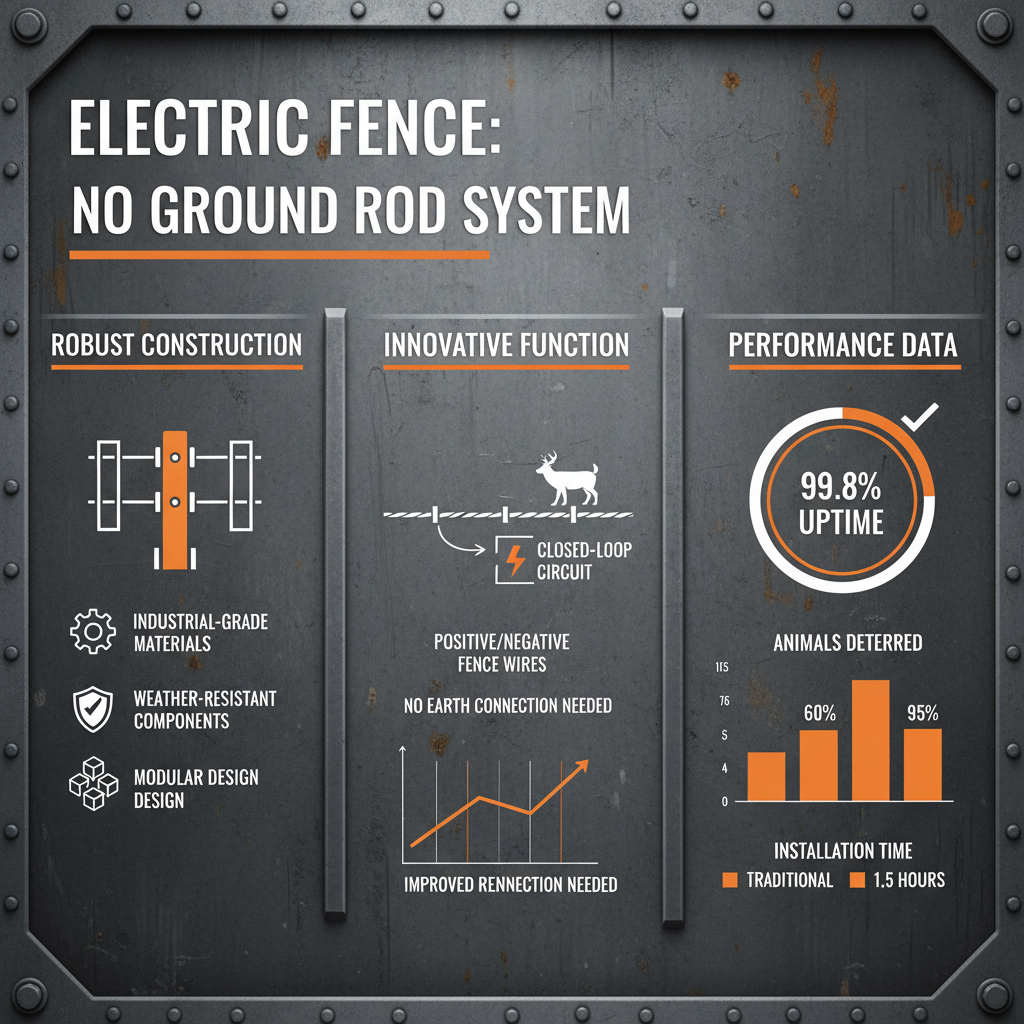
Traditional electric fences create a circuit by sending a pulse of electricity from the energizer, through the fence wire, to a grounded rod, and back to the energizer. Electric fence no ground rod systems, often utilizing isolated power supplies, eliminate the need for a physical connection to the earth. These systems use a capacitor-discharge technique. Instead of relying on earth ground, the energizer charges a capacitor, and the current flows through the animal to the fence, completing the circuit back to the energizer. The isolation prevents the flow of current to the ground, making them safe and effective, even in areas with poor soil conductivity. This technology is particularly useful in rocky or sandy soils where driving a ground rod is difficult or ineffective.
Key Benefit: Eliminates the need for a ground rod, making installation easier and more versatile, especially in challenging soil conditions.
Benefits of Choosing an Electric Fence No Ground Rod System
The advantages of adopting a ground-rod-free electric fencing system are numerous. Firstly, installation is significantly simplified, as you don’t need to locate a suitable spot for a ground rod and drive it into the earth. Secondly, these systems are more reliable in areas with poor soil conductivity, ensuring consistent performance regardless of the ground conditions. They are also safer, as the isolated power supply reduces the risk of electrical leakage to the ground. Furthermore, portability is increased, as the fence can be quickly and easily relocated without the hassle of re-establishing a ground connection. Bilopowtel's systems are designed to deliver these benefits consistently.
Key Advantages:
• Simplified Installation
• Reliable Performance in All Soil Types
• Enhanced Safety
• Increased Portability
Comparing Traditional and Ground-Rod-Free Electric Fences
Understanding the differences between traditional and modern electric fence no ground rod systems is crucial for making an informed decision. Traditional fences are cheaper upfront, but require suitable ground conditions. Ground-rod-free systems offer greater flexibility and reliability, particularly in challenging environments, but often have a higher initial cost. Here's a detailed comparison:
Installation Considerations for Ground-Rod-Free Systems
While easier than traditional systems, proper installation is still crucial for the effectiveness of electric fence no ground rod systems. Ensure the energizer is properly positioned and protected from the elements. Connect the fence wire securely to the energizer, and regularly inspect for breaks or damage. Clear vegetation from around the fence line to prevent shorts. Finally, always follow the manufacturer's instructions for installation and operation. Bilopowtel provides detailed guides and support to ensure a smooth installation process.
Choosing the Right Energizer for Your No-Ground-Rod Fence
Selecting the appropriate energizer is critical for a successful electric fence no ground rod system. Consider the length of the fence, the type of animal you're containing, and the terrain. For longer fences or animals with thick coats, a more powerful energizer will be necessary. Look for energizers specifically designed for ground-free operation, as they utilize the capacitor-discharge technology for optimal performance. Bilopowtel's range of energizers offers various power levels to suit diverse needs, ensuring a safe and effective electric fence solution.
Conclusion: Simplify Your Fencing with No-Ground-Rod Technology
Embracing electric fence no ground rod technology offers a modern, efficient, and reliable solution for livestock containment and animal control. Bilopowtel provides innovative products designed to simplify installation, enhance safety, and deliver consistent performance, regardless of your environment. Invest in a ground-rod-free system today and experience the benefits of hassle-free electric fencing.
Frequently Asked Questions (FAQs)
Will a ground-rod-free system work in all types of soil?
Yes, that's the primary advantage! Traditional electric fences require good soil conductivity to function effectively. Ground-rod-free systems, utilizing isolated power supplies, are not dependent on the earth’s grounding properties. They work equally well in rocky, sandy, or dry soil conditions where driving a ground rod is impractical or ineffective. This makes them ideal for regions with challenging soil types.
Are ground-rod-free systems safe for animals?
Yes, when installed and used correctly, ground-rod-free systems are safe for animals. The isolated power supply minimizes the risk of electrical leakage to the ground, ensuring the shock is sufficient to deter but not harm the animal. It is crucial to follow the manufacturer's instructions regarding energizer power levels and fence wire spacing to ensure animal safety.
How often do I need to maintain a no-ground-rod electric fence?
Regular maintenance is essential for any electric fence. Check the fence line for broken wires, vegetation interference, and loose connections. Inspect the energizer regularly to ensure it’s functioning correctly. While ground-rod-free systems require less initial setup, consistent maintenance ensures optimal performance and animal safety. Clearing vegetation around the fence line is particularly important to prevent shorts.
Latest news
Precision Lifting and Pulling with the Lever Block 0.5 Ton Guide
NewsApr.16,2026
Precision Engineering Guide for High Performance Jet Lever
NewsApr.16,2026
Ultimate Guide to Choosing the Professional Industrial hoist lever
NewsApr.16,2026
Industrial Hoist Lever Chain Guide for Heavy Lifting and Rigging
NewsApr.16,2026
Industrial Lever Hoist Guide for Efficient Lifting and Pulling
NewsApr.16,2026
Ultimate Guide to Hand Ratchet Lift for Heavy Industrial Lifting
NewsApr.16,2026
- CONTACT
- ADDRESS: 188, Fengshou Road, Shijiazhuang. China
- EMAlL: info@bilopowtel.com
- PHONE: 0086-311-88862036
- WHATSAPP: 0086-152-26563165


