



Mar . 21, 2026 01:45 Back to list
Comprehensive Guide to Understanding and Installing a Ground Rod for Electrical Safety
Understanding and Installing a Ground Rod
Protecting your electrical systems and ensuring safety is paramount. A crucial component in achieving this is a properly installed ground rod. This article provides a comprehensive guide to understanding the purpose of ground rods, the materials needed, the installation process, safety precautions, and maintenance tips. A well-installed ground rod serves as a vital connection to the earth, dissipating excess electrical energy and safeguarding your property.
Why is Installing a Ground Rod Important?
A ground rod provides a low-resistance path for electrical current to flow safely into the earth in the event of a fault. Without a proper ground, stray electricity can build up, creating a dangerous shock hazard for people and damage to sensitive electronic equipment. Furthermore, a grounding system protects against lightning strikes by providing a direct path to ground, minimizing the risk of fire or structural damage. Installing a ground rod is not only a safety measure but often a requirement for electrical code compliance.
Key Benefits: Reduces shock hazard, protects equipment, prevents fires, ensures code compliance, and protects against lightning strikes.
Materials Needed for Installing a Ground Rod
Before you begin, gather the necessary materials. These typically include: a ground rod (copper or copper-clad steel are common), a grounding clamp (sized to fit your ground rod and ground wire), grounding wire (bare copper is recommended, typically #6 or #4 AWG), a sledgehammer, a shovel, and safety glasses. You may also need a ground rod driver, which simplifies the driving process, especially in rocky soil.
Essential Materials:
• Ground Rod (Copper or Copper-Clad Steel)
• Grounding Clamp
• Grounding Wire (Bare Copper)
• Sledgehammer or Ground Rod Driver
Step-by-Step Guide to Installing a Ground Rod
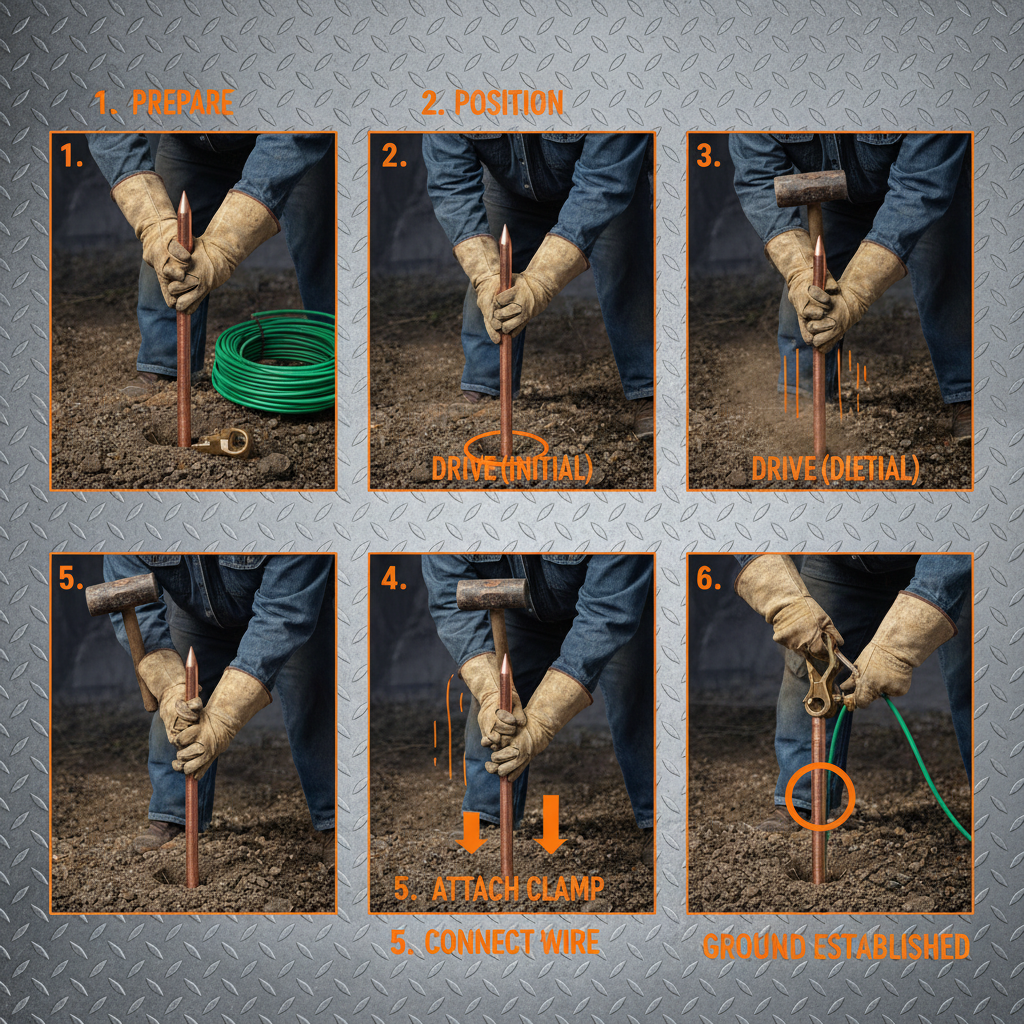
The installation process is fairly straightforward. First, choose a location near your electrical panel, ensuring it's clear of underground utilities (call 811 before digging!). Drive the ground rod into the earth using a sledgehammer or ground rod driver, leaving approximately 6-8 inches exposed. Attach the grounding clamp securely to the ground rod. Connect the grounding wire to the clamp and run it to your electrical panel, where it will be connected to the ground bus bar. Ensure all connections are tight and corrosion-resistant. For more details, visit Bilopowtel for expert guidance.
Ground Rod Materials: Copper vs. Copper-Clad Steel
Choosing the right ground rod material is crucial for longevity and effectiveness. Copper rods offer excellent conductivity and corrosion resistance, but they are generally more expensive. Copper-clad steel rods provide a good balance of conductivity and strength at a lower cost. The steel core provides structural integrity, while the copper cladding ensures good electrical contact. Consider your soil conditions and budget when making your selection.
Safety Precautions and Maintenance
Always wear safety glasses and gloves during installation. Call 811 before digging to locate underground utilities. Ensure the grounding wire is securely connected to the ground bus bar in your electrical panel. Periodically inspect the ground rod and connections for corrosion or damage. If corrosion is present, clean the connections and consider replacing the ground rod if it's severely corroded.
Conclusion: Ensuring a Safe and Reliable Grounding System
Properly installing a ground rod is a vital step in protecting your electrical system and ensuring the safety of your property and loved ones. By following the steps outlined in this guide and prioritizing safety precautions, you can create a reliable grounding system that provides peace of mind. Don't hesitate to consult with a qualified electrician if you have any questions or concerns.
Frequently Asked Questions (FAQs)
How deep should a ground rod be driven?
The recommended depth for a ground rod is typically 8 feet, but this can vary depending on local electrical codes and soil conditions. The goal is to reach moist soil that provides a good electrical connection. In areas with rocky soil, it may be necessary to use multiple ground rods spaced at least 6 feet apart to achieve adequate grounding. Always check your local codes for specific requirements.
Can I use a galvanized steel pipe as a ground rod?
While galvanized steel pipe might seem like a suitable alternative, it's generally not recommended for use as a ground rod. Galvanized steel is prone to corrosion, which can significantly increase its resistance and compromise the effectiveness of the grounding system over time. Copper or copper-clad steel ground rods are the preferred choices due to their superior conductivity and corrosion resistance.
What if I hit a rock while driving the ground rod?
If you encounter a rock while driving the ground rod, stop immediately. Do not force the rod, as this could damage it. Try driving the rod at a slight angle to avoid the rock, or consider using a ground rod driver with a hydraulic assist feature. If you're unable to drive the rod to the required depth, you may need to install multiple ground rods spaced at least 6 feet apart or consult with a qualified electrician for alternative grounding solutions.
Latest news
Precision Lifting and Pulling with the Lever Block 0.5 Ton Guide
NewsApr.16,2026
Precision Engineering Guide for High Performance Jet Lever
NewsApr.16,2026
Ultimate Guide to Choosing the Professional Industrial hoist lever
NewsApr.16,2026
Industrial Hoist Lever Chain Guide for Heavy Lifting and Rigging
NewsApr.16,2026
Industrial Lever Hoist Guide for Efficient Lifting and Pulling
NewsApr.16,2026
Ultimate Guide to Hand Ratchet Lift for Heavy Industrial Lifting
NewsApr.16,2026
- CONTACT
- ADDRESS: 188, Fengshou Road, Shijiazhuang. China
- EMAlL: info@bilopowtel.com
- PHONE: 0086-311-88862036
- WHATSAPP: 0086-152-26563165


