



Mar . 05, 2026 01:45 Back to list
The Essential Role of a 1 Inch Ground Rod in Electrical Safety and Grounding Systems
Understanding the Role of a 1 Inch Ground Rod in Effective Grounding
Effective grounding is paramount for electrical safety, protecting equipment, and ensuring the reliable operation of electrical systems. A crucial component of any grounding system is the ground rod, and the 1 inch ground rod is a commonly used size for various applications. This article will delve into the importance of ground rods, the specifics of 1 inch rods, installation best practices, and the benefits of sourcing from a trusted supplier like Bilopowtel. We will explore how choosing the right ground rod and ensuring proper installation contributes to a safer and more efficient electrical system.
Why Grounding is Essential
Grounding provides a low-resistance path for fault currents to flow back to the source, triggering circuit breakers or fuses to trip and interrupt the circuit. This prevents dangerous voltage build-up, reducing the risk of electric shock and fire. Without proper grounding, equipment can become energized, posing a severe hazard to personnel and potentially damaging sensitive electronics. Grounding also minimizes electromagnetic interference (EMI), improving the performance of electrical systems. A robust grounding system is not merely a safety precaution; it’s a fundamental requirement for modern electrical infrastructure.
Key Benefits of Grounding: Protects against electric shock, prevents fires, safeguards equipment, minimizes EMI, ensures system reliability.
Focus on the 1 Inch Ground Rod: Specifications and Advantages
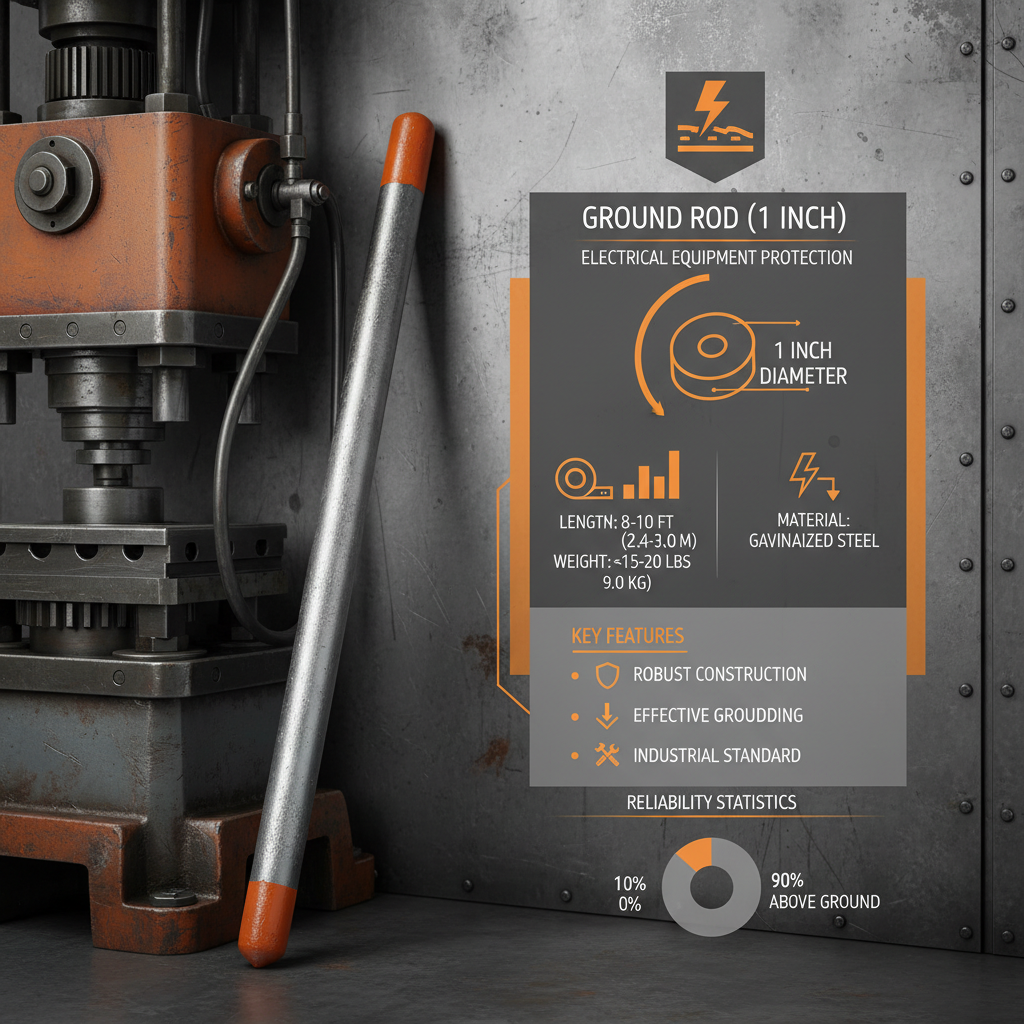
A 1 inch ground rod refers to a grounding electrode with a diameter of one inch. These rods are typically made of copper-bonded steel, galvanized steel, or solid copper. Copper-bonded steel offers a cost-effective solution with excellent conductivity. Galvanized steel provides corrosion resistance, while solid copper offers the highest conductivity but is also the most expensive. The length of the rod varies depending on the soil conditions and desired grounding resistance. A longer rod generally provides lower resistance. Choosing a 1 inch ground rod balances cost-effectiveness with sufficient grounding capability for many applications.
1 Inch Ground Rod – Typical Specifications:
• Diameter: 1 inch
• Material: Copper-bonded steel, Galvanized steel, Solid Copper
• Length: 8ft, 10ft, 20ft (Common Sizes)
• Point Type: Conical or Flat
Comparing Ground Rod Materials: Copper-Bonded Steel vs. Galvanized Steel vs. Copper
Selecting the appropriate material for your 1 inch ground rod is crucial. Here’s a comparison of the most common options:
Proper Installation Techniques for a 1 Inch Ground Rod
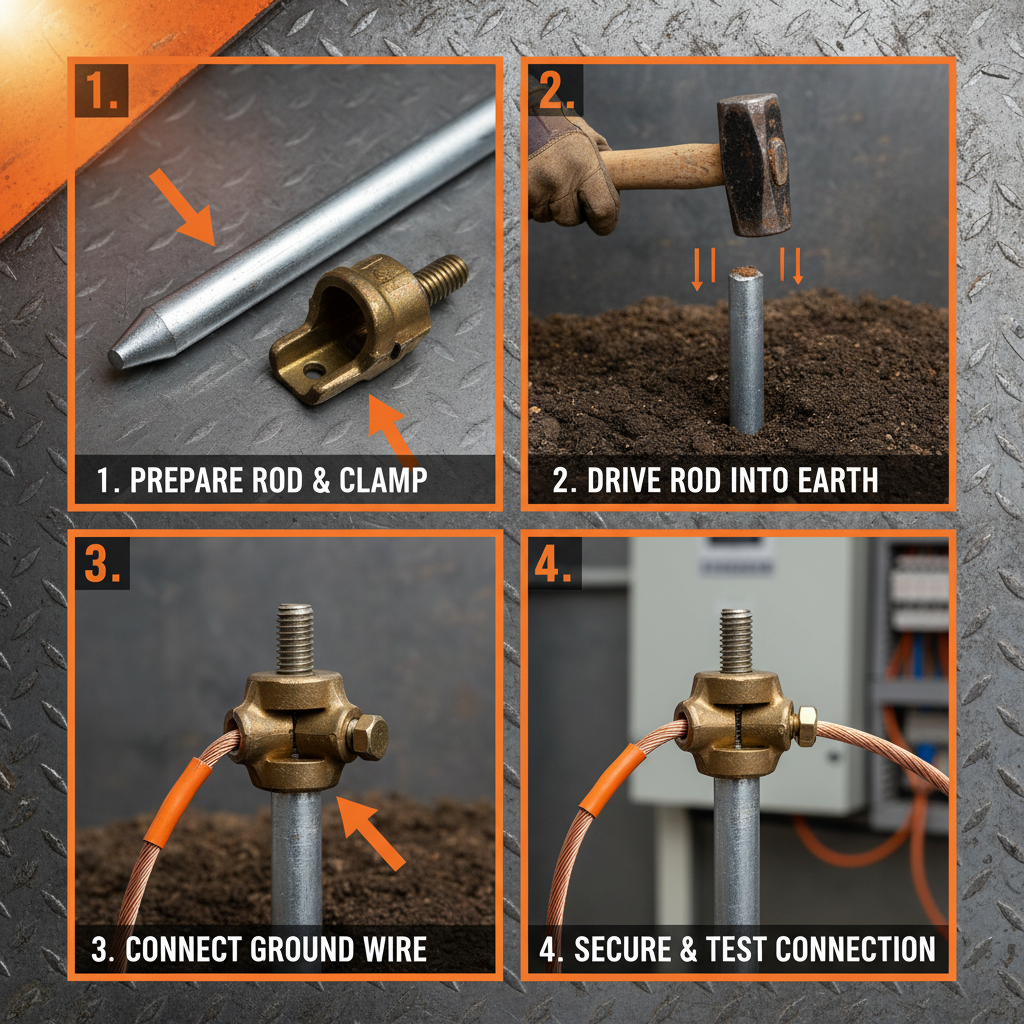
Correct installation is just as important as the quality of the 1 inch ground rod itself. Here are key steps:
- Location: Choose a location near the electrical service entrance and with readily accessible soil.
- Depth: Drive the rod at least 8 feet into the ground. In areas with rocky soil, deeper penetration may be required.
- Spacing: If multiple ground rods are used, space them at least 6 feet apart.
- Connection: Use approved grounding clamps to securely connect the ground wire to the rod.
- Soil Enhancement: In dry or rocky soil, consider using a grounding compound to improve conductivity.
Always follow local electrical codes and regulations during installation.
Why Choose Bilopowtel for Your Grounding Needs?
At Bilopowtel, we specialize in providing high-quality grounding solutions, including a wide selection of 1 inch ground rods. We source our products from reputable manufacturers, ensuring durability and performance. Our experienced team can assist you in selecting the right ground rod for your specific application and provide technical support to ensure proper installation. We are committed to delivering reliable products and exceptional customer service.
Conclusion: Investing in Reliable Grounding
A properly installed 1 inch ground rod is a critical component of a safe and reliable electrical system. Choosing quality products and following best practices are essential. Partner with Bilopowtel to ensure you have the grounding solutions you need to protect your equipment and personnel.
Frequently Asked Questions (FAQs)
How deep should a 1 inch ground rod be driven?
Generally, a 1 inch ground rod should be driven at least 8 feet into the ground. This depth ensures sufficient contact with the soil to provide a low-resistance grounding path. However, the specific depth may vary depending on local electrical codes and soil conditions. In areas with rocky or very dry soil, a deeper installation may be necessary. It’s also important to ensure the top of the rod is at least 6 inches below ground level to prevent accidental damage. Always consult with a qualified electrician or refer to local regulations for specific requirements.
What is the best type of soil for grounding?
Conductive soil is essential for effective grounding. Clay soils generally provide the best conductivity due to their moisture retention and mineral content. Loamy soils are also suitable. Sandy and rocky soils have poor conductivity and may require the use of grounding compounds or additional ground rods to achieve an acceptable grounding resistance. The moisture content of the soil also plays a significant role; drier soil has higher resistance. Regularly testing the grounding resistance is recommended, especially in areas with variable soil conditions.
Can I use multiple ground rods to improve grounding?
Yes, using multiple ground rods can significantly improve grounding performance, particularly in areas with poor soil conductivity. When using multiple rods, they should be spaced at least 6 feet apart and connected together with a grounding conductor. This creates a more extensive grounding network, reducing overall resistance. Connecting multiple rods is a common practice in areas with rocky or sandy soil, or when a low grounding resistance is critical for sensitive equipment.
Latest news
Precision Lifting and Pulling with the Lever Block 0.5 Ton Guide
NewsApr.16,2026
Precision Engineering Guide for High Performance Jet Lever
NewsApr.16,2026
Ultimate Guide to Choosing the Professional Industrial hoist lever
NewsApr.16,2026
Industrial Hoist Lever Chain Guide for Heavy Lifting and Rigging
NewsApr.16,2026
Industrial Lever Hoist Guide for Efficient Lifting and Pulling
NewsApr.16,2026
Ultimate Guide to Hand Ratchet Lift for Heavy Industrial Lifting
NewsApr.16,2026
- CONTACT
- ADDRESS: 188, Fengshou Road, Shijiazhuang. China
- EMAlL: info@bilopowtel.com
- PHONE: 0086-311-88862036
- WHATSAPP: 0086-152-26563165


