



Feb . 25, 2026 01:45 Back to list
Comprehensive Guide to Ground Earth Wire Safety and International Compliance
Understanding Ground Earth Wire: A Comprehensive Guide
A ground earth wire is a crucial safety component in electrical systems, playing a vital role in preventing electric shock and protecting equipment. This article delves into the purpose, types, installation, and importance of ground earth wires, particularly within the context of international trade and compliance with standards. Whether you're an engineer, electrician, or involved in importing/exporting electrical products, understanding these wires is essential. We’ll explore why choosing the correct ground earth wire from a reliable supplier like Bilopowtel is paramount.
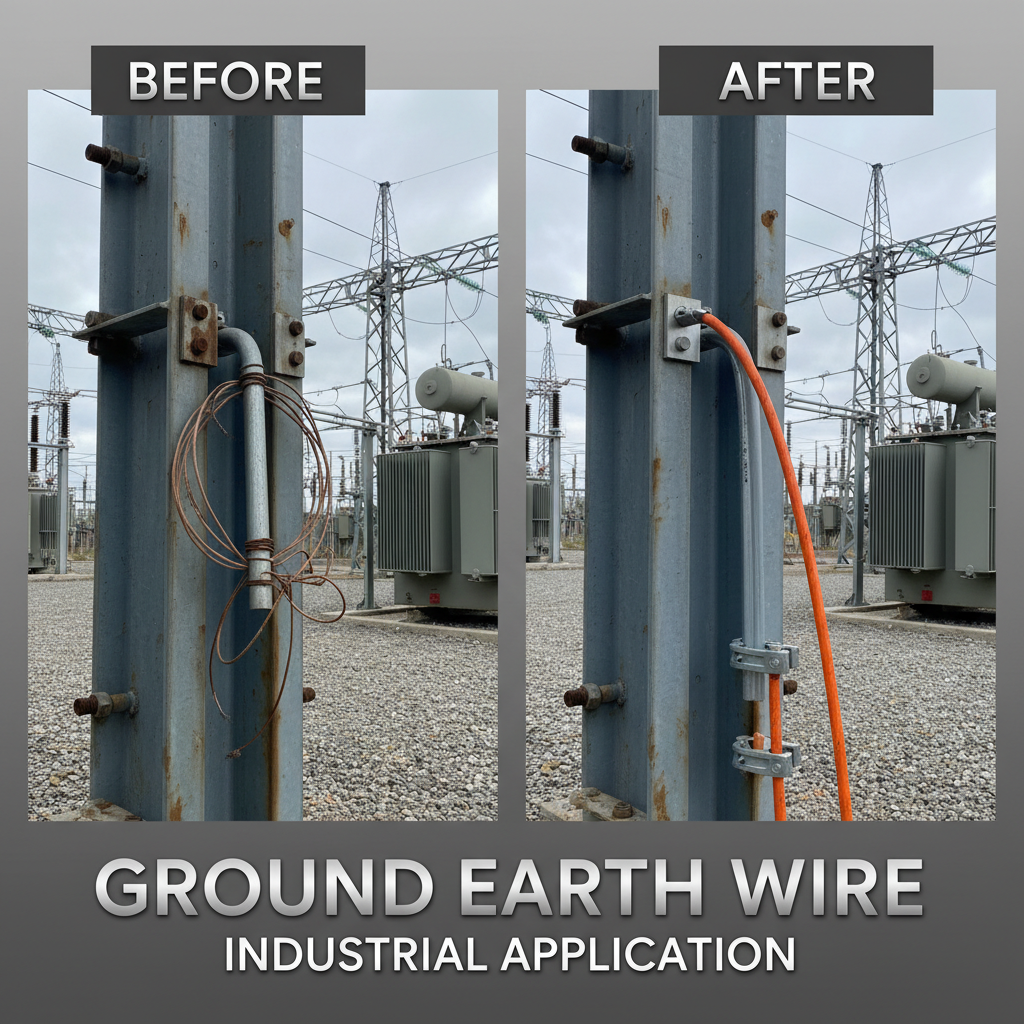
The Purpose of a Ground Earth Wire
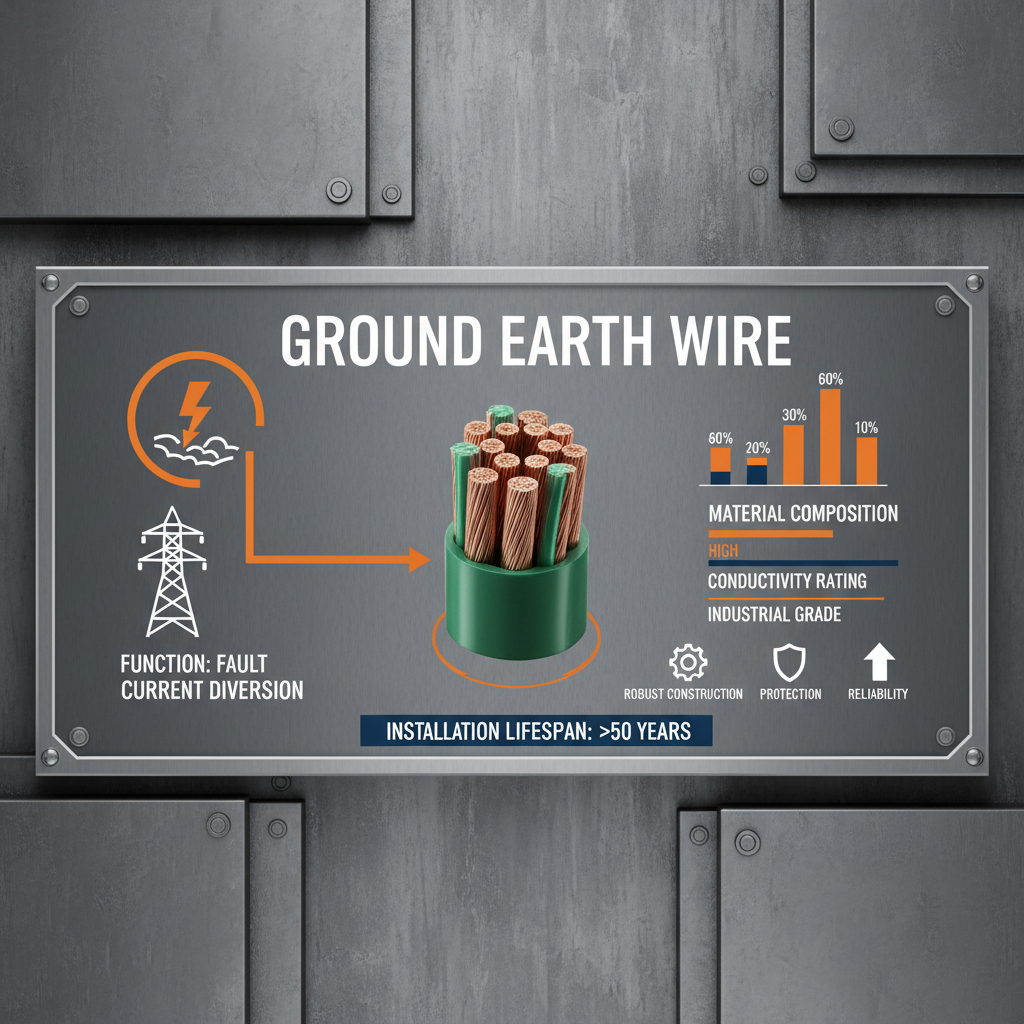
The primary function of a ground earth wire is to provide a low-resistance path for fault currents to flow back to the source. In the event of a short circuit or insulation failure, this wire safely diverts electricity, tripping a circuit breaker or blowing a fuse, and thus preventing electric shock. It's directly connected to the earth (grounding rod) which provides a reference point of zero potential. This connection ensures that exposed metal parts of electrical equipment do not become energized, minimizing the risk of injury. Essentially, it is a safety net, designed to protect people and equipment when something goes wrong.
Key Benefits: Protection against electric shock, prevention of equipment damage, enhanced system safety, and compliance with electrical codes.
Types of Ground Earth Wire
Ground earth wires come in various types, categorized by their material and construction. Common types include:
- Copper Wire: The most prevalent type, known for its excellent conductivity and durability.
- Aluminum Wire: Lighter and less expensive than copper, but requires careful installation to prevent corrosion.
- Green/Yellow Sleeved Wire: A standard color-coding convention indicating a ground earth wire, often used in power cords and internal wiring.
- Bare Copper Wire: Frequently used for grounding rods and equipment grounding conductors.
Choosing the appropriate type depends on the application, environmental conditions, and regulatory requirements. Bilopowtel offers a wide range of ground earth wires tailored to diverse needs.
Ground Earth Wire vs. Neutral Wire: Understanding the Difference
A common point of confusion is the distinction between a ground earth wire and a neutral wire. While both are essential for a functioning electrical system, they serve different purposes. The neutral wire carries current back to the source under normal operation. The ground earth wire, however, only carries current during a fault condition. The neutral wire is intentionally energized, while the ground earth wire should ideally remain at zero potential. Incorrectly connecting these wires can create a dangerous situation, leading to electric shock or fire.
Key Differences:
• Neutral carries current during normal operation.
• Ground carries current only during a fault.
• Neutral is energized; Ground should be at zero potential.
Ground Earth Wire Standards and Compliance
Compliance with international standards is crucial when dealing with electrical components, especially in global trade. Standards like IEC 60364, UL 498, and local regulations dictate the specifications for ground earth wire sizing, insulation, and installation. Proper labeling and certification are essential for ensuring product safety and avoiding legal issues. Bilopowtel's products adhere to stringent international standards, providing assurance of quality and safety.
Proper Installation of Ground Earth Wire
Correct installation is as important as the wire itself. The wire must be securely connected to both the equipment’s grounding point and the earth grounding system (grounding rod or water pipe). Connections should be tight and free from corrosion. The wire should be protected from physical damage and routed in a way that minimizes impedance. Regularly inspect the connections for tightness and corrosion to ensure continued effectiveness. Using qualified electricians for installation is always recommended.
Conclusion: Ensuring Safety with Quality Ground Earth Wires
Investing in high-quality ground earth wires from a trusted supplier like Bilopowtel is a critical step in ensuring electrical safety and regulatory compliance. Proper selection, installation, and maintenance are essential for protecting people and equipment from the hazards of electrical faults. Don’t compromise on safety – choose Bilopowtel for reliable and compliant ground earth wire solutions.
Frequently Asked Questions (FAQs)
What size ground earth wire do I need?
The appropriate size of the ground earth wire depends on the current-carrying capacity of the circuit it protects. Electrical codes specify minimum wire sizes based on the circuit breaker or fuse rating. Generally, a larger circuit requires a thicker wire to provide a low-resistance path for fault currents. It's crucial to consult electrical codes and a qualified electrician to determine the correct size for your specific application. Using an undersized wire can create a hazard and potentially fail to protect against a fault.
How often should I inspect ground earth wire connections?
Ground earth wire connections should be inspected at least annually, or more frequently in harsh environments. Look for signs of corrosion, looseness, or damage to the wire and connections. Tighten any loose connections and replace any corroded or damaged components immediately. Regular inspections are a proactive measure that can prevent potentially dangerous electrical faults.
Can I use any metal pipe for grounding?
Not all metal pipes are suitable for grounding. Only metal water pipes that are permanently in contact with the earth are generally acceptable for grounding. Gas pipes and other metallic pipes should never be used for grounding as they can pose a fire or explosion hazard. Always refer to local electrical codes and consult with a qualified electrician to ensure compliance and safety.
Latest news
Precision Lifting and Pulling with the Lever Block 0.5 Ton Guide
NewsApr.16,2026
Precision Engineering Guide for High Performance Jet Lever
NewsApr.16,2026
Ultimate Guide to Choosing the Professional Industrial hoist lever
NewsApr.16,2026
Industrial Hoist Lever Chain Guide for Heavy Lifting and Rigging
NewsApr.16,2026
Industrial Lever Hoist Guide for Efficient Lifting and Pulling
NewsApr.16,2026
Ultimate Guide to Hand Ratchet Lift for Heavy Industrial Lifting
NewsApr.16,2026
- CONTACT
- ADDRESS: 188, Fengshou Road, Shijiazhuang. China
- EMAlL: info@bilopowtel.com
- PHONE: 0086-311-88862036
- WHATSAPP: 0086-152-26563165


