



Mar . 03, 2026 18:05 Back to list
Essential Guide to T Handle Ground Rod Safety and Installation Practices
Understanding the Importance of a T Handle Ground Rod
In the realm of electrical safety, a reliable grounding system is paramount. A t handle ground rod serves as a critical component, providing a safe path for fault currents to dissipate into the earth. This article delves into the benefits, applications, installation, and considerations when choosing a t handle ground rod, equipping you with the knowledge to ensure a secure and compliant grounding solution. A properly installed ground rod is essential for protecting personnel, equipment, and structures from electrical hazards.
What is a T Handle Ground Rod and Why is it Important?
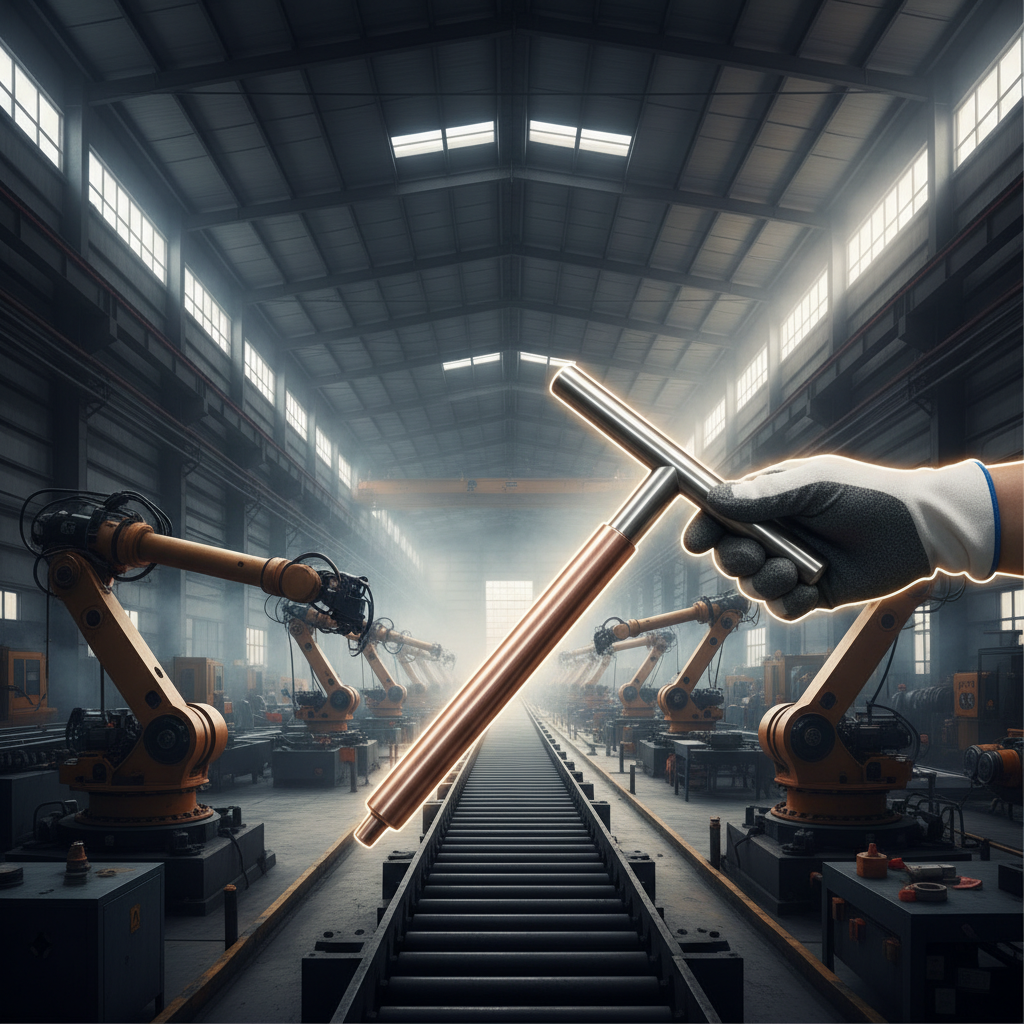
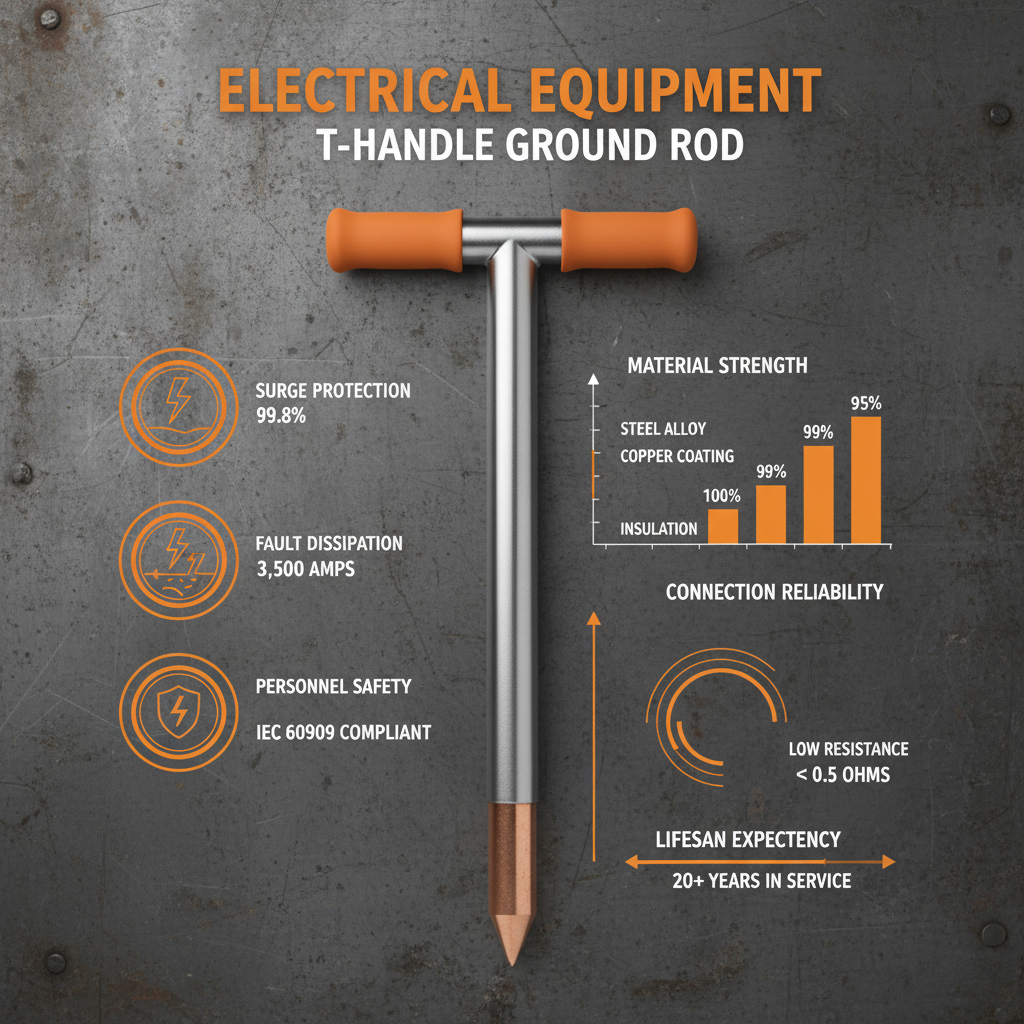
A t handle ground rod is a metallic rod, typically made of copper-clad steel or galvanized steel, driven into the earth to create a connection with the ground. The "T" handle provides a convenient and secure point for connecting grounding conductors. Its primary function is to provide a low-resistance path for electrical currents to flow safely to the earth in the event of a fault, preventing dangerous voltage buildup and reducing the risk of electric shock. Without a proper grounding system, electrical equipment and structures can become energized, posing a significant hazard. Effective grounding also helps to protect sensitive electronic equipment from damage caused by voltage surges.
Key Benefits: Provides a safe path for fault currents, protects personnel and equipment, reduces the risk of electric shock, and prevents voltage surges.
Applications of T Handle Ground Rods
T handle ground rods are essential in a wide range of applications, including residential electrical systems, commercial buildings, industrial facilities, telecommunication towers, and solar panel installations. They are used to ground electrical panels, generators, lightning protection systems, and other conductive structures. In residential settings, they protect homes and occupants from electrical hazards. In industrial environments, they ensure the safe operation of heavy machinery and prevent damage to sensitive electronic equipment. Properly grounding a solar panel system is crucial for preventing fires and ensuring the safety of installers and homeowners. You can find a comprehensive range of ground rods for your needs at Bilopowtel.
Common Applications:
• Residential Electrical Systems
• Commercial Buildings
• Industrial Facilities
• Telecommunication Towers
• Solar Panel Installations
Choosing the Right T Handle Ground Rod: Materials and Specifications
Selecting the appropriate t handle ground rod is critical for ensuring its effectiveness. Ground rods are typically made of either copper-clad steel or galvanized steel. Copper-clad steel rods offer excellent conductivity and corrosion resistance, making them suitable for most environments. Galvanized steel rods are more affordable but may be less resistant to corrosion, particularly in acidic or saline soils. The length and diameter of the ground rod are also important considerations. Longer and thicker rods provide lower resistance to ground. Local electrical codes often specify minimum grounding requirements, so it's essential to consult these regulations before selecting a ground rod.
Installation Best Practices for T Handle Ground Rods
Proper installation is critical to ensure the effectiveness of a t handle ground rod. The ground rod should be driven vertically into the earth to a sufficient depth, typically at least 8 feet (2.44 meters). The soil should be moist to provide good conductivity. If the soil is dry, it may be necessary to add water around the ground rod. Multiple ground rods may be required, spaced at least the length of the rod apart, to achieve the desired grounding resistance. Always follow local electrical codes and regulations when installing a ground rod. Properly connect the grounding conductor to the T handle using approved connectors.
Maintaining Your Grounding System
Regular inspection and maintenance of your grounding system are essential to ensure its continued effectiveness. Periodically check the grounding connections for corrosion or looseness. If the soil around the ground rod becomes dry, add water to improve conductivity. Consider having a qualified electrician perform periodic resistance testing to verify the grounding system's performance. Addressing any issues promptly will help to maintain a safe and reliable grounding system. Bilopowtel offers a range of accessories and tools to help you maintain your grounding system effectively.
Conclusion: Ensuring Safety with Reliable Grounding
Investing in a quality t handle ground rod and ensuring its proper installation and maintenance is crucial for protecting lives and property. A robust grounding system is a cornerstone of electrical safety, providing a vital path for fault currents and reducing the risk of electrical hazards. Choose Bilopowtel for reliable grounding solutions and expert support.
Frequently Asked Questions (FAQs)
How deep should a ground rod be driven?
Generally, a ground rod should be driven at least 8 feet (2.44 meters) into the earth. This depth ensures sufficient contact with moist soil, providing good conductivity. However, local electrical codes may specify different requirements, so it's essential to consult these regulations. In some cases, deeper installation may be necessary to achieve the desired grounding resistance, particularly in areas with dry or rocky soil.
What is the best material for a ground rod?
Copper-clad steel is widely considered the best material for a ground rod due to its excellent conductivity and corrosion resistance. While galvanized steel is more affordable, it is less resistant to corrosion, particularly in harsh environments. The choice of material depends on the specific application and the soil conditions. If corrosion is a concern, copper-clad steel is the preferred option.
Can I use multiple ground rods?
Yes, using multiple ground rods is often recommended, especially when the soil resistance is high or when grounding a large structure. Ground rods should be spaced at least the length of the rod apart. Connecting multiple ground rods together creates a more robust and effective grounding system, providing a lower resistance path for fault currents. This is particularly important for protecting sensitive electronic equipment.
How often should I inspect my grounding system?
It is recommended to inspect your grounding system at least annually, or more frequently in harsh environments. During inspection, check for corrosion on connections, looseness of fittings, and damage to the ground rod itself. Additionally, consider having a qualified electrician perform resistance testing to verify the effectiveness of the grounding system. Regular inspection and maintenance will help ensure the continued safety and reliability of your electrical system.
Latest news
Precision Lifting and Pulling with the Lever Block 0.5 Ton Guide
NewsApr.16,2026
Precision Engineering Guide for High Performance Jet Lever
NewsApr.16,2026
Ultimate Guide to Choosing the Professional Industrial hoist lever
NewsApr.16,2026
Industrial Hoist Lever Chain Guide for Heavy Lifting and Rigging
NewsApr.16,2026
Industrial Lever Hoist Guide for Efficient Lifting and Pulling
NewsApr.16,2026
Ultimate Guide to Hand Ratchet Lift for Heavy Industrial Lifting
NewsApr.16,2026
- CONTACT
- ADDRESS: 188, Fengshou Road, Shijiazhuang. China
- EMAlL: info@bilopowtel.com
- PHONE: 0086-311-88862036
- WHATSAPP: 0086-152-26563165


