



Mar . 19, 2026 01:45 Back to list
Essential Guide to Choosing the Right Grounding Rod for TV Antenna Safety
Choosing the Right Grounding Rod for Your TV Antenna
Protecting your TV antenna and your home from lightning strikes is paramount. A properly installed grounding rod for TV antenna acts as a vital safety component. This article will delve into the importance of grounding, different types of grounding rods, installation best practices, and how to choose the right rod for your specific needs. Ignoring proper grounding can lead to damage to your equipment and, more seriously, pose a risk to your home and family.
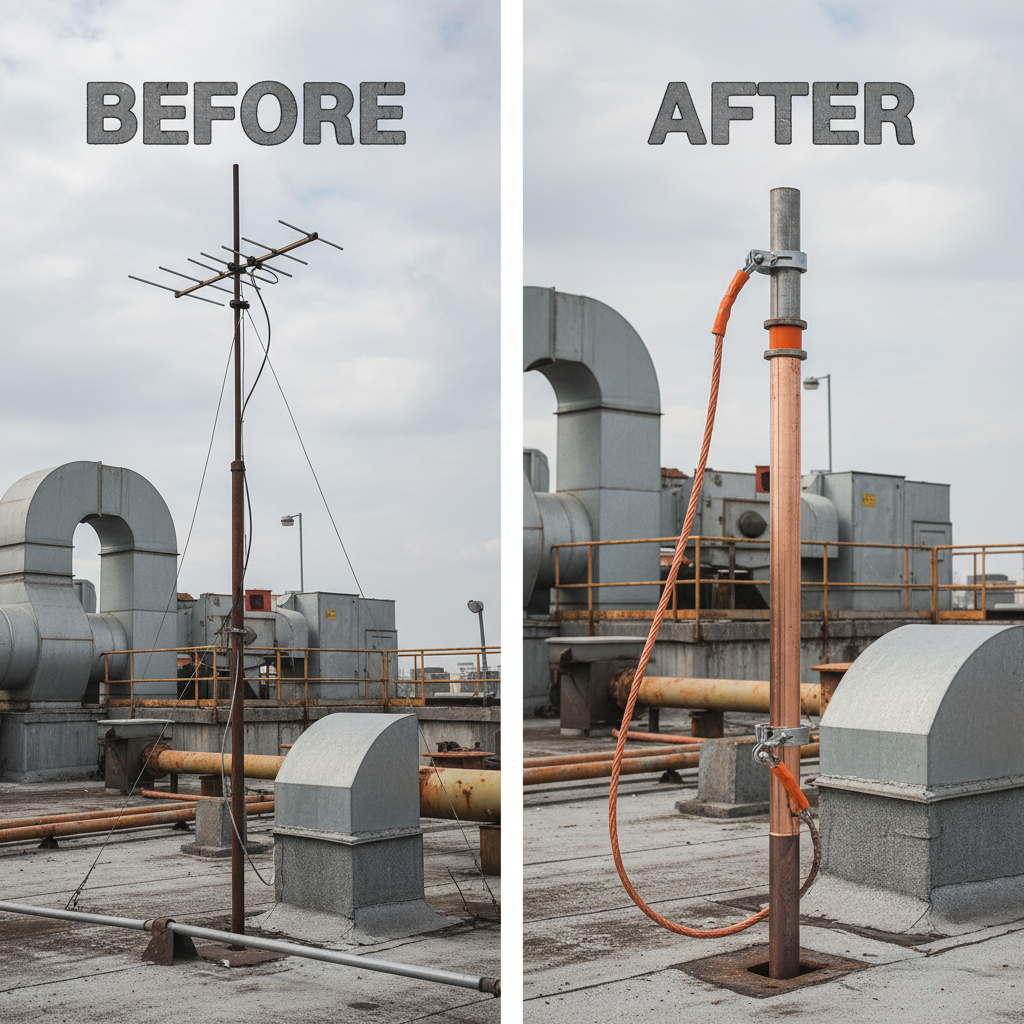
Why Grounding Your TV Antenna is Crucial
Lightning strikes carry immense electrical power. Without a grounding system, this energy can travel through your antenna, coaxial cable, and into your TV and other electronic devices, causing irreparable damage. More importantly, a lightning strike can even travel through your home's electrical wiring, creating a fire hazard or electrocuting anyone nearby. A grounding rod provides a safe path for this energy to dissipate into the earth, minimizing the risk of damage and injury. Furthermore, grounding helps reduce static electricity build-up which can interfere with signal quality.
Key Benefits: Protects your electronics, minimizes fire hazard, ensures personal safety, and improves signal clarity.
Types of Grounding Rods for TV Antennas
Several types of grounding rods are available, each with its own advantages and disadvantages. The most common types include copper-clad steel rods, galvanized steel rods, and solid copper rods. Copper-clad steel rods offer a good balance of conductivity and strength, while galvanized steel rods are more affordable but less conductive. Solid copper rods provide the best conductivity but are also the most expensive. The best choice will depend on your budget, soil conditions, and local electrical codes.
Grounding Rod Comparison:
• Copper-Clad Steel: Excellent conductivity, strong, cost-effective.
• Galvanized Steel: Affordable, but lower conductivity.
• Solid Copper: Best conductivity, most expensive.
Choosing the Right Grounding Rod: Key Specifications
Selecting the correct grounding rod involves considering several specifications. Length is a critical factor; a longer rod provides better grounding, particularly in areas with poor soil conductivity. Diameter also matters, as a thicker rod can handle more electrical current. Here’s a comparison of common grounding rod sizes and their suitability:
Installation Best Practices for a Grounding Rod
Proper installation is as important as choosing the right grounding rod for TV antenna. Drive the rod completely into the ground, leaving only a few inches exposed for connection. Connect the grounding wire (typically a heavy-gauge copper wire) securely to the rod using a clamp. Ensure a low-resistance connection to maximize effectiveness. It’s also vital to follow all local electrical codes and regulations. If you are uncomfortable performing this work, it’s best to consult a qualified electrician.
Where to Find Quality Grounding Rods and Accessories
Bilopowtel offers a wide selection of grounding rods, clamps, and grounding wire to meet your specific needs. We provide high-quality products designed for reliable performance and safety. Our knowledgeable team can help you choose the right components for your TV antenna grounding system. We're committed to providing solutions that protect your home and electronics from the dangers of lightning strikes.
Conclusion: Invest in Safety with Proper Grounding
Proper grounding is a critical safety measure for any TV antenna installation. Choosing the right grounding rod, combined with correct installation, protects your equipment, your home, and your family. Don't compromise on safety - invest in a reliable grounding system today.
Frequently Asked Questions (FAQs)
How deep should I drive the grounding rod?
The general recommendation is to drive the grounding rod at least 8 feet into the ground. However, this can vary depending on local soil conditions and electrical codes. In areas with rocky or sandy soil, you may need to drive the rod deeper or use multiple rods connected together to achieve adequate grounding. Consult local regulations to ensure compliance.
What gauge wire should I use for grounding?
For TV antenna grounding, a minimum of 10 AWG (American Wire Gauge) copper wire is recommended. Heavier gauge wire (e.g., 8 AWG or 6 AWG) is preferable, especially if the distance between the antenna and the grounding rod is significant. Using a thicker wire reduces resistance and improves grounding effectiveness. Always use solid or stranded copper wire specifically rated for grounding purposes.
Can I use a water pipe as a ground?
While it was once common practice to use a metal water pipe as a grounding point, this is no longer recommended due to the increasing use of plastic pipes. Even with metal pipes, the connection can corrode over time, compromising the grounding effectiveness. A dedicated grounding rod provides a much more reliable and consistent grounding path and is the preferred method.
Latest news
Precision Lifting and Pulling with the Lever Block 0.5 Ton Guide
NewsApr.16,2026
Precision Engineering Guide for High Performance Jet Lever
NewsApr.16,2026
Ultimate Guide to Choosing the Professional Industrial hoist lever
NewsApr.16,2026
Industrial Hoist Lever Chain Guide for Heavy Lifting and Rigging
NewsApr.16,2026
Industrial Lever Hoist Guide for Efficient Lifting and Pulling
NewsApr.16,2026
Ultimate Guide to Hand Ratchet Lift for Heavy Industrial Lifting
NewsApr.16,2026
- CONTACT
- ADDRESS: 188, Fengshou Road, Shijiazhuang. China
- EMAlL: info@bilopowtel.com
- PHONE: 0086-311-88862036
- WHATSAPP: 0086-152-26563165


