



Mar . 21, 2026 01:45 Back to list
Comprehensive Guide to Installing Earth Ground Rod for Electrical Safety
Installing Earth Ground Rod: A Comprehensive Guide
Ensuring a safe and reliable electrical grounding system is paramount for any structure or electrical installation. A crucial component of this system is the earth ground rod. This article will provide a detailed guide on installing earth ground rod, covering everything from selecting the right rod to the proper driving techniques and safety precautions. A properly installed ground rod protects against electrical shock and surge damage, safeguarding both people and equipment. Understanding the process is vital for homeowners, contractors, and anyone working with electrical systems.
Choosing the Right Earth Ground Rod
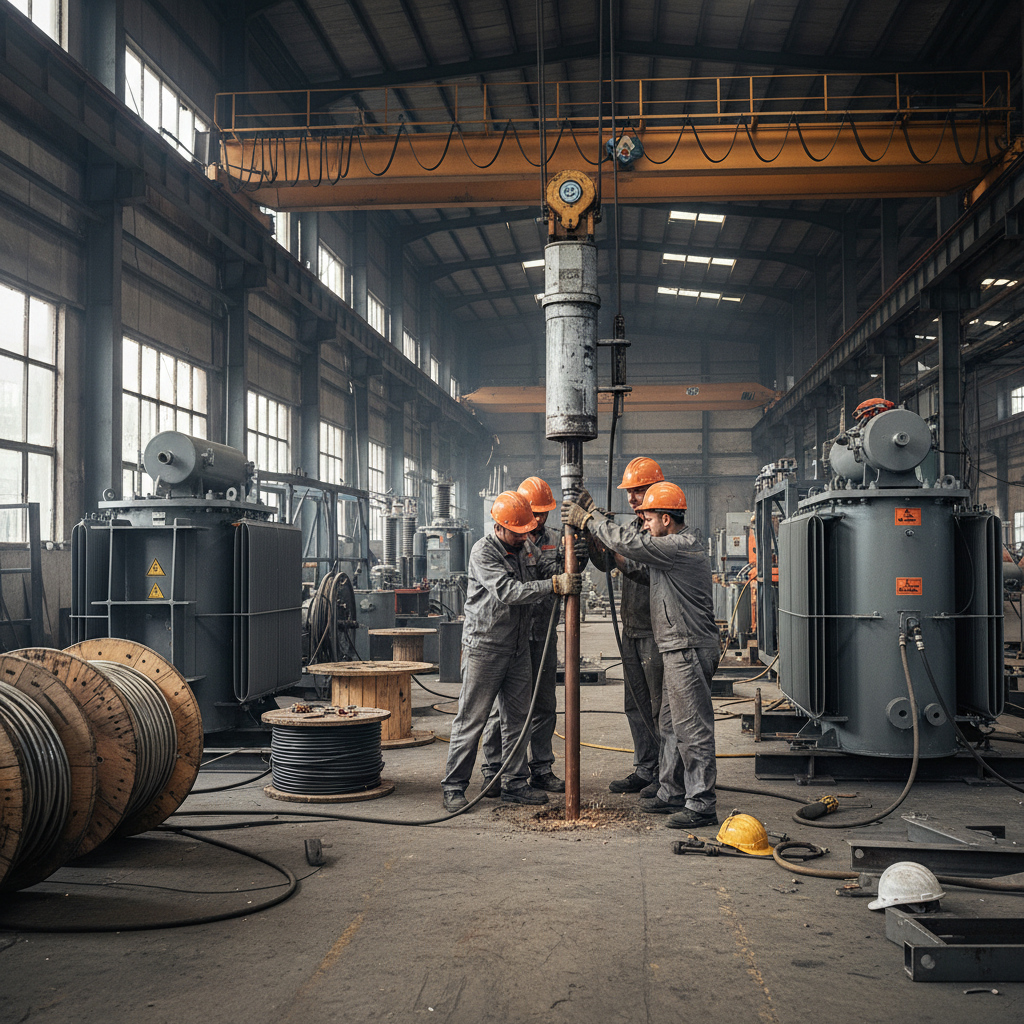
Selecting the appropriate earth ground rod is the first step towards a successful installation. Rods are typically made of copper-clad steel, galvanized steel, or solid copper. Copper-clad steel offers a good balance of conductivity and cost-effectiveness. The length and diameter of the rod depend on the soil resistivity – higher resistivity requires longer and/or more rods. Generally, an 8-foot copper-clad steel rod is a common choice for residential applications. It’s essential to check local electrical codes for specific requirements. Bilo Powtel offers a variety of ground rods suitable for diverse applications.
Key Considerations: Soil resistivity, local electrical codes, and the size of the electrical system being grounded.
Preparing the Installation Site
Before driving the ground rod, it's crucial to prepare the installation site. Choose a location as close to the electrical panel as possible, and away from underground utilities such as gas lines or water pipes. Call 811 before you dig to have utilities marked! Clear the area of any rocks, debris, or vegetation that could obstruct the driving process. If the soil is particularly hard or rocky, pre-drilling a pilot hole may be necessary. Ensure there is sufficient space around the installation site for safe operation of the driving tools.
Essential Preparation Steps:
• Call 811 to locate underground utilities.
• Clear the area of rocks and debris.
• Consider pre-drilling in hard soil.
• Ensure adequate space for safe operation.
Driving the Earth Ground Rod
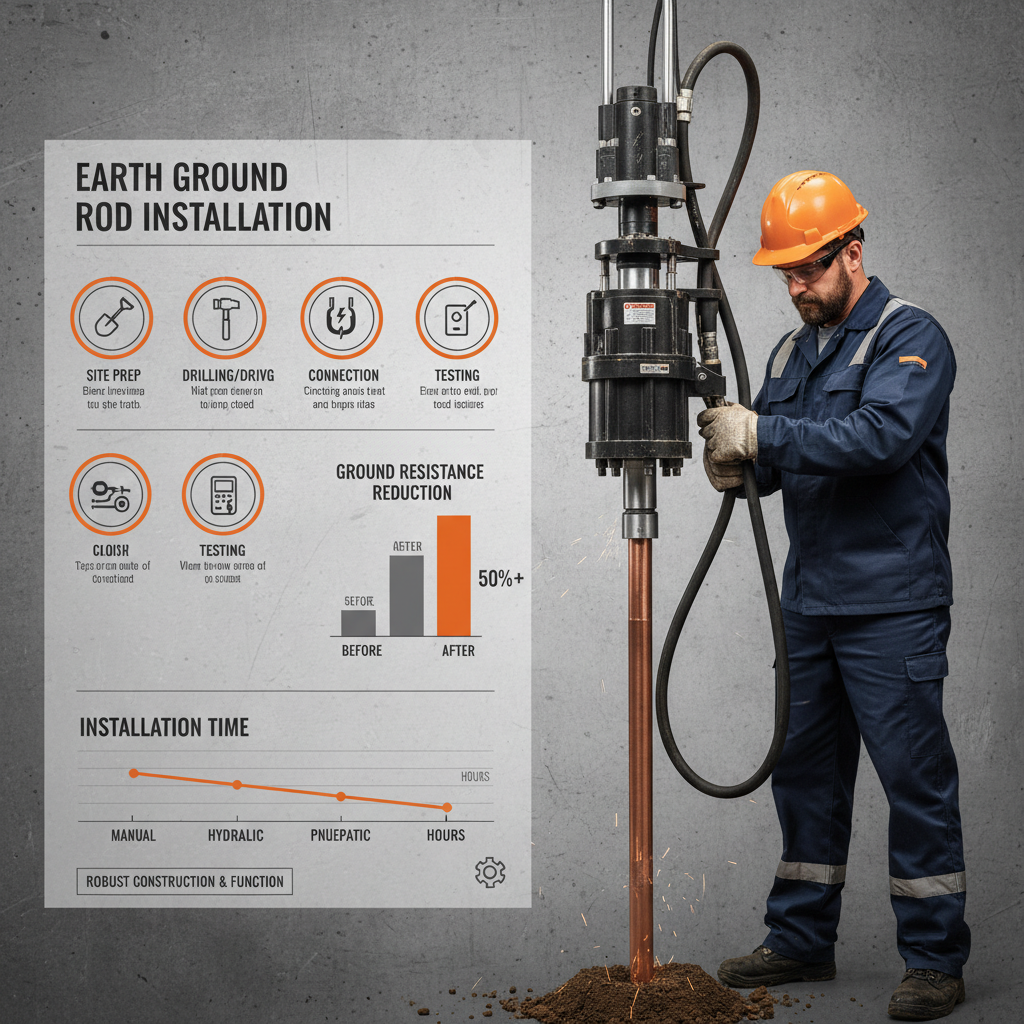
Driving the ground rod requires the use of a grounding rod driver. These drivers come in various forms, including manual sledgehammer-type drivers and pneumatic drivers. Position the rod vertically and apply steady, even pressure. Avoid striking the rod at an angle, as this can bend it. Drive the rod until only 6-8 inches remain above the ground. If the rod encounters resistance, check for obstructions and adjust the position if necessary. Multiple ground rods should be spaced at least 6 feet apart to ensure effective grounding.
Connecting the Ground Wire
Once the ground rod is driven, connect the ground wire from the electrical panel to the rod using an approved grounding clamp. Ensure the clamp is securely fastened to the rod and the wire. Use a UL-listed grounding clamp designed for the size and type of grounding conductor. The connection should be corrosion-resistant, and regular inspections are recommended to ensure its integrity. For multiple ground rods, connect them together with a grounding conductor to create a grounding network.
Safety Precautions and Best Practices
Working with electrical systems requires strict adherence to safety protocols. Always de-energize the circuit before working on the grounding system. Wear appropriate personal protective equipment (PPE), including safety glasses and gloves. Be aware of the surrounding environment and potential hazards. If you are not comfortable working with electrical systems, consult a qualified electrician. Proper installation is crucial to ensure the effectiveness of the grounding system and protect against electrical hazards. For quality grounding solutions, consider Bilo Powtel’s range of grounding products.
Conclusion: Ensuring a Safe Grounding System
Installing an earth ground rod is a critical step in ensuring electrical safety. By following these guidelines and prioritizing safety, you can create a reliable grounding system that protects your property and the people within it. Investing in quality materials and professional installation when needed will provide long-term peace of mind.
Frequently Asked Questions (FAQs)
What is the purpose of an earth ground rod?
An earth ground rod provides a low-resistance path for electrical current to flow into the earth in the event of a fault. This helps to prevent electrical shock and damage to equipment. By diverting excess current safely to the ground, it protects people and property. It’s a crucial component of any electrical safety system, safeguarding against dangerous voltage levels. It also helps to stabilize voltage levels and reduce the impact of lightning strikes.
How deep should a ground rod be driven?
Generally, a ground rod should be driven until at least 8 feet (2.4 meters) of the rod is buried. However, local electrical codes may specify different requirements. In areas with rocky or dry soil, a deeper installation may be necessary. The goal is to reach a consistently moist soil layer to ensure a low-resistance connection to the earth. It’s always best to consult local codes and a qualified electrician for specific guidance.
Can I use multiple ground rods?
Yes, using multiple ground rods is often recommended, especially in areas with high soil resistivity. Ground rods should be spaced at least 6 feet apart and connected together with a grounding conductor to create a grounding network. This improves the overall effectiveness of the grounding system and reduces resistance. It’s crucial to follow local electrical code requirements when installing multiple ground rods.
What type of soil is best for grounding?
Moist, conductive soil is ideal for grounding. Clay soils generally offer better conductivity than sandy or rocky soils. Dry soil has higher resistance, so additional measures, such as using longer ground rods or installing multiple rods, may be necessary. Adding soil amendments, like bentonite clay, can sometimes improve conductivity in poor soil conditions.
Latest news
Precision Lifting and Pulling with the Lever Block 0.5 Ton Guide
NewsApr.16,2026
Precision Engineering Guide for High Performance Jet Lever
NewsApr.16,2026
Ultimate Guide to Choosing the Professional Industrial hoist lever
NewsApr.16,2026
Industrial Hoist Lever Chain Guide for Heavy Lifting and Rigging
NewsApr.16,2026
Industrial Lever Hoist Guide for Efficient Lifting and Pulling
NewsApr.16,2026
Ultimate Guide to Hand Ratchet Lift for Heavy Industrial Lifting
NewsApr.16,2026
- CONTACT
- ADDRESS: 188, Fengshou Road, Shijiazhuang. China
- EMAlL: info@bilopowtel.com
- PHONE: 0086-311-88862036
- WHATSAPP: 0086-152-26563165


