



Mar . 09, 2026 01:45 Back to list
Comprehensive Guide to Earthing Sticks for Enhanced Electrical Safety
Understanding and Utilizing Earthing Sticks for Electrical Safety
Electrical safety is paramount in various industries, and employing the right tools is crucial for preventing accidents. An earthing stick (also known as a grounding stick) is an essential piece of equipment used to safely discharge static electricity or fault currents. This article provides a comprehensive overview of earthing sticks, covering their function, types, usage, maintenance, and the importance of selecting the right stick for specific applications. Ensuring the correct application of an earthing stick can dramatically reduce the risk of electrical shock and equipment damage.
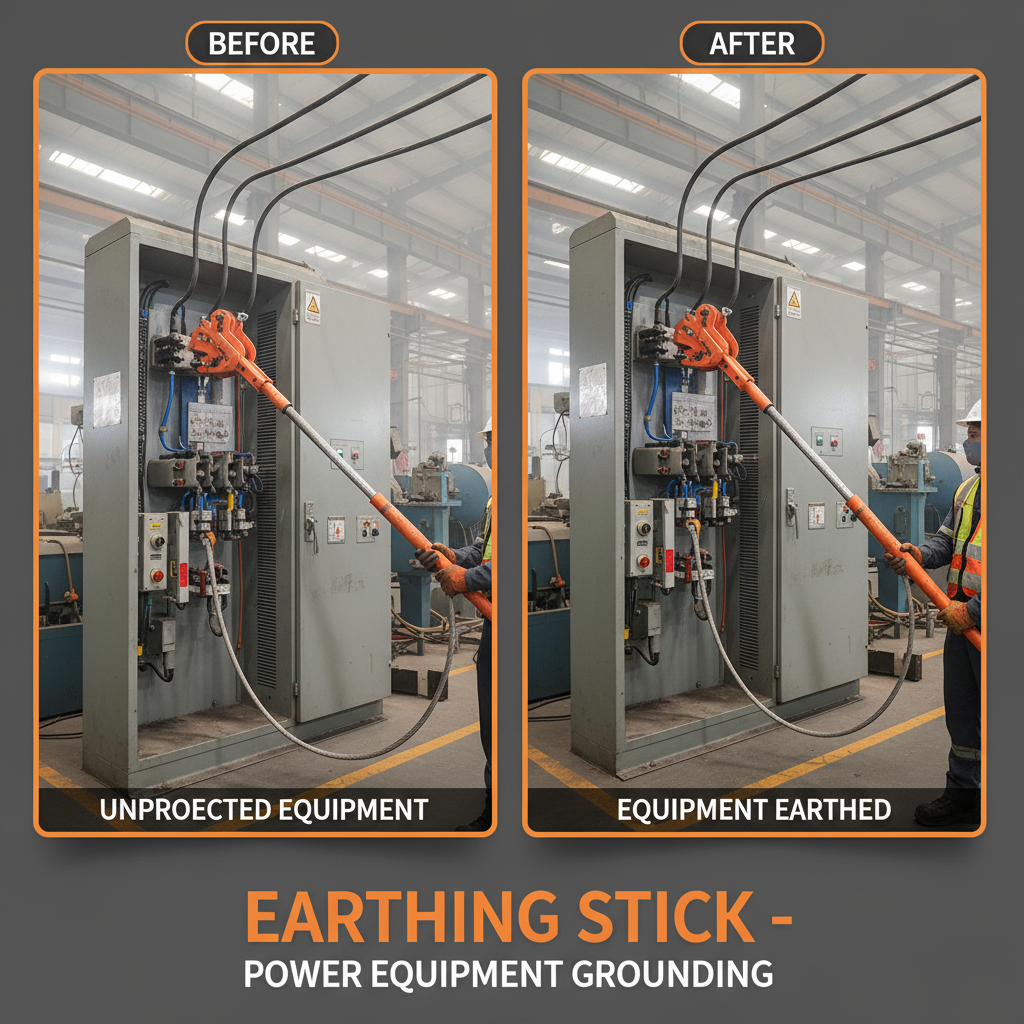
What is an Earthing Stick and Why is it Important?
An earthing stick is a non-conductive rod or stick with a metallic clamp or hook at one end. Its primary function is to provide a safe path for electrical current to flow to the ground, effectively neutralizing the potential for electrical shock. This is achieved by connecting the electrical equipment or conductive object to a known earth ground. The importance of using an earthing stick stems from the need to eliminate static build-up, verify the absence of voltage before maintenance, and protect personnel from hazardous electrical conditions. It’s a fundamental component of lockout/tagout procedures and any work involving potentially energized equipment. Bilo Powtel provides a wide variety of high-quality earthing sticks designed for optimal safety.
Key Benefits: Eliminates static build-up, verifies zero voltage, protects personnel from electrical shock, integral part of Lockout/Tagout procedures.
Types of Earthing Sticks
Earthing sticks come in various designs to suit different applications and voltage levels. Some common types include:
- Portable Earthing Sticks: Lightweight and easy to carry, used for grounding smaller equipment and circuits.
- Heavy-Duty Earthing Sticks: Designed for high-voltage applications, featuring robust construction and insulation.
- Self-Discharging Earthing Sticks: Equipped with a resistance element to automatically discharge the stored energy.
- Flexible Earthing Sticks: Offer increased flexibility for grounding in confined spaces.
Earthing Stick Types:
• Portable Earthing Sticks
• Heavy-Duty Earthing Sticks
• Self-Discharging Earthing Sticks
• Flexible Earthing Sticks
Choosing the Right Earthing Stick for Your Application
Selecting the appropriate earthing stick is vital for ensuring safety and effectiveness. Consider the following factors:
- Voltage Level: The stick must be rated for the voltage of the equipment being grounded.
- Application: Choose a stick designed for the specific task (e.g., portable for general use, heavy-duty for high-voltage).
- Working Environment: Consider factors like space constraints and potential hazards.
- Material: Ensure the stick is made from a durable, non-conductive material like fiberglass or reinforced epoxy resin.
Proper Usage of an Earthing Stick
Correct usage is critical for effectiveness. Always follow these steps:
- Inspection: Before each use, thoroughly inspect the stick for any damage (cracks, wear, etc.).
- Connection: Securely attach the clamp or hook to the grounded object.
- Verification: Verify the connection is solid and that the stick is effectively grounding the equipment.
- Safe Distance: Maintain a safe distance from energized parts during the grounding process.
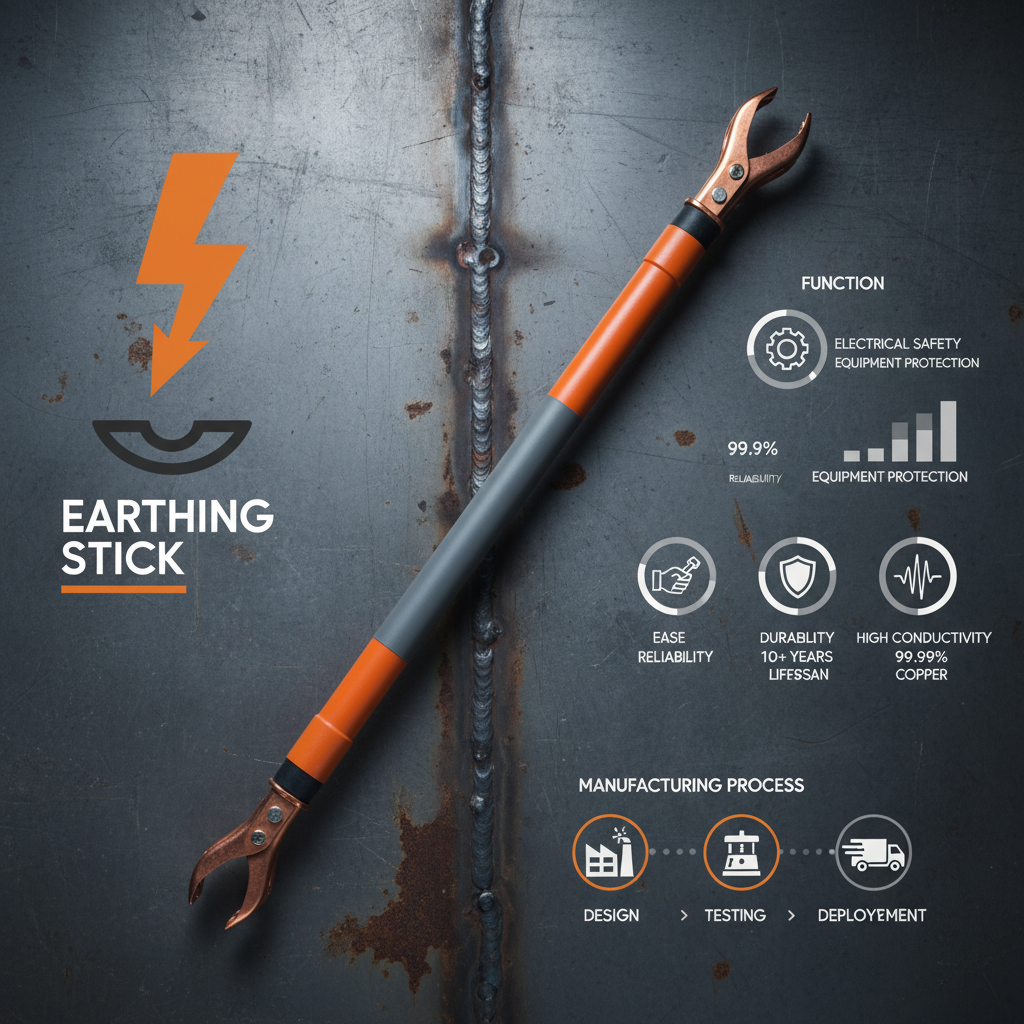
Maintenance and Storage of Earthing Sticks
Regular maintenance extends the lifespan and ensures the reliability of your earthing stick. Clean the stick regularly with a damp cloth to remove dirt and contaminants. Store the stick in a dry, clean location, away from direct sunlight and extreme temperatures. Regularly inspect for damage and replace any worn or damaged components immediately. Bilo Powtel offers maintenance services and replacement parts for our earthing sticks.
Conclusion: Prioritizing Safety with Reliable Earthing Sticks
Investing in high-quality earthing sticks is a crucial step in ensuring electrical safety for your workforce and protecting valuable equipment. By understanding the different types, selecting the right stick for your application, and following proper usage and maintenance procedures, you can significantly reduce the risk of electrical accidents. Don't compromise on safety – choose a reliable earthing stick from a trusted supplier like Bilo Powtel.
Frequently Asked Questions (FAQs)
What materials are earthing sticks typically made from?
Earthing sticks are primarily constructed from non-conductive materials to ensure user safety. Common materials include fiberglass reinforced polyester resin, epoxy resin, and certain types of high-strength plastics. These materials offer excellent electrical insulation properties and are durable enough to withstand regular use in various environments. The metallic clamp or hook at the end is typically made from copper or a copper alloy to provide a good electrical connection.
How often should an earthing stick be inspected?
An earthing stick should be inspected before each use, and a more thorough inspection should be conducted at least annually, or more frequently if used in harsh environments. During inspection, check for cracks, wear, damage to the insulation, and ensure the clamp or hook is securely attached and functioning properly. Any damaged stick should be removed from service immediately and replaced.
What is the purpose of the clamp on an earthing stick?
The clamp on an earthing stick is designed to establish a secure electrical connection between the stick and the grounded object. It provides a low-resistance path for the electrical current to flow to the ground, effectively dissipating static electricity or fault currents. The clamp must be clean and free of corrosion to ensure a good electrical connection.
Can an earthing stick be used on live circuits?
No, an earthing stick is not intended to be used on live, energized circuits. Its primary purpose is to ensure a circuit is de-energized before work begins. Applying an earthing stick to a live circuit can create a dangerous short circuit and pose a significant electrical hazard. It's a safety tool used after proper lockout/tagout procedures have been implemented to verify the circuit is safe to work on.
Latest news
Precision Lifting and Pulling with the Lever Block 0.5 Ton Guide
NewsApr.16,2026
Precision Engineering Guide for High Performance Jet Lever
NewsApr.16,2026
Ultimate Guide to Choosing the Professional Industrial hoist lever
NewsApr.16,2026
Industrial Hoist Lever Chain Guide for Heavy Lifting and Rigging
NewsApr.16,2026
Industrial Lever Hoist Guide for Efficient Lifting and Pulling
NewsApr.16,2026
Ultimate Guide to Hand Ratchet Lift for Heavy Industrial Lifting
NewsApr.16,2026
- CONTACT
- ADDRESS: 188, Fengshou Road, Shijiazhuang. China
- EMAlL: info@bilopowtel.com
- PHONE: 0086-311-88862036
- WHATSAPP: 0086-152-26563165


