



Mar . 04, 2026 01:45 Back to list
Understanding the Vital Role of a 6 ft Ground Rod in Electrical Safety
Understanding the Role of a 6 ft Ground Rod
A 6 ft ground rod is a critical component in electrical grounding systems, playing a vital role in safety and preventing damage to electrical equipment. This article provides a comprehensive overview of 6 ft ground rods, their applications, installation best practices, and why choosing a high-quality rod like those offered by Bilopowtel is essential. Proper grounding is foundational to a secure electrical system, and understanding the specifics of ground rods is key. We’ll explore the importance of selecting the right rod material and diameter to meet your specific needs.
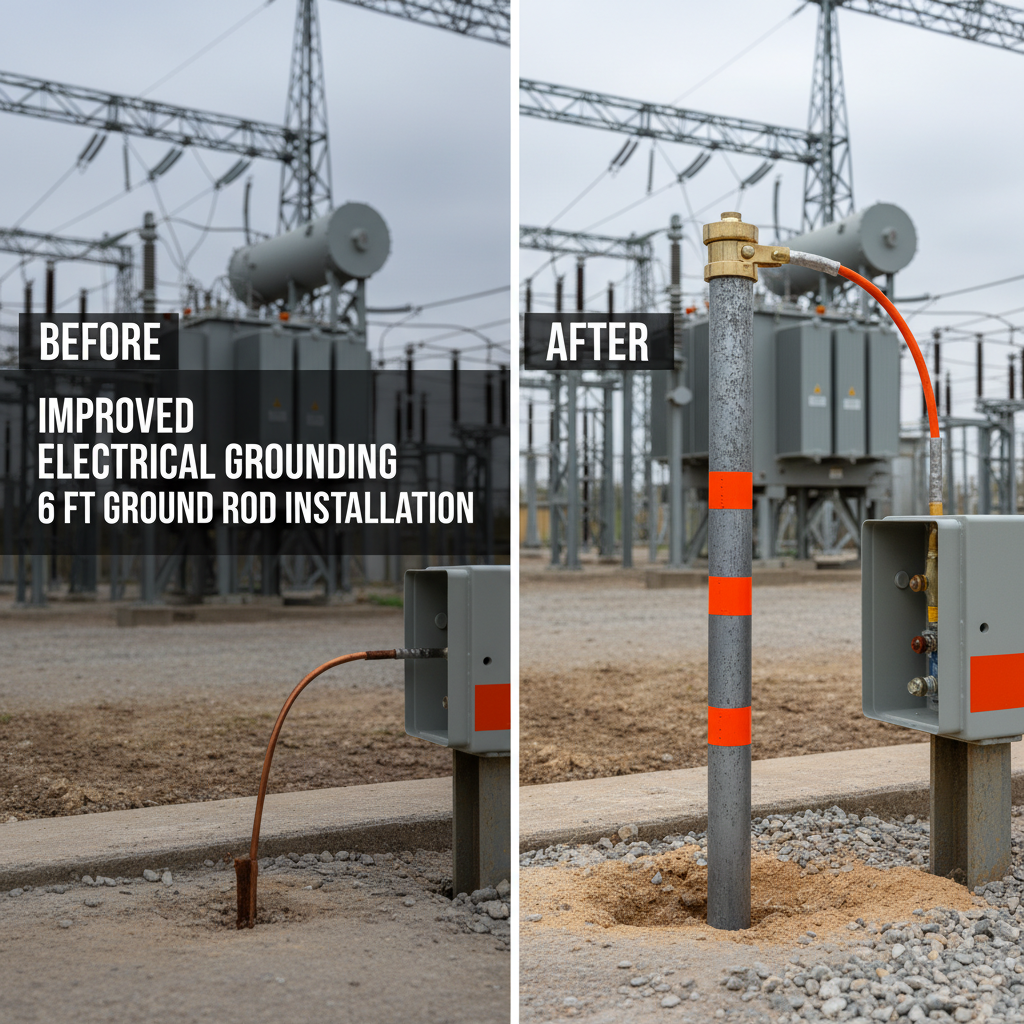
Why Use a 6 ft Ground Rod?
The 6 ft length is a common standard for ground rods, offering a good balance between effectiveness and cost. This length is generally sufficient to reach consistently moist soil, which is crucial for efficient grounding. A ground rod provides a low-resistance path for electrical current to flow into the earth in the event of a fault, protecting people and equipment from dangerous voltage spikes. Without a proper grounding system, electrical surges can cause fires, damage sensitive electronics, and even pose a life-threatening risk. Choosing the right length is vital; too short, and it may not reach moist soil, and too long can increase installation complexity.
Key Benefits: Provides a safe path for fault currents, protects equipment, reduces the risk of electric shock, and complies with electrical codes.
6 ft Ground Rod Applications
6 ft ground rods are used in a wide range of applications, including residential electrical systems, commercial buildings, telecommunications infrastructure, and renewable energy installations (solar and wind power). They are essential for protecting sensitive electronic equipment, such as computers, servers, and medical devices. In solar installations, grounding is crucial for preventing damage from lightning strikes and ensuring the safety of the entire system. Proper grounding is also required by electrical codes and insurance companies. Bilopowtel's ground rods are ideal for these diverse applications.
Common Use Cases:
• Residential electrical systems
• Commercial buildings
• Solar and wind power installations
• Telecommunications towers
6 ft Ground Rod Materials: A Comparative Look
Ground rods are typically made from copper, galvanized steel, or stainless steel. Copper offers the best conductivity but is also the most expensive. Galvanized steel is a more affordable option but is susceptible to corrosion over time. Stainless steel provides a good balance of conductivity and corrosion resistance. The best material for your application depends on your budget, soil conditions, and local electrical codes. Bilopowtel offers a range of materials to meet diverse requirements.
Installation Best Practices for 6 ft Ground Rods
Proper installation is crucial for ensuring the effectiveness of a ground rod. The rod should be driven vertically into the ground until only a few inches remain exposed. In areas with rocky soil, a grounding rod driver may be necessary. It’s essential to avoid bending the rod during installation, as this can compromise its conductivity. Connecting the ground wire to the rod should be done with an approved clamp, and the connection should be tight and corrosion-resistant. Always follow local electrical codes and regulations when installing a ground rod.
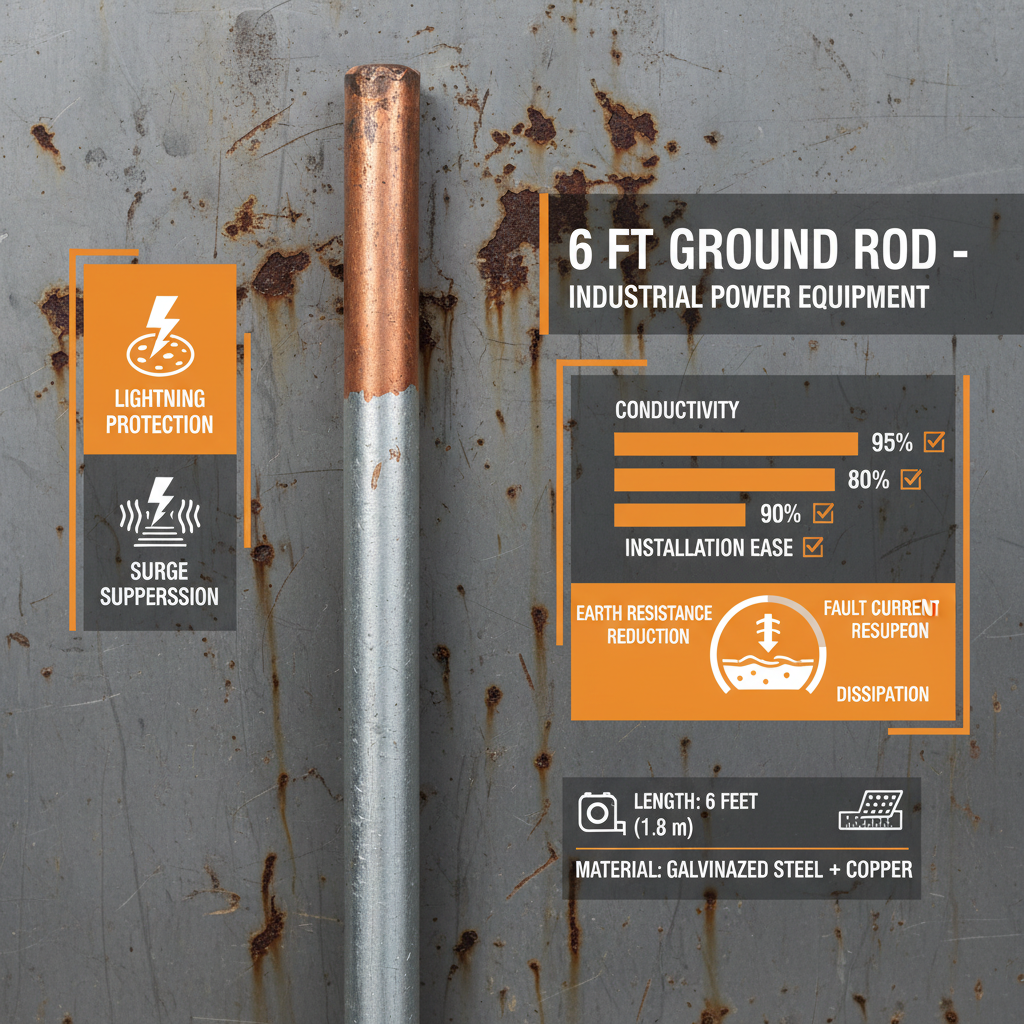
Conclusion: Secure Your Electrical System with the Right Ground Rod
Investing in a high-quality 6 ft ground rod from a reputable supplier like Bilopowtel is a crucial step in ensuring the safety and reliability of your electrical system. Proper grounding protects your equipment, prevents electrical hazards, and provides peace of mind. Don't compromise on safety – choose a ground rod that meets your specific needs and is installed correctly.
Frequently Asked Questions (FAQs)
How deep should a 6 ft ground rod be driven into the ground?
Ideally, a 6 ft ground rod should be driven into the ground until only about 6-12 inches remain exposed. This ensures sufficient contact with the moist soil below, which is essential for effective grounding. However, local electrical codes may have specific requirements, so it’s crucial to check those before installation. If you encounter rocky soil, you may need to use a grounding rod driver to overcome the resistance, but avoid bending the rod during the process.
What is the best type of soil for grounding?
Moist, conductive soil is ideal for grounding. Clay soils generally offer the best conductivity, followed by loam and sandy loam. Dry, sandy, or rocky soils have poor conductivity and may require additional grounding measures, such as using multiple ground rods or a ground ring. Adding moisture to the soil around the ground rod can also improve its effectiveness in drier climates.
Can I use multiple ground rods?
Yes, using multiple ground rods is often recommended, especially in areas with poor soil conductivity. When using multiple rods, they should be spaced at least the length of the rod apart (e.g., 6 feet) and connected together with a bonding wire. This creates a more robust and effective grounding system. Check local electrical codes for specific requirements regarding multiple ground rods.
How often should I inspect my ground rods?
It’s recommended to visually inspect your ground rods at least once a year. Check for corrosion, damage to the rod, and the integrity of the connection to the grounding wire. If you notice any signs of corrosion or damage, replace the ground rod immediately. Periodic testing of the grounding system by a qualified electrician is also recommended to ensure it’s functioning properly.
Latest news
Precision Lifting and Pulling with the Lever Block 0.5 Ton Guide
NewsApr.16,2026
Precision Engineering Guide for High Performance Jet Lever
NewsApr.16,2026
Ultimate Guide to Choosing the Professional Industrial hoist lever
NewsApr.16,2026
Industrial Hoist Lever Chain Guide for Heavy Lifting and Rigging
NewsApr.16,2026
Industrial Lever Hoist Guide for Efficient Lifting and Pulling
NewsApr.16,2026
Ultimate Guide to Hand Ratchet Lift for Heavy Industrial Lifting
NewsApr.16,2026
- CONTACT
- ADDRESS: 188, Fengshou Road, Shijiazhuang. China
- EMAlL: info@bilopowtel.com
- PHONE: 0086-311-88862036
- WHATSAPP: 0086-152-26563165


