



Mar . 05, 2026 01:45 Back to list
Understanding the Significance of a 1 2 Inch Ground Rod for Optimal Safety
Understanding the Importance of a 1 2 Inch Ground Rod
When establishing a safe and effective grounding system, selecting the right ground rod is critical. A 1 2 inch ground rod, often referring to a ground rod with a diameter of 1 inch and a length of 2 feet (though variations exist), plays a vital role in dissipating electrical surges and protecting both equipment and personnel. This article will delve into the benefits, applications, installation, and considerations surrounding the use of a 1 2 inch ground rod, with a focus on ensuring optimal grounding performance. Proper grounding is essential for safety and regulatory compliance in numerous applications.

Why Choose a 1 2 Inch Ground Rod?
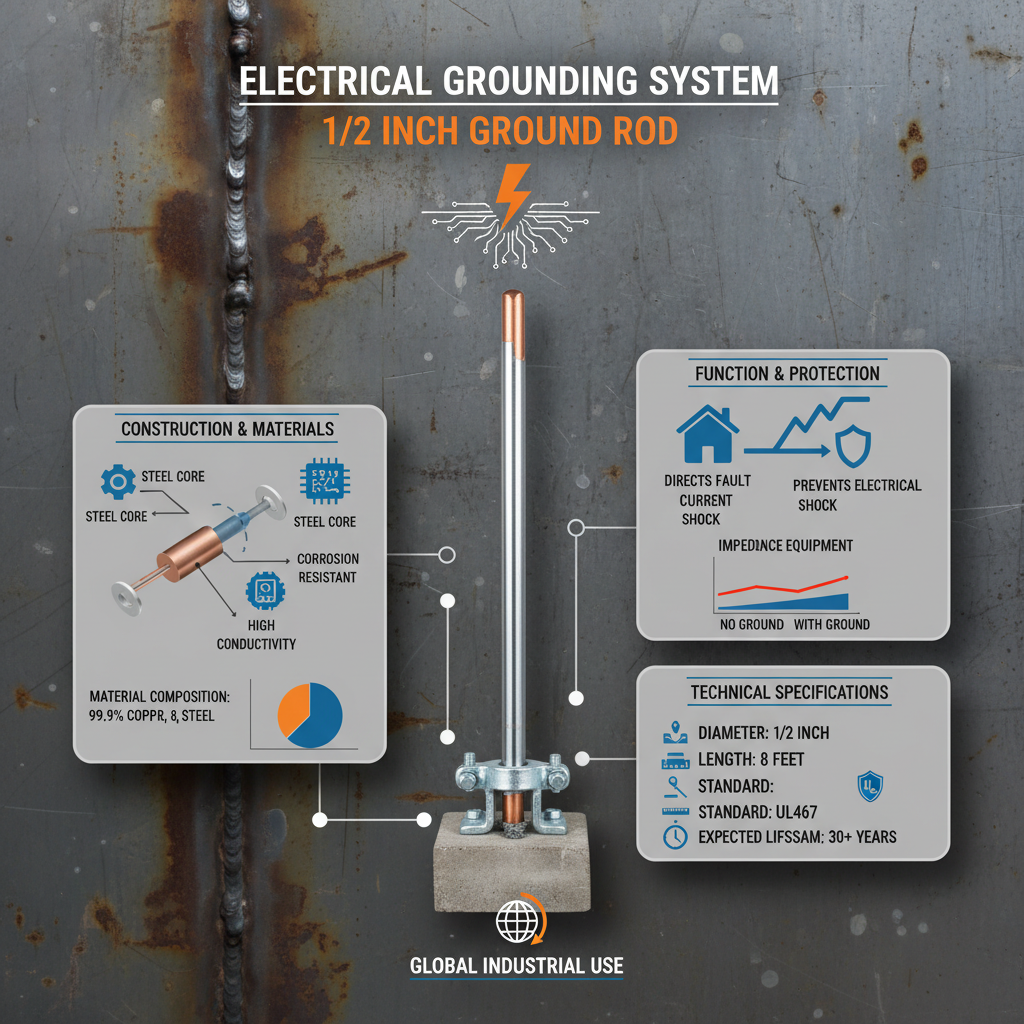
The size of a ground rod directly impacts its ability to dissipate electrical energy. A 1 2 inch ground rod provides a substantial surface area for conducting electricity into the earth. This size is particularly well-suited for residential applications, smaller commercial buildings, and situations where space is limited. Compared to larger diameter rods, a 1 2 inch ground rod offers a balance between effectiveness and ease of installation. They are often constructed from copper-bonded steel, combining the conductivity of copper with the strength and cost-effectiveness of steel. Selecting the right size ground rod is a fundamental step in creating a reliable grounding system.
Key Benefits: Offers a good balance of conductivity, strength, and cost-effectiveness. Suitable for a wide range of applications, particularly residential and small commercial. Easy to install with standard grounding tools.
Applications of a 1 2 Inch Ground Rod
A 1 2 inch ground rod finds application in various scenarios. These include grounding electrical panels, protecting sensitive electronic equipment from power surges, and providing a path for fault current to return to the source. They are commonly used in conjunction with grounding electrodes and grounding conductors to create a comprehensive grounding network. Specific applications include residential electrical systems, telecommunications equipment, lightning protection systems (as part of a larger system), and grounding of metal structures. Utilizing the right ground rod for the specific application ensures the safety and longevity of the connected equipment.
Common Applications:
• Residential Electrical Systems
• Telecommunications Grounding
• Lightning Protection (Supplemental)
• Metal Structure Grounding
1 2 Inch Ground Rod: Comparing Materials and Specifications
Ground rods aren’t created equal. They are made with various materials, each possessing unique characteristics. Copper ground rods offer superior conductivity but are more expensive. Steel ground rods are cost-effective but prone to corrosion. Copper-bonded steel ground rods provide a balance between conductivity and corrosion resistance, making them a popular choice for many applications. When choosing, consider the soil composition (corrosive soils necessitate more robust materials). Here's a comparative look at typical specifications:
Installation Best Practices for a 1 2 Inch Ground Rod
Proper installation is as crucial as selecting the right ground rod. The rod should be driven into the earth vertically to a depth of at least 8 feet, or as dictated by local codes. Ensure the surrounding soil is free of rocks and debris. Connect the ground rod to the grounding electrode conductor using an approved clamp. Multiple ground rods can be connected together to reduce resistance. Always test the grounding system after installation to verify its effectiveness. The National Electrical Code (NEC) provides specific guidelines for grounding system installations.
Ensuring Long-Term Grounding Performance
Maintaining a reliable grounding system requires periodic inspection and maintenance. Regularly check the connections for corrosion and tightness. Verify the grounding resistance using a ground resistance tester. If the resistance is too high, consider adding additional ground rods or improving the soil conductivity. Bilopowtel offers high-quality ground rods and accessories to ensure your grounding system remains effective for years to come. Consistent monitoring is key to long-term safety and performance.
Conclusion: The Foundation of a Safe Electrical System
A properly installed and maintained 1 2 inch ground rod is a critical component of a safe and reliable electrical system. By understanding its applications, materials, and installation best practices, you can ensure optimal protection for your equipment and personnel. Investing in quality grounding products from a trusted supplier like Bilopowtel is a step towards a safer and more secure future.
Frequently Asked Questions (FAQs)
How deep should a 1 2 inch ground rod be driven?
The recommended depth for driving a 1 2 inch ground rod is generally at least 8 feet (2.44 meters). However, local electrical codes may have specific requirements, so it's essential to consult those. The goal is to reach moist soil, as moisture improves conductivity. If the soil is excessively dry or rocky, you may need to drive the rod deeper or use multiple ground rods connected together to achieve adequate grounding resistance. Ensure the top of the rod is at least 6 inches below ground level to prevent accidental damage.
What is acceptable grounding resistance for a 1 2 inch ground rod?
Acceptable grounding resistance varies depending on the application and local electrical codes. Generally, a resistance of 25 ohms or less is considered acceptable for most residential applications. However, in some areas or for specific systems, a lower resistance (e.g., 5 ohms) may be required. Regular testing with a ground resistance tester is crucial to ensure the grounding system meets safety standards and provides effective protection.
Can I use a 1 2 inch ground rod in corrosive soil?
While a 1 2 inch copper-bonded steel ground rod can be used in moderately corrosive soil, it’s generally recommended to use a solid copper ground rod in highly corrosive environments (e.g., soil with high salt content). Copper offers superior corrosion resistance. Additionally, applying a protective coating to the ground rod or surrounding it with a corrosion-resistant material can help extend its lifespan in corrosive soils. Regular inspection is even more critical in these conditions.
Do I need a permit to install a ground rod?
Whether you need a permit to install a ground rod depends on your local regulations. Many jurisdictions require a permit for electrical work, including grounding system installations. Contact your local building department or electrical inspector to determine if a permit is necessary. Working without a required permit can result in fines and safety hazards. It’s always best to comply with local codes and regulations.
Latest news
Precision Lifting and Pulling with the Lever Block 0.5 Ton Guide
NewsApr.16,2026
Precision Engineering Guide for High Performance Jet Lever
NewsApr.16,2026
Ultimate Guide to Choosing the Professional Industrial hoist lever
NewsApr.16,2026
Industrial Hoist Lever Chain Guide for Heavy Lifting and Rigging
NewsApr.16,2026
Industrial Lever Hoist Guide for Efficient Lifting and Pulling
NewsApr.16,2026
Ultimate Guide to Hand Ratchet Lift for Heavy Industrial Lifting
NewsApr.16,2026
- CONTACT
- ADDRESS: 188, Fengshou Road, Shijiazhuang. China
- EMAlL: info@bilopowtel.com
- PHONE: 0086-311-88862036
- WHATSAPP: 0086-152-26563165


