



Mar . 24, 2026 01:45 Back to list
The Critical Role of a Portable Earthing Rod in Electrical Safety and International Projects
Understanding the Importance of a Portable Earthing Rod
In the realm of electrical safety, particularly during maintenance, repair, and operational procedures, the presence of a reliable earthing or grounding system is paramount. A portable earthing rod provides a temporary, yet critically important, connection to the earth, ensuring the safe dissipation of fault currents. This is especially crucial when working on electrical equipment that may be energized or have residual charges. At Bilopowtel, we specialize in providing high-quality, robust, and dependable portable earthing rods designed to protect personnel and equipment. Understanding their function and correct usage is vital for any professional involved in electrical work.
What is a Portable Earthing Rod and Why is it Needed?
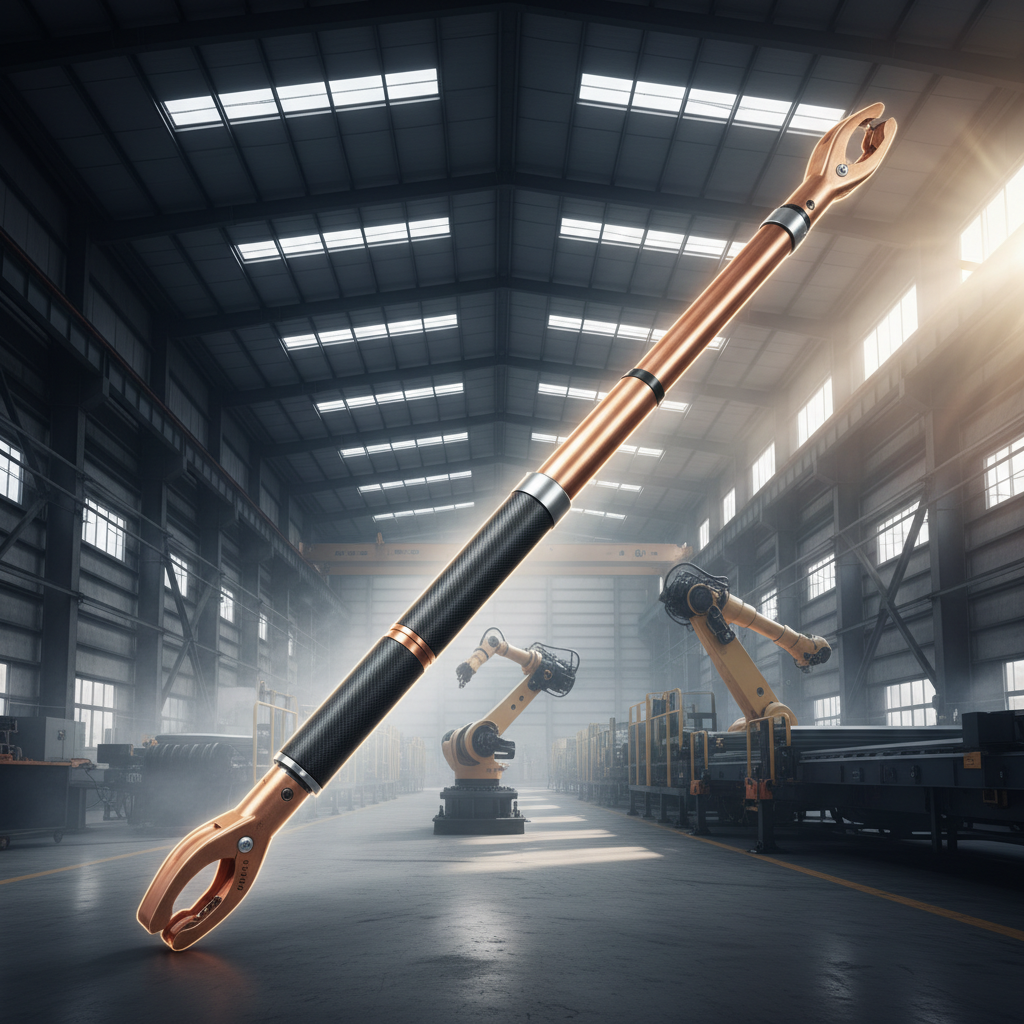
A portable earthing rod is a conductive rod, typically made of copper-clad steel, designed to be driven into the ground to create a temporary electrical connection. Its primary function is to provide a low-resistance path for fault currents to flow to the earth, quickly tripping circuit breakers or fuses and preventing dangerous voltage build-ups. This is essential during maintenance activities on electrical panels, transformers, generators, and other energized equipment. Without proper earthing, the risk of electric shock, arc flash, and equipment damage is significantly increased. The flexibility of a portable system means safety can be established in locations where permanent earthing isn't available or practical. Bilopowtel's earthing rods are engineered for rapid deployment and reliable performance.
Key Benefit: Provides a safe and reliable path for fault currents to dissipate, protecting personnel and equipment from electrical hazards.
Applications of Portable Earthing Rods
The versatility of portable earthing rods makes them indispensable across a wide range of industries. Common applications include:
- Electrical Maintenance: Ensuring safe working conditions during repairs and inspections.
- Power Generation & Distribution: Protecting workers on transformers, switchgear, and power lines.
- Mining & Construction: Grounding heavy machinery and electrical systems in remote locations.
- Petrochemical Industry: Preventing static electricity build-up and potential explosions.
- Railway Maintenance: Providing a safe working environment on railway tracks and signaling systems.
Industries Utilizing Portable Earthing Rods:
• Electrical Utilities
• Construction & Mining
• Petrochemical Plants
• Railway Infrastructure
Comparing Portable Earthing Rod Types
Different portable earthing rod designs are available, each with its own strengths. Key considerations include rod material, length, and connection method. Here's a comparison:
Ensuring Proper Usage and Maintenance
Correct implementation is crucial for the effectiveness of a portable earthing rod. This includes:
- Correct Insertion: Drive the rod fully into the ground, ensuring good contact with the soil.
- Regular Inspection: Check for damage and corrosion before each use.
- Proper Connection: Use appropriate clamps and conductors to connect the rod to the equipment being grounded.
- Soil Conditions: Be aware that soil composition affects grounding resistance – sandy or rocky soil may require longer rods or additional grounding points.
Choosing the Right Portable Earthing Rod – Bilopowtel’s Commitment to Safety
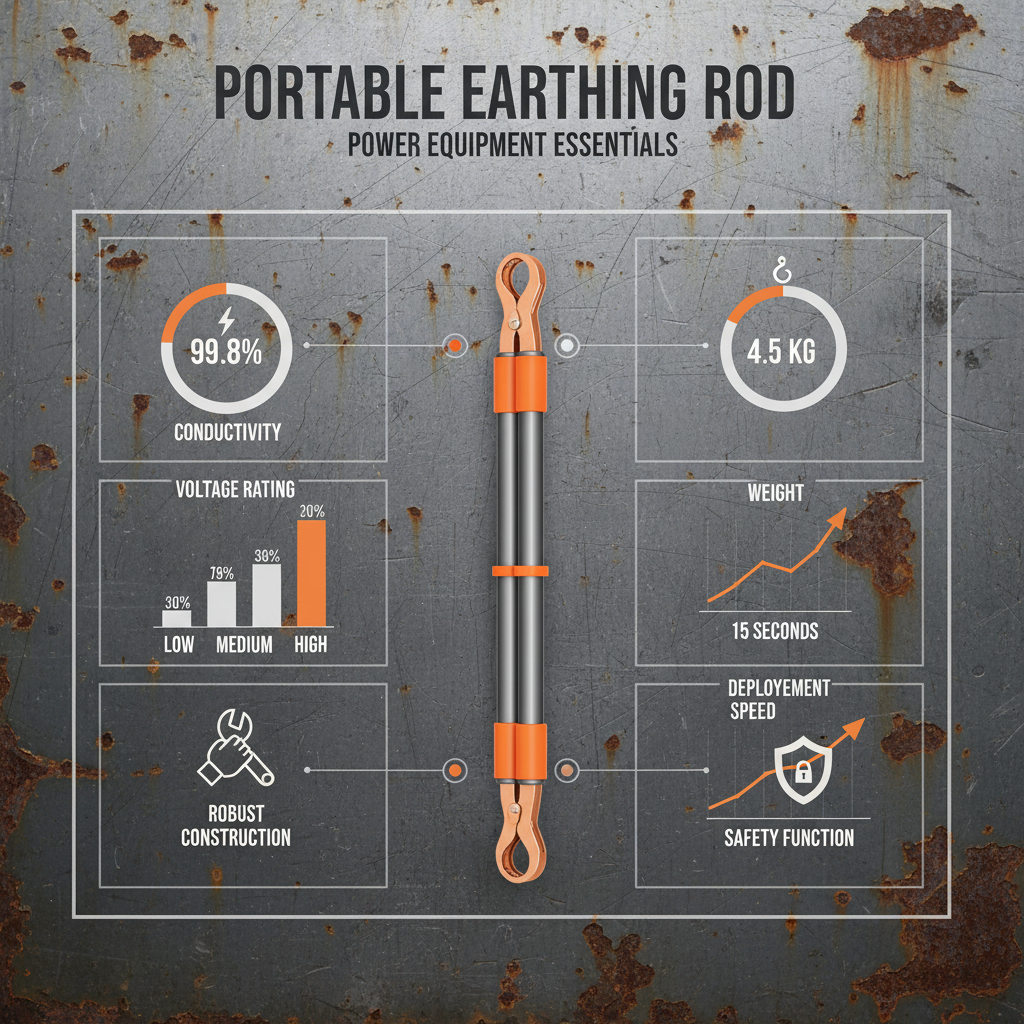
Selecting a portable earthing rod involves considering factors like fault current level, soil resistivity, and the application's specific requirements. Bilopowtel offers a wide range of rods designed to meet diverse needs, all manufactured to the highest quality standards. We are dedicated to providing solutions that enhance electrical safety and protect your valuable assets. Our expert team is available to assist you in selecting the optimal earthing rod for your application.
Conclusion: Investing in Safety with a Reliable Earthing System
Investing in a high-quality portable earthing rod from Bilopowtel is a proactive step towards ensuring a safe working environment and protecting valuable equipment. Don’t compromise on safety – choose a solution you can trust.
Frequently Asked Questions (FAQs)
What is the best way to test the effectiveness of a portable earthing rod?
The most reliable method is using an earth resistance tester. This instrument measures the resistance between the earthing rod and a remote earth stake. Low resistance (typically below 10 ohms, and often lower depending on regulations) indicates a good connection. It’s important to follow the manufacturer’s instructions for the tester and ensure accurate readings by disconnecting any equipment before testing. Regular testing, particularly in variable soil conditions, is recommended to confirm continued effectiveness. Bilopowtel can provide guidance on appropriate testing procedures.
How deep should a portable earthing rod be driven into the ground?
Generally, a portable earthing rod should be driven in until only the handle remains exposed. This usually means at least 600mm (2 feet) into the ground. However, the optimal depth depends on soil conditions. In rocky or sandy soil, it might be necessary to use a longer rod or multiple rods to achieve adequate grounding. The key is to ensure good contact with the damp soil layers beneath the surface. A deeper insertion usually provides lower resistance, but it's not always practical in all environments.
What are the potential consequences of using a faulty or improperly installed portable earthing rod?
Using a faulty or incorrectly installed portable earthing rod can have severe consequences. A poor connection can lead to voltage build-up on equipment, increasing the risk of electric shock to personnel. It may also fail to trip circuit protection devices quickly enough during a fault, leading to equipment damage or even fires. In the event of a lightning strike, inadequate grounding can result in significant damage to electrical systems and a hazardous situation. Always verify the integrity of the rod and connection before use.
Can portable earthing rods be used in all soil types?
While portable earthing rods can be used in most soil types, their effectiveness varies. Sandy or rocky soil offers higher resistance to grounding, requiring longer rods or additional grounding measures. Clay soil generally provides better conductivity. In areas with highly resistive soil, it may be necessary to supplement the portable rod with a ground mat or chemical ground enhancement products to improve the connection. Bilopowtel offers solutions tailored to challenging soil conditions.
Latest news
Precision Lifting and Pulling with the Lever Block 0.5 Ton Guide
NewsApr.16,2026
Precision Engineering Guide for High Performance Jet Lever
NewsApr.16,2026
Ultimate Guide to Choosing the Professional Industrial hoist lever
NewsApr.16,2026
Industrial Hoist Lever Chain Guide for Heavy Lifting and Rigging
NewsApr.16,2026
Industrial Lever Hoist Guide for Efficient Lifting and Pulling
NewsApr.16,2026
Ultimate Guide to Hand Ratchet Lift for Heavy Industrial Lifting
NewsApr.16,2026
- CONTACT
- ADDRESS: 188, Fengshou Road, Shijiazhuang. China
- EMAlL: info@bilopowtel.com
- PHONE: 0086-311-88862036
- WHATSAPP: 0086-152-26563165


