



Apr . 04, 2026 01:45 Back to list
Comprehensive Guide to Lever Operated Chain Hoists for Lifting Solutions
Lever Operated Chain Hoist: A Comprehensive Guide
When it comes to lifting and positioning heavy loads, a reliable and efficient tool is essential. The lever operated chain hoist provides a safe and controlled way to handle materials in various industrial and commercial settings. This article will delve into the features, benefits, applications, and safety considerations surrounding these powerful lifting devices. Understanding the capabilities of a lever hoist is crucial for efficient operations and worker safety.
Understanding Lever Operated Chain Hoists
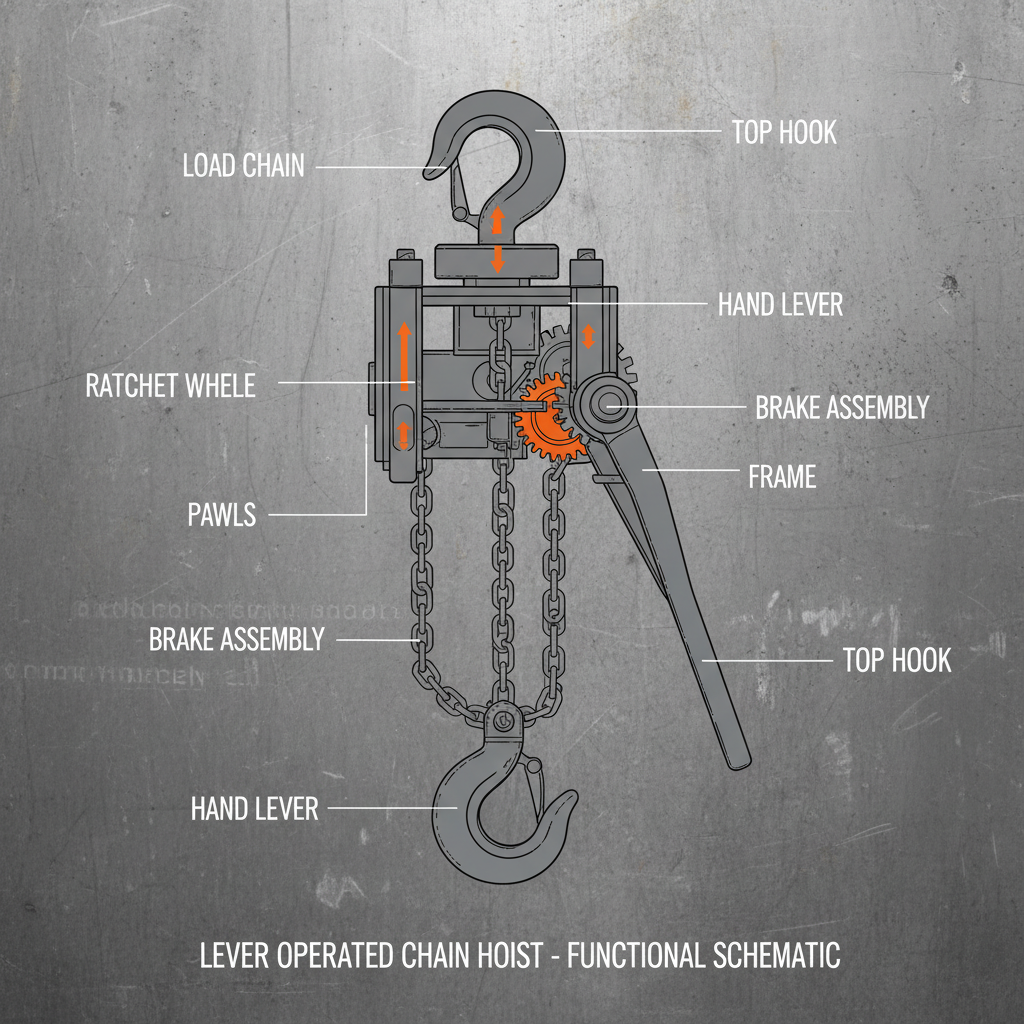
A lever operated chain hoist is a mechanical lifting device that uses a lever action to raise or lower a load. It consists of a hand chain, a lifting chain, a hook, and a robust internal gearing system. The lever allows for precise control, even with heavy loads. These hoists are popular due to their portability, ease of use, and relatively low cost compared to other lifting solutions like electric hoists. They are ideal for situations where power isn't readily available or where precise, manual control is desired. The Bilopowtel chain hoists are designed for durability and reliability.
Key Highlights: Portable, easy to use, requires minimal maintenance, and provides precise lifting control.
Key Features of a Lever Operated Chain Hoist
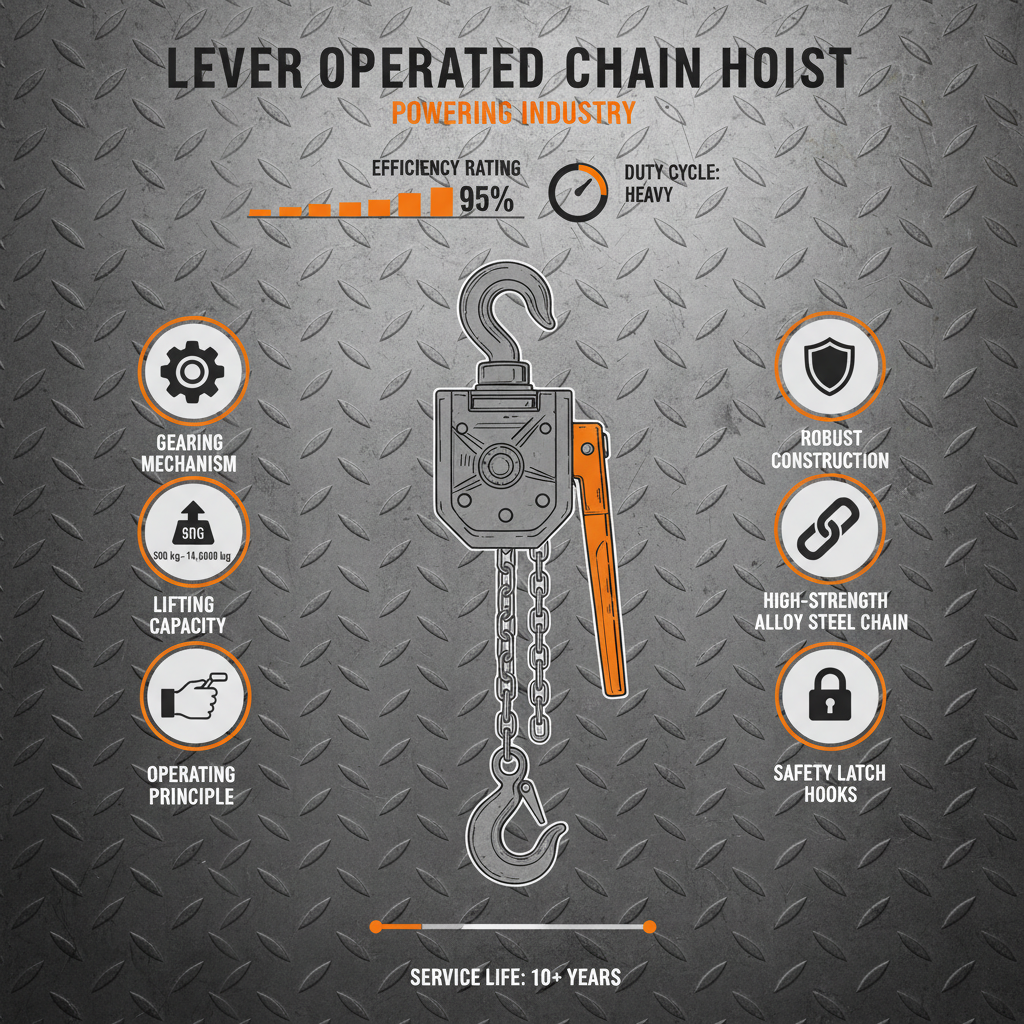
Several key features define a high-quality lever operated chain hoist. These include a durable steel construction for longevity, a geared mechanism for efficient lifting, overload protection to prevent accidents, and ergonomic handles for comfortable operation. The lifting chain is typically made from high-strength alloy steel, ensuring resilience under heavy loads. The hook is designed for secure attachment to the load and features a safety latch to prevent accidental disengagement. The Bilopowtel range offers various load capacities and chain lengths to suit diverse requirements.
Essential Features:
• Durable Steel Construction
• Geared Mechanism for Efficient Lifting
• Overload Protection
• Ergonomic Handles
Lever Operated Chain Hoist vs. Electric Chain Hoist: A Comparison
Choosing between a lever operated chain hoist and an electric chain hoist depends on the specific application. Lever hoists are manual, portable, and require no power source, making them ideal for remote locations or tasks requiring precise control. Electric hoists, on the other hand, are faster and require less physical effort but need a power supply and are generally less portable. Here's a detailed comparison:
Applications of Lever Operated Chain Hoists
Lever operated chain hoists find applications across numerous industries. They are commonly used in construction for lifting materials to higher levels, in manufacturing plants for positioning heavy machinery, in automotive repair shops for engine removal, and in warehousing for loading and unloading goods. They are also valuable tools for maintenance and repair work. The versatility and reliability of Bilopowtel's chain hoists make them a vital component in many operations.
Safety Considerations When Using a Lever Operated Chain Hoist
Safety is paramount when using any lifting equipment. Always inspect the hoist before each use for signs of damage, such as frayed chains, cracked hooks, or malfunctioning gears. Ensure the load is properly secured and balanced before lifting. Never exceed the rated load capacity of the hoist. Avoid shock loading and jerky movements. Wear appropriate personal protective equipment (PPE), including gloves and safety glasses. Proper training is essential for all operators. Refer to the manufacturer's instructions for detailed safety guidelines. Bilopowtel prioritizes safety and provides comprehensive documentation with all its products.
Conclusion: Choosing the Right Lever Operated Chain Hoist
The lever operated chain hoist is a versatile and reliable lifting solution for a wide range of applications. By understanding its features, benefits, and safety considerations, you can ensure efficient and safe operations. Investing in a high-quality hoist from a reputable manufacturer like Bilopowtel is crucial for long-term performance and peace of mind. Don't compromise on safety or efficiency – choose the right lever hoist for your needs.
Frequently Asked Questions (FAQs)
What is the typical lifting capacity of a lever operated chain hoist?
Lever operated chain hoists are available in a wide range of lifting capacities, typically ranging from 1/4 ton (250 kg) to 10 tons (10,000 kg) or even higher. The specific capacity you need depends on the weight of the heaviest load you will be lifting. It's essential to choose a hoist with a capacity that exceeds the maximum load to ensure safe operation and prevent overloading. Bilopowtel offers hoists with varying capacities to suit different applications.
How do I properly inspect a lever operated chain hoist?
Before each use, thoroughly inspect the hoist. Check the lifting chain for wear, corrosion, or damage. Ensure the hook is free of cracks or deformation and that the safety latch is functioning correctly. Examine the lever mechanism for smooth operation and listen for any unusual noises. Verify the hoist's load rating is clearly visible and that it has not been altered. If any damage or defects are found, do not use the hoist and have it inspected by a qualified professional.
What maintenance is required for a lever operated chain hoist?
Regular maintenance is essential for ensuring the longevity and safe operation of your lever hoist. Keep the hoist clean and lubricated. Periodically inspect and lubricate the lifting chain and gears. Store the hoist in a dry environment to prevent corrosion. Avoid dropping the hoist or subjecting it to excessive shock. Bilopowtel recommends following the maintenance schedule outlined in the product manual.
Can a lever hoist be used for lifting people?
Absolutely not. Lever operated chain hoists are designed for lifting materials and equipment only. Using a hoist to lift people is extremely dangerous and violates safety regulations. Dedicated personnel lifts with appropriate safety features must be used for lifting individuals. Never attempt to modify a standard hoist for personnel lifting purposes.
Latest news
Precision Lifting and Pulling with the Lever Block 0.5 Ton Guide
NewsApr.16,2026
Precision Engineering Guide for High Performance Jet Lever
NewsApr.16,2026
Ultimate Guide to Choosing the Professional Industrial hoist lever
NewsApr.16,2026
Industrial Hoist Lever Chain Guide for Heavy Lifting and Rigging
NewsApr.16,2026
Industrial Lever Hoist Guide for Efficient Lifting and Pulling
NewsApr.16,2026
Ultimate Guide to Hand Ratchet Lift for Heavy Industrial Lifting
NewsApr.16,2026
- CONTACT
- ADDRESS: 188, Fengshou Road, Shijiazhuang. China
- EMAlL: info@bilopowtel.com
- PHONE: 0086-311-88862036
- WHATSAPP: 0086-152-26563165


