



Mar . 19, 2026 01:45 Back to list
Choosing the Optimal Grounding Rod and Cable for Safety and Performance
Choosing the Right Grounding Rod and Cable for Effective Grounding
Effective grounding is critical for safety and equipment protection in numerous applications, from electrical systems to telecommunications. The proper selection of a grounding rod and cable is paramount to achieving a reliable and low-resistance ground connection. This article will explore the key considerations when choosing these essential components, providing insights into materials, sizes, and applications. Understanding the nuances of grounding systems is vital for preventing electrical hazards and ensuring the longevity of your equipment. We will help you navigate the options available and make informed decisions for your specific needs.
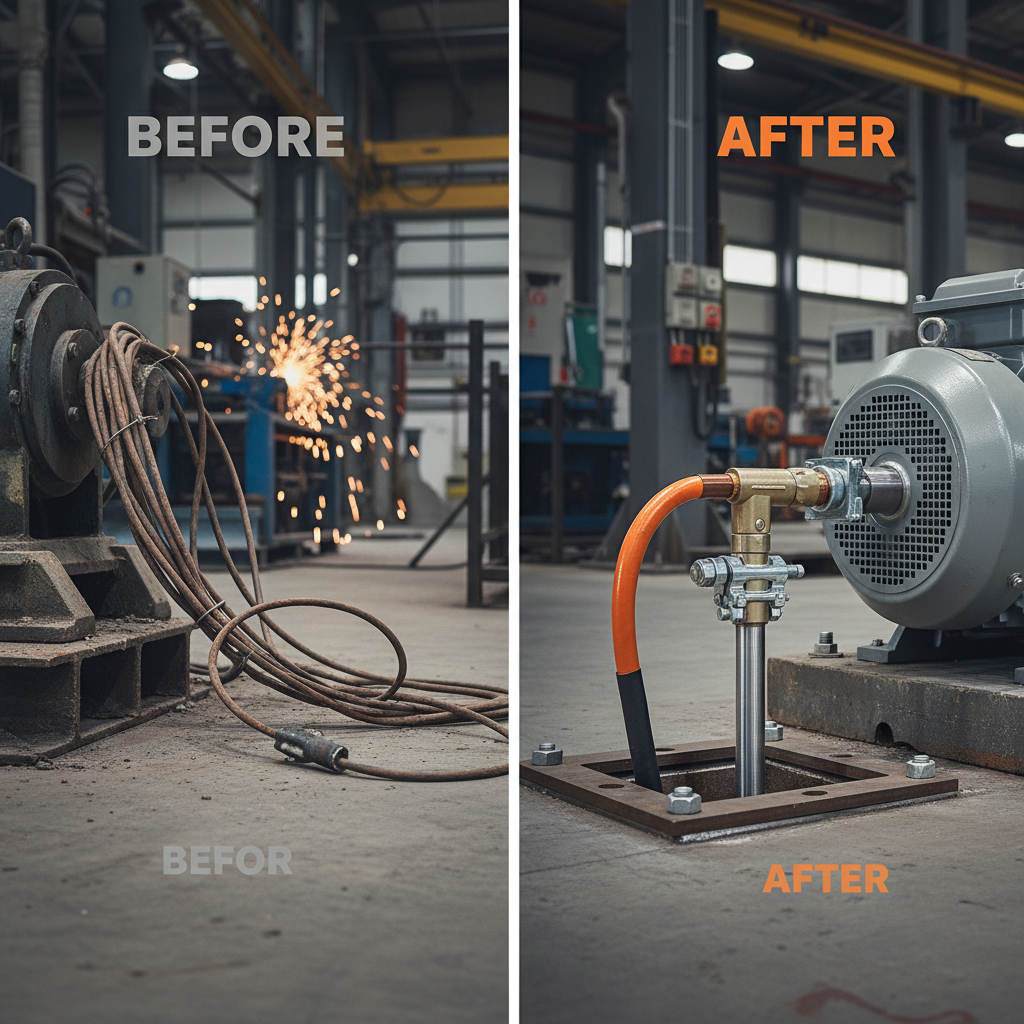
Understanding Grounding Rod Materials
Grounding rods come in various materials, each with its strengths and weaknesses. Copper-clad steel is a popular choice due to its excellent conductivity and corrosion resistance, offering a balance of performance and cost-effectiveness. Solid copper rods provide superior conductivity but are more expensive and can be softer, making them prone to damage. Galvanized steel rods are the most affordable option but have higher resistance and are more susceptible to corrosion over time. The ideal material depends on the soil conditions, budget, and the criticality of the grounding application. Bilo Powtel offers a comprehensive selection of grounding rods in all these materials.
Key Highlights: Choosing the right grounding rod material depends on factors like soil conditions, budget and criticality of the application. Copper-clad steel is generally recommended for its balance of performance and cost.
Grounding Cable: Selecting the Right Gauge and Type
The grounding cable connects the grounding rod to the equipment or system needing protection. The cable gauge (thickness) is crucial; a larger gauge (lower AWG number) provides lower resistance and can handle higher fault currents. Copper cable is the preferred material for its excellent conductivity and flexibility. Aluminum cable can be used in some applications but has lower conductivity and is more prone to corrosion. The cable type should be appropriate for the environment – for example, using THHN/THWN cable for direct burial applications. Always consult local electrical codes to ensure compliance.
Grounding Cable Considerations:
• Larger gauge cables offer lower resistance.
• Copper is the preferred material for its conductivity.
• Cable type must suit the environment.
• Always comply with local electrical codes.
Grounding Rod and Cable: A Comparative Overview
Choosing between different materials and cable gauges can be complex. The following table provides a comparative overview to aid in your decision-making process. Remember that specific requirements will vary depending on the application and local regulations. Proper grounding is not just about meeting minimum standards; it’s about ensuring a safe and reliable system.
Applications Requiring Robust Grounding Systems
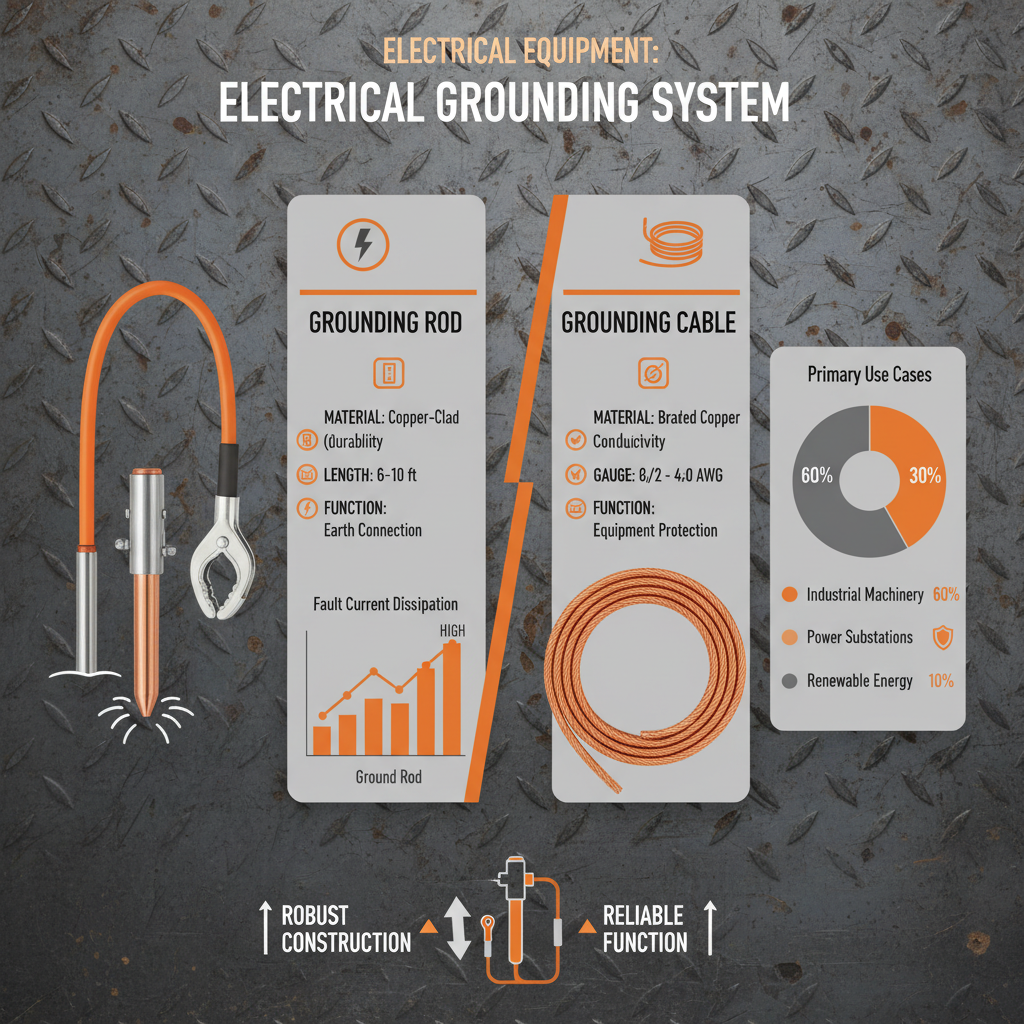
Certain applications demand particularly robust grounding systems. These include lightning protection systems, where a low-impedance ground path is vital for safely dissipating lightning strikes. Telecommunication towers require reliable grounding to protect sensitive equipment from surges and interference. Industrial facilities with heavy machinery and large electrical loads also necessitate comprehensive grounding solutions to ensure worker safety and prevent equipment damage. Bilo Powtel provides custom grounding solutions tailored to these demanding applications.
Grounding System Installation Best Practices
Proper installation is as important as selecting the right components. Ensure the grounding rod is driven to the recommended depth for your soil type. Use approved connectors to securely attach the grounding cable to the rod and the equipment. Regularly inspect the grounding system for corrosion or damage. Employ a qualified electrician for installation and maintenance to ensure compliance with all applicable codes and standards. Contact Bilo Powtel for expert advice and support.
Conclusion: Ensuring Safety and Reliability with Proper Grounding
Investing in high-quality grounding rods and cables, combined with professional installation and regular maintenance, is essential for protecting your equipment and ensuring the safety of personnel. Don't compromise on grounding – it's a critical component of any electrical or telecommunications system.
Frequently Asked Questions (FAQs)
What depth should a grounding rod be driven into the ground?
The recommended depth varies depending on soil type and local regulations, but generally, a grounding rod should be driven at least 8 feet (2.4 meters) into the ground. In rocky soil, driving to 8 feet may not be possible, so an alternative grounding method may be required. Always consult local electrical codes for specific requirements. A deeper rod provides a larger contact area with the earth, resulting in lower resistance.
How do I test the effectiveness of my grounding system?
The effectiveness of a grounding system can be tested using a ground resistance tester. This instrument measures the resistance between the grounding electrode and a remote earth stake. A low resistance reading indicates a good ground connection. Regular testing (at least annually) is recommended to ensure the grounding system remains effective. A qualified electrician should perform the testing and interpretation of the results.
Can I use multiple grounding rods to improve grounding?
Yes, using multiple grounding rods can significantly improve the effectiveness of the grounding system, especially in areas with high soil resistivity. Grounding rods should be spaced at least the length of the rod itself apart and interconnected with a grounding conductor to create a grounding grid. This provides a larger contact area with the earth and reduces overall ground resistance.
What is the importance of using approved connectors for grounding?
Using approved connectors specifically designed for grounding is crucial for ensuring a secure and low-resistance connection. Ordinary connectors may not be suitable for grounding applications and can corrode over time, increasing resistance and compromising the effectiveness of the grounding system. Approved connectors are typically made from corrosion-resistant materials and are designed to provide a reliable electrical connection.
Latest news
Precision Lifting and Pulling with the Lever Block 0.5 Ton Guide
NewsApr.16,2026
Precision Engineering Guide for High Performance Jet Lever
NewsApr.16,2026
Ultimate Guide to Choosing the Professional Industrial hoist lever
NewsApr.16,2026
Industrial Hoist Lever Chain Guide for Heavy Lifting and Rigging
NewsApr.16,2026
Industrial Lever Hoist Guide for Efficient Lifting and Pulling
NewsApr.16,2026
Ultimate Guide to Hand Ratchet Lift for Heavy Industrial Lifting
NewsApr.16,2026
- CONTACT
- ADDRESS: 188, Fengshou Road, Shijiazhuang. China
- EMAlL: info@bilopowtel.com
- PHONE: 0086-311-88862036
- WHATSAPP: 0086-152-26563165


