



Apr . 16, 2026 01:45 Back to list
Industrial Hoist Lever Chain Guide for Heavy Lifting and Rigging
Mastering Heavy Lifting: The Ultimate Guide to the Hoist Lever Chain
In the world of industrial lifting and rigging, precision and reliability are non-negotiable. The hoist lever chain serves as a critical tool for professionals who need to move heavy loads in confined spaces or perform high-tension pulling operations. Unlike standard electric hoists, the lever hoist provides manual control and immense power, making it indispensable for construction, shipbuilding, and maintenance. Understanding how to choose and operate this equipment is essential for ensuring both operational efficiency and workplace safety. In this guide, we will explore the technical nuances and practical applications of this powerhouse tool.
Core Mechanics of a Hoist Lever Chain
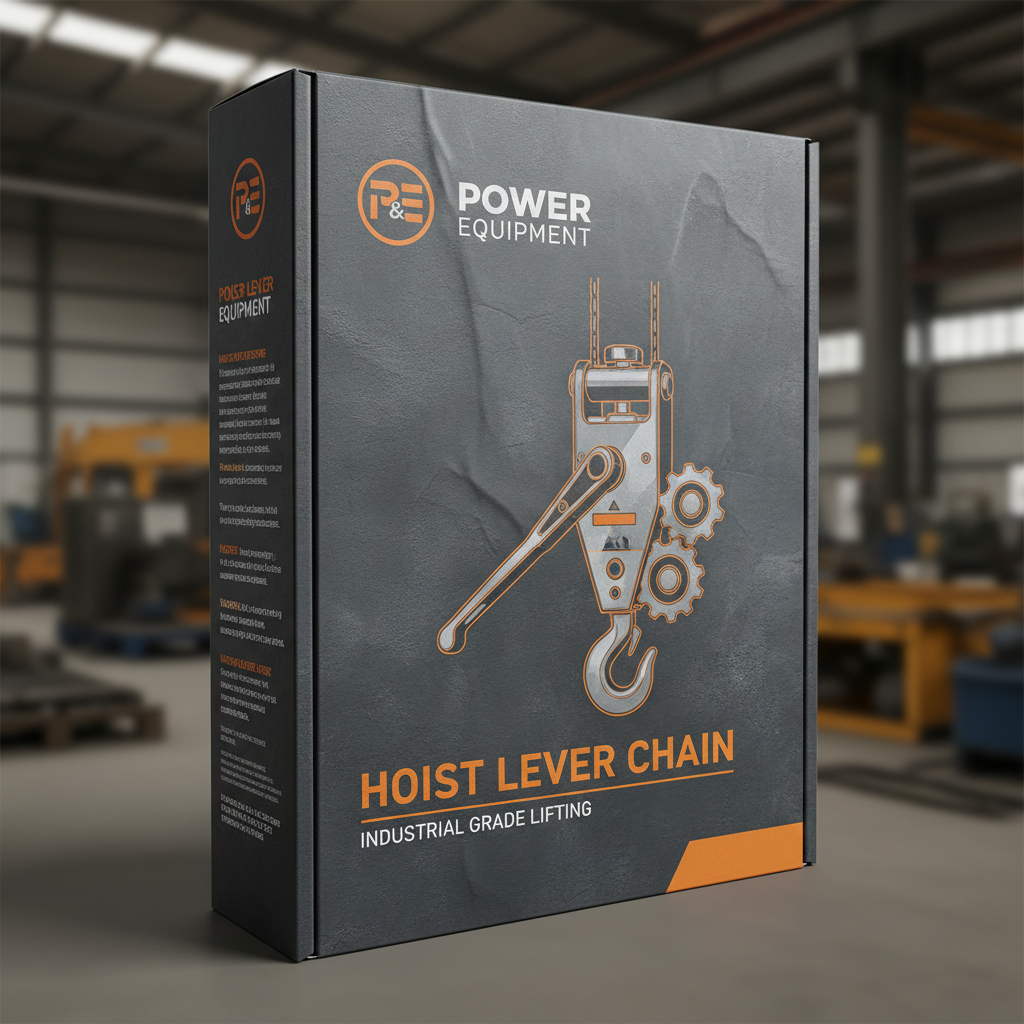
A hoist lever chain operates on a ratchet-and-pawl mechanism. When the operator pumps the lever handle, the internal gears convert the reciprocating motion into a linear pull of the load chain. This allows for a high mechanical advantage, enabling a single operator to lift several tons with relatively low physical effort. The braking system is typically automatic, meaning the load is held securely in place the moment the lever stops moving, preventing accidental slips. This mechanical simplicity is what makes the lever hoist so durable and reliable in harsh industrial environments.
Pro Tip: Always ensure the chain is properly seated in the pocket before applying tension to avoid "jumping" or chain misalignment, which can lead to equipment failure.
Choosing the Right Hoist Lever Chain Capacity
Selecting the correct capacity is the most critical step in the procurement process. Overloading a hoist lever chain can lead to catastrophic failure, while under-specifying may result in unnecessary bulk and weight. Most industrial hoists range from 0.25 tons to 6 tons. When determining your needs, always calculate the total weight of the load, including the rigging hardware (shackles, slings, etc.), and apply a safety factor. High-grade alloy steel chains are typically used to ensure a high strength-to-weight ratio, allowing for maximum portability without sacrificing safety.
Lever Hoists vs. Chain Block Hoists: A Comparison
While both are manual lifting tools, the hoist lever chain differs significantly from the standard chain block (come-along). The primary difference lies in the direction of force and the method of operation. Lever hoists are superior for pulling horizontally or lifting in tight spaces where there is no room for a hand-chain loop. Chain blocks are generally more efficient for purely vertical lifts over long distances. Below is a detailed comparison to help you decide which tool fits your specific job site requirement.
Essential Maintenance for a Hoist Lever Chain
To ensure the longevity and safety of your hoist lever chain, a strict maintenance schedule is required. Lubrication is the most critical factor; the load chain and internal gears must be kept free of rust and friction to prevent wear. Regularly inspect the chain for elongated links, nicks, or twisting. Any chain showing signs of deformation must be replaced immediately. Furthermore, ensure the hooks are not bent and the safety latches are functioning correctly. A well-maintained hoist not only lasts longer but significantly reduces the risk of on-site accidents.
Maintenance Checklist:
• Apply industrial-grade lubricant to the chain every 50 hours of use
• Check for "chain stretch" using a calibrated gauge
• Inspect the lever handle for cracks or bending
• Verify the integrity of the safety latches on both hooks
Technical Specifications of Industrial Hoists
When sourcing a hoist lever chain, it is vital to look at the technical data sheet to ensure the equipment meets the safety standards of your region (such as ASME or CE). The following table outlines the typical specifications found in professional-grade lever hoists, highlighting the relationship between capacity and chain dimensions.
Conclusion: Optimizing Your Workflow with the Right Lever Hoist
The hoist lever chain is more than just a lifting tool; it is a precision instrument that ensures safety and efficiency in the most demanding environments. By selecting the appropriate capacity, adhering to a strict maintenance regimen, and understanding the mechanical advantages of lever-driven systems, businesses can significantly reduce downtime and risk. Whether you are tensioning a structural beam or lifting heavy machinery, investing in high-quality gear from a trusted provider is the only way to guarantee long-term success. Prioritize quality and safety above all else.
Frequently Asked Questions (FAQs)
Can a hoist lever chain be used for horizontal pulling?
Yes, one of the primary advantages of a hoist lever chain is its versatility in both vertical and horizontal applications. This makes it ideal for pulling loads into position or tensioning cables. However, when pulling horizontally, it is crucial to ensure that the hoist is securely anchored to a stable point and that the chain is not subjected to side-loading, which can cause the chain to slip or the hoist body to twist. Always use a proper shackle for anchoring to distribute the force evenly.
How do I know when to replace the load chain?
The load chain should be replaced if any of the following conditions are met: visible wear or thinning of the links (exceeding 10% of original diameter), significant corrosion, nicks or gouges in the metal, or if the chain has become "stretched" (elongated links). Most professionals use a chain gauge to measure the pitch of the links. If the distance between links has increased beyond the manufacturer's specified limit, the chain's structural integrity is compromised. Never attempt to weld or repair a load chain; always replace it with a certified original part.
What is the difference between Grade 80 and Grade 100 chains?
The "Grade" refers to the tensile strength of the alloy steel. Grade 80 is the industry standard for most hoist lever chain units, offering a great balance of strength and durability. Grade 100 is a higher-strength alloy that allows for a smaller chain diameter to lift the same weight, reducing the overall weight of the hoist. While Grade 100 is stronger, Grade 80 remains highly popular due to its cost-effectiveness and wide availability. Always check your hoist's rating to ensure you are using the correct grade of replacement chain.
Is it safe to use a lever hoist for long-term suspension?
While a lever hoist is designed to hold a load securely via its internal brake, it is generally not recommended for permanent or long-term suspension of a load. Lever hoists are intended for positioning, lifting, and tensioning. For long-term suspension, you should transition the load to a dedicated support system, such as permanent beams, clamps, or specialized suspension slings. Prolonged tension on the brake and chain can lead to fatigue over time, and the risk of accidental release (though low) increases over long periods of inactivity.
Latest news
Precision Lifting and Pulling with the Lever Block 0.5 Ton Guide
NewsApr.16,2026
Precision Engineering Guide for High Performance Jet Lever
NewsApr.16,2026
Ultimate Guide to Choosing the Professional Industrial hoist lever
NewsApr.16,2026
Industrial Hoist Lever Chain Guide for Heavy Lifting and Rigging
NewsApr.16,2026
Industrial Lever Hoist Guide for Efficient Lifting and Pulling
NewsApr.16,2026
Ultimate Guide to Hand Ratchet Lift for Heavy Industrial Lifting
NewsApr.16,2026
- CONTACT
- ADDRESS: 188, Fengshou Road, Shijiazhuang. China
- EMAlL: info@bilopowtel.com
- PHONE: 0086-311-88862036
- WHATSAPP: 0086-152-26563165


