



Mar . 12, 2026 01:45 Back to list
Comprehensive Guide to GI Earthing Rods for Electrical Safety and Grounding Systems
Understanding GI Earthing Rods: A Comprehensive Guide
Grounding, or earthing, is a crucial aspect of electrical safety, protecting individuals and equipment from dangerous voltage surges. A GI earthing rod (Galvanized Iron earthing rod) is a vital component of an effective earthing system. This article provides an in-depth look at GI earthing rods, their applications, installation, standards, and benefits, offering insights for electrical professionals, contractors, and anyone interested in electrical safety. Proper grounding isn't merely a safety measure; it’s often a legal requirement, ensuring a secure and compliant electrical infrastructure. Learn more about our range of earthing solutions at Bilopowtel.
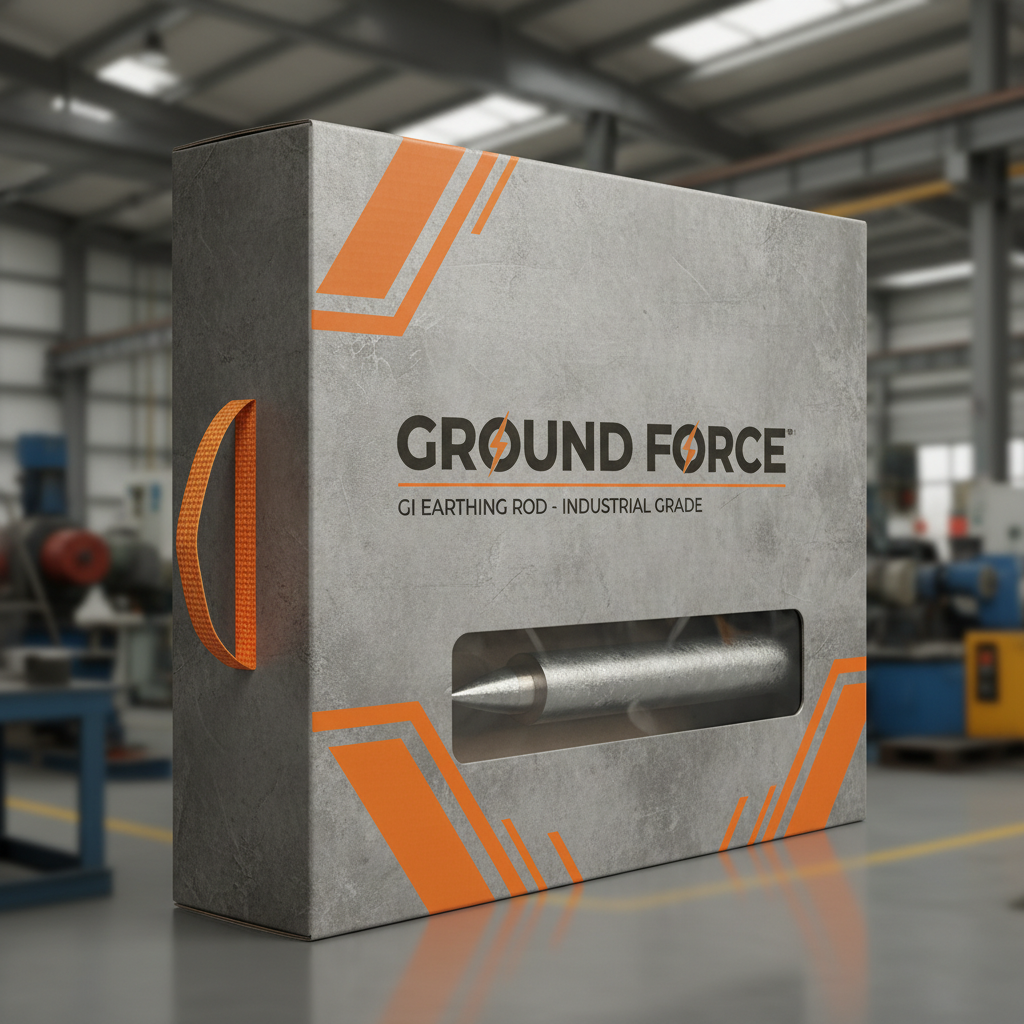
What is a GI Earthing Rod and Why is it Important?
A GI earthing rod is a solid, metallic rod made of galvanized iron, designed to be driven into the earth to provide a low-resistance path for fault currents. Galvanization—coating the iron with zinc—protects the rod from corrosion, ensuring long-term effectiveness. Its primary function is to safely dissipate electrical energy in the event of a fault, preventing electric shock, fire hazards, and damage to electrical equipment. The rod connects to the electrical system through a grounding conductor, creating a pathway for stray currents to flow back to the source and trip circuit breakers or fuses. Without a proper earthing system, voltage can build up on metal enclosures, creating a dangerous situation.
Key Benefits: Provides a safe path for fault currents, protects personnel from electric shock, prevents damage to electrical equipment, and ensures the reliable operation of electrical systems.
GI Earthing Rods: Types and Specifications
GI earthing rods are available in various lengths and diameters to suit different soil conditions and grounding requirements. Common lengths range from 1.5 meters to 3.0 meters, and diameters typically vary from 12mm to 25mm. Different types include solid rods, hollow rods, and copper-clad steel rods. Solid rods offer excellent conductivity but can be more difficult to drive into hard ground. Hollow rods are easier to drive but may have a slightly higher resistance. Copper-clad steel rods combine the strength of steel with the conductivity of copper, providing a good balance of properties. You can find detailed specifications of our GI earthing rods at Bilopowtel's product catalog.
Installation Best Practices for GI Earthing Rods
Proper installation is paramount for the effectiveness of a GI earthing rod. First, choose a location with consistently moist soil. Drive the rod vertically into the ground using a grounding rod driver until only a small portion remains exposed. Ensure the rod is connected to the grounding conductor using an approved clamp. A watering schedule is recommended in dry climates to maintain soil moisture around the rod. Multiple rods can be connected in parallel to reduce overall resistance, particularly in areas with poor soil conductivity. Finally, regularly inspect the connections for corrosion and tightness.
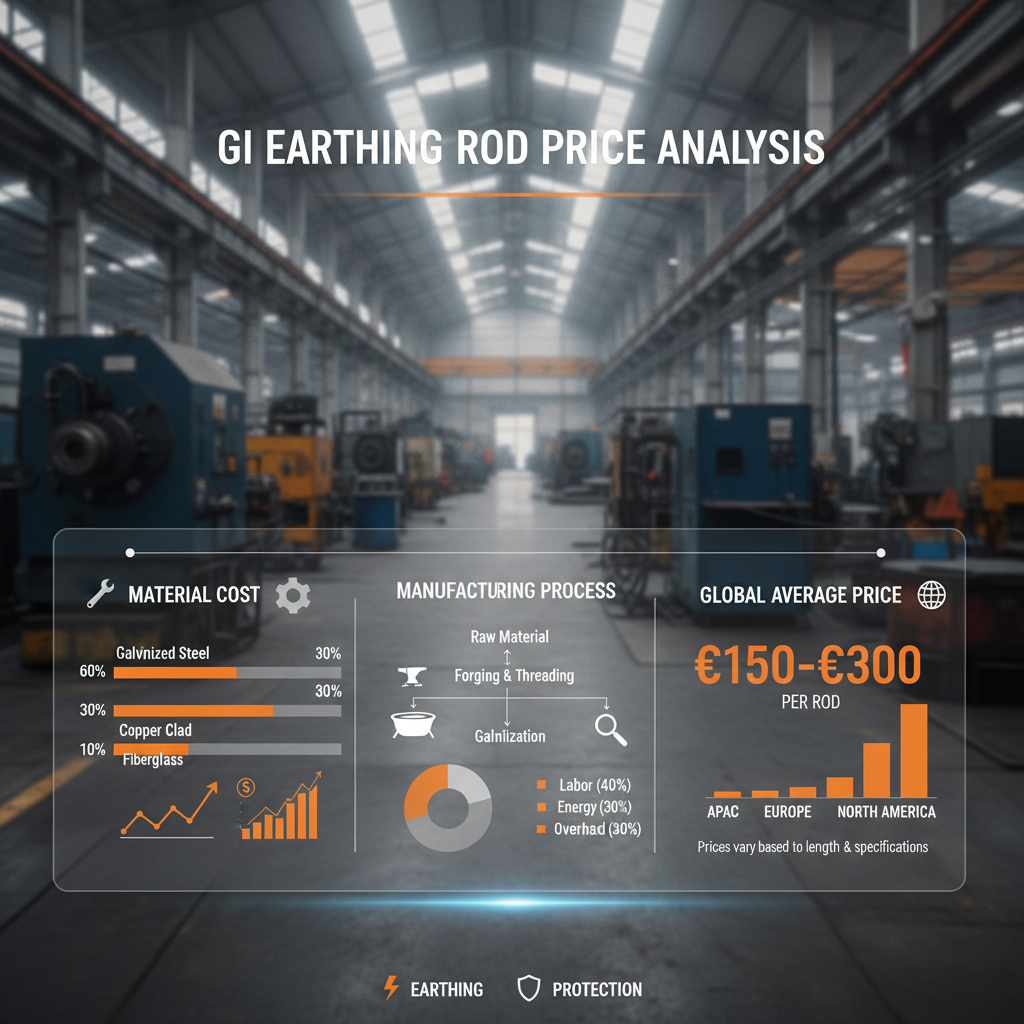
Standards and Regulations for Earthing Systems
Earthing systems must comply with relevant national and international standards to ensure safety and effectiveness. Common standards include IEC 62305 (Protection against lightning) and local electrical codes. These standards specify requirements for grounding electrode resistance, conductor sizing, and connection methods. Regular testing and inspection of the earthing system are also essential to verify its continued compliance and functionality. Bilopowtel ensures all our GI earthing rods meet these stringent standards.
Choosing the Right GI Earthing Rod: Key Considerations
Selecting the appropriate GI earthing rod depends on several factors, including soil resistivity, fault current levels, and system voltage. Areas with high soil resistivity require longer rods or multiple rods connected in parallel. Higher fault current levels necessitate larger diameter rods and more robust connections. Consult with a qualified electrical engineer to determine the optimal earthing solution for your specific application. Bilopowtel's team can provide expert guidance to ensure you choose the best rod for your needs.
Conclusion: Ensuring Electrical Safety with Reliable Grounding
A properly installed and maintained GI earthing rod is a fundamental component of electrical safety. By providing a low-resistance path for fault currents, it protects people, equipment, and property from the dangers of electrical hazards. Investing in high-quality earthing rods and adhering to best practices for installation and maintenance are essential for a safe and reliable electrical system. Explore the wide range of GI earthing rods available at Bilopowtel and ensure your electrical infrastructure is protected.
Frequently Asked Questions (FAQs)
What is the recommended earthing resistance value?
The ideal earthing resistance value depends on the system's voltage and fault current levels. However, a generally accepted guideline is to maintain an earthing resistance of less than 5 ohms. In some cases, particularly for sensitive electronic equipment, lower resistance values (e.g., less than 1 ohm) may be required. Regular testing is crucial to verify the earthing resistance and ensure it remains within acceptable limits. If the resistance is too high, consider adding additional earthing rods or improving the soil conductivity.
How often should earthing systems be inspected?
Earthing systems should be visually inspected at least annually, and a comprehensive electrical safety audit, including earthing resistance testing, should be performed every 3-5 years, or more frequently in harsh environments. During inspection, check for corrosion on connections, damage to the earthing rod, and proper grounding conductor integrity. Document all inspection results and address any deficiencies promptly.
Can I use copper earthing rods instead of GI rods?
Yes, copper earthing rods are a viable alternative to GI rods. Copper has higher conductivity, resulting in lower earthing resistance. However, copper is more expensive and prone to theft. GI rods offer a cost-effective and durable solution, particularly when properly galvanized to resist corrosion. The choice between copper and GI depends on budget, security concerns, and specific application requirements.
What is the role of a grounding conductor?
The grounding conductor serves as the electrical connection between the electrical system and the earthing electrode (GI earthing rod). It provides a low-impedance path for fault currents to flow to the earth, triggering protective devices like circuit breakers or fuses to interrupt the power supply and prevent electrical shock. The grounding conductor must be of adequate size and material to handle the potential fault current.
Latest news
Precision Lifting and Pulling with the Lever Block 0.5 Ton Guide
NewsApr.16,2026
Precision Engineering Guide for High Performance Jet Lever
NewsApr.16,2026
Ultimate Guide to Choosing the Professional Industrial hoist lever
NewsApr.16,2026
Industrial Hoist Lever Chain Guide for Heavy Lifting and Rigging
NewsApr.16,2026
Industrial Lever Hoist Guide for Efficient Lifting and Pulling
NewsApr.16,2026
Ultimate Guide to Hand Ratchet Lift for Heavy Industrial Lifting
NewsApr.16,2026
- CONTACT
- ADDRESS: 188, Fengshou Road, Shijiazhuang. China
- EMAlL: info@bilopowtel.com
- PHONE: 0086-311-88862036
- WHATSAPP: 0086-152-26563165


