



Feb . 24, 2026 11:00 Back to list
Understanding the Versatility and Safety of Flexible Earth Wire Solutions
Understanding the Versatility of Flexible Earth Wire
In electrical installations, ensuring safety and reliability is paramount. Flexible earth wire plays a crucial role in protecting individuals and equipment from electrical faults. This article will delve into the properties, applications, and benefits of flexible earth wire, providing a comprehensive guide for professionals and DIY enthusiasts alike. We'll explore why choosing the right earth wire is essential for a secure electrical system and outline the key features to look for when making a purchase.
What is Flexible Earth Wire?
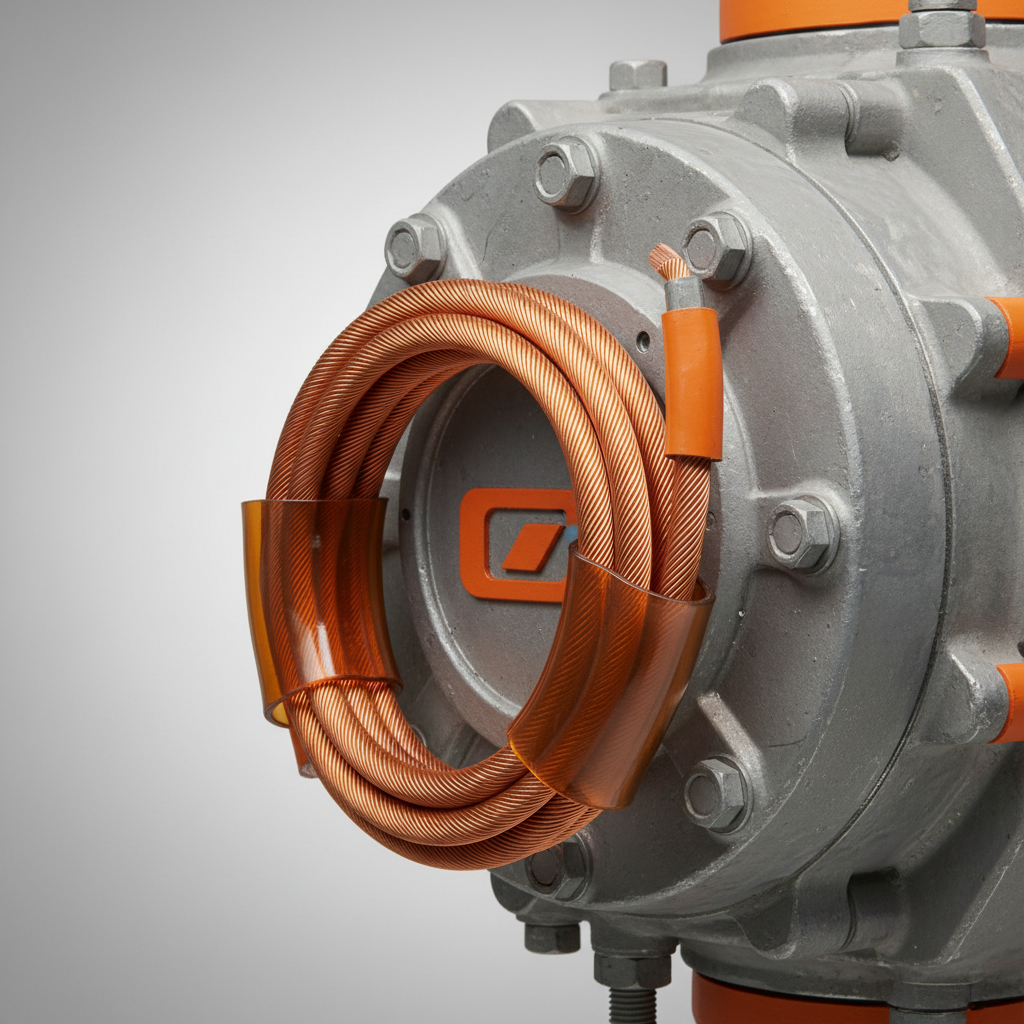
Flexible earth wire, also known as grounding wire, is a conductor used to create a low-resistance path for fault currents to flow back to the source. This prevents electrical shock and damage to equipment. Unlike rigid wires, flexible earth wire is constructed with stranded conductors, making it more pliable and easier to work with in complex installations. The flexibility is particularly important in applications where the wire needs to bend around corners or be moved frequently. It’s a critical component in maintaining a safe and functioning electrical system. Bilo Powtel offers a wide range of high-quality flexible earth wire solutions.
Key Benefit: Increased safety through effective fault current grounding, reducing the risk of electrical shock and fire.
The Importance of Flexibility in Earth Wires
The flexibility of earth wire isn't merely about ease of installation. It’s about long-term reliability. Rigid wires, when repeatedly bent, can become brittle and prone to breaking. This can compromise the grounding path and create a safety hazard. Flexible earth wire maintains its conductivity even after being bent and twisted, ensuring a consistent and reliable grounding connection. This is especially important in environments prone to vibration or movement, such as machinery or transportation systems. Choosing a flexible wire minimizes the risk of connection failure over time.
Benefits of Flexibility:
• Easier installation in tight spaces
• Reduced risk of breakage due to bending
• Improved long-term reliability
• Enhanced safety in vibrating environments
Flexible Earth Wire vs. Rigid Earth Wire: A Detailed Comparison
While both flexible and rigid earth wires serve the same fundamental purpose, their characteristics and suitability vary. Rigid wires are typically less expensive but lack the adaptability required for many modern installations. Flexible wires, while generally costing more upfront, offer superior reliability and ease of use. Here’s a comparative table:
Common Applications of Flexible Earth Wire
Flexible earth wire is used in a wide range of applications, including: machinery grounding, appliance connections, electrical panels, automotive wiring, and renewable energy systems. Its versatility makes it an indispensable component in both residential and industrial settings. Bilo Powtel provides flexible earth wire solutions for all these applications and more.
Choosing the Right Flexible Earth Wire: Key Specifications
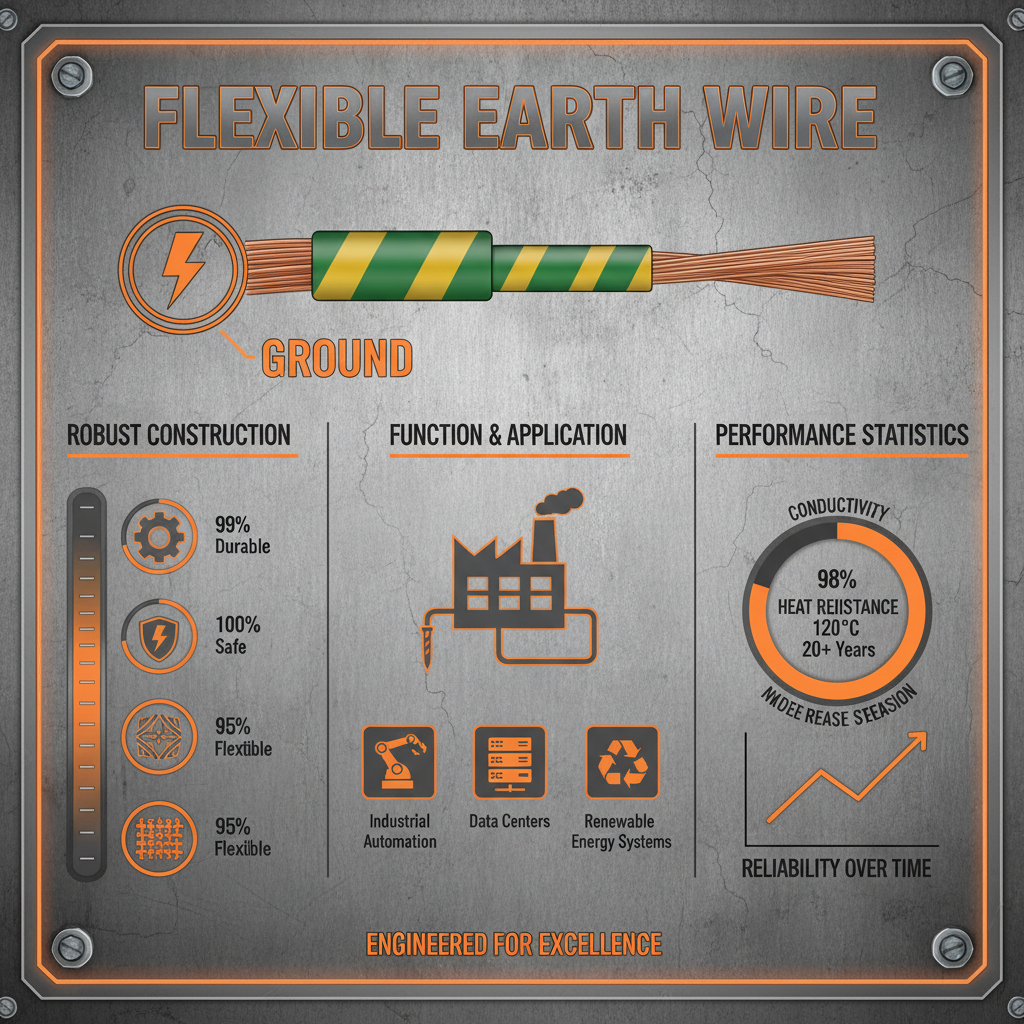
Selecting the correct flexible earth wire requires considering several factors, including wire gauge (thickness), conductor material (copper or aluminum), insulation type, and voltage rating. Always consult local electrical codes and regulations to ensure compliance. Here’s a quick guide:
Conclusion: Prioritizing Safety with Quality Earth Wire
Investing in high-quality flexible earth wire is crucial for ensuring the safety and reliability of any electrical system. Understanding the benefits of flexibility, comparing options, and selecting the right specifications are essential steps in protecting people and property. Bilo Powtel is dedicated to providing top-tier earth wire solutions to meet your specific needs. Don't compromise on safety – choose a trusted partner.
Frequently Asked Questions (FAQs)
What is the difference between earth wire and neutral wire?
Earth wire and neutral wire are distinct conductors with different functions. The neutral wire carries current back to the source under normal operating conditions. It is intentionally grounded at the service panel. The earth wire (or ground wire) is a safety conductor that provides a path for fault current in the event of a short circuit, protecting against electrical shock. It's connected to the grounding system, which is physically connected to the earth. They are not interchangeable and serve different purposes.
How do I determine the correct wire gauge for my application?
Determining the correct wire gauge is crucial for safety and performance. It depends on the amperage of the circuit and the length of the wire run. Higher amperage circuits require thicker wires to handle the current without overheating. Longer wire runs also necessitate thicker wires to minimize voltage drop. Electrical codes provide tables and formulas to calculate the appropriate wire gauge based on these factors. Consulting a qualified electrician is always recommended if you are unsure.
Can I use aluminum wire for grounding?
While aluminum wire can be used for grounding in certain applications, it is generally not recommended, and local codes may prohibit it. Copper is the preferred material for grounding due to its superior conductivity and resistance to corrosion. Aluminum is more prone to oxidation, which can increase resistance and compromise the grounding connection. If aluminum wire is used, it must be properly installed with appropriate connectors to prevent corrosion.
What maintenance is required for earth wires?
Earth wires should be inspected periodically for signs of damage, corrosion, or loose connections. Ensure connections are tight and free of oxidation. If any issues are found, they should be addressed immediately by a qualified electrician. Regular maintenance helps ensure the continued effectiveness of the grounding system and protects against electrical hazards.
Latest news
Precision Lifting and Pulling with the Lever Block 0.5 Ton Guide
NewsApr.16,2026
Precision Engineering Guide for High Performance Jet Lever
NewsApr.16,2026
Ultimate Guide to Choosing the Professional Industrial hoist lever
NewsApr.16,2026
Industrial Hoist Lever Chain Guide for Heavy Lifting and Rigging
NewsApr.16,2026
Industrial Lever Hoist Guide for Efficient Lifting and Pulling
NewsApr.16,2026
Ultimate Guide to Hand Ratchet Lift for Heavy Industrial Lifting
NewsApr.16,2026
- CONTACT
- ADDRESS: 188, Fengshou Road, Shijiazhuang. China
- EMAlL: info@bilopowtel.com
- PHONE: 0086-311-88862036
- WHATSAPP: 0086-152-26563165


