



Jan . 30, 2026 14:40 Back to list
Essential Guide to High Voltage Detector Hot Stick Selection and Safety
Understanding and Selecting the Right High Voltage Detector Hot Stick
Working with or near high voltage electricity demands utmost caution and the right tools. A high voltage detector hot stick is an essential piece of safety equipment for electrical professionals. This article will guide you through the key considerations for selecting, using, and maintaining these vital tools, ensuring a safer working environment. Proper selection and use are paramount to prevent accidents and ensure worker safety. We’ll cover everything from different types to essential testing procedures.
What is a High Voltage Detector Hot Stick and Why is it Crucial?
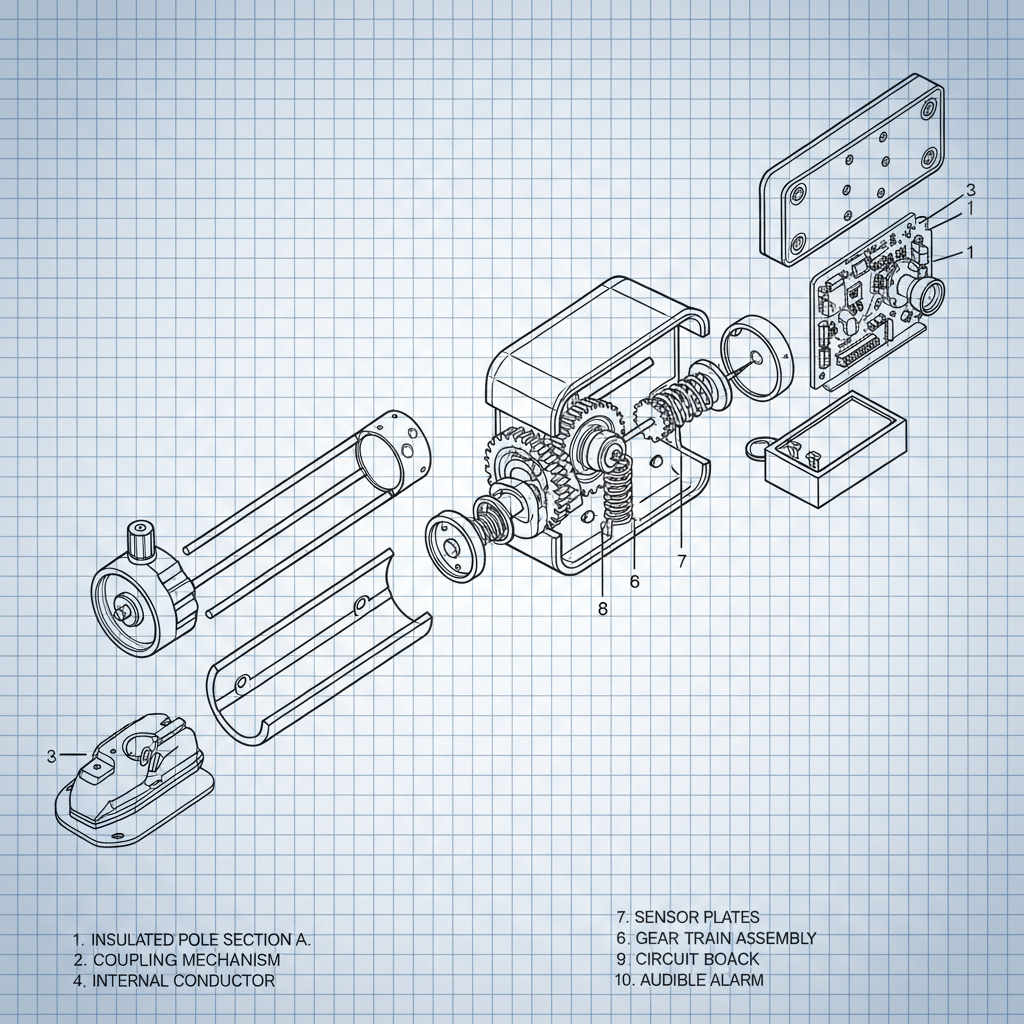
A high voltage detector hot stick, often simply called a "hot stick," is an insulated tool used to remotely detect the presence of voltage on electrical conductors. It allows technicians to verify if equipment is de-energized before maintenance or repair work begins, minimizing the risk of electrocution. These tools are designed with a long, insulated handle to maintain a safe distance from live parts. The importance of a reliable hot stick cannot be overstated; it's a frontline defense against potentially fatal electrical hazards. Bilopowtel offers a range of hot sticks designed for various voltage levels and applications.
Key Benefits: Provides a safe distance from live conductors, preventing accidental contact. Verifies de-energization before work begins, reducing the risk of electrocution. Essential for compliance with safety regulations and standards.
Types of High Voltage Detector Hot Sticks
Hot sticks come in several varieties, each suited for specific applications. The most common types include:
- Voltage Detectors: Used to detect the presence of voltage without physical contact.
- Grounding Sticks: Attach temporary grounds to de-energized conductors.
- Operating Sticks: Used for remote operation of switches and other equipment.
Choosing the right type depends on the voltage level, the type of equipment being worked on, and the specific task at hand. It’s crucial to understand the capabilities and limitations of each type before use.
Key Considerations When Choosing:
• Voltage Rating: Ensure the stick’s rating exceeds the maximum voltage encountered.
• Construction: Look for durable materials and robust insulation.
• Application: Select a stick designed for the specific task (detecting, grounding, operating).
Choosing the Right Hot Stick: A Comparative Overview
Selecting the ideal high voltage detector hot stick involves carefully considering several factors. Different models offer varying levels of protection and functionality. Below is a comparative table to help you choose.
Proper Usage and Maintenance of Hot Sticks
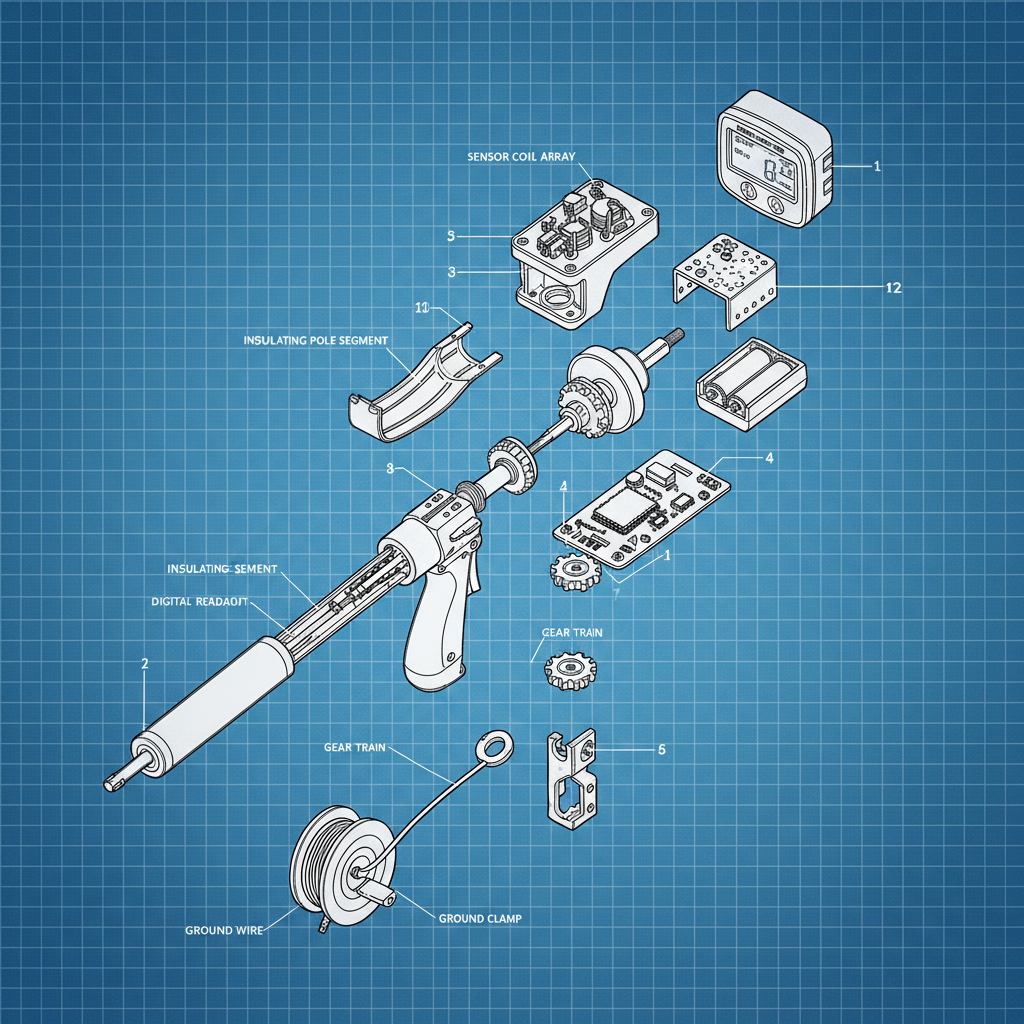
Correct usage and regular maintenance are critical for ensuring the continued effectiveness of a hot stick. Before each use, visually inspect the stick for any signs of damage, such as cracks, blisters, or contamination. Perform a routine electrical test to verify its insulating properties. Follow the manufacturer's guidelines for cleaning and storage. Bilopowtel provides comprehensive resources on proper usage and maintenance.
Safety Precautions When Using Hot Sticks
Always prioritize safety when working with high voltage. Here are some essential precautions:
- Always wear appropriate personal protective equipment (PPE), including safety glasses and gloves.
- Never use a hot stick if it is damaged or has failed a test.
- Ensure the work area is clear of obstructions and bystanders.
- Follow established safety procedures and lockout/tagout protocols.
- Regularly train personnel on the proper use and maintenance of hot sticks.
Conclusion: Prioritizing Safety with the Right Tools
Investing in high-quality high voltage detector hot sticks and ensuring proper training and maintenance are crucial for protecting electrical workers. A commitment to safety not only prevents accidents but also demonstrates a responsible approach to workplace operations. Don't compromise on safety – choose reliable equipment from a trusted source like Bilopowtel.
Frequently Asked Questions (FAQs)
How often should a high voltage detector hot stick be tested?
Hot sticks should be tested at regular intervals, typically every six months or after any event that could potentially damage them, such as being dropped. Testing verifies the integrity of the insulation and ensures the stick is functioning correctly. Many companies have documented procedures for testing and record-keeping. This testing should be carried out by qualified personnel using appropriate testing equipment. Always follow the manufacturer’s guidelines for testing frequency and procedures.
What should I do if a hot stick fails a test?
If a hot stick fails a test, it should be immediately removed from service and tagged as defective. Do not attempt to repair the stick yourself. Contact the manufacturer or a qualified repair technician for assessment and potential repair or replacement. Using a defective hot stick poses a significant safety risk and could lead to a serious accident.
Can hot sticks be used in wet conditions?
While some hot sticks are designed to withstand certain levels of moisture, it's generally recommended to avoid using them in wet conditions whenever possible. Moisture can compromise the insulating properties of the stick and increase the risk of electrical shock. If use in wet conditions is unavoidable, ensure the stick is specifically rated for such use and take extra precautions to maintain a safe working distance.
Latest news
Precision Lifting and Pulling with the Lever Block 0.5 Ton Guide
NewsApr.16,2026
Precision Engineering Guide for High Performance Jet Lever
NewsApr.16,2026
Ultimate Guide to Choosing the Professional Industrial hoist lever
NewsApr.16,2026
Industrial Hoist Lever Chain Guide for Heavy Lifting and Rigging
NewsApr.16,2026
Industrial Lever Hoist Guide for Efficient Lifting and Pulling
NewsApr.16,2026
Ultimate Guide to Hand Ratchet Lift for Heavy Industrial Lifting
NewsApr.16,2026
- CONTACT
- ADDRESS: 188, Fengshou Road, Shijiazhuang. China
- EMAlL: info@bilopowtel.com
- PHONE: 0086-311-88862036
- WHATSAPP: 0086-152-26563165


