



Mar . 03, 2026 18:05 Back to list
Understanding the Critical Role of a 5 8 Earth Rod Clamp in Grounding Systems
Understanding the Importance of a 5 8 Earth Rod Clamp
In the realm of grounding solutions for electrical systems, the 5 8 earth rod clamp plays a crucial role. It’s a seemingly small component, but its effectiveness directly impacts the safety and reliability of your grounding infrastructure. This article delves into the functionality, applications, and selection criteria for these clamps, providing a comprehensive guide for professionals and DIY enthusiasts alike. Proper grounding is paramount in preventing electrical hazards and ensuring the smooth operation of electrical equipment. We’ll explore why choosing the right clamp is essential for optimal performance and longevity.
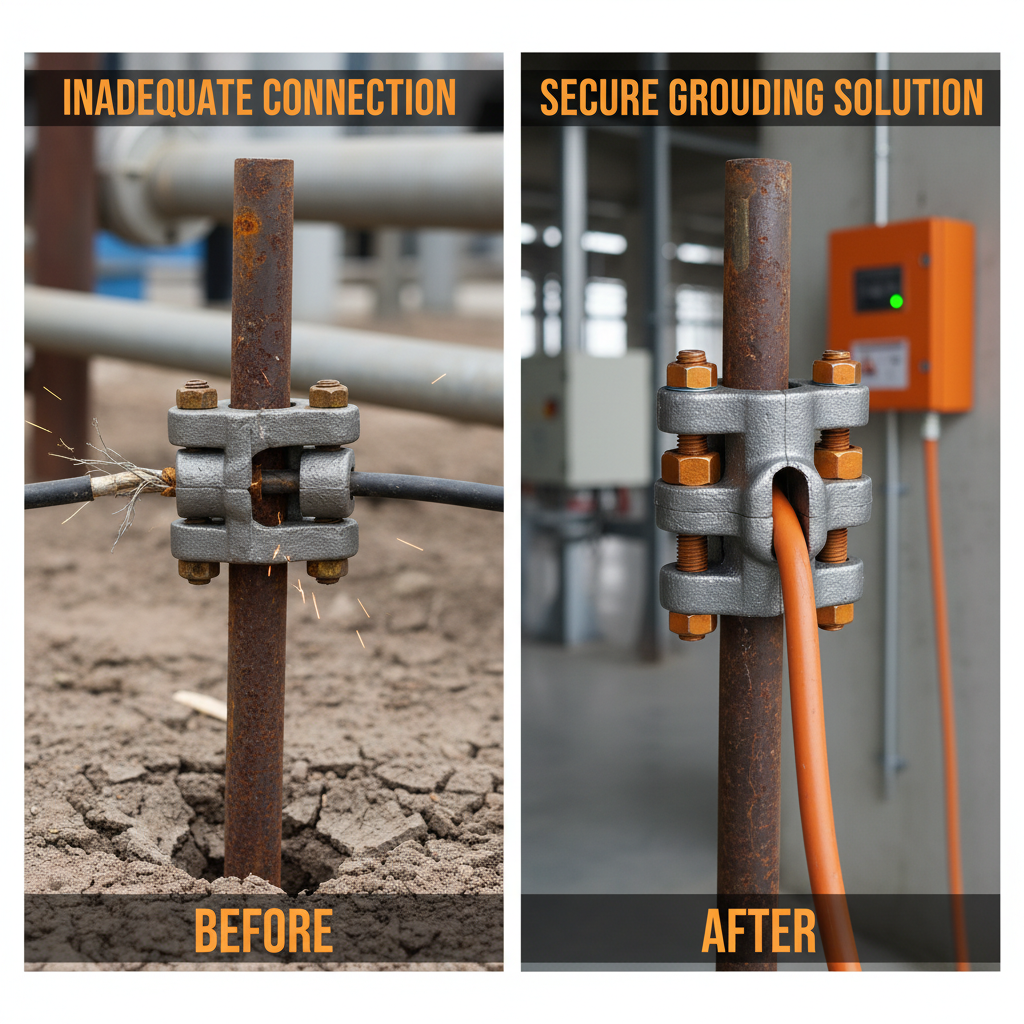
What is a 5 8 Earth Rod Clamp and Why is it Important?
A 5 8 earth rod clamp is a connector used to securely fasten an earthing conductor (ground wire) to a copper-bonded earth rod, typically sized 5/8 inch in diameter. Its primary function is to establish a low-resistance electrical connection, facilitating the safe dissipation of fault currents into the earth. This prevents electrical shocks, protects sensitive electronic equipment, and minimizes the risk of fire. Without a secure and low-resistance connection, the grounding system’s effectiveness is severely compromised. Bilopowtel provides a range of high-quality clamps designed for optimal performance.
Key Benefits: Ensuring a secure connection to the earth rod, facilitating safe fault current dissipation, and protecting equipment and personnel.
Applications of 5 8 Earth Rod Clamps
These clamps find applications in a diverse range of settings, including residential, commercial, and industrial electrical installations. They are commonly used in:
- Residential Grounding: Ensuring the safety of homes and protecting appliances.
- Commercial Buildings: Providing robust grounding for large electrical systems.
- Industrial Facilities: Protecting sensitive equipment and personnel in harsh environments.
- Solar Panel Installations: Grounding solar panel arrays for safety and efficiency.
- Lightning Protection Systems: Facilitating the safe dissipation of lightning strikes.
Effectively, any application requiring a reliable earth grounding connection will benefit from the use of a high-quality 5 8 earth rod clamp. Choosing the correct clamp for the environment is paramount for long-term reliability.
Common Application Scenarios:
• Grounding electrical panels and subpanels.
• Connecting grounding wires to earth rods in remote locations.
• Ensuring proper grounding for outdoor electrical equipment.
• Protecting against surges and transient voltages.
Choosing the Right 5 8 Earth Rod Clamp: Materials and Features
Selecting the appropriate clamp involves considering the material, construction, and compatibility with the earth rod and conductor. Common materials include:
- Copper: Offers excellent conductivity and corrosion resistance, ideal for harsh environments.
- Brass: Provides good conductivity and is often more affordable than copper.
- Stainless Steel: Offers superior corrosion resistance, suitable for marine or highly corrosive environments.
Important features to look for include a secure clamping mechanism (bolt and nut or compression fitting), corrosion-resistant plating, and compatibility with the size and type of earth rod and conductor. Bilopowtel’s clamps are designed with these considerations in mind.
Installation Best Practices for 5 8 Earth Rod Clamps
Proper installation is crucial for ensuring a reliable grounding connection. Follow these best practices:
- Clean Surfaces: Ensure both the earth rod and conductor are clean and free of corrosion.
- Secure Tightening: Tighten the clamping mechanism securely, but avoid over-tightening, which can damage the rod or clamp.
- Corrosion Protection: Apply a corrosion-inhibiting compound to the connection to prevent future corrosion.
- Regular Inspection: Periodically inspect the clamp for signs of corrosion or loosening.
Refer to the manufacturer's instructions for specific installation guidelines. Following these steps will contribute to a safe and long-lasting grounding system. Bilopowtel provides detailed installation guides with our products.
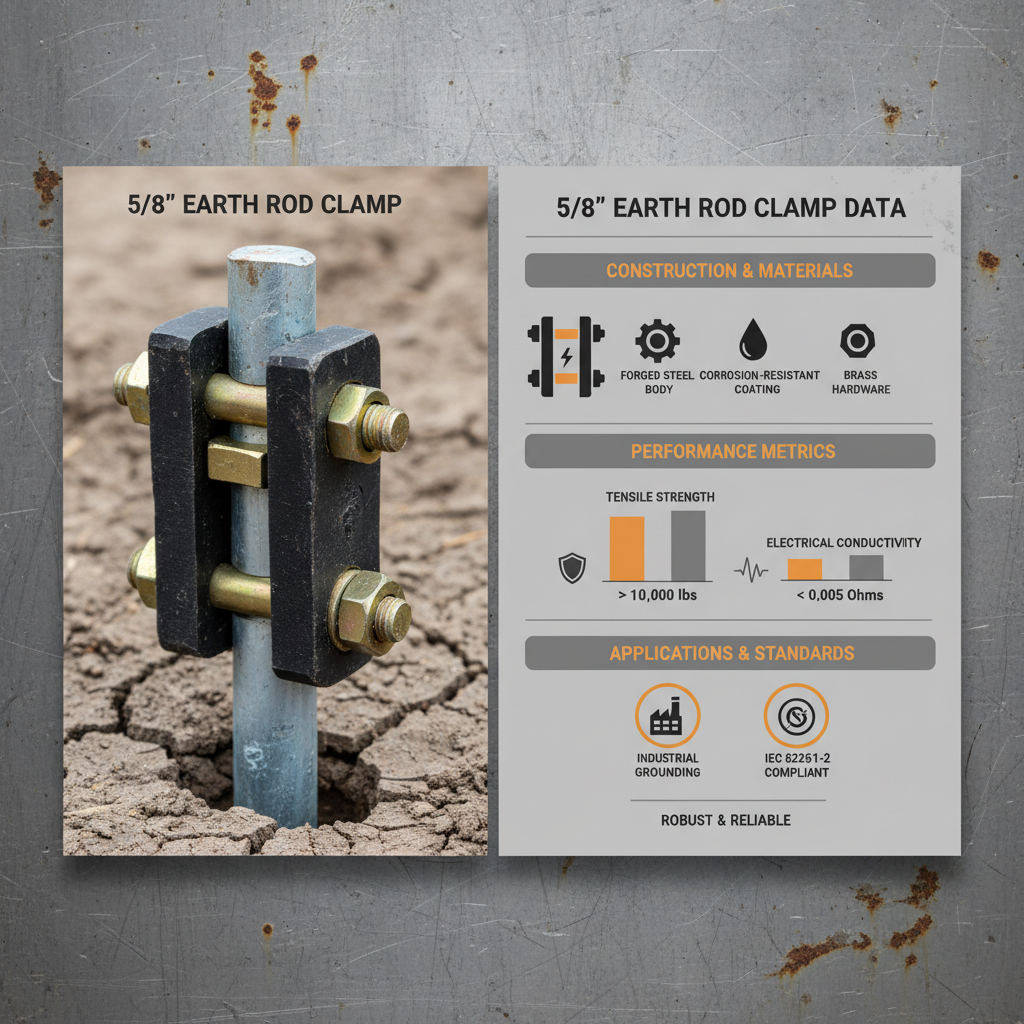
Conclusion: Investing in Quality Grounding with Bilopowtel
Prioritizing Safety and Reliability
The 5 8 earth rod clamp is a critical component of any grounding system. Choosing a high-quality clamp from a reputable supplier like Bilopowtel ensures a safe, reliable, and long-lasting connection. Don't compromise on safety – invest in the best grounding solutions available.
Frequently Asked Questions (FAQs)
What is the recommended torque for tightening a 5 8 earth rod clamp?
The recommended torque varies depending on the clamp manufacturer and the material of the earth rod. Generally, consult the clamp’s datasheet or the manufacturer’s instructions for specific torque recommendations. Over-tightening can damage the clamp or the earth rod, while under-tightening can lead to a loose connection and increased resistance. A typical range is between 15-25 Nm, but always verify the specifications for your particular clamp. A torque wrench is highly recommended for accurate tightening.
How often should I inspect my earth rod clamps?
It’s recommended to visually inspect earth rod clamps at least annually, and more frequently in corrosive environments. Look for signs of corrosion, loosening, or damage to the clamp or the earth rod. Perform a resistance test annually to verify the integrity of the grounding connection. Record your inspection dates and findings for maintenance purposes.
Can I use different materials for the clamp and the earth rod?
While it's technically possible, it's generally not recommended to use dissimilar metals for the clamp and earth rod due to the risk of galvanic corrosion. If dissimilar metals are unavoidable, use a corrosion-inhibiting compound to minimize the effects of galvanic action. Using compatible materials, such as copper clamps with copper-bonded earth rods, is the best practice for long-term reliability.
What size conductor should I use with a 5 8 earth rod clamp?
The appropriate conductor size depends on the fault current rating and the length of the grounding conductor. Consult local electrical codes and regulations for specific requirements. Generally, a minimum conductor size of 6 AWG copper wire is recommended for grounding systems. Always ensure the conductor is compatible with the clamp's termination point and can handle the expected fault current.
Latest news
Precision Lifting and Pulling with the Lever Block 0.5 Ton Guide
NewsApr.16,2026
Precision Engineering Guide for High Performance Jet Lever
NewsApr.16,2026
Ultimate Guide to Choosing the Professional Industrial hoist lever
NewsApr.16,2026
Industrial Hoist Lever Chain Guide for Heavy Lifting and Rigging
NewsApr.16,2026
Industrial Lever Hoist Guide for Efficient Lifting and Pulling
NewsApr.16,2026
Ultimate Guide to Hand Ratchet Lift for Heavy Industrial Lifting
NewsApr.16,2026
- CONTACT
- ADDRESS: 188, Fengshou Road, Shijiazhuang. China
- EMAlL: info@bilopowtel.com
- PHONE: 0086-311-88862036
- WHATSAPP: 0086-152-26563165


