



Mar . 26, 2026 01:45 Back to list
Understanding the Benefits of a Telescopic Earthing Rod for Electrical Safety
Understanding the Versatility of a Telescopic Earthing Rod
In the realm of electrical safety, a reliable earthing (grounding) system is paramount. Among the various grounding solutions available, the telescopic earthing rod stands out for its portability, adaptability, and ease of use. This article will explore the features, benefits, applications, and considerations when selecting a telescopic earthing rod, offering a comprehensive guide for professionals and safety officers. Proper grounding is essential for preventing electrical shock, protecting equipment, and ensuring a safe working environment. We'll delve into why these rods are a crucial component of any robust safety protocol.
What is a Telescopic Earthing Rod?
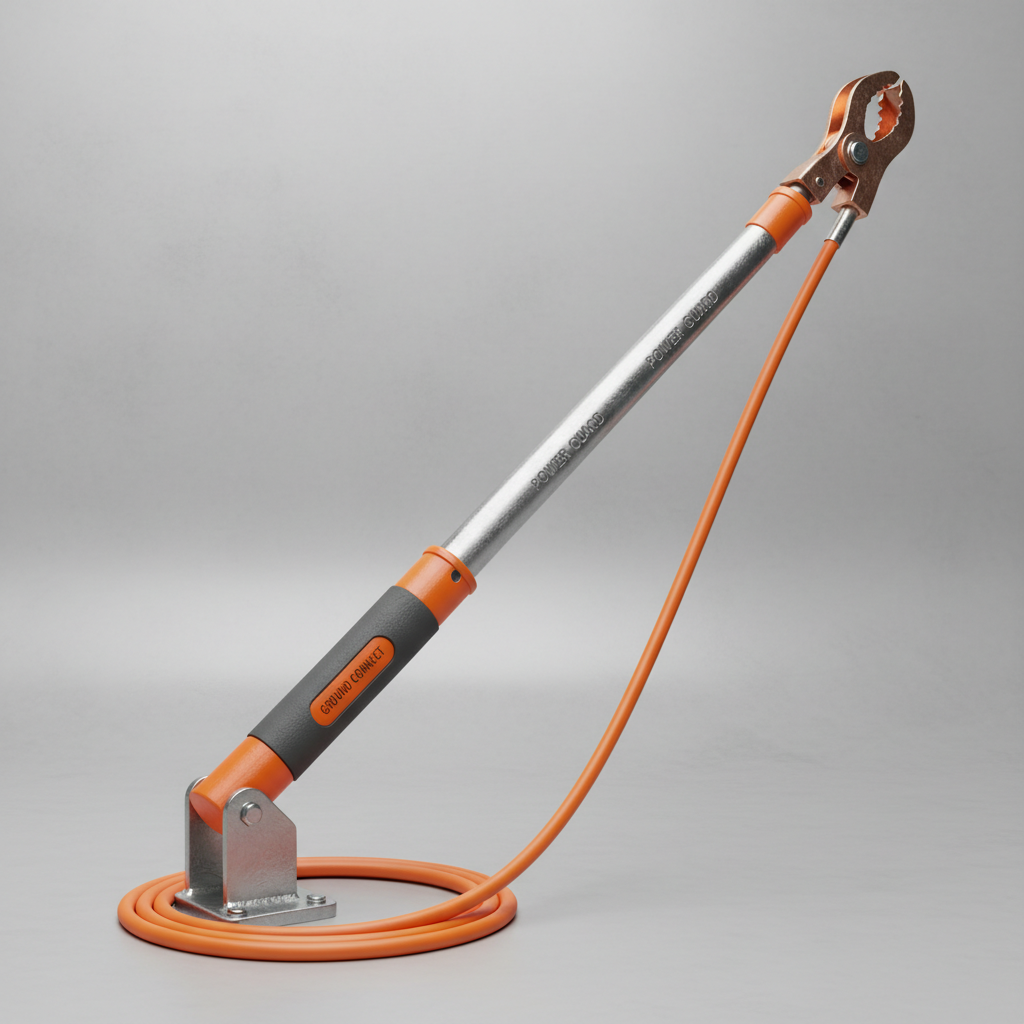
A telescopic earthing rod is a portable grounding device designed to establish a low-resistance connection to earth. It consists of multiple conductive rods that slide within each other, allowing the length of the rod to be adjusted to suit various soil conditions and grounding requirements. This adjustability is a key advantage over fixed-length grounding rods. They are typically made from copper-clad steel, combining the conductivity of copper with the strength and durability of steel. The primary function is to provide a safe path for fault currents to flow to ground, minimizing the risk of electric shock and equipment damage.
Key Benefits: Portability, adjustability, corrosion resistance, ease of installation, and enhanced safety.
Key Features of a Quality Telescopic Earthing Rod
A high-quality telescopic earthing rod will incorporate several key features to ensure reliability and safety. These include a robust locking mechanism to secure the extended length, a pointed tip for easy insertion into the ground, and a connection point for the earthing conductor. The materials used are crucial; copper-clad steel provides excellent conductivity and corrosion resistance. A comfortable grip and lightweight design enhance usability, especially in challenging environments. Consider features like insulated handles for added safety. A reliable rod will consistently provide a low-resistance grounding connection, regardless of soil type.
Applications Across Industries
The versatility of telescopic earthing rods makes them indispensable in a wide range of industries. Construction sites utilize them for temporary grounding of equipment and scaffolding. Electrical maintenance and repair crews rely on them to safely ground circuits before working on them. Mining operations employ them to protect personnel and equipment from static buildup and electrical hazards. Renewable energy installations, particularly solar farms, require reliable grounding systems, and telescopic rods are ideal for this purpose. They are also used in railway maintenance, telecommunications, and any situation where a portable and adaptable grounding solution is needed.
Common Applications:
• Construction Sites
• Electrical Maintenance
• Mining Operations
• Renewable Energy Installations
Telescopic Earthing Rods: Specifications and Comparisons
Selecting the right telescopic earthing rod requires understanding the different specifications and how they compare. Factors to consider include the maximum length, the number of sections, the material (copper-clad steel is standard), the resistance to ground, and the connection type. Here's a comparative overview of common specifications:
Safety Considerations When Using Telescopic Earthing Rods
While telescopic earthing rods are designed for safety, it’s critical to follow proper procedures. Always inspect the rod for damage before use. Ensure the rod is firmly inserted into the ground to achieve a low-resistance connection. Never use a damaged rod, as it could compromise the grounding effectiveness. Use appropriate personal protective equipment (PPE), including safety glasses and gloves. Always follow established safety protocols for working with electrical equipment. Regularly test the grounding connection to verify its effectiveness. For more information and products, visit Bilopowtel.
Conclusion: Ensuring Electrical Safety with the Right Grounding Solution
Investing in a high-quality telescopic earthing rod is a vital step in ensuring electrical safety. Its portability, adjustability, and reliability make it an indispensable tool for professionals across various industries. By prioritizing safety and selecting the appropriate grounding solution, you can protect personnel, equipment, and maintain a secure working environment.
Frequently Asked Questions (FAQs)
What is the importance of a low resistance ground?
A low resistance ground is crucial for safety because it provides a path of least resistance for fault currents to flow to earth. This rapid dissipation of current minimizes the voltage potential on exposed conductive parts, significantly reducing the risk of electric shock. A high resistance ground can lead to dangerous voltage buildup, increasing the severity of electrical hazards. The lower the resistance, the more effectively the ground protects against shocks and equipment damage. Ideally, grounding resistance should be below 5 ohms, and many installations aim for 1 ohm or less.
How do I test the effectiveness of a telescopic earthing rod?
The effectiveness of a telescopic earthing rod is tested using a ground resistance tester (also known as an earth resistance tester). This device measures the resistance between the earthing rod and a distant earth point. Follow the manufacturer's instructions for the tester. Generally, you'll insert a second earth spike (a reference spike) a significant distance away from the rod being tested, and connect the tester between the rod and the reference spike. The tester will display the resistance reading. If the reading is above acceptable limits (typically 5 ohms), the grounding connection may be inadequate.
What materials are telescopic earthing rods typically made from?
Telescopic earthing rods are most commonly made from copper-clad steel. This combination offers the best of both worlds: the excellent conductivity of copper and the strength and durability of steel. The steel core provides structural support, while the copper coating ensures a low resistance connection to earth. Some rods may also utilize stainless steel components for enhanced corrosion resistance, especially in harsh environments. Avoid rods made entirely of steel, as their conductivity is significantly lower.
Latest news
Precision Lifting and Pulling with the Lever Block 0.5 Ton Guide
NewsApr.16,2026
Precision Engineering Guide for High Performance Jet Lever
NewsApr.16,2026
Ultimate Guide to Choosing the Professional Industrial hoist lever
NewsApr.16,2026
Industrial Hoist Lever Chain Guide for Heavy Lifting and Rigging
NewsApr.16,2026
Industrial Lever Hoist Guide for Efficient Lifting and Pulling
NewsApr.16,2026
Ultimate Guide to Hand Ratchet Lift for Heavy Industrial Lifting
NewsApr.16,2026
- CONTACT
- ADDRESS: 188, Fengshou Road, Shijiazhuang. China
- EMAlL: info@bilopowtel.com
- PHONE: 0086-311-88862036
- WHATSAPP: 0086-152-26563165


