



Feb . 20, 2026 01:45 Back to list
Understanding the Critical Role of Earth Cable 25mm in Electrical Safety Systems
Understanding the Role of Earth Cable 25mm in Safe Electrical Systems
When it comes to electrical safety, grounding is paramount. An earth cable 25mm plays a critical role in this process, providing a low-resistance path for fault currents. This article will delve into the function, applications, and importance of a 25mm earth cable, helping you understand why choosing the right cable is vital for protecting your electrical systems and personnel. Proper grounding with a quality earth cable, such as those offered at Bilopowtel, can significantly reduce the risk of electric shock and equipment damage.
What is an Earth Cable and Why is 25mm Important?
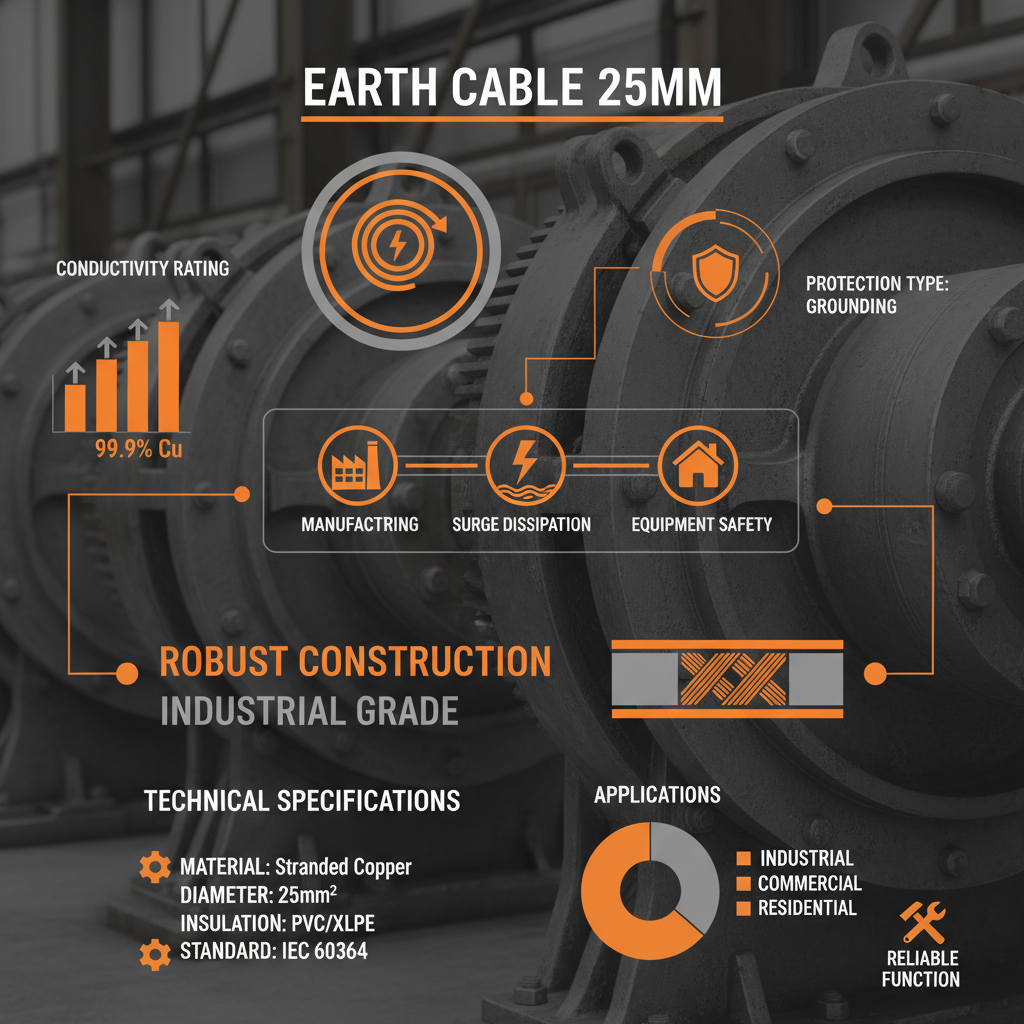
An earth cable, also known as a ground wire, is a crucial component of any electrical system. Its primary function is to provide a safe path for electrical current to flow back to the source in the event of a fault. This prevents dangerous voltage buildup on metallic enclosures of electrical appliances, reducing the risk of electric shock. The 25mm designation refers to the cable’s cross-sectional area, measured in square millimeters. A larger cross-sectional area, like 25mm, equates to a lower resistance, enabling it to carry higher fault currents safely and effectively. Choosing the correct cable size is essential; undersized cables can overheat and fail, compromising safety.
Key Takeaway: A 25mm earth cable offers a lower resistance path for fault currents, enhancing safety and protecting equipment.
Applications of 25mm Earth Cable
The 25mm earth cable finds application in various settings, including residential buildings, commercial properties, and industrial facilities. It's commonly used for grounding electrical panels, large appliances (like industrial motors and HVAC systems), and sensitive electronic equipment. In industrial environments, where heavy machinery and high power loads are common, a 25mm earth cable provides the necessary protection against fault currents. Additionally, it's often employed in outdoor installations where the cable needs to withstand environmental factors. Bilopowtel provides robust and durable 25mm earth cables designed for various applications.
Common Use Cases:
• Grounding electrical panels and distribution boards
• Connecting to large electrical appliances and machinery
• Protecting sensitive electronic equipment
• Outdoor electrical installations
25mm Earth Cable vs. Other Sizes: A Comparison
Choosing the correct earth cable size is crucial. While smaller gauges (e.g., 16mm, 10mm) may suffice for smaller circuits, a 25mm earth cable is often necessary for higher current applications. Here’s a comparison table:
Key Considerations When Choosing an Earth Cable 25mm
When selecting a 25mm earth cable, consider several factors. Ensure the cable is made from high-quality copper for optimal conductivity. The cable’s insulation should be appropriate for the environment – PVC for general indoor use, and specialized materials like XLPE for outdoor or harsh conditions. Always verify that the cable meets relevant safety standards and regulations. Bilopowtel provides earth cables that adhere to international quality standards, ensuring reliable performance and safety.
Ensuring Safe Installation and Maintenance
Proper installation is as important as choosing the right cable. Ensure the cable is securely connected to the grounding electrode and the electrical equipment. Avoid sharp bends or kinks in the cable, which can increase resistance. Regular inspection of the earth cable is essential to identify any signs of damage or corrosion. If damage is detected, the cable should be replaced immediately. Professional installation is recommended to ensure compliance with safety regulations.
Conclusion: Prioritizing Safety with a Reliable Earth Cable
Investing in a high-quality earth cable 25mm is a crucial step in ensuring the safety and reliability of your electrical system. Proper grounding protects against electrical shock, prevents equipment damage, and contributes to a safer working environment. Bilopowtel offers a wide range of high-quality earth cables to meet your specific needs.
Frequently Asked Questions (FAQs)
What is the difference between an earth cable and a neutral cable?
The earth cable and the neutral cable serve different purposes. The neutral cable carries current back to the source under normal operating conditions. The earth cable, however, only carries current during a fault – it's a safety wire designed to protect against electric shock. The earth cable is connected to the grounding electrode, providing a low-resistance path for fault currents to flow safely to the ground. Never interchange these wires, as doing so can create a dangerous situation.
How often should I inspect my earth cables?
It is recommended to visually inspect your earth cables at least annually, or more frequently in harsh environments. Look for signs of damage such as cracks, corrosion, or loose connections. Regularly testing the continuity of the earth cable with a multimeter can also help ensure it's functioning correctly. Any damage or issues should be addressed immediately by a qualified electrician.
Can I use a smaller gauge earth cable to save costs?
Using a smaller gauge earth cable is strongly discouraged and can be extremely dangerous. The earth cable must be sized appropriately to handle the potential fault current. An undersized cable can overheat, melt, and fail to provide adequate protection, increasing the risk of electric shock and fire. Always consult with a qualified electrician to determine the correct earth cable size for your application.
What materials are earth cables typically made from?
Earth cables are primarily made from copper due to its excellent conductivity. The insulation material varies depending on the application, with PVC being common for indoor use and XLPE for outdoor or harsh environments. Aluminum earth cables are less common due to their lower conductivity, requiring a larger cable size to achieve the same performance as copper. It's essential to choose a cable with appropriate insulation for the intended environment.
Latest news
Precision Lifting and Pulling with the Lever Block 0.5 Ton Guide
NewsApr.16,2026
Precision Engineering Guide for High Performance Jet Lever
NewsApr.16,2026
Ultimate Guide to Choosing the Professional Industrial hoist lever
NewsApr.16,2026
Industrial Hoist Lever Chain Guide for Heavy Lifting and Rigging
NewsApr.16,2026
Industrial Lever Hoist Guide for Efficient Lifting and Pulling
NewsApr.16,2026
Ultimate Guide to Hand Ratchet Lift for Heavy Industrial Lifting
NewsApr.16,2026
- CONTACT
- ADDRESS: 188, Fengshou Road, Shijiazhuang. China
- EMAlL: info@bilopowtel.com
- PHONE: 0086-311-88862036
- WHATSAPP: 0086-152-26563165


