



Feb . 20, 2026 01:45 Back to list
Understanding Earth and Neutral Wire Systems for Electrical Safety
Understanding Earth and Neutral Wire Safety
Electrical safety is paramount in any setting, from residential buildings to large industrial facilities. A fundamental aspect of this safety involves correctly understanding and implementing the earth and neutral wire systems. These wires play crucial roles in preventing electrical shocks and ensuring the reliable operation of electrical circuits. This article provides a comprehensive overview of earth and neutral wires, their functions, differences, and the importance of proper installation. Understanding these concepts is vital for electricians, DIY enthusiasts, and anyone interested in electrical safety. Bilopowtel offers a range of high-quality electrical components designed with safety and reliability in mind.
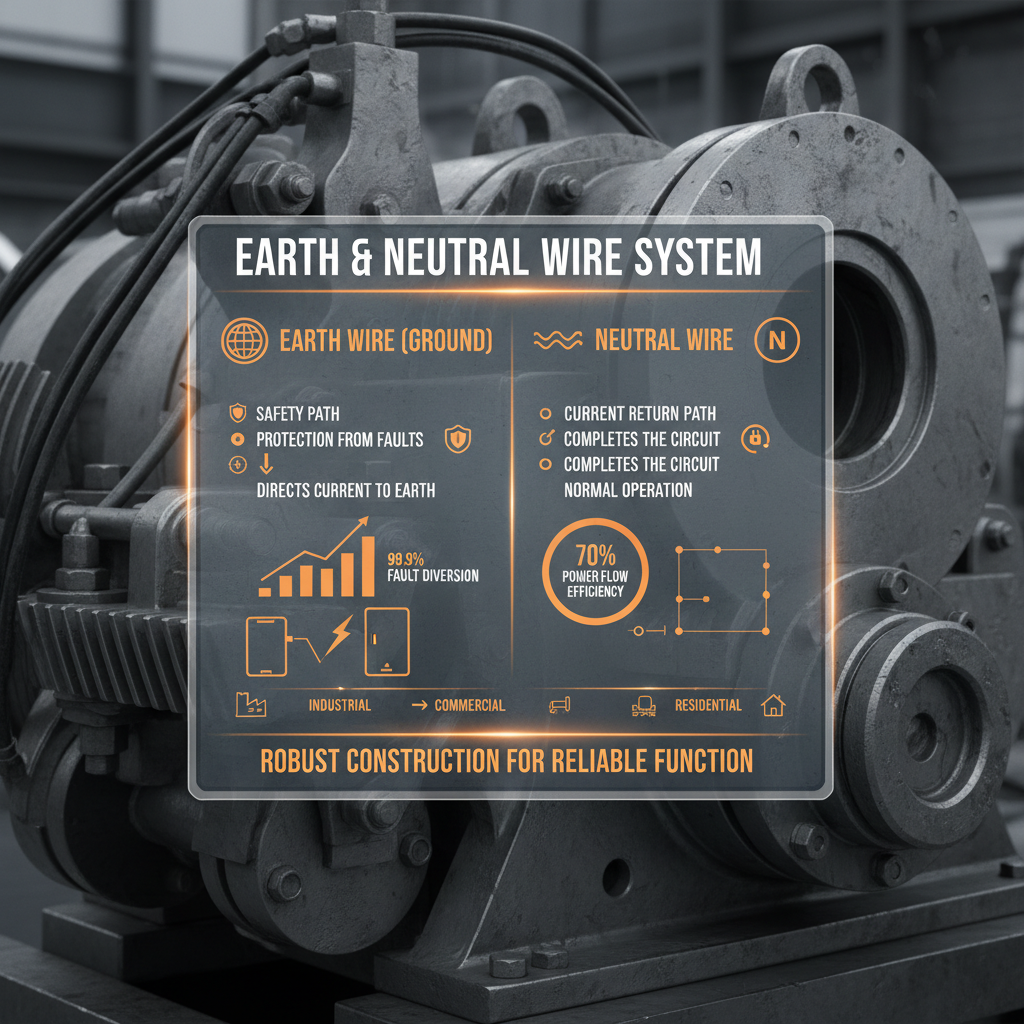
What is an Earth (Ground) Wire?
The earth wire, also known as the ground wire, is a crucial safety component in electrical systems. Its primary function is to provide a low-resistance path for fault current to flow back to the source, tripping the circuit breaker or fuse and preventing electric shock. Typically green or green with a yellow stripe, the earth wire is connected to the grounding system of the building, which is physically connected to the earth. This ensures that in the event of a fault, electricity will flow through the earth wire rather than through a person who might come into contact with a live wire. A properly installed earth wire is a cornerstone of electrical safety.
Key Function: Provides a safe path for fault current, preventing electric shock and protecting equipment.
What is a Neutral Wire?
The neutral wire completes the circuit, providing a return path for current under normal operating conditions. It is typically uninsulated and connected to the earth at the service panel, but not at every outlet like the earth wire. The neutral wire carries current back to the power source, allowing the electrical devices to function. It's crucial to note that while the neutral wire is connected to earth at the service panel, it should never be relied upon as a safety ground in the event of a fault. Maintaining the integrity of the neutral connection is essential for reliable operation and preventing voltage fluctuations.
Neutral Wire Benefits:
• Completes the electrical circuit.
• Returns current to the power source.
• Stabilizes voltage levels.
Earth and Neutral Wire: Key Differences
While both earth and neutral wires are connected to the grounding system at the service panel, their functions and connection points differ significantly. The earth wire is a safety wire, always connected to the grounding system and intended to carry fault current. The neutral wire is a current-carrying wire, completing the circuit under normal operation. Crucially, the earth wire should never carry current under normal circumstances; it only activates during a fault. Incorrectly connecting these wires can create a dangerous situation, potentially leading to electric shock or fire. Always consult a qualified electrician for any electrical work.
The Importance of Proper Installation
Incorrect wiring of earth and neutral wires can have severe consequences, including electric shock, fire hazards, and damage to electrical appliances. It's imperative to ensure that these wires are correctly connected by a qualified electrician. Regular inspections of your electrical system can help identify and rectify any potential wiring issues. Using high-quality wiring and components, such as those offered by Bilopowtel, contributes to a safer and more reliable electrical system.
Safety Precautions When Working with Electrical Wiring
If you are undertaking any electrical work, always prioritize safety. Turn off the power at the main breaker before starting any work. Use insulated tools and wear appropriate personal protective equipment (PPE), such as rubber gloves and safety glasses. If you are unsure about any aspect of the work, consult a qualified electrician. Never work with electricity in wet conditions. Remember, safety should always be your top priority when dealing with electrical systems.
Conclusion: Ensuring Electrical Safety
Understanding the distinct roles of earth and neutral wires is fundamental to electrical safety. Proper installation and maintenance of these wires are crucial for preventing shocks, fires, and equipment damage. Bilopowtel is committed to providing high-quality electrical components and resources to help ensure safe and reliable electrical systems. Remember, when in doubt, always consult a qualified electrician.
Frequently Asked Questions (FAQs)
What happens if the earth wire is not properly connected?
If the earth wire is not properly connected, a fault current will not have a safe path to return to the source. This means the current could flow through a person who touches a live component, resulting in a potentially fatal electric shock. A properly connected earth wire ensures that the circuit breaker trips, cutting off the power supply and preventing the shock. Without a correct earth connection, appliances can also become energized, posing a significant fire risk.
Can I use the neutral wire as a substitute for the earth wire?
Absolutely not. Using the neutral wire as an earth wire is extremely dangerous and violates electrical safety codes. The neutral wire carries current under normal operation and is not designed to handle fault currents safely. If the neutral wire becomes disconnected or damaged, it can become energized, potentially causing a severe electric shock. Always use a dedicated earth wire for grounding purposes.
How often should I inspect my electrical wiring?
It's recommended to have your electrical wiring inspected by a qualified electrician at least every 5-10 years, or more frequently if you live in an older building or have noticed any issues such as flickering lights or tripped breakers. Regular inspections can identify potential problems before they become dangerous. Visual inspections for damaged wires or loose connections should be done more frequently, such as during routine maintenance.
What are the consequences of incorrect wiring?
Incorrect wiring can lead to a range of serious consequences, including electric shock, electrical fires, damage to appliances, and even potential loss of life. Improperly connected earth and neutral wires are a common cause of electrical hazards. Always prioritize safety and ensure that all electrical work is carried out by a qualified and licensed electrician.
Latest news
Precision Lifting and Pulling with the Lever Block 0.5 Ton Guide
NewsApr.16,2026
Precision Engineering Guide for High Performance Jet Lever
NewsApr.16,2026
Ultimate Guide to Choosing the Professional Industrial hoist lever
NewsApr.16,2026
Industrial Hoist Lever Chain Guide for Heavy Lifting and Rigging
NewsApr.16,2026
Industrial Lever Hoist Guide for Efficient Lifting and Pulling
NewsApr.16,2026
Ultimate Guide to Hand Ratchet Lift for Heavy Industrial Lifting
NewsApr.16,2026
- CONTACT
- ADDRESS: 188, Fengshou Road, Shijiazhuang. China
- EMAlL: info@bilopowtel.com
- PHONE: 0086-311-88862036
- WHATSAPP: 0086-152-26563165


