



Mar . 11, 2026 01:45 Back to list
Essential Guide to Choosing the Right Ev Charging Point Earth Rod for Safety
Choosing the Right Earth Rod for Your EV Charging Point
As the demand for electric vehicles (EVs) continues to grow, so does the need for robust and safe charging infrastructure. A critical, often overlooked, component of any EV charging point installation is the earth rod, also known as a grounding rod. This essential element ensures electrical safety by providing a path for fault currents to flow harmlessly into the earth. This article will provide a comprehensive overview of earth rods for EV charging points, covering their importance, selection criteria, installation best practices, and the types offered by Bilopowtel.
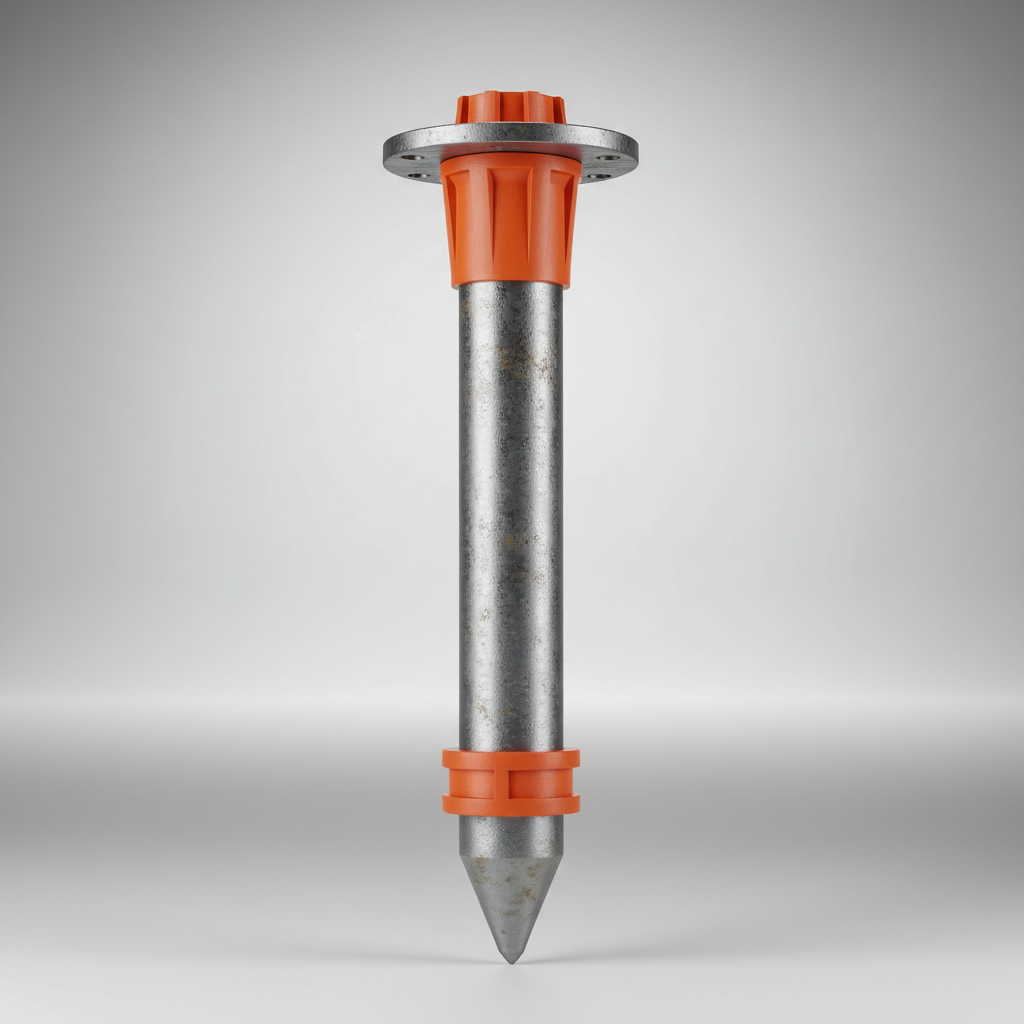
Why is an Earth Rod Crucial for EV Charging Points?
An earth rod's primary function is to provide a low-resistance path to the earth in the event of an electrical fault, such as a short circuit. In an EV charging scenario, this is particularly vital. The high currents involved in EV charging significantly increase the risk of electrical shocks if the system isn't properly grounded. A properly installed earth rod ensures that fault currents are quickly diverted to the earth, tripping circuit breakers and minimizing the risk of harm to people and damage to equipment. Without a reliable earth rod, the charging point’s protective devices may not function correctly, leading to potentially dangerous situations. It also helps to stabilize voltage levels and protects against electromagnetic interference (EMI). Bilopowtel’s earth rods are designed and manufactured to meet stringent safety standards, ensuring reliable performance and peace of mind.
Key Benefit: A properly grounded EV charging point minimizes the risk of electrical shock and equipment damage, ensuring a safe and reliable charging experience.
Choosing the Right Earth Rod: Factors to Consider
Selecting the appropriate earth rod for your EV charging point depends on several factors, including soil resistivity, charging point capacity, and local regulations. Soil resistivity is a measure of how easily electricity flows through the ground; higher resistivity requires longer or multiple earth rods. The charging point’s capacity dictates the necessary grounding capacity; higher-powered chargers require more robust grounding. Furthermore, it’s essential to comply with all relevant electrical codes and standards in your region. Bilopowtel offers a range of earth rods constructed from copper-bonded steel, galvanized steel, and stainless steel, each offering different levels of corrosion resistance and conductivity.
Key Factors for Earth Rod Selection:
• Soil Resistivity
• Charging Point Capacity
• Local Electrical Codes
• Material (Copper-Bonded Steel, Galvanized Steel, Stainless Steel)
EV Charging Point Earth Rods: A Comparison
Different materials offer varying advantages when it comes to earth rods. Here's a comparison to help you make the right choice:
Installation Best Practices
Proper installation is as important as selecting the right earth rod. The earth rod should be driven vertically into the ground to a sufficient depth – typically at least 8 feet (2.4 meters) – to reach consistently moist soil. Multiple earth rods can be used in parallel to lower overall resistance. It's crucial to use a proper driving tool and avoid damaging the rod during installation. The connection between the earth rod and the grounding conductor must be secure and corrosion-resistant, using approved connectors. Bilopowtel provides comprehensive installation guides and support to ensure correct and safe installation.
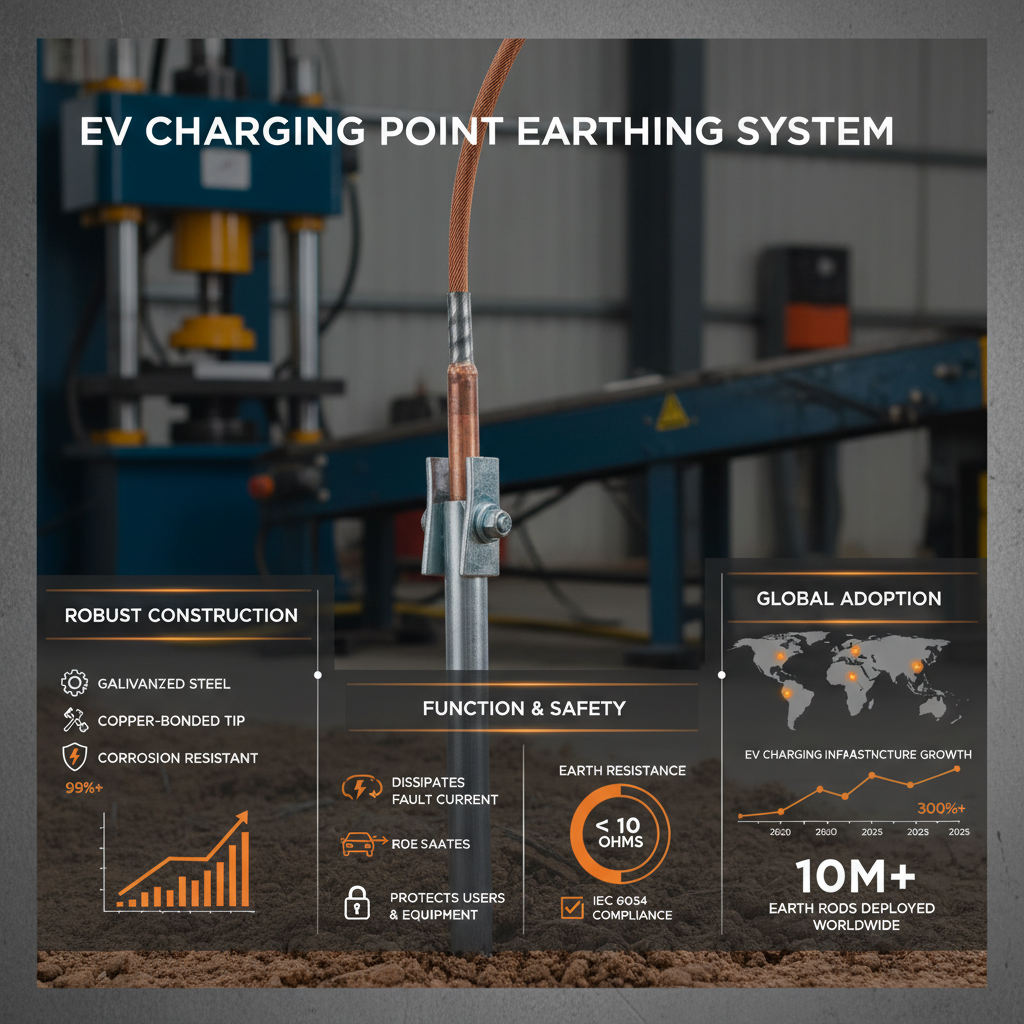
Bilopowtel's Range of Earth Rods
Bilopowtel offers a comprehensive selection of earth rods designed to meet the needs of various EV charging applications. Our range includes copper-bonded steel earth rods, galvanized steel earth rods, and stainless steel earth rods, available in various lengths and diameters. All our earth rods are manufactured to the highest quality standards and are rigorously tested to ensure reliable performance and safety. We also provide accessories such as driving tools, connectors, and grounding conductors.
Conclusion: Ensuring Safety with Reliable Grounding
Investing in a high-quality earth rod from Bilopowtel is a crucial step in ensuring the safety and reliability of your EV charging infrastructure. Proper grounding protects against electrical hazards, safeguards equipment, and provides peace of mind. Contact us today to discuss your specific requirements and find the perfect earth rod solution for your needs.
Frequently Asked Questions (FAQs)
What is soil resistivity and why is it important?
Soil resistivity is a measure of how difficult it is for electrical current to flow through the ground. High soil resistivity indicates poor conductivity, meaning a longer or multiple earth rods are needed to achieve a low-resistance grounding system. It's important to measure soil resistivity before installing an earth rod to ensure adequate grounding performance. Factors affecting soil resistivity include soil composition, moisture content, and temperature. Poorly grounded systems can lead to increased risk of electrical shock and equipment damage. Bilopowtel can advise on soil testing methods and suitable grounding solutions based on your site conditions.
How deep should an earth rod be driven?
Generally, an earth rod should be driven at least 8 feet (2.4 meters) into the ground. This depth ensures the rod reaches consistently moist soil, providing a reliable connection to the earth. In areas with rocky soil or high soil resistivity, a deeper installation or the use of multiple earth rods may be necessary. It's crucial to avoid hitting underground utilities during installation. Always check for underground services before driving an earth rod and follow local regulations.
Can multiple earth rods be used together?
Yes, using multiple earth rods in parallel can significantly reduce the overall grounding resistance. This is particularly beneficial in areas with high soil resistivity. The earth rods should be spaced at least the length of the rod itself apart, and interconnected with a grounding conductor. This creates a more robust and reliable grounding system, ensuring adequate protection for your EV charging point.
What maintenance is required for earth rods?
Earth rods should be periodically inspected to ensure they remain in good condition. Check for corrosion, damage to the grounding conductor, and secure connections. It’s also advisable to measure the grounding resistance regularly to verify the system’s effectiveness. If the grounding resistance is too high, the earth rod may need to be replaced or supplemented with additional rods. Proper maintenance ensures the long-term reliability and safety of your grounding system.
Latest news
Precision Lifting and Pulling with the Lever Block 0.5 Ton Guide
NewsApr.16,2026
Precision Engineering Guide for High Performance Jet Lever
NewsApr.16,2026
Ultimate Guide to Choosing the Professional Industrial hoist lever
NewsApr.16,2026
Industrial Hoist Lever Chain Guide for Heavy Lifting and Rigging
NewsApr.16,2026
Industrial Lever Hoist Guide for Efficient Lifting and Pulling
NewsApr.16,2026
Ultimate Guide to Hand Ratchet Lift for Heavy Industrial Lifting
NewsApr.16,2026
- CONTACT
- ADDRESS: 188, Fengshou Road, Shijiazhuang. China
- EMAlL: info@bilopowtel.com
- PHONE: 0086-311-88862036
- WHATSAPP: 0086-152-26563165


