



Mar . 04, 2026 01:45 Back to list
Comprehensive Guide to the 5/8 x 10 Ground Rod for Electrical Safety
Understanding the 5/8 x 10 Ground Rod: A Comprehensive Guide
When establishing a reliable grounding system, choosing the right ground rod is crucial. The 5/8 x 10 ground rod is a common and effective solution for many applications. This article will delve into its specifications, applications, installation, and benefits, offering a detailed overview for homeowners, electricians, and anyone involved in electrical safety. A properly installed grounding rod is fundamental to protecting both people and equipment from electrical hazards.
What is a 5/8 x 10 Ground Rod?
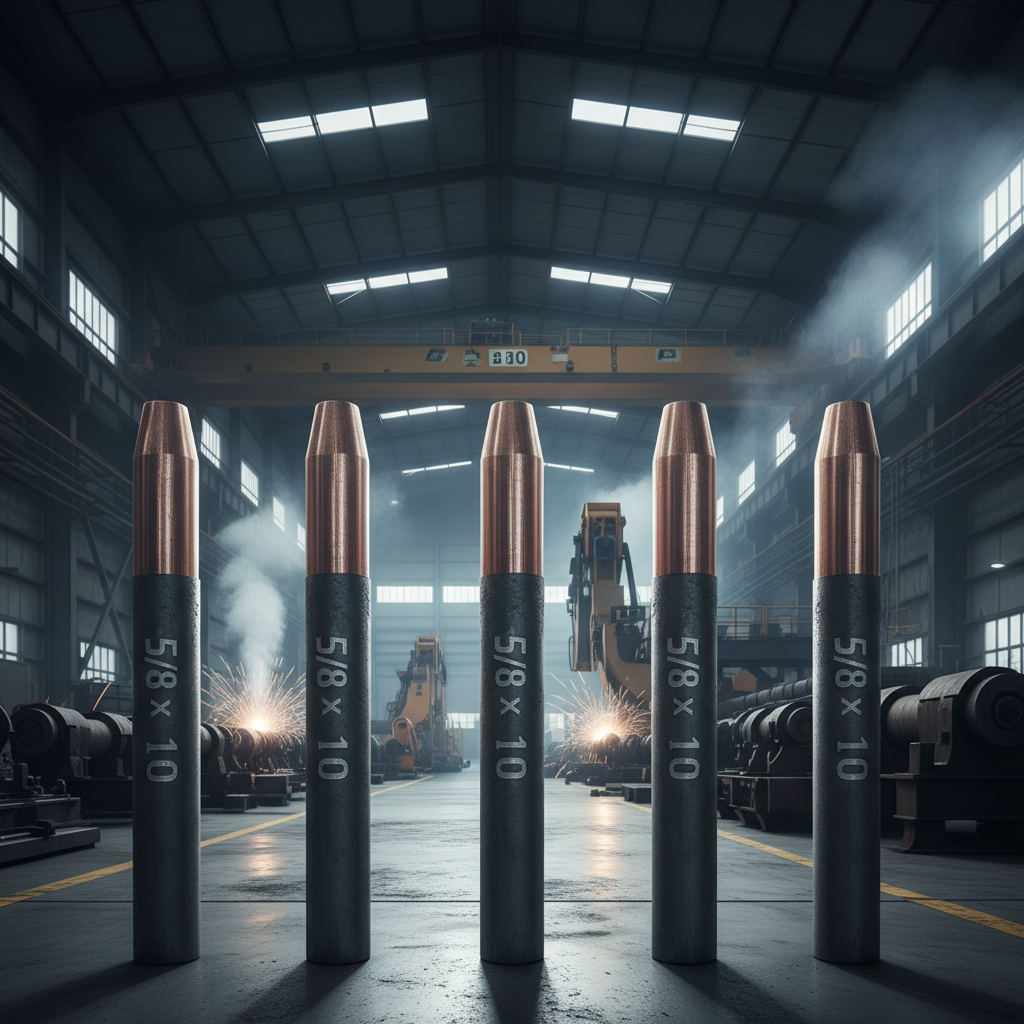
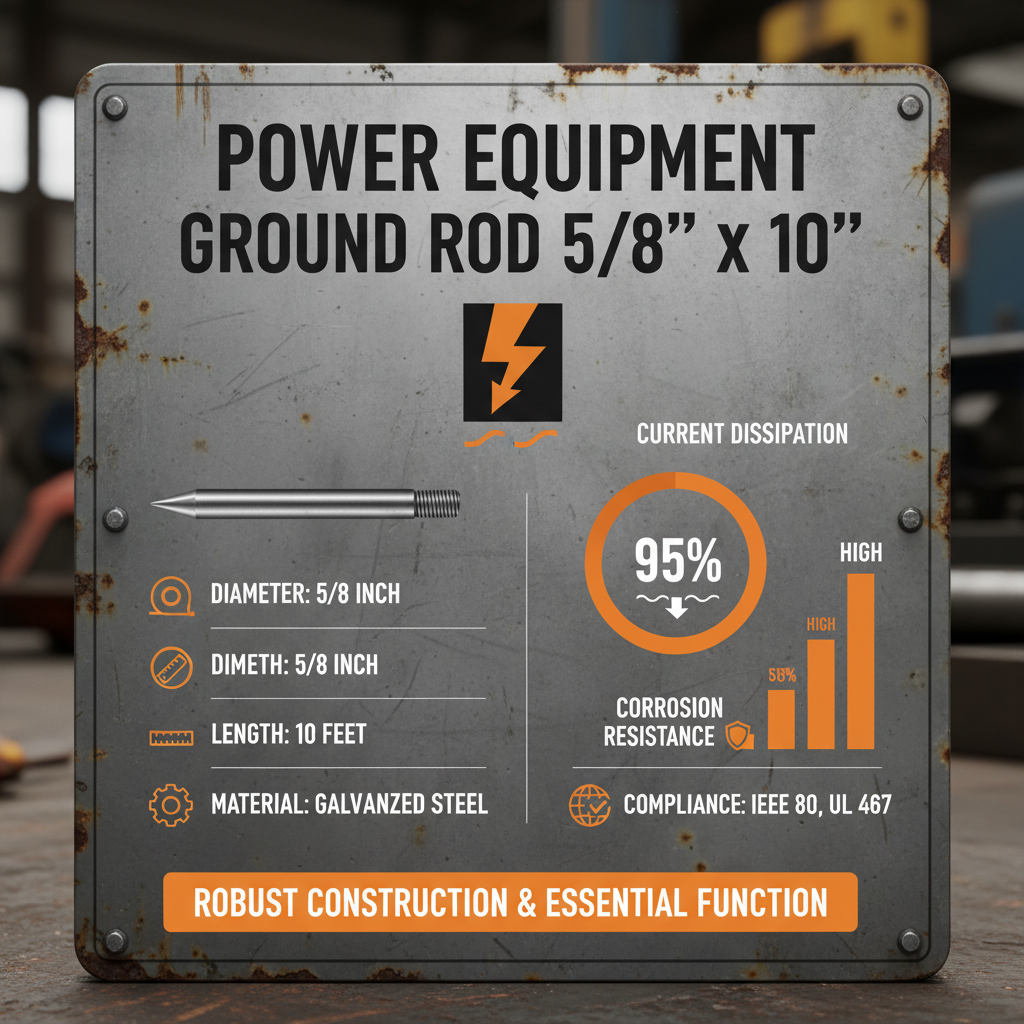
A 5/8 x 10 ground rod refers to its dimensions: 5/8 of an inch in diameter and 10 feet in length. Typically constructed from copper-clad steel, it provides a low-resistance path to ground for electrical currents. The steel core provides strength, while the copper cladding ensures excellent conductivity. These rods are designed to be driven into the earth to establish an effective ground connection, diverting fault currents safely away from people and sensitive electronics. They are a critical component of any electrical system, safeguarding against shocks and preventing damage from surges. You can find high quality ground rods at Bilopowtel.
Key Highlights: Provides a low-resistance path to ground, constructed from durable copper-clad steel, and is essential for electrical safety.
Applications of the 5/8 x 10 Ground Rod
The 5/8 x 10 ground rod has a wide range of applications, including residential electrical systems, telecommunications infrastructure, and lightning protection systems. It's commonly used to ground electrical panels, radio antennas, and other conductive structures. In residential settings, it ensures the safety of appliances and protects against electrical shocks. For telecommunications, proper grounding minimizes interference and protects sensitive equipment from damage. In lightning protection, it provides a crucial path for lightning strikes to safely dissipate into the earth. Its versatility makes it a standard choice for various grounding needs.
Common Applications:
• Residential Electrical Grounding
• Telecommunications Infrastructure
• Lightning Protection Systems
• Radio Antenna Grounding
5/8 x 10 Ground Rod vs. Other Sizes: A Comparison
While the 5/8 x 10 ground rod is a popular choice, other sizes are available. The optimal size depends on factors like soil resistivity, fault current levels, and specific application requirements. Longer rods generally provide lower resistance, but may be more difficult to install. Thicker rods offer greater strength and durability. The following table provides a comparison of common ground rod sizes:
Installing a 5/8 x 10 Ground Rod
Proper installation is critical for the effectiveness of a ground rod. Typically, it involves driving the rod vertically into the earth using a grounding rod driver. The rod should be driven until only a few inches remain above ground level. It's essential to ensure the connection to the ground wire is secure and corrosion-resistant, often using a clamp specifically designed for grounding rods. Local electrical codes should always be followed during installation. For complex installations, consulting a qualified electrician is recommended. You can get all the grounding accessories you need at Bilopowtel.
Benefits of Using a 5/8 x 10 Ground Rod
Using a 5/8 x 10 ground rod offers several benefits: it enhances electrical safety, protects equipment from damage, reduces the risk of fire, and ensures compliance with electrical codes. Its copper-clad steel construction provides a balance of conductivity and durability. A well-grounded system minimizes the potential for dangerous electrical surges and ensures the reliable operation of electrical devices. Investing in a quality ground rod and proper installation is a proactive step towards electrical safety and peace of mind.
Conclusion: Ensuring Safety with a Reliable Grounding System
The 5/8 x 10 ground rod is a vital component of any effective grounding system. By understanding its applications, installation requirements, and benefits, you can ensure a safe and reliable electrical environment. Prioritizing electrical safety is an investment in the well-being of your home, family, and equipment.
Frequently Asked Questions (FAQs)
How deep should a 5/8 x 10 ground rod be driven?
The general recommendation is to drive the ground rod until only 6-12 inches remain above ground level. This ensures sufficient contact with the earth for effective grounding. However, local electrical codes may have specific requirements, so it's crucial to consult those guidelines. In areas with rocky soil, it may be necessary to use multiple ground rods spaced at least 6 feet apart to achieve the desired grounding resistance. Proper depth is critical for optimal performance.
What is the best type of soil for grounding?
Clay soil generally provides the best grounding conductivity due to its moisture-retaining properties. Sandy or rocky soil has higher resistance and may require longer or multiple ground rods. The effectiveness of a grounding system is directly related to the soil's resistivity. Adding bentonite clay around the ground rod can improve conductivity in less-than-ideal soil conditions. A soil resistivity test can be performed to determine the best grounding strategy for a specific location.
Can I use a galvanized steel ground rod instead of copper-clad steel?
While galvanized steel ground rods are less expensive, they have higher resistance than copper-clad steel rods. Galvanized steel can also corrode over time, reducing its effectiveness. Copper-clad steel offers the best combination of conductivity, strength, and durability. For optimal grounding performance and long-term reliability, copper-clad steel is the recommended choice.
How often should ground rods be inspected?
Ground rods should be visually inspected at least once a year for signs of corrosion, damage, or looseness of the connection. Regular inspections help ensure the grounding system remains effective and reliable. If any issues are detected, they should be addressed immediately by a qualified electrician. Preventative maintenance can significantly extend the lifespan and performance of the grounding system.
Latest news
Precision Lifting and Pulling with the Lever Block 0.5 Ton Guide
NewsApr.16,2026
Precision Engineering Guide for High Performance Jet Lever
NewsApr.16,2026
Ultimate Guide to Choosing the Professional Industrial hoist lever
NewsApr.16,2026
Industrial Hoist Lever Chain Guide for Heavy Lifting and Rigging
NewsApr.16,2026
Industrial Lever Hoist Guide for Efficient Lifting and Pulling
NewsApr.16,2026
Ultimate Guide to Hand Ratchet Lift for Heavy Industrial Lifting
NewsApr.16,2026
- CONTACT
- ADDRESS: 188, Fengshou Road, Shijiazhuang. China
- EMAlL: info@bilopowtel.com
- PHONE: 0086-311-88862036
- WHATSAPP: 0086-152-26563165


