



Feb . 20, 2026 01:45 Back to list
Comprehensive Guide to Earth Bonding Wire for Electrical Safety
Understanding Earth Bonding Wire: A Comprehensive Guide
In the realm of electrical safety, earth bonding wire plays a crucial, yet often underestimated, role. This specialized wiring is vital for protecting personnel and equipment from electrical hazards. This article delves into the specifics of earth bonding wire, covering its function, types, applications, standards, and why choosing a reputable supplier like Bilopowtel is essential. Proper earth bonding ensures a safe working environment by providing a low-resistance path for fault currents.
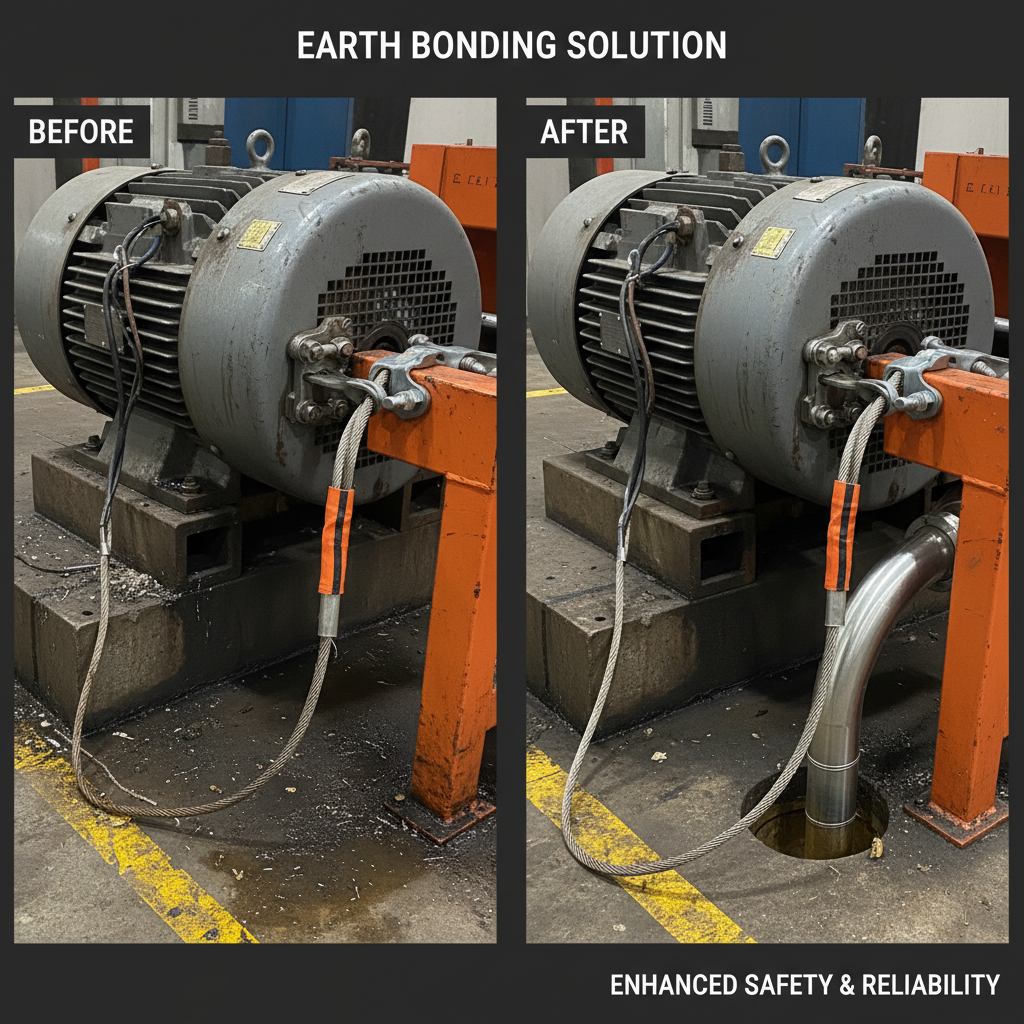
What is Earth Bonding Wire?
Earth bonding wire, also known as grounding wire, is a conductive pathway used to connect metallic parts of an electrical system to the earth (ground). Its primary function is to provide a low-resistance route for fault currents to flow back to the source, triggering protective devices like circuit breakers or fuses to quickly disconnect the power. This prevents dangerous voltage buildup on metallic enclosures, mitigating the risk of electric shock. It’s a critical component of any comprehensive electrical safety plan. Without proper bonding, a fault current could find a path through a person, causing serious injury or even death.
Key Takeaway: Earth bonding wire is a vital safety component, preventing electrical shock by providing a low-resistance path for fault currents.
Types of Earth Bonding Wire
Several types of earth bonding wire are available, each suited for different applications and environments. Common types include:
- Solid Copper Wire: Offers excellent conductivity and corrosion resistance, ideal for most applications.
- Stranded Copper Wire: More flexible than solid wire, suitable for applications requiring frequent movement or vibration.
- Tinned Copper Wire: Copper wire coated with tin, providing enhanced corrosion resistance in harsh environments.
- Aluminum Wire: Lighter and less expensive than copper, but with lower conductivity.
- Green/Yellow Sleeved Wire: Often used for earthing applications, the green/yellow sleeve provides visual identification.
The choice of wire type depends on factors such as the current carrying capacity, environmental conditions, and mechanical stresses.
Applications of Earth Bonding Wire
Earth bonding wire finds extensive application across diverse industries. Some key examples include:
- Industrial Facilities: Bonding machinery, equipment enclosures, and metal structures to prevent electrical hazards.
- Commercial Buildings: Grounding electrical panels, HVAC systems, and plumbing to ensure safety.
- Residential Properties: Connecting electrical outlets, appliances, and metal pipes to the grounding system.
- Data Centers: Bonding server racks, cabinets, and cooling systems to protect sensitive electronic equipment.
- Renewable Energy Systems: Grounding solar panels, wind turbines, and inverters to safeguard against lightning strikes and fault currents.
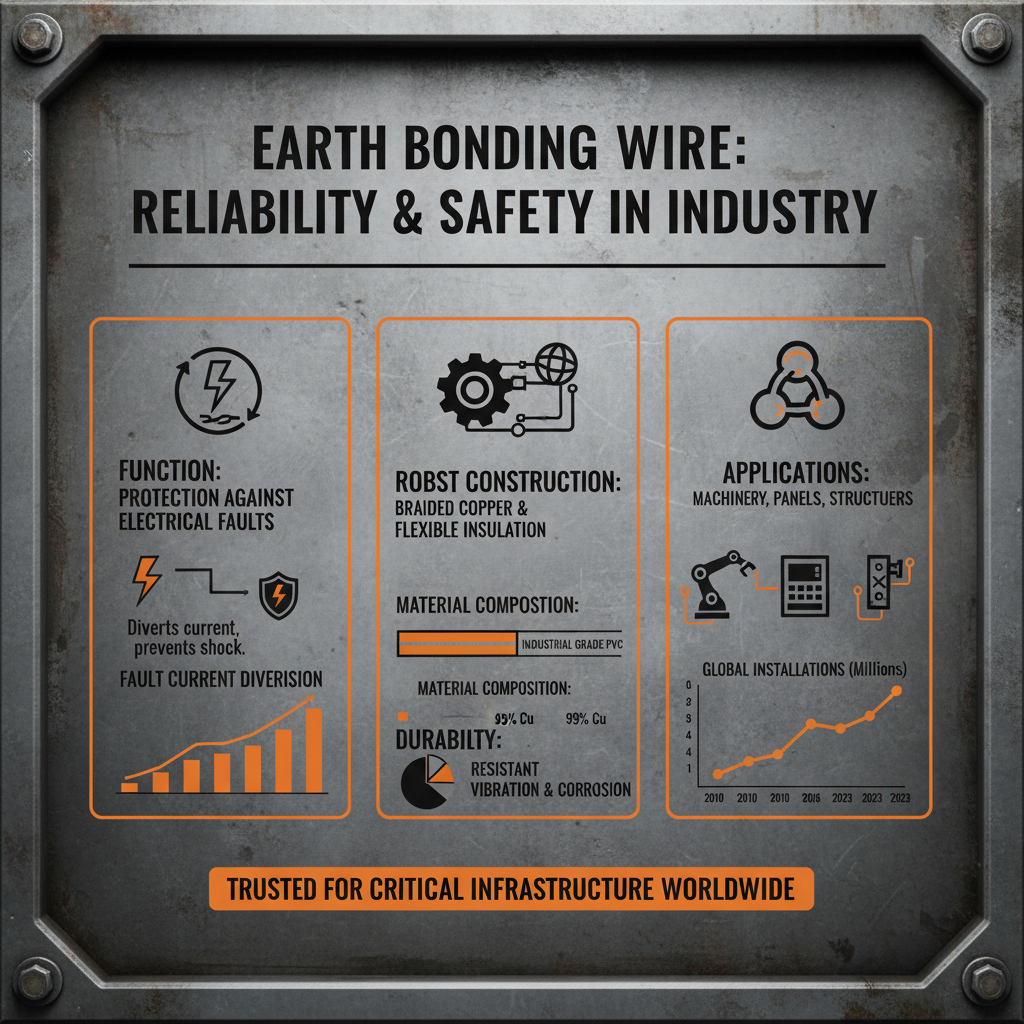
Earth Bonding Wire Specifications and Standards
Earth bonding wire must meet stringent standards to ensure its effectiveness and safety. Key standards include IEC 60364, BS 7671, and UL 467. These standards specify the wire size, material, and insulation requirements based on the intended application and current carrying capacity. Here's a table illustrating typical wire sizes and corresponding current carrying capacities (These values are approximate and may vary based on installation conditions):
Why Choose Bilopowtel for Your Earth Bonding Wire Needs?
Selecting a reliable supplier of earth bonding wire is paramount. Bilopowtel offers a comprehensive range of high-quality earth bonding wire, compliant with international standards. We provide:
- Premium Quality Materials: Ensuring long-lasting performance and reliability.
- Wide Product Range: Catering to diverse application requirements.
- Competitive Pricing: Delivering exceptional value for your investment.
- Expert Technical Support: Assisting you in selecting the right wire for your specific needs.
- Timely Delivery: Ensuring your project stays on schedule.
Conclusion: Invest in Safety with Bilopowtel
Prioritizing electrical safety begins with selecting the right earth bonding wire. Bilopowtel provides the quality, reliability, and expertise you need to protect your personnel and equipment. Contact us today to discuss your earth bonding requirements and ensure a safe and compliant electrical system.
Frequently Asked Questions (FAQs)
What is the purpose of earth bonding?
The primary purpose of earth bonding is to create a low-resistance pathway for fault currents to return to the source, tripping protective devices and preventing electrical shock. It minimizes the risk of dangerous voltage buildup on metallic enclosures and equipment, safeguarding personnel and property. Effective earth bonding is a cornerstone of electrical safety, ensuring a safe working environment. It’s not just about preventing shock; it also protects sensitive electronic equipment from damage due to voltage surges.
How often should earth bonding connections be inspected?
Earth bonding connections should be inspected regularly, ideally at least annually, and more frequently in harsh environments. Look for signs of corrosion, looseness, or damage to the wire and connections. Any compromised connections should be promptly repaired or replaced. Documentation of inspection dates and findings is recommended for maintaining a comprehensive safety record. Regular inspections ensure the continued effectiveness of the bonding system.
Can aluminum wire be used for earth bonding?
While aluminum wire can be used for earth bonding, it is generally less preferred than copper due to its lower conductivity and susceptibility to corrosion. If aluminum wire is used, it must be properly sized and protected against corrosion. Copper wire is the industry standard for most earth bonding applications due to its superior performance and reliability. Bilopowtel recommends using copper wire for optimal earth bonding performance and safety.
Latest news
Precision Lifting and Pulling with the Lever Block 0.5 Ton Guide
NewsApr.16,2026
Precision Engineering Guide for High Performance Jet Lever
NewsApr.16,2026
Ultimate Guide to Choosing the Professional Industrial hoist lever
NewsApr.16,2026
Industrial Hoist Lever Chain Guide for Heavy Lifting and Rigging
NewsApr.16,2026
Industrial Lever Hoist Guide for Efficient Lifting and Pulling
NewsApr.16,2026
Ultimate Guide to Hand Ratchet Lift for Heavy Industrial Lifting
NewsApr.16,2026
- CONTACT
- ADDRESS: 188, Fengshou Road, Shijiazhuang. China
- EMAlL: info@bilopowtel.com
- PHONE: 0086-311-88862036
- WHATSAPP: 0086-152-26563165


