



-
 Afrikaans
-
 Albanian
-
 Amharic
-
 Arabic
-
 Armenian
-
 Azerbaijani
-
 Basque
-
 Belarusian
-
 Bengali
-
 Bosnian
-
 Bulgarian
-
 Catalan
-
 Cebuano
-
 Corsican
-
 Croatian
-
 Czech
-
 Danish
-
 Dutch
-
 English
-
 Esperanto
-
 Estonian
-
 Finnish
-
 French
-
 Frisian
-
 Galician
-
 Georgian
-
 German
-
 Greek
-
 Gujarati
-
 Haitian Creole
-
 hausa
-
 hawaiian
-
 Hebrew
-
 Hindi
-
 Miao
-
 Hungarian
-
 Icelandic
-
 igbo
-
 Indonesian
-
 irish
-
 Italian
-
 Japanese
-
 Javanese
-
 Kannada
-
 kazakh
-
 Khmer
-
 Rwandese
-
 Korean
-
 Kurdish
-
 Kyrgyz
-
 Lao
-
 Latin
-
 Latvian
-
 Lithuanian
-
 Luxembourgish
-
 Macedonian
-
 Malgashi
-
 Malay
-
 Malayalam
-
 Maltese
-
 Maori
-
 Marathi
-
 Mongolian
-
 Myanmar
-
 Nepali
-
 Norwegian
-
 Norwegian
-
 Occitan
-
 Pashto
-
 Persian
-
 Polish
-
 Portuguese
-
 Punjabi
-
 Romanian
-
 Russian
-
 Samoan
-
 Scottish Gaelic
-
 Serbian
-
 Sesotho
-
 Shona
-
 Sindhi
-
 Sinhala
-
 Slovak
-
 Slovenian
-
 Somali
-
 Spanish
-
 Sundanese
-
 Swahili
-
 Swedish
-
 Tagalog
-
 Tajik
-
 Tamil
-
 Tatar
-
 Telugu
-
 Thai
-
 Turkish
-
 Turkmen
-
 Ukrainian
-
 Urdu
-
 Uighur
-
 Uzbek
-
 Vietnamese
-
 Welsh
-
 Bantu
-
 Yiddish
-
 Yoruba
-
 Zulu



May . 06, 2026 06:07 Buyela kuluhlu
Professional Conduit Fish Guide for Efficient Wire Pulling
In the demanding world of electrical infrastructure, the efficiency of wire pulling often determines the success of a project's timeline and budget. A conduit fish serves as the unsung hero of this process, providing the essential physical link required to navigate complex piping systems and pull cables through obstructed or long-distance conduits. Understanding the nuances of these tools is critical for ensuring long-term network reliability and reducing labor overhead.
Globally, the surge in smart city initiatives and the expansion of 5G infrastructure have placed unprecedented pressure on utility contractors. The need for precise, durable, and flexible cable-laying solutions has transformed the simple "fish tape" into a high-performance conduit fish system capable of traversing miles of underground piping. Without the right tools, the risk of cable jacket damage or total blockage increases significantly.
For professionals in the construction and utility sectors, mastering the application of a conduit fish is not just about convenience—it is about adherence to ISO safety standards and engineering precision. By optimizing the method of "fishing" through conduits, companies can minimize downtime and ensure that high-voltage or fiber optic lines are installed without compromising their structural integrity.
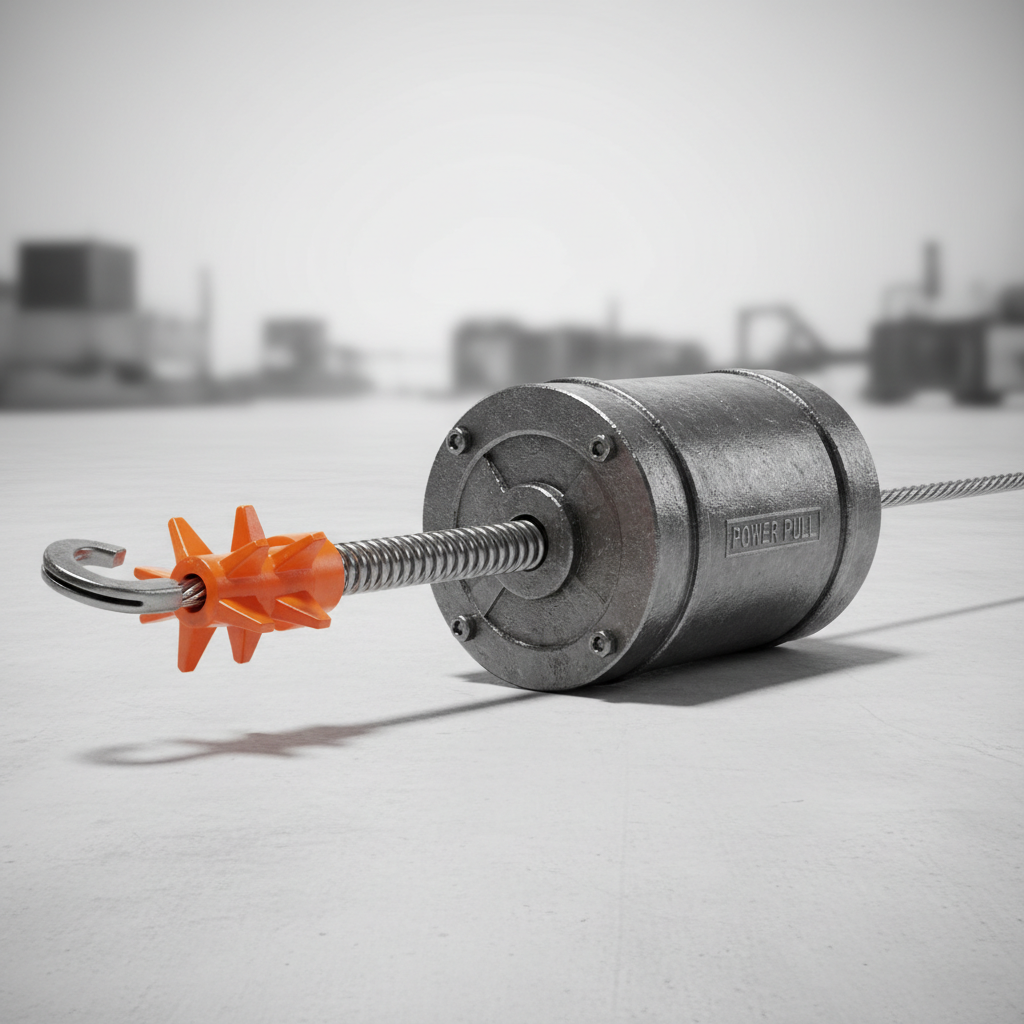
Global Industry Context of Conduit Fish
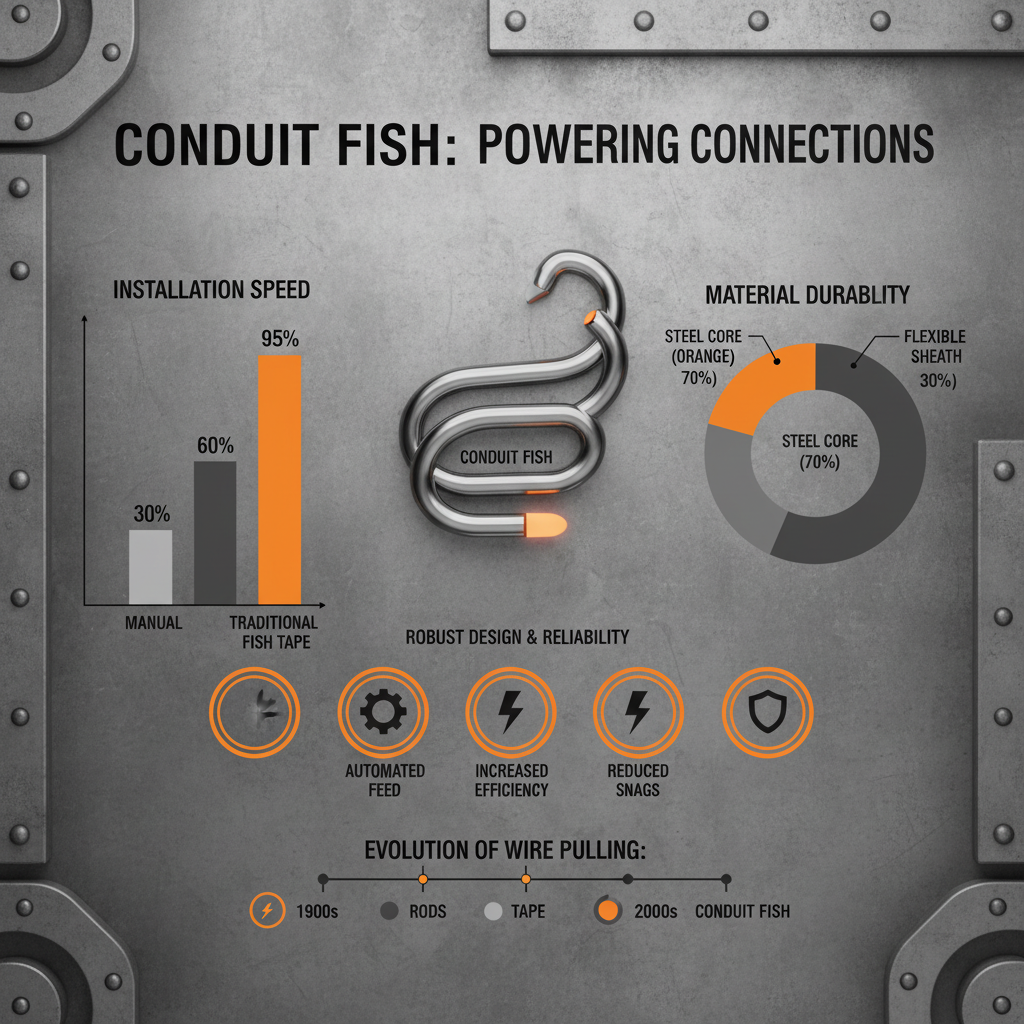
The global demand for robust electrical grids and telecommunications networks has made the conduit fish an indispensable tool across continents. In rapidly urbanizing regions of Asia and Africa, the installation of underground utilities often faces the challenge of unforeseen debris and tight bends. Industry data suggests that using an inferior fish tape can increase installation time by up to 40%, highlighting the economic necessity of professional-grade equipment.
Furthermore, the integration of high-density polyethylene (HDPE) piping in modern construction requires a conduit fish that can withstand significant friction and tension. As cities move toward "smart" infrastructure, the complexity of the conduits increases, making the ability to navigate these pathways without causing internal damage a primary goal for utility engineers worldwide.
FAQS
While "fish tape" is a general term, a professional conduit fish typically refers to a more robust, often rod-based system designed for longer distances and heavier loads. Standard tape is often thin steel for residential use, whereas a conduit fish system is engineered for industrial-grade durability, higher tensile strength, and the ability to push through several hundred meters of pipe without collapsing.
To prevent snagging, ensure you are using a conduit fish with a proper "leader" or rounded tip. Using cable lubricant on the rod can also significantly reduce friction. If you encounter resistance, avoid forcing the tool; instead, use a push-pull technique or switch to a more flexible polymer-based fish that can navigate tighter radii more effectively.
Yes, fiberglass conduit fish are excellent for this because they are non-conductive. This adds a layer of safety for technicians working near energized systems. However, always ensure the pull-string attached to the fish is also rated for the environment and that you are following all local electrical safety codes (such as NEC or IEC).
To maintain the "memory" and structural integrity of your conduit fish, it should be stored in its original reel or a dedicated storage case. Avoid leaving fiberglass rods leaning against a wall, as this can cause permanent bowing. Keep the tool clean of debris and apply a light coating of protective oil if using steel components to prevent oxidation.
Depending on the frequency of use and the environment, a high-quality conduit fish can last for 5 to 10 years. Fiberglass models may experience some wear at the joints, while steel versions may rust if not maintained. Regular inspections for cracks or bends are recommended to ensure the tool remains safe and efficient for high-tension pulls.
It is challenging but possible with a slim-profile conduit fish and high-quality lubricant. The key is to use a tool with a very smooth surface and a flexible head. However, always check the conduit fill ratio first; if the conduit is over 40% full, attempting to fish a new line may risk damaging existing cables.
Conclusion
In summary, the conduit fish is far more than a simple piece of hardware; it is a critical precision tool that enables the modern world's connectivity. From its material science—balancing flexibility with tensile strength—to its global application in disaster relief and smart city development, the right conduit fishing tool reduces labor costs, ensures cable integrity, and enhances workplace safety.
As the industry moves toward smarter, more automated installation processes, the importance of selecting a high-performance conduit fish will only grow. We recommend that contractors invest in a versatile kit comprising both fiberglass and polymer options to meet the diverse challenges of modern infrastructure. For professional-grade cable laying tools and equipment, visit our website: www.bilopowtel.com
Iindaba zamva
Professional Guide to Cable Installation with Ethernet Fish Tape
IindabaJul.01,2026
Professional Cable Installation Guide Using a Fish Tape
IindabaJun.29,2026
Professional Cable Installation Guide with 30m fish tape
IindabaJun.27,2026
Mastering Cable Installation with the 1 2 fish tape Guide
IindabaJun.26,2026
Ultimate Guide to Using 3 8 Fish Tape for Electrical Wiring
IindabaJun.25,2026
Best Electric Hoists for Sale A Complete Industrial Buyers Guide
IindabaJun.23,2026
- QHAGAMSHELANA
- Idilesi: 188, Fengshou Road, Shijiazhuang. eTshayina
- EMAlL: info@bilopowtel.com
- IPHONE: 0086-311-88862036
- WHATSAPP: 0086-152-26563165





