







Navigating narrow conduits and densely packed cable trays often requires a level of precision that standard pulling equipment cannot provide. When traditional gear fails to penetrate tight bends or restricted apertures, the use of thin fish tape becomes a critical necessity for electrical and telecommunications technicians.
Selecting the right conduit navigation tool is not merely about size, but about the balance between flexibility, tensile strength, and the ability to overcome friction. In the specialized field of metal tool manufacturing and cable laying, the "thin" profile is designed to minimize the displacement of existing wires, thereby reducing the risk of snagging or damaging critical infrastructure during the installation process.
This guide examines the technical nuances of slim-profile fish tapes, their application in modern utility environments, and how professional-grade equipment from BILO Import & Export integrates into a comprehensive cable management strategy to ensure safety and efficiency on the job site.
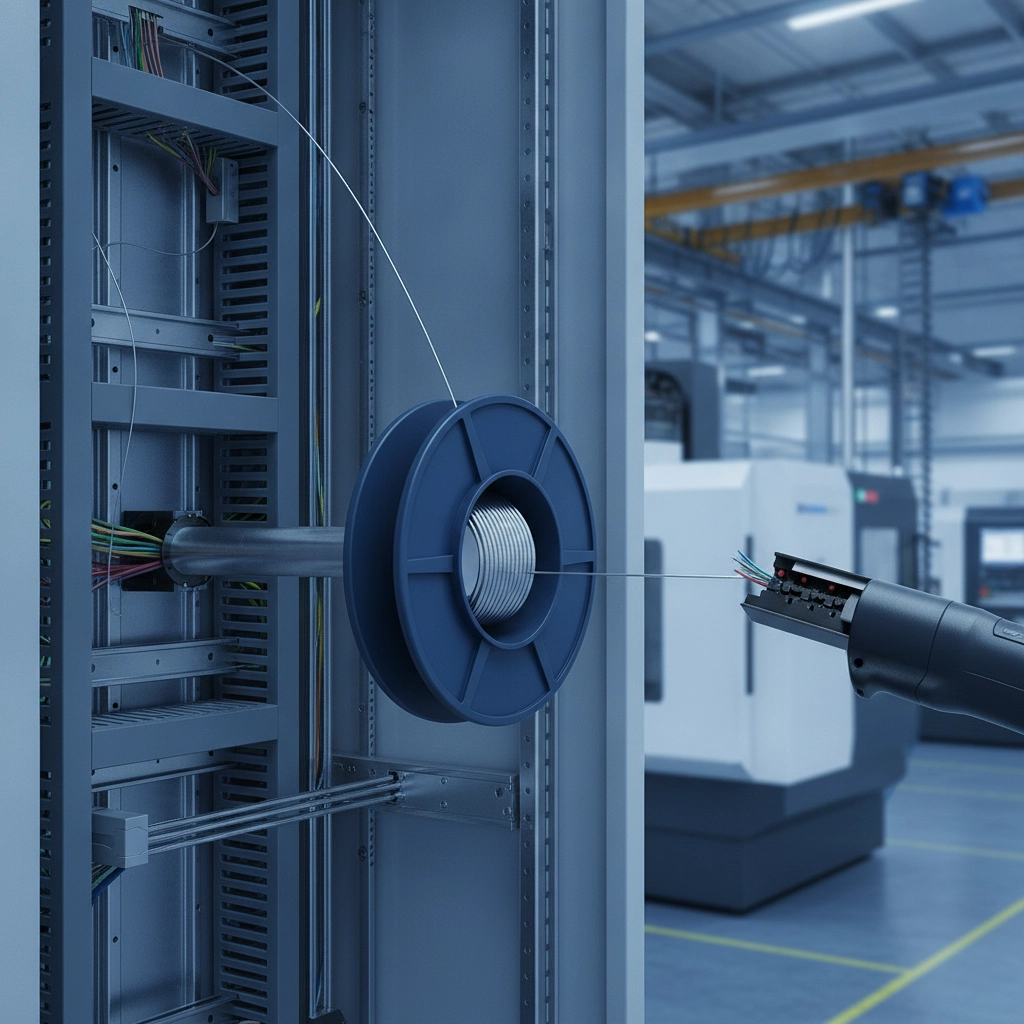
The Technical Role of Thin Fish Tape in Modern Wiring
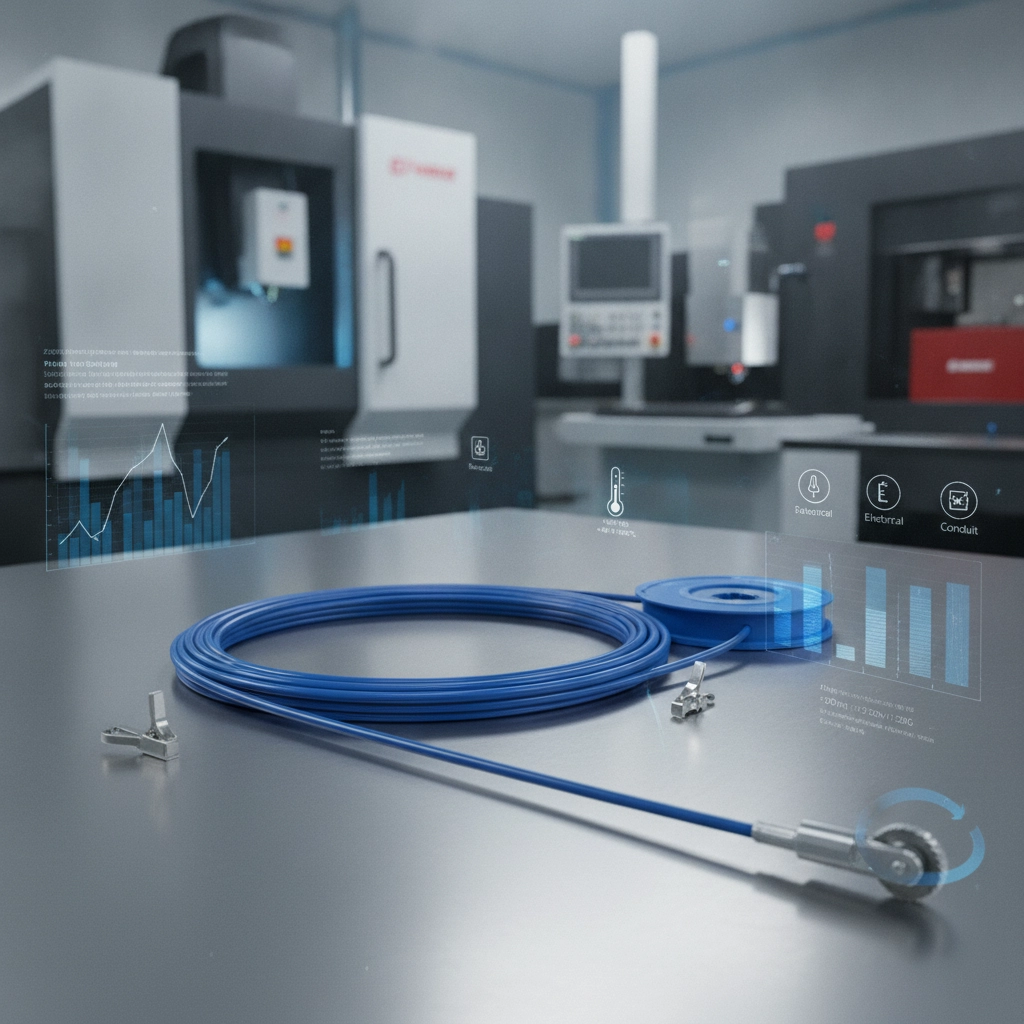
In the context of specialized equipment manufacturing, a thin fish tape is more than just a wire; it is a precision instrument used to establish a path through a conduit for the subsequent pulling of electrical wires or fiber optic cables. Its primary purpose is to penetrate the "unknown" of a conduit run, negotiating turns and obstacles that would stop a thicker, more rigid rod.
The challenge in modern construction is the increasing density of utility conduits. As buildings integrate more smart-home technologies and complex networking, the available physical space within existing pipes shrinks. A slim-profile tape reduces the "fill ratio" during the initial pull, ensuring that the tape itself does not become the obstruction.
By focusing on a reduced cross-sectional area, these tools allow technicians to work within legacy systems without the need for destructive wall removal or expensive conduit replacement. This makes them indispensable for retrofit projects where the original installation parameters are either undocumented or insufficient for current needs.
Core Engineering Characteristics and Material Advantages
High-performance fish tapes are typically engineered from materials that offer a high strength-to-weight ratio. Whether utilizing spring steel, fiberglass, or reinforced polymers, the objective is to maintain "pushability"—the ability to move forward without buckling—while remaining thin enough to navigate tight radii.
Materials such as PTFE coatings are often applied to the surface of the tape to further minimize friction. This is similar to the PTFE coating found on the blades of BILO's cable strippers, where the goal is a smooth, effortless transition through a material interface. In fish tapes, this coating prevents the tape from "binding" against the inner wall of the PVC or metal conduit.
Furthermore, the tip design is a critical engineering factor. A tapered, rounded head prevents the tape from catching on burrs or joints within the conduit, while the structural integrity of the tape ensures that once the destination is reached, it can support the weight of the cable pulling sock without snapping.
Critical Application Scenarios for Slim Conduit Tools
The deployment of thin fish tapes is most critical in environments where "blind pulls" are common. In industrial settings, this includes navigating through multi-bend steel conduits where the friction coefficient is significantly higher than in plastic piping.
Telecommunications infrastructure, particularly the installation of multi-mode fiber optic cables, requires extreme care. Since fiber is sensitive to tension and bending, using a thin, flexible tape allows the technician to establish a path with minimal resistance, ensuring that the subsequent cable pull does not exceed the maximum allowable tension of the fiber jacket.
Another key scenario is in residential retrofitting, where technicians must pull new lines through walls already filled with legacy wiring. Here, a thin fish tape can slip between existing cables in a way that a standard duct rodder cannot, providing a non-invasive solution for upgrading home network capabilities.
Comparing Pulling Efficiency Against Standard Gauges
When evaluating the performance of different tape profiles, the primary metrics are penetration depth in restricted conduits and the rate of "stuck" occurrences. Standard tapes often struggle with "coil-back" in tight spaces, whereas thin profiles maintain a more linear trajectory.
The following data illustrates the relative success rates and efficiency gains when transitioning from standard-gauge equipment to slim-profile solutions in high-density environments.
thin fish tape Performance Metrics
As indicated, the success rate for penetrating 90-degree bends in filled conduits increases significantly with thin fish tape. While the absolute tensile strength may be lower than that of a heavy-duty rodder, the ability to actually reach the endpoint makes it the superior choice for initial path-finding.
Best Practices for Deployment in Restricted Spaces
To maximize the utility of a thin fish tape, technicians should employ a "push-pull" technique. This involves pushing the tape as far as possible and then slightly retreating it to clear any temporary snags before attempting the final push through a bend.
The use of compatible cable lubricants is essential. These lubricants should be chemically inert to ensure they do not degrade the PE, PVC, or rubber jackets of the cables being pulled. This synergy between the tool's slim profile and the lubricant's friction reduction is what ensures a safe installation.
Additionally, ensuring the tape is properly tensioned during the pull is vital. Over-tensioning a thin tape can lead to permanent deformation or breakage. Technicians should use a cable pulling winch or manual tensioners to maintain a steady, controlled force, avoiding the abrupt jerks that lead to equipment failure.
Future Trends in High-Tensile Cable Pulling Materials
The industry is moving toward the integration of composite materials that combine the flexibility of polymers with the tensile strength of aramid fibers. This evolution is likely to result in tapes that are even thinner yet capable of supporting heavier cable loads.
We may also see the rise of "smart" fish tapes equipped with embedded sensors to detect blockages or measure the distance to the conduit end. Such innovations would reduce the guesswork in blind pulls and allow for more accurate project planning in complex industrial environments.
Automation in cable laying is another burgeoning trend. As hydraulic tools and motorized pullers become more precise, the demand for highly specialized, low-friction navigation tools like thin fish tapes will continue to grow to support these automated systems.
Selecting the Right Navigation Tool for Your Project
Choosing between different types of pulling tools requires an analysis of the conduit diameter, the number of bends, and the overall length of the run. A tool that is too rigid will fail in tight bends, while one that is too flexible will buckle before reaching the end.
The following table provides a decision matrix for selecting the appropriate tool based on common installation variables.
| Conduit Condition | Recommended Tool | Primary Advantage | Risk Factor |
|---|---|---|---|
| Highly Congested | Thin Fish Tape | Minimal Displacement | Lower Tensile Limit |
| Long Straight Runs | Fiberglass Rodder | High Push-Force | Poor Bend Radius |
| Complex Multi-Bend | Spring Steel Tape | Excellent Memory | Potential for Kinking |
| Fiber Optic Install | PTFE Coated Slim Tape | Ultra-Low Friction | Higher Unit Cost |
| Legacy Retrofits | Polymer Thin Tape | Non-Conductive | Lower Stiffness |
| Industrial Steel Pipe | Heavy-Duty Steel Tape | Maximum Durability | High Internal Friction |
Ultimately, the goal is to match the tool's physical properties to the environmental constraints of the site. For those managing a wide range of utility projects, maintaining a diverse kit of cable laying tools ensures that no installation becomes an impossible task.
Frequently Asked Questions
Conclusion
The successful installation of modern cabling depends heavily on the tools used to navigate the hidden paths of a building's infrastructure. A high-quality thin fish tape is an essential component of any professional toolkit, providing the necessary flexibility and low-profile design to overcome the challenges of congested conduits.
By understanding the relationship between material science, friction reduction, and application-specific needs, technicians can significantly reduce installation time and risk. For professionals seeking reliable cable laying tools and construction equipment, detailed specifications and a full range of industrial solutions are available through www.bilopowtel.com.





