


-
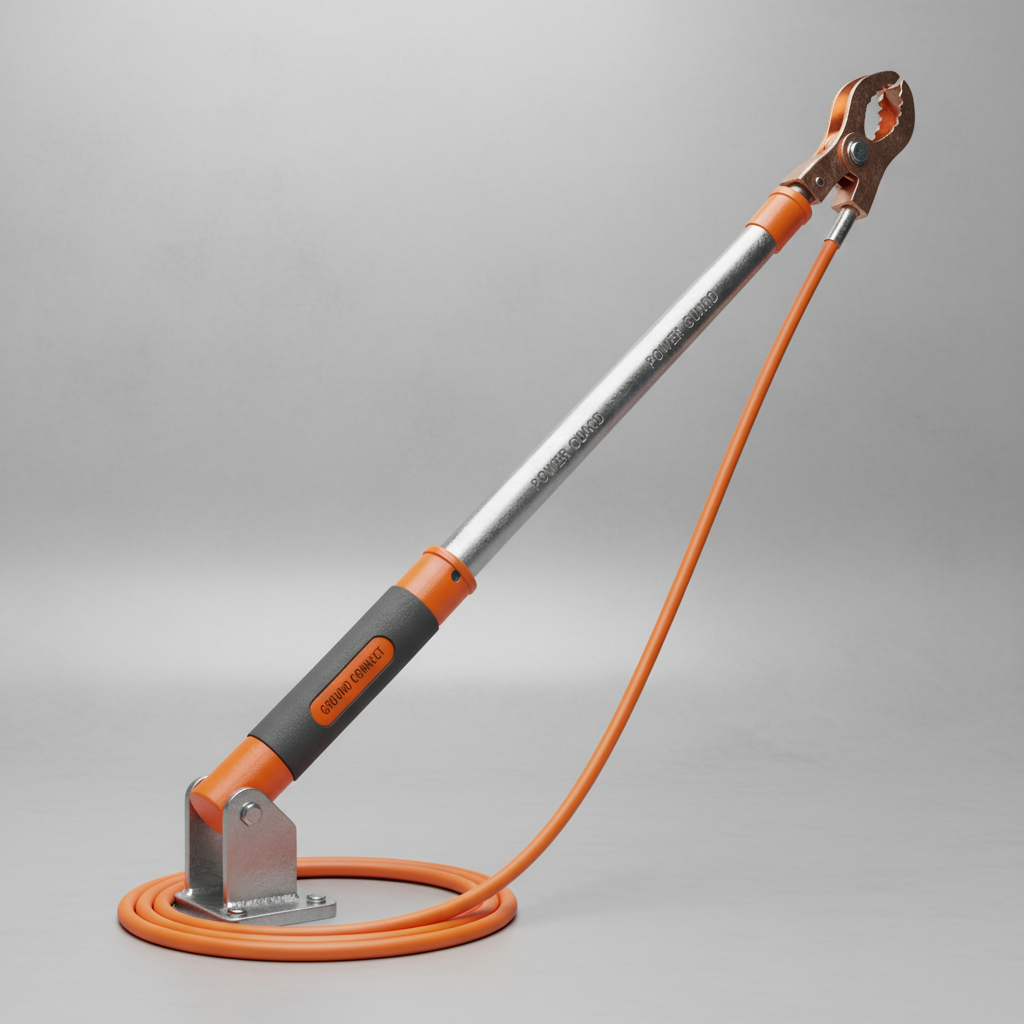
Understanding the Benefits of a Telescopic Earthing Rod for Electrical Safety
In the realm of electrical safety, a reliable earthing (grounding) system is paramount. Among the various grounding solutions available, the telescopic earthing rod stands out for its portability, adaptability, and ease of use. This article will explore the features, benefits, applications, and considerations when selecting a telescopic earthing rod, offering a comprehensive guide for professionals and safety officers. Proper grounding is essential for preventing electrical shock, protecting equipment, and ensuring a safe working environment. We'll delve into why these rods are a crucial component of any robust safety protocol. A telescopic earthing rod is a portable grounding device designed to establish a low-resistance connection to earth. It consists of multiple conductive rods that slide within each other, allowing the length of the rod to be adjusted to suit various soil conditions and grounding requirements. This adjustability is a key advantage over fixed-length grounding rods. They are typically made from copper-clad steel, combining the conductivity of copper with the strength and durability of steel. The primary function is to provide a safe path for fault currents to flow to ground, minimizing the risk of electric shock and equipment damage.Devamını oku -
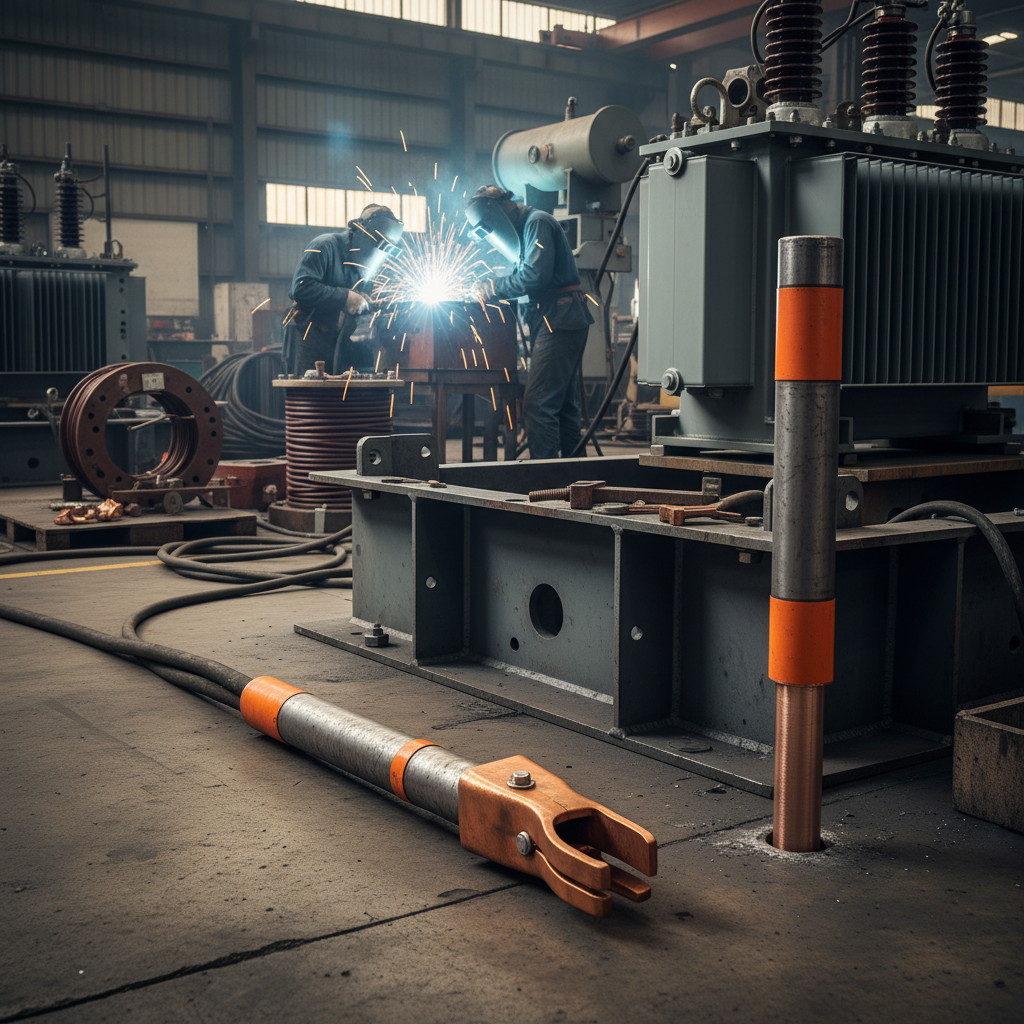
Understanding the Vital Role of a Short Ground Rod in Electrical Safety
In the realm of electrical grounding, a short ground rod plays a crucial role in ensuring safety and system reliability. Proper grounding is paramount for protecting equipment, preventing electrical shock, and facilitating the effective dissipation of fault currents. This article will delve into the applications, benefits, selection criteria, and installation best practices for short ground rods, providing valuable insights for professionals and homeowners alike. Effective grounding solutions, like those offered by Bilopowtel, are vital for safeguarding electrical systems and protecting lives. A short ground rod is a conductive rod, typically made of copper-clad steel, driven into the earth to provide a low-resistance pathway for electrical current to flow to the ground. Unlike longer ground rods used in comprehensive grounding systems, short ground rods (typically 4-8 feet in length) are often utilized in specific applications where space is limited, or a supplemental grounding point is needed. They are commonly used for individual equipment grounding, lightning protection systems, and temporary power installations. Using a high-quality ground rod from Bilopowtel ensures excellent conductivity and long-lasting performance.Devamını oku -
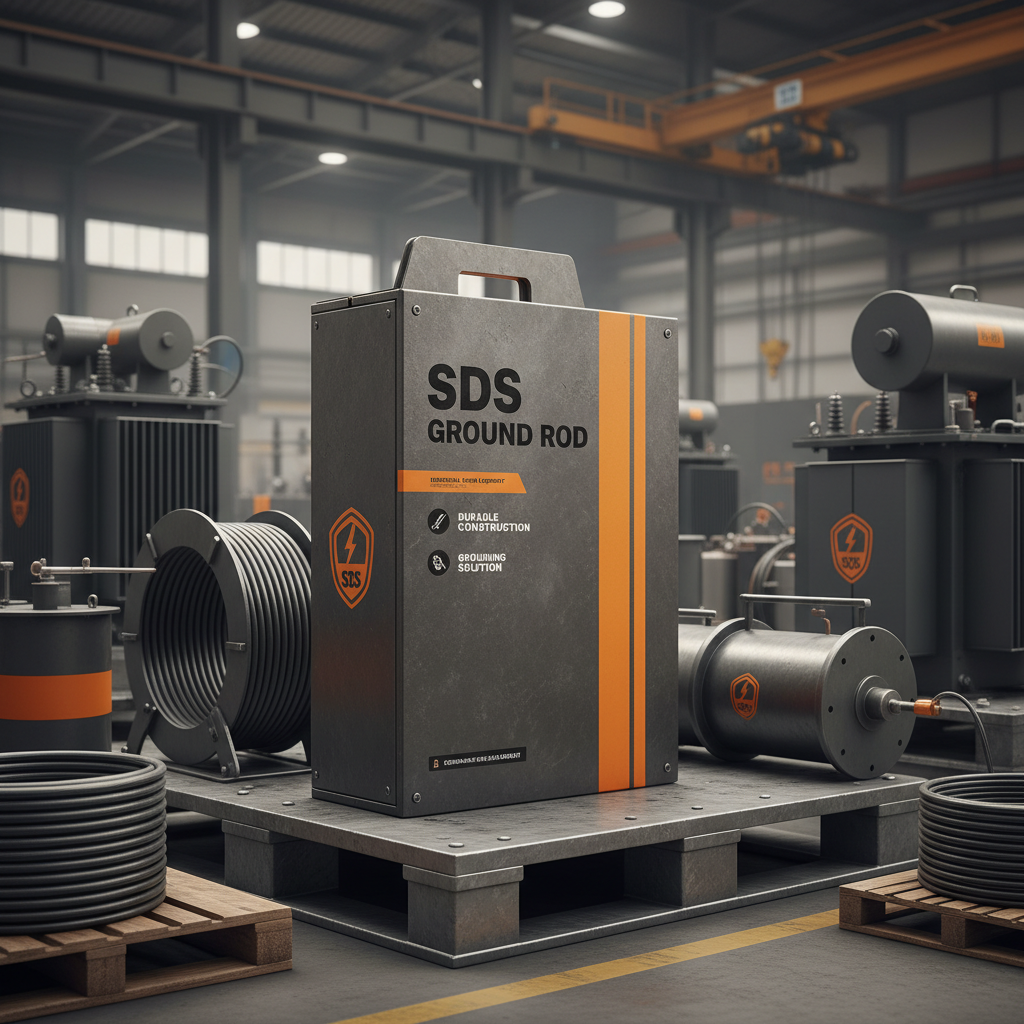
Effective Grounding Solutions with High Quality SDS Ground Rods
In the realm of electrical safety and grounding solutions, SDS ground rods play a critical role. These rods, offered by companies like Bilopowtel, are essential components for dissipating fault currents and ensuring the safety of electrical systems. This article delves into the intricacies of SDS ground rods, covering their purpose, types, installation, and benefits. Effective grounding is paramount in protecting equipment, preventing electrical hazards, and maintaining the reliability of power distribution networks. Let's explore how SDS ground rods contribute to a safer electrical environment. An SDS ground rod is a specialized grounding electrode designed to provide a low-resistance path for electrical current to flow into the earth. “SDS” typically refers to the connection method – a steel driving stud welded to the rod. This allows for easy and secure connection of grounding conductors. Grounding is vital for several reasons: it protects personnel from electric shock, safeguards sensitive electronic equipment from damage due to voltage surges, and prevents fires caused by electrical faults.Devamını oku -
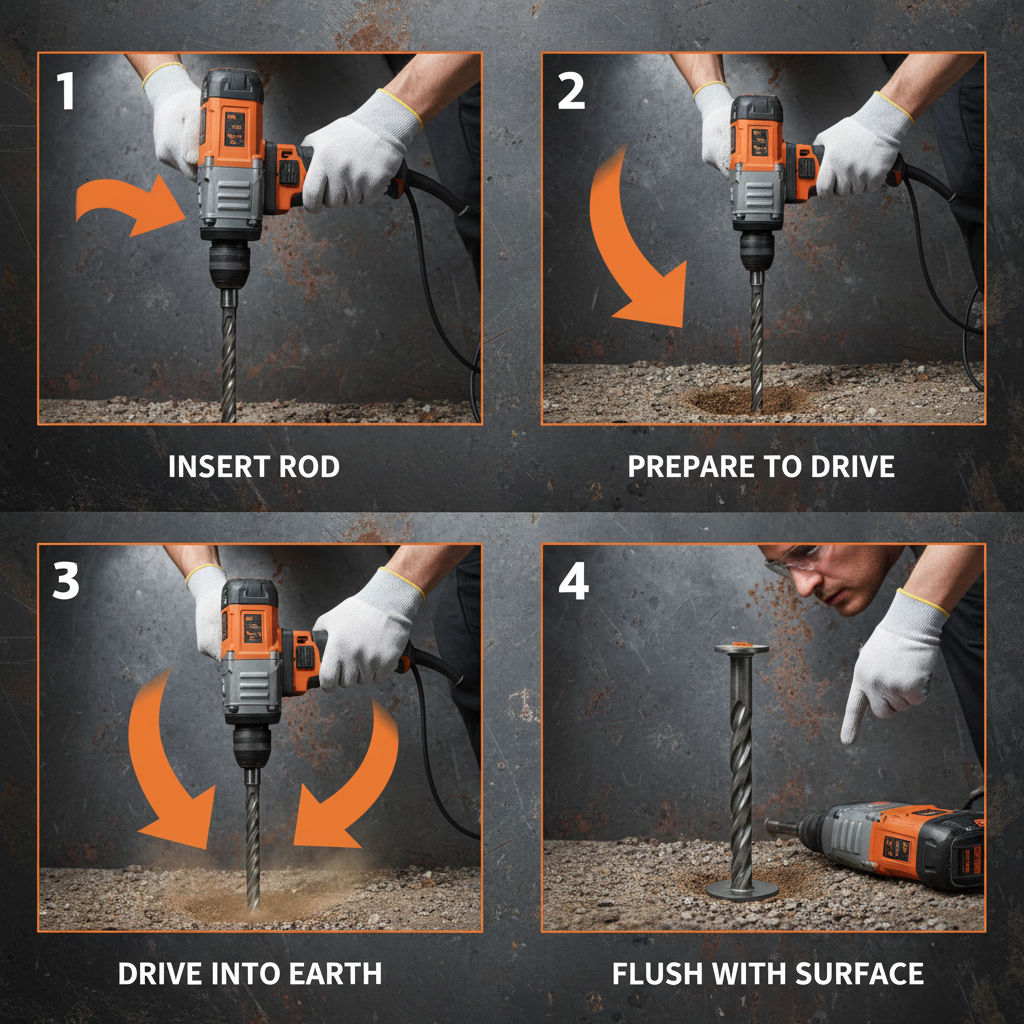
SDS Max Ground Rod A Comprehensive Guide to Installation and Benefits
Ensuring a reliable grounding system is critical for safety and optimal performance in various applications, from electrical installations to telecommunications. The SDS Max Ground Rod offered by Bilopowtel provides a robust and efficient solution. This article delves into the features, installation process, and benefits of utilizing SDS Max Ground Rods, providing a comprehensive overview for professionals and DIY enthusiasts alike. Proper grounding minimizes electrical hazards and enhances the longevity of your equipment. We will explore why Bilopowtel's ground rods are a trusted choice for diverse projects. SDS Max Ground Rods are specifically designed for quick and efficient installation using an SDS Max rotary hammer drill. The robust construction, typically made from copper-clad steel, ensures excellent conductivity and corrosion resistance. These rods are ideal for situations requiring deep grounding, such as in areas with high soil resistivity. The SDS Max shank allows for powerful driving into the ground, minimizing physical effort and installation time. Compared to traditional methods, using an SDS Max ground rod significantly improves efficiency and reduces labor costs. Bilopowtel’s SDS Max ground rods are manufactured to stringent quality standards, guaranteeing reliable performance.Devamını oku -
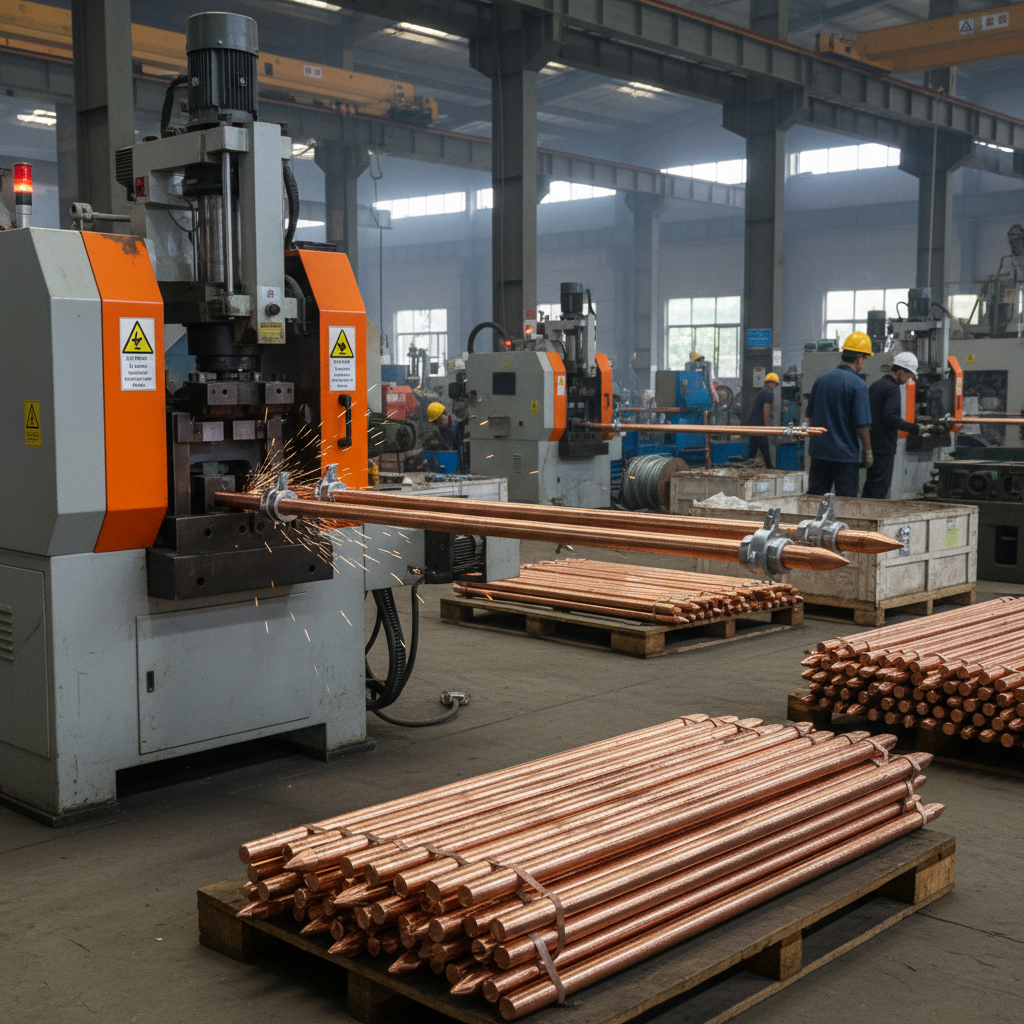
Comprehensive Guide to Residential Electrical Ground Rods and Safety
Ensuring a safe and reliable electrical system for your home starts beneath the surface. Residential electrical ground rods are a critical component of that system, providing a pathway for fault currents to dissipate safely into the earth. This article will delve into the purpose of ground rods, types available, installation best practices, and key considerations for maintaining a secure grounding system. Understanding these aspects is essential for homeowners and professionals alike. Proper grounding isn't just about code compliance – it’s about protecting your family and property. Ground rods are vital for safety because they provide a low-resistance path for electrical current to flow back to the source in the event of a fault, such as a short circuit. Without a proper ground, this current can build up on metal appliances, pipes, or even the structural components of your home, creating a potentially lethal shock hazard. Furthermore, a grounded system helps protect sensitive electronic equipment from damage caused by power surges and lightning strikes. The National Electrical Code (NEC) mandates grounding systems for residential electrical installations, and adherence to these codes is paramount for safety and insurance purposes.Devamını oku -
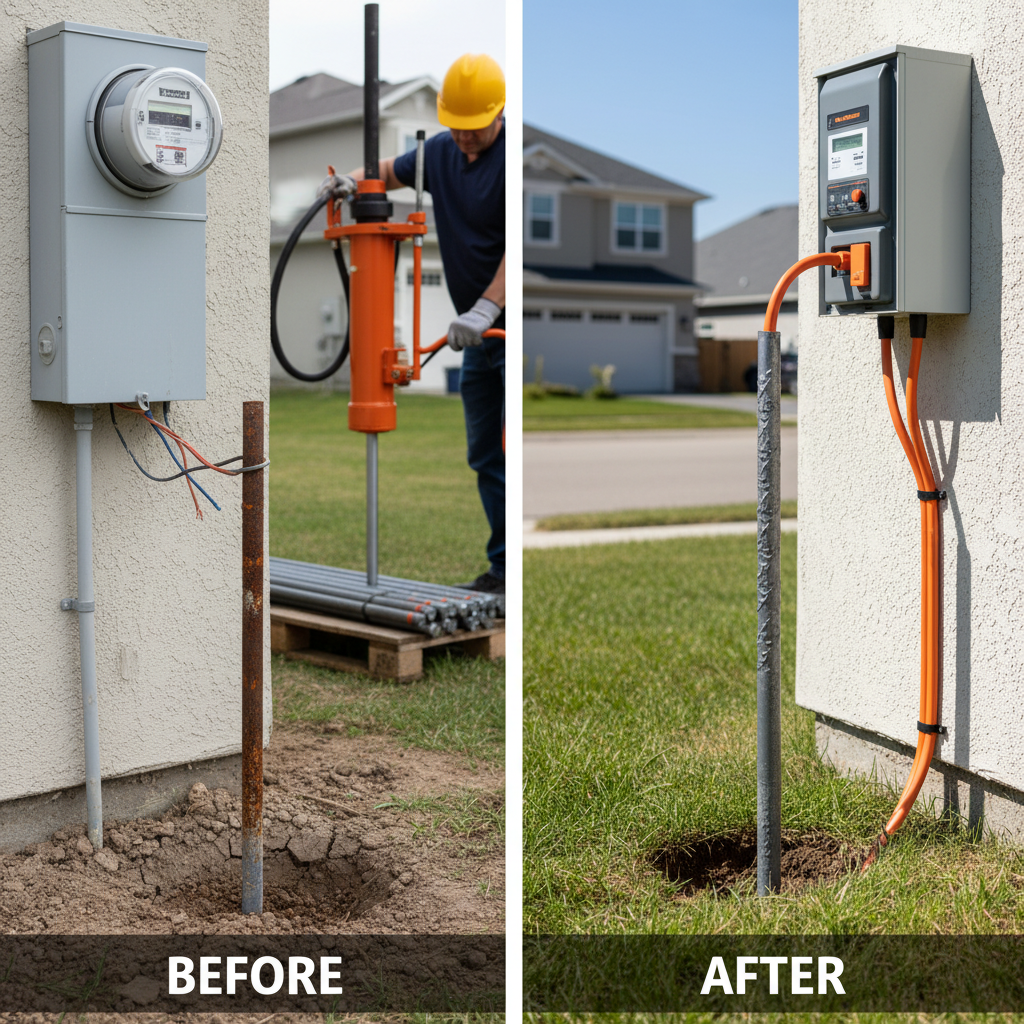
Comprehensive Guide to Residential Ground Rods for Enhanced Electrical Safety
A residential ground rod is a crucial component of your home’s electrical safety system. It provides a path for stray electrical currents to safely dissipate into the earth, protecting your home and family from electrical shock and damage. This article will explore the importance of ground rods, installation considerations, materials, and how Bilopowtel provides quality solutions for your grounding needs. Proper grounding is essential for a safe and functional electrical system. We’ll cover everything you need to know to ensure your home is adequately protected. Ground rods act as a critical safety mechanism within your electrical system. They prevent dangerous voltage buildup by providing a low-resistance path for current to flow into the earth during a fault. Without a properly grounded system, appliances could become energized, posing a severe shock hazard. Ground rods also protect sensitive electronics from power surges and fluctuations, extending their lifespan. They are a foundational element in ensuring the safety and reliability of your home’s electrical infrastructure. A well-maintained ground rod system is a small investment that provides significant peace of mind.Devamını oku -
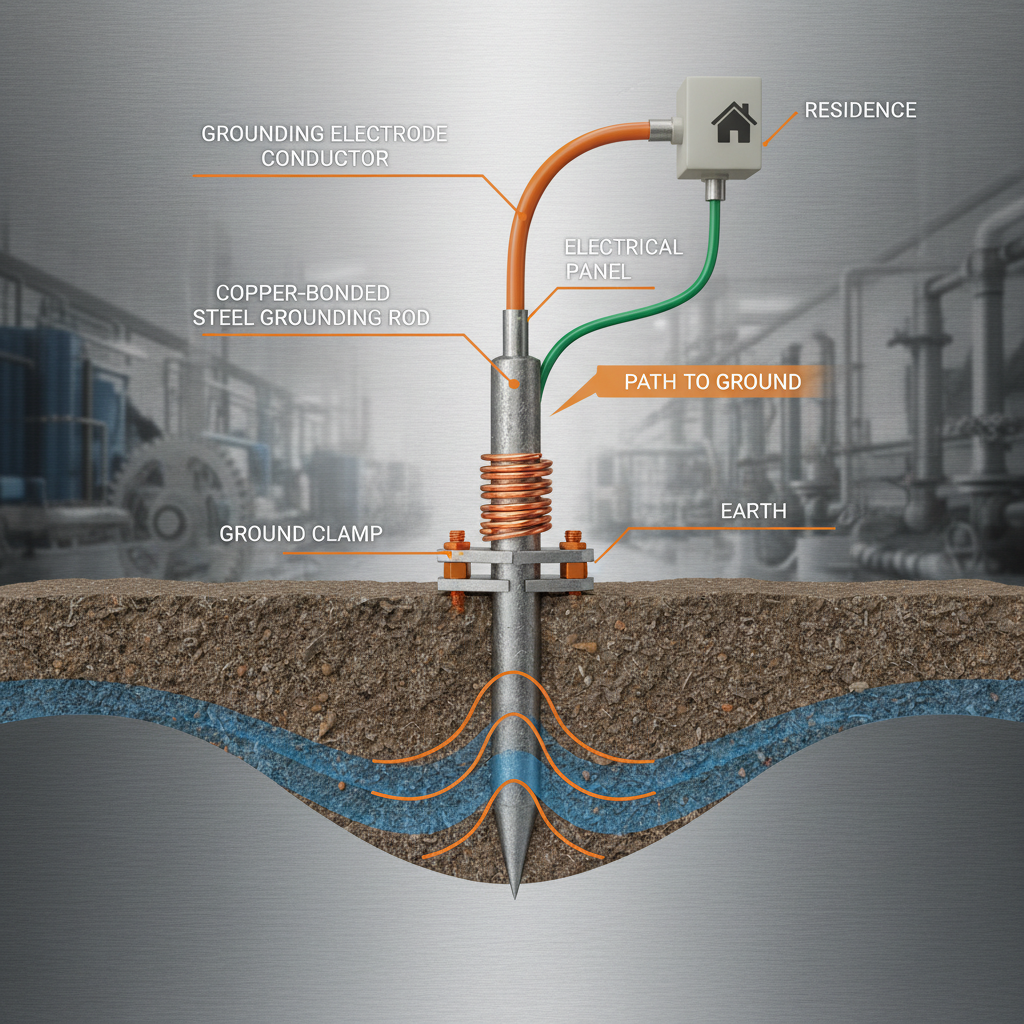
Comprehensive Guide to Residential Grounding Rods for Home Electrical Safety
A properly grounded electrical system is paramount for safety in any home. Central to this system is the residential grounding rod, a critical component that diverts dangerous electrical currents into the earth. This article will explore the importance of grounding rods, their types, installation best practices, and how to choose the right one for your needs. We will also highlight where you can find quality grounding rods and related electrical supplies. Understanding these details is vital for homeowner safety and protecting your property. Explore our range of grounding solutions at Bilopowtel.com. Grounding rods provide a path of least resistance for electrical current to flow back to the source in the event of a fault, such as a short circuit. Without proper grounding, this current can build up, creating a shock hazard for occupants and potentially causing fires. A grounding rod essentially safeguards your home and family by channeling excess electricity safely into the earth. It’s a foundational element of your home’s electrical safety system, mandated by electrical codes for a reason.Devamını oku -
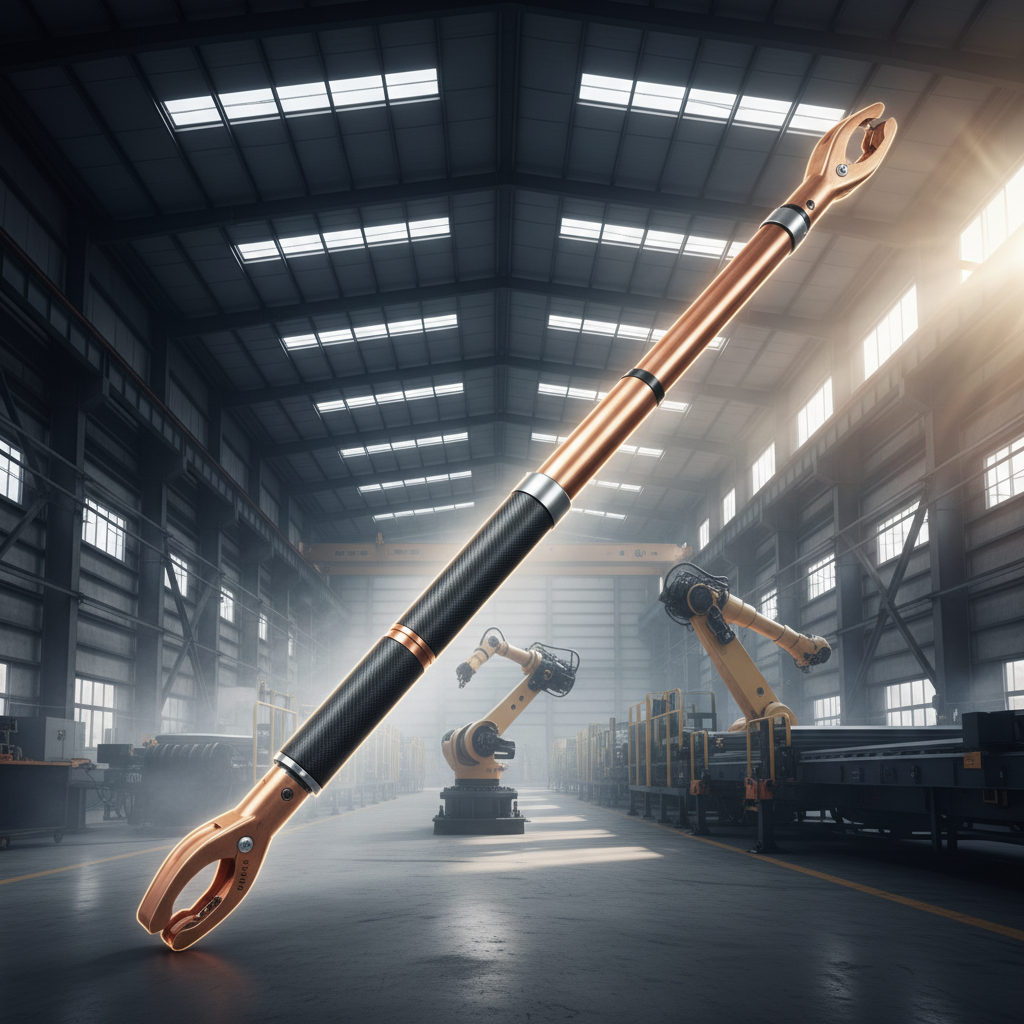
The Critical Role of a Portable Earthing Rod in Electrical Safety and International Projects
In the realm of electrical safety, especially within cross-border projects and industrial settings, a reliable earthing system is paramount. A crucial component of this system is the portable earthing rod. This article will delve into the features, applications, and benefits of using a portable earthing rod, specifically focusing on its relevance for international trade and projects. Proper earthing is vital to prevent electrical shocks, equipment damage, and ensure worker safety. Choosing the right portable earthing rod is essential for maintaining a secure and compliant working environment. A portable earthing rod is a self-contained grounding system designed for temporary or mobile applications. It typically consists of a grounding rod, a clamp, and a cable. Its primary function is to provide a low-resistance path to earth for fault currents, minimizing the risk of electric shock and damage to electrical equipment. Unlike permanently installed earthing systems, portable rods offer flexibility and are crucial in scenarios where a fixed grounding point isn't available or practical.Devamını oku -
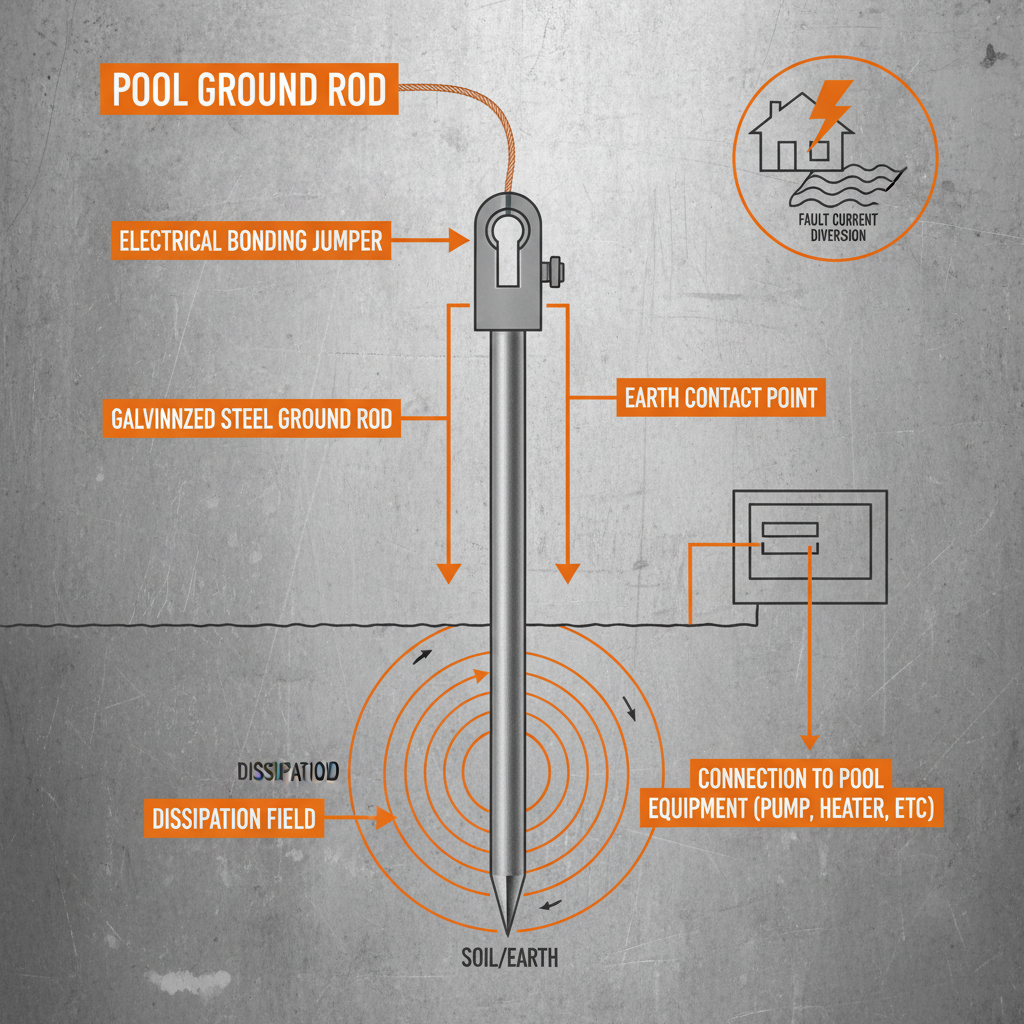
Comprehensive Guide to Pool Ground Rods Installation and Safety Measures
Maintaining a safe and effective grounding system is crucial for any swimming pool. A pool ground rod plays a vital role in this process, protecting swimmers and equipment from electrical hazards. This article provides an in-depth look at pool ground rods, covering their purpose, installation, types, and best practices. Understanding these essentials will help you ensure the safety and longevity of your pool. Learn how to select the right ground rod for your needs and maintain a secure electrical connection. Visit Bilopowtel for a wide selection of high-quality grounding solutions. A pool ground rod is a metallic rod, typically made of copper or copper-clad steel, driven into the earth near a swimming pool. Its primary function is to provide a low-resistance path for electrical current to flow safely into the ground in the event of a fault. This is critical because pool water is conductive, meaning it can easily transmit electricity.Devamını oku -
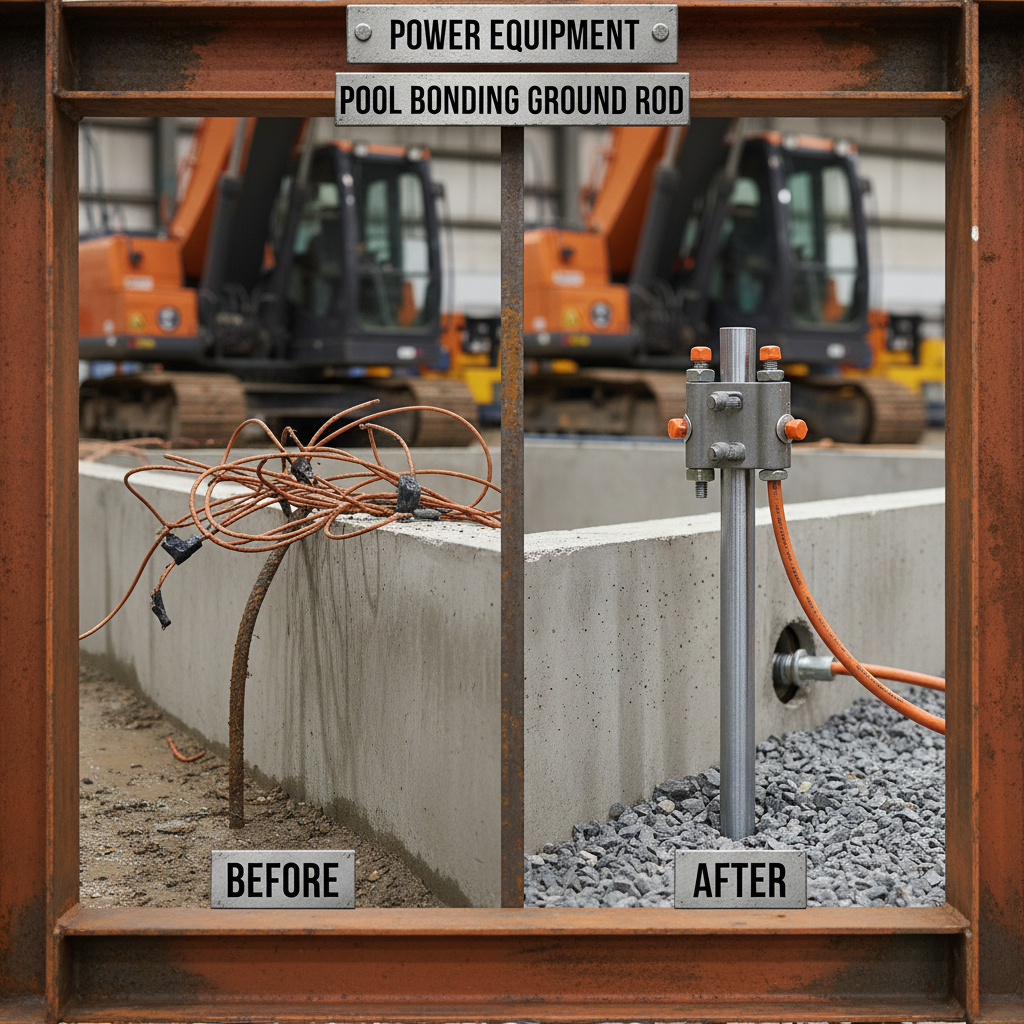
Comprehensive Guide to Pool Bonding and the Vital Role of a Ground Rod
Maintaining a safe swimming environment is paramount for pool owners. A crucial aspect of this safety is proper pool bonding, which relies heavily on a correctly installed pool bonding ground rod. This article will comprehensively cover the purpose of pool bonding, the role of the ground rod, installation best practices, and troubleshooting common issues. We’ll explore why a properly bonded pool is essential to protect swimmers and comply with electrical safety regulations. Ignoring these measures can lead to dangerous, potentially fatal, electrical hazards. Pool bonding is the process of electrically connecting all metallic components within and around your pool area – including pumps, filters, ladders, railings, and even the reinforcing steel (rebar) within the pool structure itself. The purpose is to create an equipotential plane, meaning all these metal objects will be at the same electrical potential. This eliminates voltage differences that could shock a swimmer if a fault occurs. Without bonding, a fault current could energize these metal parts, turning them into potential shock hazards.Devamını oku -
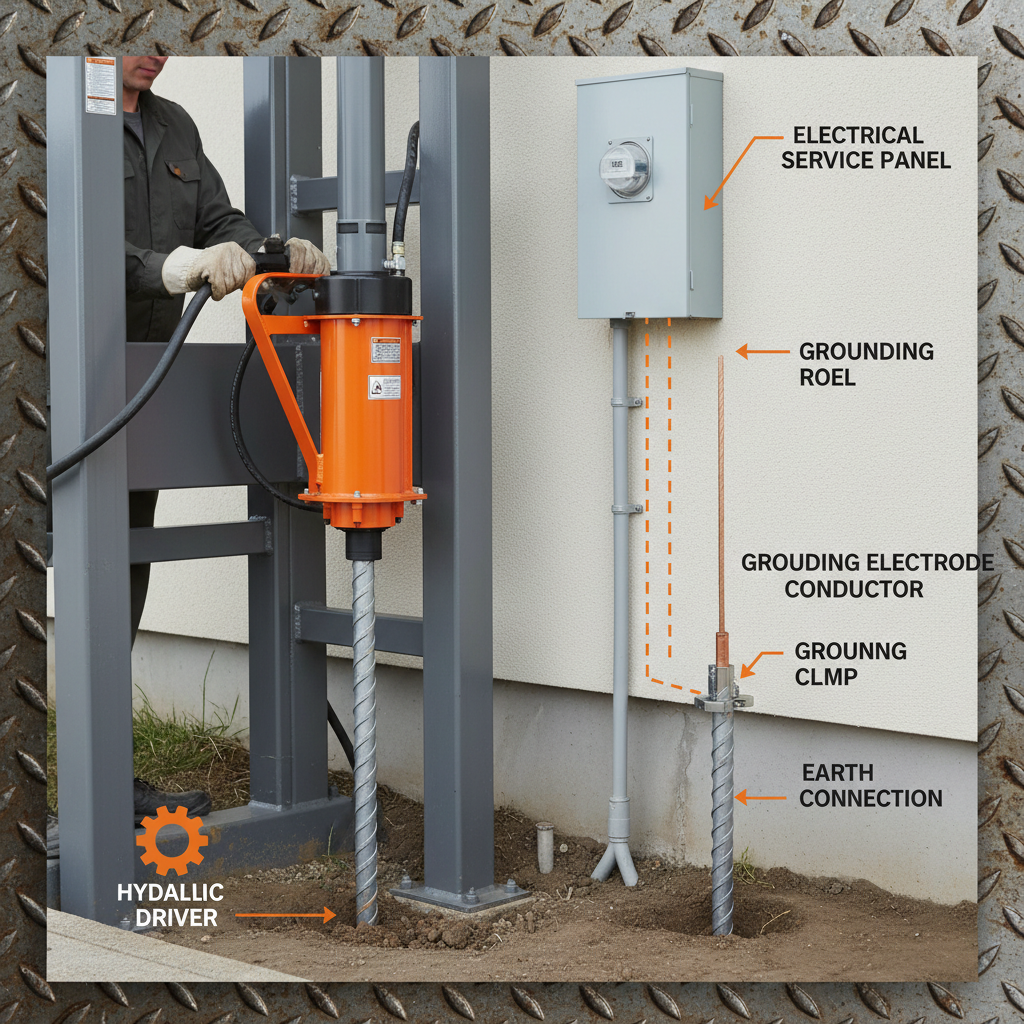
Comprehensive Guide to Installing a Grounding Rod Residential for Safety
Ensuring your home's electrical system is properly grounded is crucial for safety and protecting your valuable electronics. A grounding system provides a safe path for electrical currents to flow in the event of a fault, minimizing the risk of shock and fire. This guide will walk you through the process of installing a grounding rod residential, covering everything from choosing the right materials to the proper installation techniques. Proper grounding is not just a good idea; it’s often required by local electrical codes. Understanding these procedures will empower you to maintain a safe and reliable electrical system in your home. Grounding provides a low-resistance path for stray electrical current to return to the source, typically the electrical panel. Without grounding, this current could build up on metal objects, creating a dangerous shock hazard. It also protects sensitive electronic equipment from voltage surges, safeguarding your investment. A properly installed grounding system is a critical component of a safe and functional electrical system, and adhering to local electrical codes is paramount. Grounding is especially important in older homes that may not have been originally groundedDevamını oku -
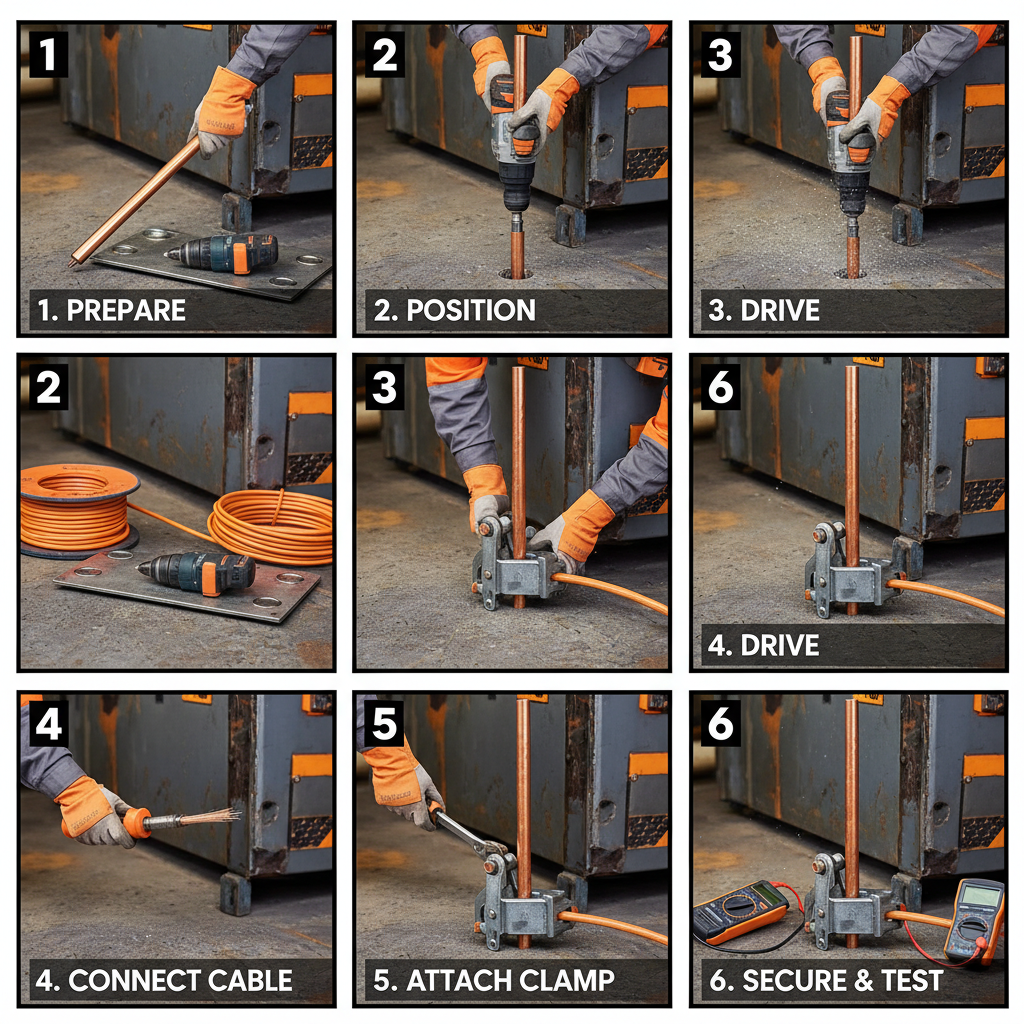
A Detailed Guide to Installing an Earth Rod for Optimal Electrical Safety
Ensuring a safe and effective grounding system is critical for electrical safety in any setting, from residential properties to large industrial facilities. A key component of this system is the earth rod, and knowing how to properly installing an earth rod is paramount. This article provides a detailed guide to the process, covering everything from choosing the right rod to ensuring a secure connection. A correctly installed earth rod provides a low-resistance path for fault currents, protecting people and equipment from electrical hazards. We will explore best practices and essential safety considerations. The first step in installing an earth rod is selecting the appropriate one for your needs. Earth rods come in various materials, lengths, and diameters. Copper rods are excellent conductors but are more expensive. Galvanized steel rods are a more affordable option and provide good corrosion resistance. The length of the rod depends on the soil resistivity; higher resistivity requires longer rods. Generally, a minimum of 2.4 meters (8 feet) is recommended, but it may need to be longer in rocky or sandy soils.Devamını oku

-
 Afrikaans
-
 Albanian
-
 Amharic
-
 Arabic
-
 Armenian
-
 Azerbaijani
-
 Basque
-
 Belarusian
-
 Bengali
-
 Bosnian
-
 Bulgarian
-
 Catalan
-
 Cebuano
-
 Corsican
-
 Croatian
-
 Czech
-
 Danish
-
 Dutch
-
 English
-
 Esperanto
-
 Estonian
-
 Finnish
-
 French
-
 Frisian
-
 Galician
-
 Georgian
-
 German
-
 Greek
-
 Gujarati
-
 Haitian Creole
-
 hausa
-
 hawaiian
-
 Hebrew
-
 Hindi
-
 Miao
-
 Hungarian
-
 Icelandic
-
 igbo
-
 Indonesian
-
 irish
-
 Italian
-
 Japanese
-
 Javanese
-
 Kannada
-
 kazakh
-
 Khmer
-
 Rwandese
-
 Korean
-
 Kurdish
-
 Kyrgyz
-
 Lao
-
 Latin
-
 Latvian
-
 Lithuanian
-
 Luxembourgish
-
 Macedonian
-
 Malgashi
-
 Malay
-
 Malayalam
-
 Maltese
-
 Maori
-
 Marathi
-
 Mongolian
-
 Myanmar
-
 Nepali
-
 Norwegian
-
 Norwegian
-
 Occitan
-
 Pashto
-
 Persian
-
 Polish
-
 Portuguese
-
 Punjabi
-
 Romanian
-
 Russian
-
 Samoan
-
 Scottish Gaelic
-
 Serbian
-
 Sesotho
-
 Shona
-
 Sindhi
-
 Sinhala
-
 Slovak
-
 Slovenian
-
 Somali
-
 Spanish
-
 Sundanese
-
 Swahili
-
 Swedish
-
 Tagalog
-
 Tajik
-
 Tamil
-
 Tatar
-
 Telugu
-
 Thai
-
 Turkish
-
 Turkmen
-
 Ukrainian
-
 Urdu
-
 Uighur
-
 Uzbek
-
 Vietnamese
-
 Welsh
-
 Bantu
-
 Yiddish
-
 Yoruba
-
 Zulu



TELEFON:
0086-311-88862036

- TEMAS ETMEK
- ADDRESS: 188, Fengshou Road, Shijiazhuang. China
- E-POSTA: info@bilopowtel.com
- TELEFON: 0086-311-88862036
- NABER: 0086-152-26563165


Copyright © 2026 Shijiazhuang Bilo Import and Export Trading Co., Ltd. All Rights Reserved. Sitemap | Privacy Policy

BlLo lmport & Éxport is specialized in power and cable equipment andconsiruction tools,Qur main producis are FRP
duct rodder, cable rollerscable pulling winch, cable drum jack, cable pulling sock, etc.


Copyright © 2026 Shijiazhuang Bilo Import and Export Trading Co., Ltd. All Rights Reserved. Sitemap | Privacy Policy



