-
 Afrikaans
-
 Albanian
-
 Amharic
-
 Arabic
-
 Armenian
-
 Azerbaijani
-
 Basque
-
 Belarusian
-
 Bengali
-
 Bosnian
-
 Bulgarian
-
 Catalan
-
 Cebuano
-
 Corsican
-
 Croatian
-
 Czech
-
 Danish
-
 Dutch
-
 English
-
 Esperanto
-
 Estonian
-
 Finnish
-
 French
-
 Frisian
-
 Galician
-
 Georgian
-
 German
-
 Greek
-
 Gujarati
-
 Haitian Creole
-
 hausa
-
 hawaiian
-
 Hebrew
-
 Hindi
-
 Miao
-
 Hungarian
-
 Icelandic
-
 igbo
-
 Indonesian
-
 irish
-
 Italian
-
 Japanese
-
 Javanese
-
 Kannada
-
 kazakh
-
 Khmer
-
 Rwandese
-
 Korean
-
 Kurdish
-
 Kyrgyz
-
 Lao
-
 Latin
-
 Latvian
-
 Lithuanian
-
 Luxembourgish
-
 Macedonian
-
 Malgashi
-
 Malay
-
 Malayalam
-
 Maltese
-
 Maori
-
 Marathi
-
 Mongolian
-
 Myanmar
-
 Nepali
-
 Norwegian
-
 Norwegian
-
 Occitan
-
 Pashto
-
 Persian
-
 Polish
-
 Portuguese
-
 Punjabi
-
 Romanian
-
 Russian
-
 Samoan
-
 Scottish Gaelic
-
 Serbian
-
 Sesotho
-
 Shona
-
 Sindhi
-
 Sinhala
-
 Slovak
-
 Slovenian
-
 Somali
-
 Spanish
-
 Sundanese
-
 Swahili
-
 Swedish
-
 Tagalog
-
 Tajik
-
 Tamil
-
 Tatar
-
 Telugu
-
 Thai
-
 Turkish
-
 Turkmen
-
 Ukrainian
-
 Urdu
-
 Uighur
-
 Uzbek
-
 Vietnamese
-
 Welsh
-
 Bantu
-
 Yiddish
-
 Yoruba
-
 Zulu



Feb . 15, 2026 06:10 Бозгашт ба рӯйхат
Heavy Duty Cable Roller Solutions for Efficient Material Handling
The demand for efficient and reliable material handling solutions is escalating globally, driven by advancements in logistics, infrastructure development, and industrial automation. At the heart of many of these systems lie ролики кабелӣ вазифаи вазнин, crucial components designed to facilitate the smooth and secure movement of heavy loads. These rollers aren’t merely supporting elements; they are integral to optimizing operational efficiency, reducing downtime, and ensuring workplace safety across diverse industries. Understanding their capabilities and applications is paramount in today’s interconnected world.
The increasing complexity of modern supply chains, coupled with the rising costs of labor and energy, necessitates robust and cost-effective solutions for material handling. Cable roller heavy duty equipment directly addresses these challenges by offering a durable, scalable, and often automated approach to load transfer. From mining operations to manufacturing plants, and even in specialized logistics hubs, these rollers are becoming increasingly indispensable for streamlining workflows and improving overall productivity.
Furthermore, the focus on sustainability and minimizing environmental impact has prompted a search for more efficient and long-lasting equipment. Cable roller heavy duty systems, particularly those incorporating advanced materials and designs, contribute to these goals by reducing friction, lowering energy consumption, and extending the lifespan of critical infrastructure. The strategic implementation of these rollers isn’t just about moving materials; it's about building a more resilient and sustainable future.
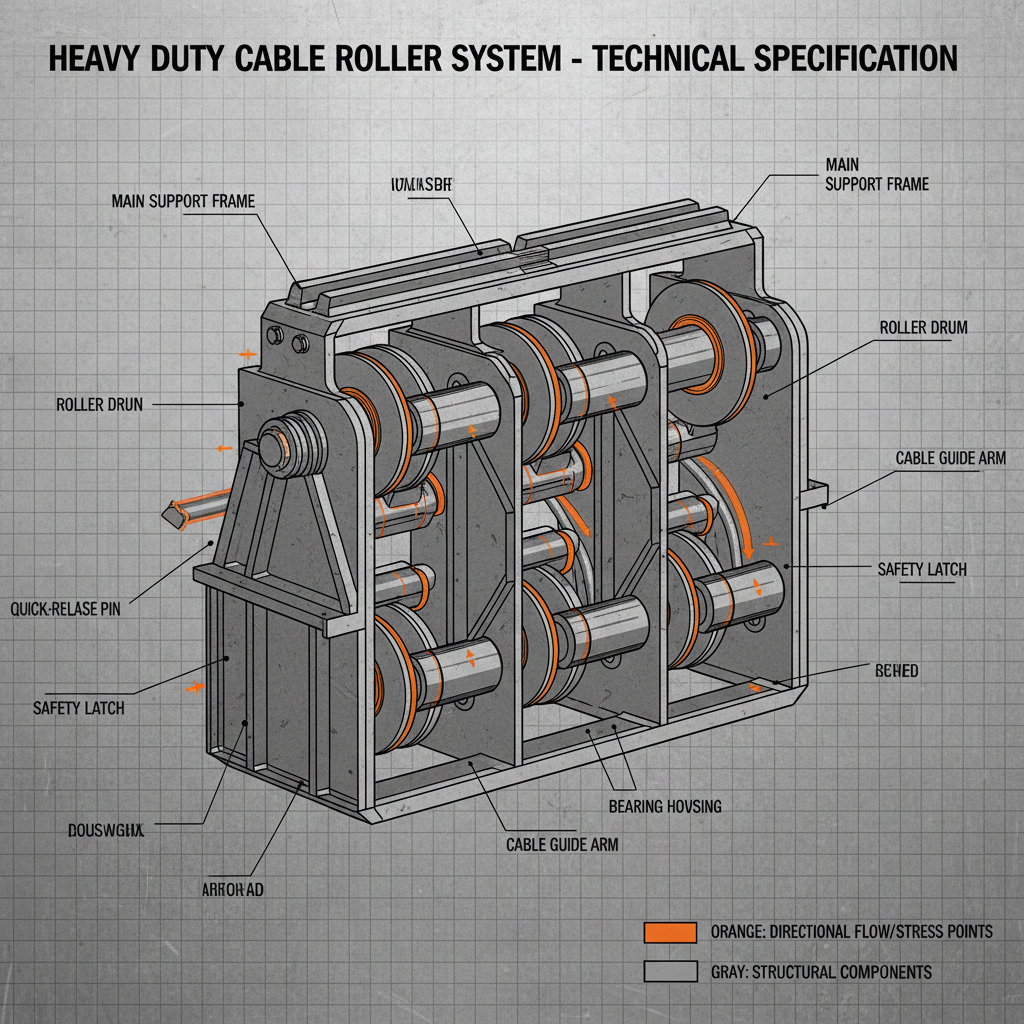
Introduction to cable roller heavy duty
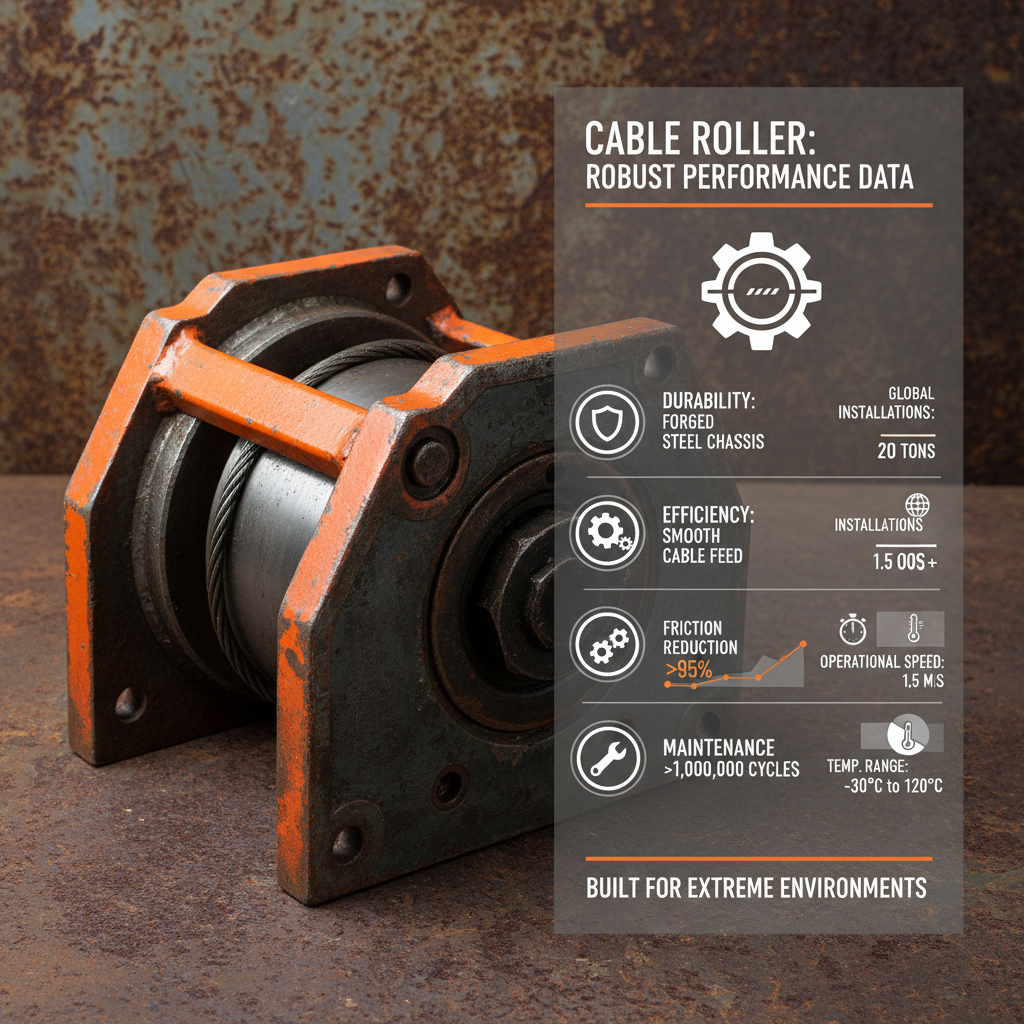
Cable roller heavy duty systems represent a cornerstone of modern material handling. They are engineered to withstand significant loads, provide smooth and consistent movement, and minimize friction, all crucial factors in optimizing industrial processes. The specific design and materials used in these rollers vary greatly, depending on the application and the demands placed upon them.
These systems aren’t limited to a single industry. They find applications in conveyor systems within manufacturing plants, mining operations requiring the transport of ore, logistics facilities handling large volumes of goods, and even within specialized applications like aerospace and automotive assembly lines. Their versatility and adaptability are key drivers of their widespread adoption.
Саволҳо
The load capacity of a ролики кабелӣ вазифаи вазнин depends on several factors including the roller’s diameter, the material it’s constructed from (steel, polymer, composite), the bearing type and size, and the overall structural design of the roller assembly. A larger diameter and stronger materials generally provide a higher load capacity. Accurate calculation requires considering dynamic loads and safety factors.
In corrosive environments, choosing the correct material is vital. Stainless steel alloys are often preferred for their excellent corrosion resistance, but specialized polymers and coatings can also provide adequate protection. Consider the specific chemicals present, their concentration, and the expected exposure duration when making your selection. Regular inspection and maintenance are also crucial.
Regular maintenance for ролики кабелӣ вазифаи вазнин includes lubrication of bearings, inspection for wear and tear, and checking for proper alignment. Periodic cleaning to remove debris and contaminants is also essential. Early detection of issues can prevent costly downtime and extend the roller’s lifespan. Consider implementing a preventative maintenance schedule.
Yes, ролики кабелӣ вазифаи вазнин can often be customized. Manufacturers can modify dimensions, materials, bearing types, and mounting options to meet specific application requirements. Customization ensures optimal performance and integration with existing systems. Providing detailed specifications is essential for accurate customization.
The lifespan of a ролики кабелӣ вазифаи вазнин varies considerably depending on operating conditions, load, maintenance, and material quality. With proper maintenance, a well-designed roller can last for several years, even in demanding environments. However, regular inspections are crucial to identify and address potential issues before they lead to failure.
Proper alignment is critical for smooth operation and preventing premature wear. Use laser alignment tools to ensure rollers are parallel and level. Regularly check alignment, especially after installation or any adjustments to the conveyor system. Misalignment can cause excessive friction, increased energy consumption, and potential damage.
Conclusion
In conclusion, ролики кабелӣ вазифаи вазнин play a vital, often unseen, role in driving efficiency and productivity across a wide range of industries. From streamlining manufacturing processes to facilitating large-scale mining operations, these rollers provide a reliable and cost-effective solution for material handling. Their adaptability, durability, and increasingly sophisticated features – such as integration with smart sensors – make them an indispensable component of modern industrial infrastructure.
Looking forward, advancements in materials science, automation, and IoT technologies will continue to shape the evolution of ролики кабелӣ вазифаи вазнин. Investing in high-quality rollers and implementing proactive maintenance strategies will be essential for maximizing operational efficiency, reducing downtime, and building a more sustainable future. To learn more about our range of heavy-duty cable rollers and how they can benefit your operations, visit our website: www.bilopowtel.com.
Охирин хабарҳо
Professional Guide to Cable Installation with Ethernet Fish Tape
АхборJul.01,2026
Professional Cable Installation Guide Using a Fish Tape
АхборJun.29,2026
Professional Cable Installation Guide with 30m fish tape
АхборJun.27,2026
Mastering Cable Installation with the 1 2 fish tape Guide
АхборJun.26,2026
Ultimate Guide to Using 3 8 Fish Tape for Electrical Wiring
АхборJun.25,2026
Best Electric Hoists for Sale A Complete Industrial Buyers Guide
АхборJun.23,2026
- Тамос
- АДРЕС: 188, роди Фэншоу, Шицзячуан. Хитой
- ПОЧТА: info@bilopowtel.com
- ТЕЛЕФОН: 0086-311-88862036
- WHATSAPP: 0086-152-26563165