



-
 Afrikaans
-
 Albanian
-
 Amharic
-
 Arabic
-
 Armenian
-
 Azerbaijani
-
 Basque
-
 Belarusian
-
 Bengali
-
 Bosnian
-
 Bulgarian
-
 Catalan
-
 Cebuano
-
 Corsican
-
 Croatian
-
 Czech
-
 Danish
-
 Dutch
-
 English
-
 Esperanto
-
 Estonian
-
 Finnish
-
 French
-
 Frisian
-
 Galician
-
 Georgian
-
 German
-
 Greek
-
 Gujarati
-
 Haitian Creole
-
 hausa
-
 hawaiian
-
 Hebrew
-
 Hindi
-
 Miao
-
 Hungarian
-
 Icelandic
-
 igbo
-
 Indonesian
-
 irish
-
 Italian
-
 Japanese
-
 Javanese
-
 Kannada
-
 kazakh
-
 Khmer
-
 Rwandese
-
 Korean
-
 Kurdish
-
 Kyrgyz
-
 Lao
-
 Latin
-
 Latvian
-
 Lithuanian
-
 Luxembourgish
-
 Macedonian
-
 Malgashi
-
 Malay
-
 Malayalam
-
 Maltese
-
 Maori
-
 Marathi
-
 Mongolian
-
 Myanmar
-
 Nepali
-
 Norwegian
-
 Norwegian
-
 Occitan
-
 Pashto
-
 Persian
-
 Polish
-
 Portuguese
-
 Punjabi
-
 Romanian
-
 Russian
-
 Samoan
-
 Scottish Gaelic
-
 Serbian
-
 Sesotho
-
 Shona
-
 Sindhi
-
 Sinhala
-
 Slovak
-
 Slovenian
-
 Somali
-
 Spanish
-
 Sundanese
-
 Swahili
-
 Swedish
-
 Tagalog
-
 Tajik
-
 Tamil
-
 Tatar
-
 Telugu
-
 Thai
-
 Turkish
-
 Turkmen
-
 Ukrainian
-
 Urdu
-
 Uighur
-
 Uzbek
-
 Vietnamese
-
 Welsh
-
 Bantu
-
 Yiddish
-
 Yoruba
-
 Zulu



Jun . 13, 2026 03:11 జాబితాకు తిరిగి వెళ్ళు
Industrial Guide to Selecting a Motorised Chain Pulley Block
The Ultimate Guide to Selecting a Motorised Chain Pulley Block
In the demanding world of industrial lifting, efficiency and safety are non-negotiable. The motorised chain pulley block serves as a cornerstone for modern warehousing and manufacturing, replacing strenuous manual labor with precise, electric-powered lifting. Whether you are managing a heavy-duty workshop or a complex assembly line, understanding the nuances of electric hoists is key to optimizing your operational throughput. In this guide, we will explore the technical advantages, selection criteria, and maintenance tips to ensure you get the most out of your lifting equipment.
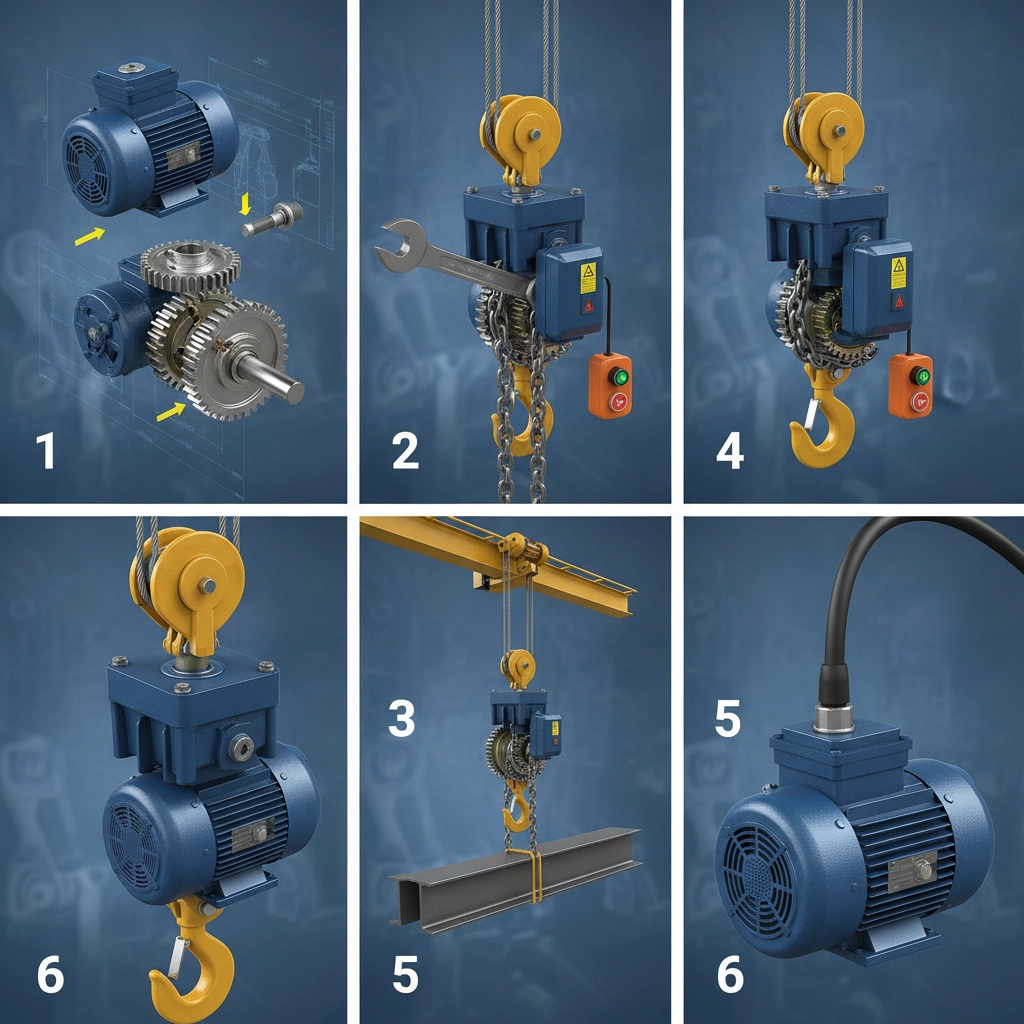
How a Motorised Chain Pulley Block Enhances Productivity
The primary advantage of utilizing a motorised chain pulley block is the drastic reduction in human effort and time. Unlike manual chain blocks that require significant physical exertion, electric versions provide smooth, consistent lifting speeds and precise load positioning. This not only accelerates the movement of heavy machinery but also significantly reduces the risk of workplace injuries caused by manual strain. With integrated braking systems and limit switches, these devices ensure that loads are handled with surgical precision, making them indispensable for high-precision engineering environments.
Operational Impact: Switching to motorised lifting can increase load-handling speed by up to 70% while reducing operator fatigue, leading to a more focused and safer workforce.
Key Technical Specifications of Motorised Chain Pulley Blocks
When browsing for the right equipment, it is essential to look beyond the lifting capacity. Factors such as lifting height, lifting speed, and power supply determine whether a hoist is suitable for your specific environment. High-quality units often feature heat-treated alloy steel chains for maximum durability and specialized motors that prevent overheating during intermittent duty cycles. To help you compare different configurations, we have compiled a standard specification overview below.
Motorised vs. Manual Chain Pulley Blocks: The Comparison
Many facility managers wonder if the investment in an electric system is justified over a manual one. While manual blocks are portable and require no electricity, they are inefficient for frequent lifts. A motorised chain pulley block eliminates the physical bottleneck of production. The primary differences lie in duty cycle, speed, and safety overhead. Electric hoists allow for a "push-button" operation, which reduces the cognitive and physical load on the operator, allowing them to focus more on the load's trajectory rather than the effort of pulling a chain.
Why Choose Motorised Over Manual?
• Speed: Rapid lifting and lowering cycles.
• Safety: Automated braking and overload protection.
• Precision: Millimeter-accurate positioning for assembly.
• Ergonomics: Zero physical strain on the operator.
Industrial Applications for Motorised Chain Pulley Blocks
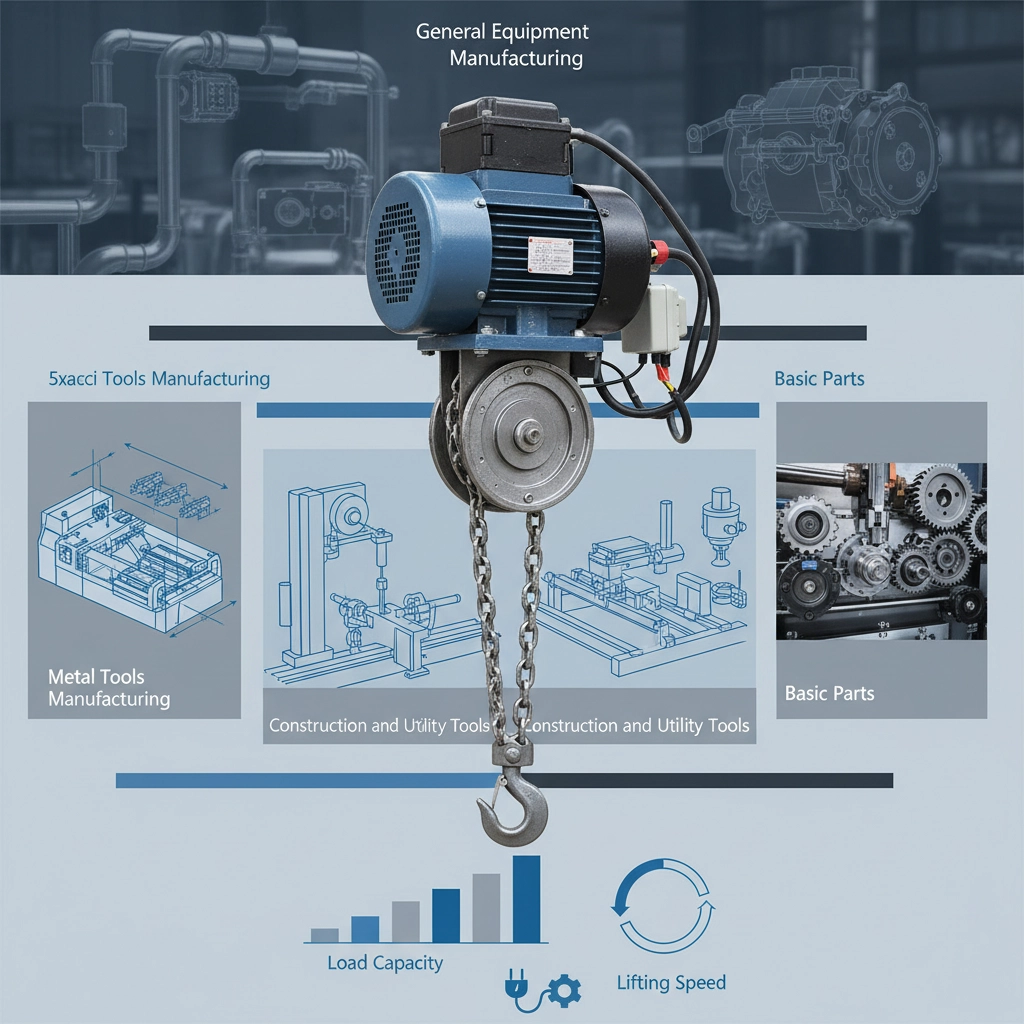
The versatility of these lifting systems allows them to be deployed across various sectors. In automotive workshops, they are used to lift engines and heavy transmissions with ease. In construction sites, they facilitate the movement of steel beams and prefabricated components. Furthermore, the energy sector utilizes them for turbine maintenance where reliability is critical. By integrating a motorised chain pulley block into your workflow, you transition from a labor-intensive process to a streamlined, industrial-grade operation.
Maintenance Tips for Long-Term Reliability
To ensure the longevity of your motorised chain pulley block, a proactive maintenance schedule is essential. The most critical aspect is chain lubrication; a dry chain increases friction and wears down the sprocket wheels. Additionally, regular inspections of the electrical contactors and brake linings can prevent catastrophic failures. Always check for "chain stretch" and ensure that the load hooks are not deformed. A well-maintained hoist not only lasts longer but also ensures the safety of everyone working beneath the load.
Maintenance Checklist: Weekly lubrication of the load chain, monthly inspection of the limit switches, and quarterly testing of the emergency stop mechanism.
Safety Standards and Compliance in Lifting
Safety is the most critical factor when dealing with overhead lifting. Every motorised chain pulley block must comply with international standards such as CE or ASME. These standards ensure that the device has been tested for overload capacity and possesses fail-safe mechanisms. Operators should be trained to never exceed the Rated Capacity (WLL) and to avoid "side-pulling," which can cause the chain to jump the sprocket or damage the hoist housing. Compliance isn't just about regulations; it's about protecting lives.
Conclusion: Optimizing Your Lift with Bilopowtel
సరైనదాన్ని ఎంచుకోవడం motorised chain pulley block is an investment in your company's efficiency and safety. By balancing lifting capacity, speed, and rigorous maintenance, you can transform your workspace into a high-performance hub. Whether you are lifting a few hundred kilograms or several tons, prioritizing quality and compliance ensures a seamless operational flow. Visit Bilopowtel today to find the perfect lifting solution tailored to your industrial needs.
Frequently Asked Questions (FAQs)
How do I choose the correct capacity for a motorised chain pulley block?
To choose the correct capacity, first determine the maximum weight of the load you intend to lift, including any rigging gear (slings, shackles). It is highly recommended to select a hoist with a capacity 20-25% higher than your maximum load to avoid operating at the absolute limit of the machine. Operating within a safe margin reduces wear on the motor and chain, significantly extending the lifespan of the equipment and increasing the safety factor for the operator.
Can these motorised blocks be used in outdoor environments?
Standard motorised chain pulley blocks are designed for indoor industrial use. However, for outdoor applications, you must choose a model with a specific IP (Ingress Protection) rating that protects the motor and electrical components from dust and moisture. Additionally, ensure the chain is treated for corrosion resistance if the environment is humid or salty. Always consult the manufacturer's guidelines to ensure the unit is rated for the specific ambient temperature and moisture levels of your outdoor site.
What is the difference between single-phase and three-phase power options?
Single-phase power is typically found in smaller workshops or residential settings and is suitable for light-duty hoists. Three-phase power is the industrial standard, offering higher efficiency, better torque, and the ability to handle much heavier loads without overheating the motor. If your facility has an industrial power grid, three-phase is always the preferred choice for a motorised chain pulley block as it provides more stable performance during heavy-duty cycles.
How often should the load chain be inspected for wear?
The load chain should be visually inspected before every shift for obvious signs of damage, such as kinks or cracks. However, a professional technical inspection should be conducted every 3 to 6 months. This involves measuring the chain's elongation (stretch) using a caliper. If the chain has stretched beyond the manufacturer's specified limit (usually a small percentage of its original length), it must be replaced immediately to prevent the risk of chain failure or sprocket slippage.
తాజా వార్తలు
Professional Guide to Cable Installation with Ethernet Fish Tape
వార్తలుJul.01,2026
Professional Cable Installation Guide Using a Fish Tape
వార్తలుJun.29,2026
Professional Cable Installation Guide with 30m fish tape
వార్తలుJun.27,2026
Mastering Cable Installation with the 1 2 fish tape Guide
వార్తలుJun.26,2026
Ultimate Guide to Using 3 8 Fish Tape for Electrical Wiring
వార్తలుJun.25,2026
Best Electric Hoists for Sale A Complete Industrial Buyers Guide
వార్తలుJun.23,2026
- సంప్రదించండి
- ADDRESS: 188, Fengshou Road, Shijiazhuang. China
- ఇమెయిల్: info@bilopowtel.com
- ఫోన్: 0086-311-88862036
- వాట్సాప్: 0086-152-26563165





