



-
 Afrikaans
-
 Albanian
-
 Amharic
-
 Arabic
-
 Armenian
-
 Azerbaijani
-
 Basque
-
 Belarusian
-
 Bengali
-
 Bosnian
-
 Bulgarian
-
 Catalan
-
 Cebuano
-
 Corsican
-
 Croatian
-
 Czech
-
 Danish
-
 Dutch
-
 English
-
 Esperanto
-
 Estonian
-
 Finnish
-
 French
-
 Frisian
-
 Galician
-
 Georgian
-
 German
-
 Greek
-
 Gujarati
-
 Haitian Creole
-
 hausa
-
 hawaiian
-
 Hebrew
-
 Hindi
-
 Miao
-
 Hungarian
-
 Icelandic
-
 igbo
-
 Indonesian
-
 irish
-
 Italian
-
 Japanese
-
 Javanese
-
 Kannada
-
 kazakh
-
 Khmer
-
 Rwandese
-
 Korean
-
 Kurdish
-
 Kyrgyz
-
 Lao
-
 Latin
-
 Latvian
-
 Lithuanian
-
 Luxembourgish
-
 Macedonian
-
 Malgashi
-
 Malay
-
 Malayalam
-
 Maltese
-
 Maori
-
 Marathi
-
 Mongolian
-
 Myanmar
-
 Nepali
-
 Norwegian
-
 Norwegian
-
 Occitan
-
 Pashto
-
 Persian
-
 Polish
-
 Portuguese
-
 Punjabi
-
 Romanian
-
 Russian
-
 Samoan
-
 Scottish Gaelic
-
 Serbian
-
 Sesotho
-
 Shona
-
 Sindhi
-
 Sinhala
-
 Slovak
-
 Slovenian
-
 Somali
-
 Spanish
-
 Sundanese
-
 Swahili
-
 Swedish
-
 Tagalog
-
 Tajik
-
 Tamil
-
 Tatar
-
 Telugu
-
 Thai
-
 Turkish
-
 Turkmen
-
 Ukrainian
-
 Urdu
-
 Uighur
-
 Uzbek
-
 Vietnamese
-
 Welsh
-
 Bantu
-
 Yiddish
-
 Yoruba
-
 Zulu



Aug . 28, 2026 06:05 மீண்டும் பட்டியலில்
Industrial Cable Management Using Silverline Fish Tape
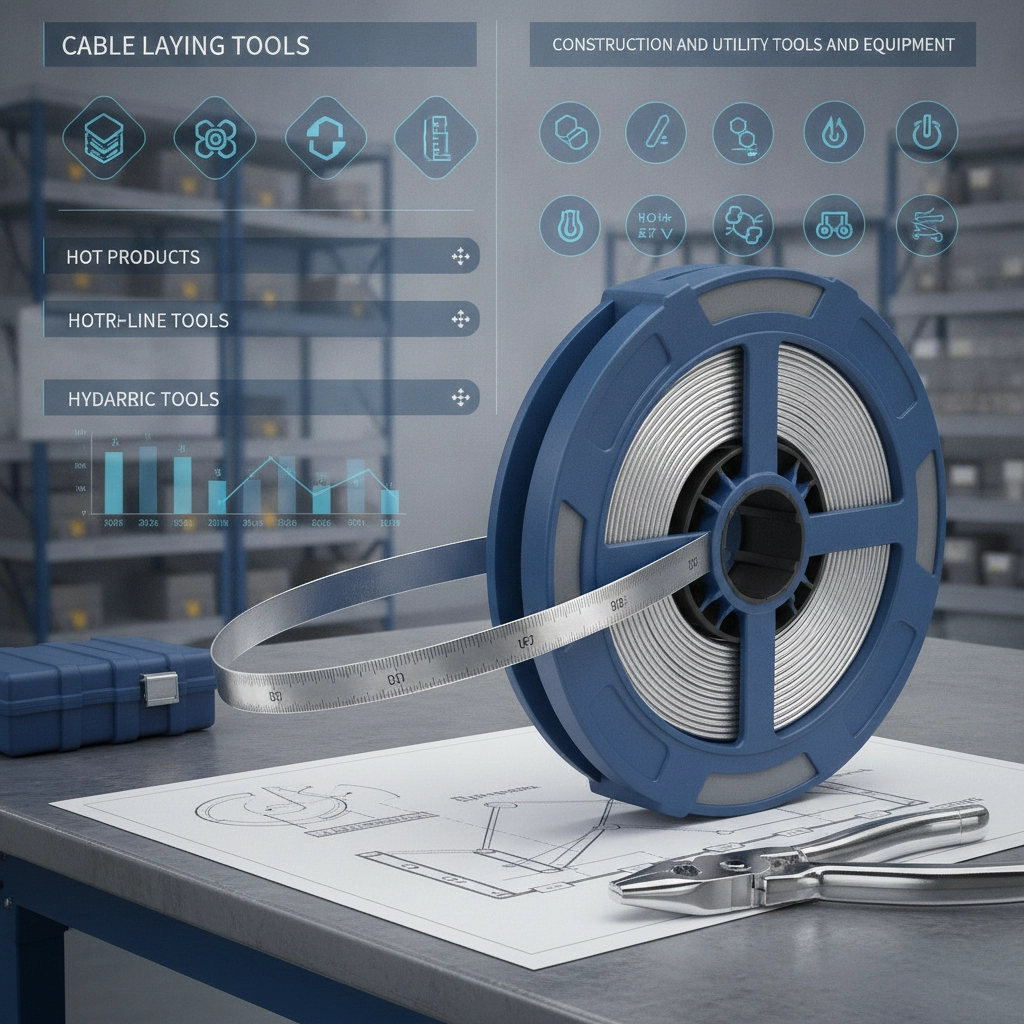
In the demanding world of industrial electrical installation, the efficiency of cable management determines the success of a project. Professionals often seek tools that combine raw power with surgical precision to ensure that every connection is secure and durable. Understanding the synergy between high-quality hydraulic tools and the strategic use of a silverline fish tape allows technicians to navigate complex conduits and terminate cables with unmatched speed.
Across the globe, the transition toward smarter grids and expanded telecommunications infrastructure has increased the demand for specialized metal tools. Whether it is in a sprawling industrial plant or a dense urban center, the challenge remains the same: reducing downtime while maintaining strict safety standards. By integrating advanced hydraulic crimping systems with reliable cable pulling accessories, engineers can overcome the physical limitations of traditional manual labor.
This guide explores the critical role of hydraulic pliers in modern power engineering and how they complement a silverline fish tape to optimize workflow. From achieving the perfect hexagonal crimp to ensuring safety in high-voltage environments, we will analyze the technical parameters and practical applications that drive industrial productivity today.
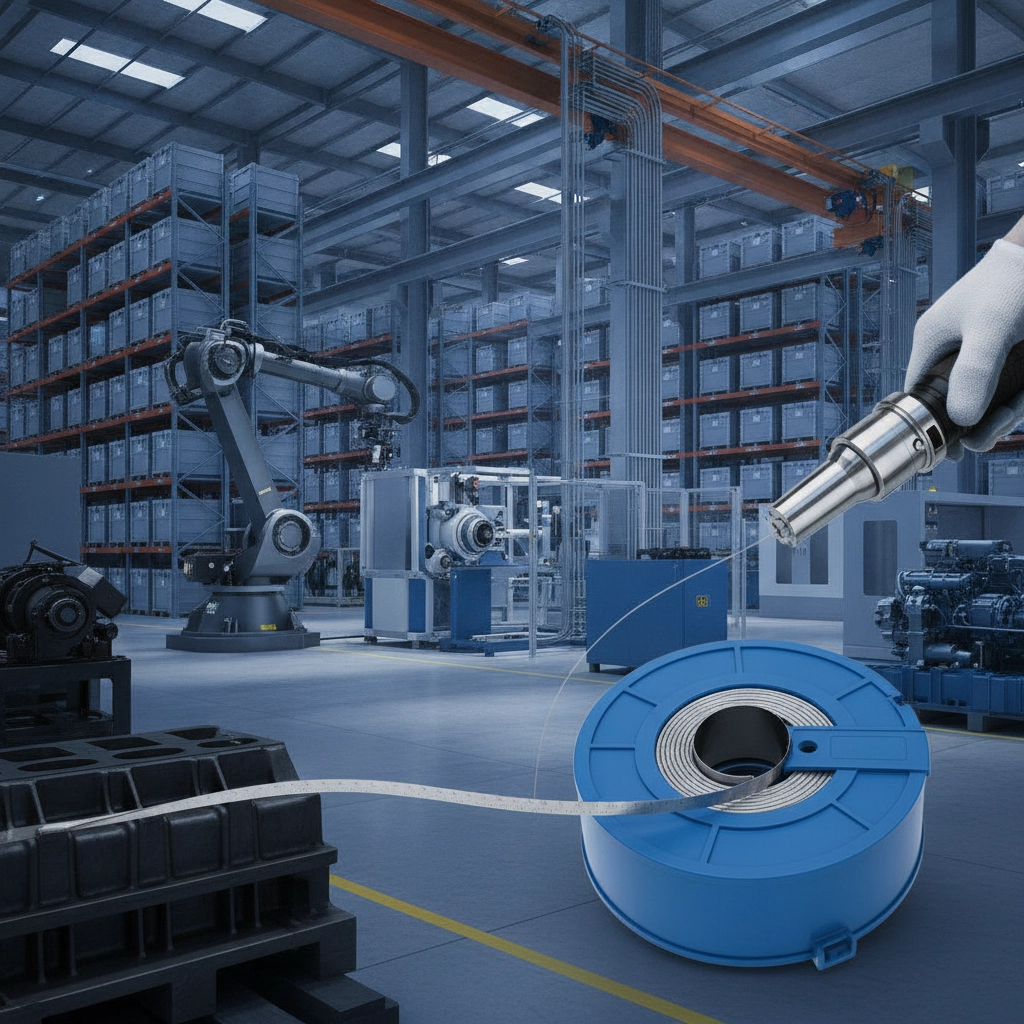
Global Industrial Relevance of Silverline Fish Tape
On a global scale, the infrastructure for energy and data transmission relies heavily on the precision of installation tools. The use of a silverline fish tape represents a fundamental need in the utility sector: the ability to route cables through restrictive spaces without damaging the insulation or the conduit. As ISO standards for electrical safety become more stringent, the industry has shifted toward tools that minimize human error and maximize mechanical reliability.
The challenge today is not just about pulling a wire, but about ensuring that the subsequent termination is flawless. When hydraulic pliers are used in conjunction with high-quality routing tools, the risk of cable fatigue is reduced, and the speed of deployment is increased. This is particularly critical in emerging markets where rapid urbanization demands the fast deployment of power grids and fiber optic networks.
அடிக்கடி கேட்கப்படும் கேள்விகள்
The primary benefit is the ability to navigate complex conduit bends and long distances with minimal friction. A silverline fish tape provides the structural rigidity needed to push through a pipe while remaining flexible enough to navigate turns, significantly reducing the risk of cable damage and decreasing installation time compared to manual methods.
Hydraulic pliers use hexagonal dies to apply uniform, massive pressure across the entire surface of the terminal. This eliminates air gaps and ensures a tight, molecular-level bond between the cable and the connector, which maximizes conductivity and prevents the overheating often caused by loose connections.
While the YQK-400C is designed for larger cables (up to 400mm²), it is always best to use the tool that matches the specific range of your cable for maximum precision. For smaller cables (4-70mm²), the YQK-70 is more appropriate and easier to handle, ensuring the crimp is not over-compressed.
These tools feature an automatic pressure release system that triggers once the set pressure is reached, preventing tool failure or cable damage from excessive force. Additionally, many models include insulating rods to protect the operator from high-voltage shocks during live-line operations.
Dies should be inspected after every major project for signs of wear, cracking, or deformation. Because they are made of high-quality wear-resistant steel, they last a long time, but any deviation in the hexagonal shape can compromise the quality of the crimp and should be addressed immediately.
Yes, they are packaged in reinforced cartons with specific gross weight and size specifications (e.g., 565215225mm for YQK-400C) to ensure they survive long-distance transit. Their rugged construction makes them ideal for deployment in remote industrial or disaster-relief zones.
Conclusion
In summary, the integration of a silverline fish tape with high-performance hydraulic pliers creates an unbeatable workflow for modern electrical installations. By combining efficient routing with high-precision hexagonal crimping, professionals can ensure that their work is not only fast but meets the highest global standards for safety and conductivity. The technical superiority of hydraulic transmission over manual effort is evident in the increased durability and reliability of the final connection.
Looking forward, as the world moves toward smarter and greener energy infrastructures, the demand for tools that offer both precision and power will only grow. We recommend that engineers and contractors invest in tools that provide a wide range of crimping capacities and safety-first features to future-proof their operations. For more information on high-quality cable laying and termination tools, visit our website: www.bilopowtel.com.
சமீபத்திய செய்திகள்
Professional Guide to Cable Installation with Ethernet Fish Tape
செய்திJul.01,2026
Professional Cable Installation Guide Using a Fish Tape
செய்திJun.29,2026
Professional Cable Installation Guide with 30m fish tape
செய்திJun.27,2026
Mastering Cable Installation with the 1 2 fish tape Guide
செய்திJun.26,2026
Ultimate Guide to Using 3 8 Fish Tape for Electrical Wiring
செய்திJun.25,2026
Best Electric Hoists for Sale A Complete Industrial Buyers Guide
செய்திJun.23,2026
- தொடர்பு
- ADDRESS: 188, Fengshou Road, Shijiazhuang. China
- மின்னஞ்சல்: info@bilopowtel.com
- தொலைபேசி: 0086-311-88862036
- பகிரி: 0086-152-26563165





