


When planning infrastructure projects in the power and telecommunications sectors, understanding the cable drum stand price is essential for accurate budgeting and operational efficiency. These specialized supports are critical for managing heavy-duty cable reels, ensuring that cable laying occurs without twisting or damaging the conductor, which directly impacts the longevity of the installation.
Procurement managers often struggle to balance the initial capital expenditure of a stand against the long-term risks of cable damage or workplace accidents. Choosing a stand based solely on the lowest price frequently leads to failures in load-bearing capacity or instability on uneven terrain, resulting in costly project delays and safety liabilities.
This analysis provides a professional framework for evaluating the costs associated with cable drum stands, examining the technical variables that drive pricing, and offering a decision matrix to help buyers select the most cost-effective solution based on their specific load and environment requirements.
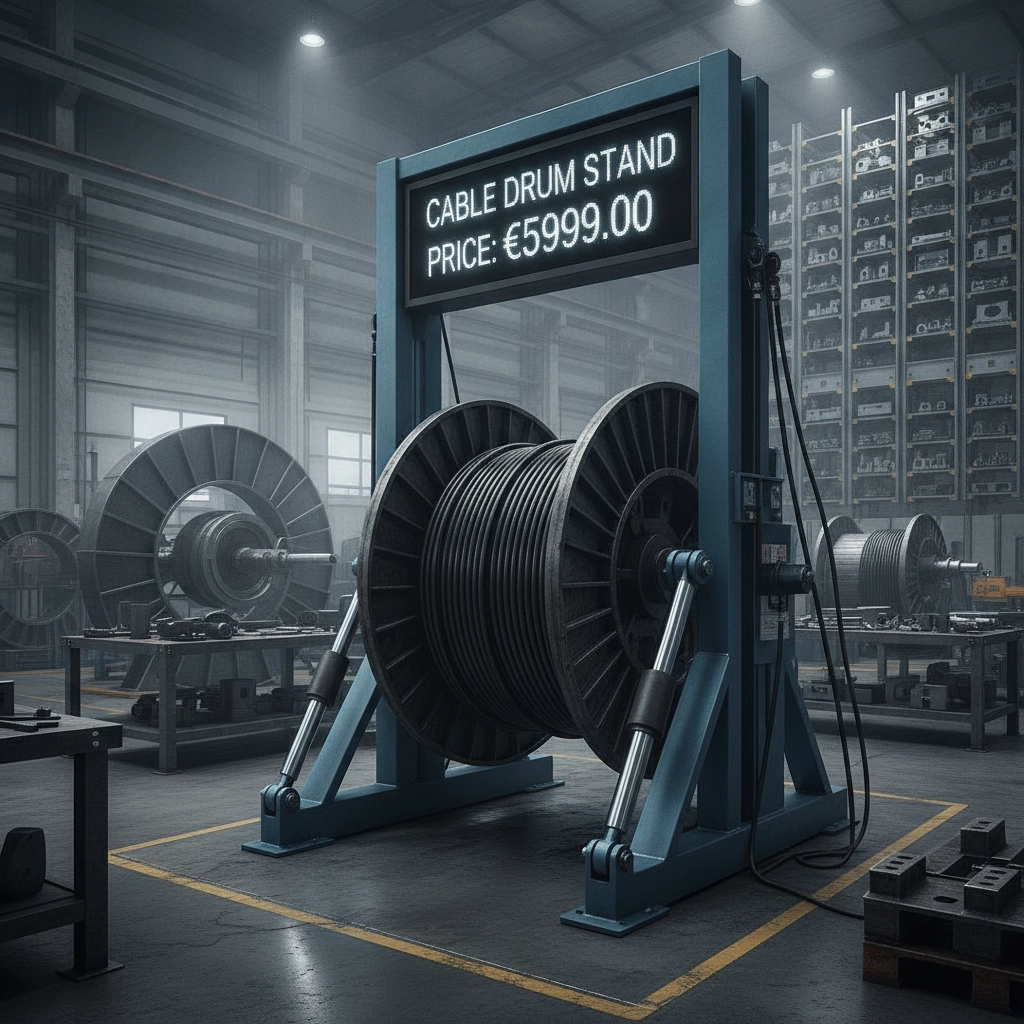
Analyzing the Core Components of Stand Pricing
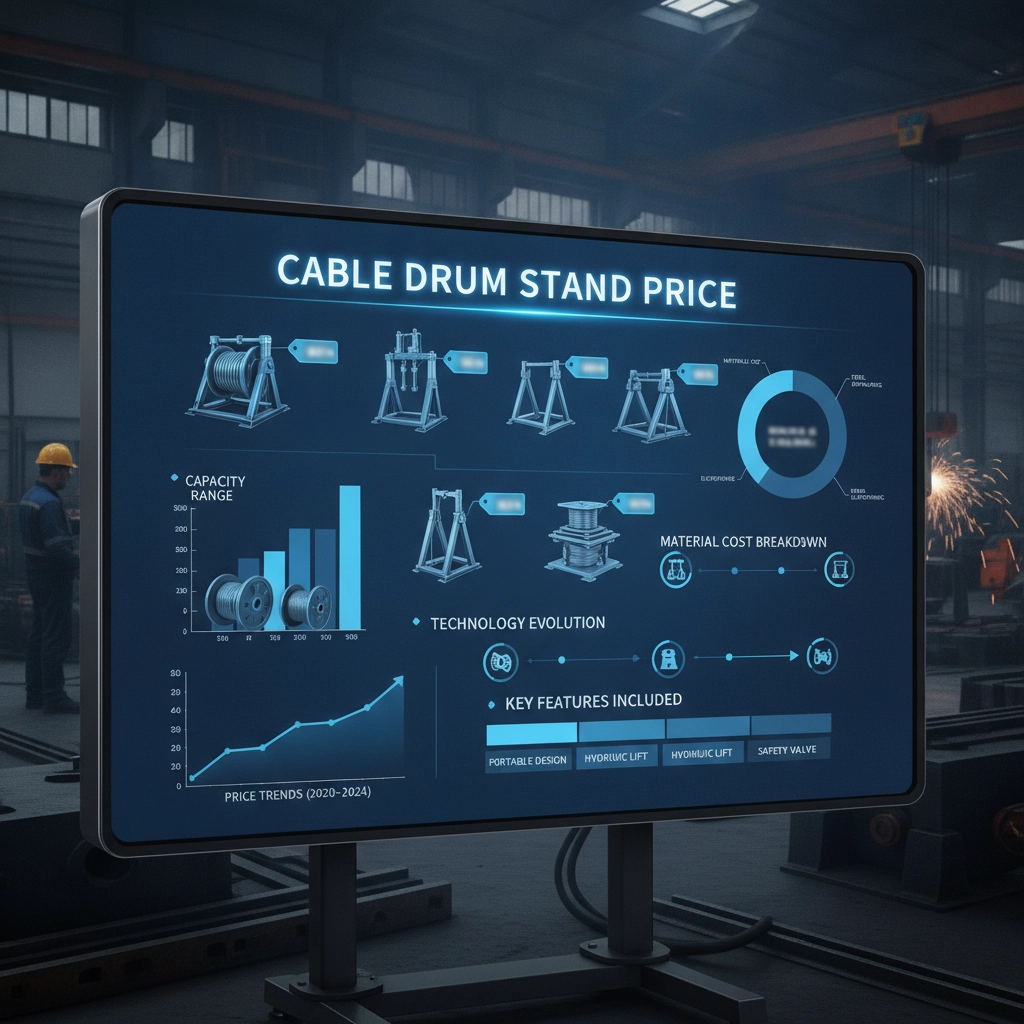
The cable drum stand price is primarily determined by the raw material volume and the complexity of the fabrication process. In the metal tools and specialized equipment manufacturing sector, the cost begins with the grade of structural steel used to ensure the frame can withstand static and dynamic loads without deformation.
Beyond raw steel, the precision of the axle (spindle) and the quality of the bearing system significantly influence the final price. High-precision axles reduce friction during cable payout, which prevents tension spikes that could compromise the cable's internal structure. Fabrication costs also include welding certifications and anti-corrosive coatings, which are non-negotiable for outdoor utility environments.
Load Capacity and Material Grade Impact
Load capacity is the single most influential technical variable affecting price. A stand designed for 2 tons requires significantly different structural reinforcement than one designed for 10 tons. This is not just a matter of using "more" steel, but using higher-tensile alloys and reinforced gussets at critical stress points to prevent buckling.
Material finishing also plays a role; hot-dip galvanization is more expensive than simple powder coating but is essential for stands used in coastal or high-humidity regions. BILO Import & Export focuses on this balance, integrating robust materials for their cable drum jacks and rollers to ensure that the equipment remains operational over multiple project lifecycles without structural degradation.
Operational Environments and Stability Requirements
The environment where the cable drum is positioned dictates the necessary features of the stand, which in turn affects the cost. For flat, paved surfaces, basic fixed stands suffice. However, for utility work in rough terrain, stands must feature adjustable leveling feet or wide-base stabilizers to prevent tipping, adding to the mechanical complexity and price.
Portable designs are another cost driver. Stands that can be disassembled for easy transport to remote sites require specialized locking mechanisms and high-strength fasteners. The trade-off here is between the higher initial purchase price of a portable, adjustable unit and the reduced logistical cost of transporting it to various project sites.
Relative Cost Drivers by Stand Configuration
To understand the pricing variance, it is helpful to look at a normalized cost index. The following illustrative framework demonstrates how different features contribute to the overall price increase relative to a baseline standard fixed stand.
As shown in the conceptual index, heavy-duty load ratings and specialized anti-corrosion treatments provide the most significant price jumps. While portability adds value, the sheer volume of high-grade steel required for massive load capacities remains the primary cost driver in the metal tool manufacturing process.
Evaluating Total Cost of Ownership (TCO)
The purchase price is only the first component of the TCO. A low-cost stand that requires frequent maintenance or replaces broken axles every six months is far more expensive than a premium unit. Buyers should factor in the cost of downtime; if a stand fails during a critical cable pull, the cost of idle labor and equipment often exceeds the price of the stand itself.
Durability and compatibility with other tools, such as cable pulling winches or hydraulic crimping tools, also enhance the value proposition. When equipment from a unified ecosystem is used, the synergy reduces the time required for setup and teardown, effectively lowering the operational cost per meter of cable laid.
Common Procurement Risks and Cost Overruns
A frequent mistake in procurement is neglecting the axle diameter and length. Purchasing a stand that does not perfectly fit the drum's inner diameter leads to instability or the need for expensive custom adapters. This "hidden cost" can add 10-15% to the project budget if not addressed during the initial specification phase.
Another risk is the underestimation of safety factors. Stands lacking integrated safety locks or stability certifications can lead to workplace accidents. The resulting insurance hikes and regulatory fines far outweigh the savings gained from choosing a non-certified, budget-friendly manufacturer.
Buyer's Decision Framework for Stand Selection
To optimize the investment, buyers should categorize their needs based on the frequency of use and the maximum cable weight. The following matrix provides a qualitative comparison of different stand categories to guide the selection process.
| Stand Category | Primary Cost Driver | Best Use Case | Main Risk Factor |
|---|---|---|---|
| Standard Fixed | Basic Steel Volume | Warehouse/Flat Site | Lack of Versatility |
| Heavy Duty | Alloy Grade/Gusseting | High-Voltage Cables | High Initial Capex |
| Portable/Modular | Joint Mechanisms | Remote Utility Work | Assembly Time |
| Adjustable Axis | Precision Machining | Various Drum Sizes | Mechanical Wear |
| Anti-Corrosive | Galvanization Process | Coastal Installations | Higher Unit Price |
| Custom Engineered | Design & Prototyping | Specialized Industrial | Long Lead Times |
By aligning the stand category with the actual operational requirements, procurement teams can avoid over-specifying (paying for capacity they don't need) or under-specifying (risking failure). This strategic approach ensures the cable drum stand price remains proportional to the value it delivers to the project.
Frequently Asked Questions
The price is primarily driven by the load-bearing capacity, the grade of steel used, the type of surface treatment (such as hot-dip galvanization), and whether the design is fixed or portable/adjustable.
Increasing load capacity requires not only more material but also higher-tensile alloys and reinforced welding at stress points to ensure safety and prevent structural collapse under heavy cable reels.
Generally, yes. Portable stands require precision-engineered locking pins, modular joints, and reinforced fasteners to maintain stability while allowing for disassembly, which increases fabrication costs.
Hot-dip galvanization adds to the cost due to the multi-stage chemical process required, but it significantly reduces long-term maintenance costs by preventing rust in harsh outdoor environments.
Verify the exact axle dimensions against your cable drums before ordering. Ensuring compatibility prevents the need for expensive custom adapters and avoids project delays.
More than the brand, it is the manufacturing standard and quality control. Reputable suppliers using certified welding and high-grade materials ensure a longer operational life and better safety performance.
Conclusion
Determining the right cable drum stand price requires looking beyond the initial quote to evaluate the technical specifications, material longevity, and operational suitability. By prioritizing load capacity and environmental resistance over the lowest possible cost, companies can ensure project safety and reduce the total cost of ownership through decreased maintenance and zero downtime.
For professionals seeking reliable cable laying equipment, reviewing the technical capabilities and product range at www.bilopowtel.com can provide the necessary insights to make an informed procurement decision that balances budget with industrial performance.