



-
 Afrikaans
-
 Albanian
-
 Amharic
-
 Arabic
-
 Armenian
-
 Azerbaijani
-
 Basque
-
 Belarusian
-
 Bengali
-
 Bosnian
-
 Bulgarian
-
 Catalan
-
 Cebuano
-
 Corsican
-
 Croatian
-
 Czech
-
 Danish
-
 Dutch
-
 English
-
 Esperanto
-
 Estonian
-
 Finnish
-
 French
-
 Frisian
-
 Galician
-
 Georgian
-
 German
-
 Greek
-
 Gujarati
-
 Haitian Creole
-
 hausa
-
 hawaiian
-
 Hebrew
-
 Hindi
-
 Miao
-
 Hungarian
-
 Icelandic
-
 igbo
-
 Indonesian
-
 irish
-
 Italian
-
 Japanese
-
 Javanese
-
 Kannada
-
 kazakh
-
 Khmer
-
 Rwandese
-
 Korean
-
 Kurdish
-
 Kyrgyz
-
 Lao
-
 Latin
-
 Latvian
-
 Lithuanian
-
 Luxembourgish
-
 Macedonian
-
 Malgashi
-
 Malay
-
 Malayalam
-
 Maltese
-
 Maori
-
 Marathi
-
 Mongolian
-
 Myanmar
-
 Nepali
-
 Norwegian
-
 Norwegian
-
 Occitan
-
 Pashto
-
 Persian
-
 Polish
-
 Portuguese
-
 Punjabi
-
 Romanian
-
 Russian
-
 Samoan
-
 Scottish Gaelic
-
 Serbian
-
 Sesotho
-
 Shona
-
 Sindhi
-
 Sinhala
-
 Slovak
-
 Slovenian
-
 Somali
-
 Spanish
-
 Sundanese
-
 Swahili
-
 Swedish
-
 Tagalog
-
 Tajik
-
 Tamil
-
 Tatar
-
 Telugu
-
 Thai
-
 Turkish
-
 Turkmen
-
 Ukrainian
-
 Urdu
-
 Uighur
-
 Uzbek
-
 Vietnamese
-
 Welsh
-
 Bantu
-
 Yiddish
-
 Yoruba
-
 Zulu



Jan . 30, 2026 06:07 Balik deui ka daptar
Exploring the Latest Trends in Cable Pulling Winch for Sale and Performance
Look, I’ve been hauling gear and talking to guys on construction sites for, well, let’s just say a long time. And lately? Everyone’s talking about these new cable pulling winches. Not a groundbreaking thing, you know? Winches have been around forever. But these…they’re trying to make things smarter. Smaller, lighter, more powerful. To be honest, half the time it’s just marketing hype. But there's definitely a push for efficiency, especially with labor costs going up.
The biggest thing I’ve noticed is everyone trying to cram more features into a smaller package. And that's where things get tricky. Have you noticed how often “improvements” just make something more complicated? You end up with a winch that needs a PhD to operate. We need things that work, reliably, not things that need constant fiddling. It reminds me of that time at the Shanghai factory… forget it, I won’t mention it.
And it’s not just about the electronics. The materials are changing too. Used to be everything was just solid steel. Now you've got these high-strength alloys, composites... Honestly, some of them feel weird in your hands. Like that carbon fiber stuff - lightweight, sure, but feels… fragile. You can smell the difference too. Steel smells like, well, steel. These new materials, they’ve got this plastic-y, chemical smell. And you gotta be careful with the composites – chipping, delamination… It’s a whole different ballgame.
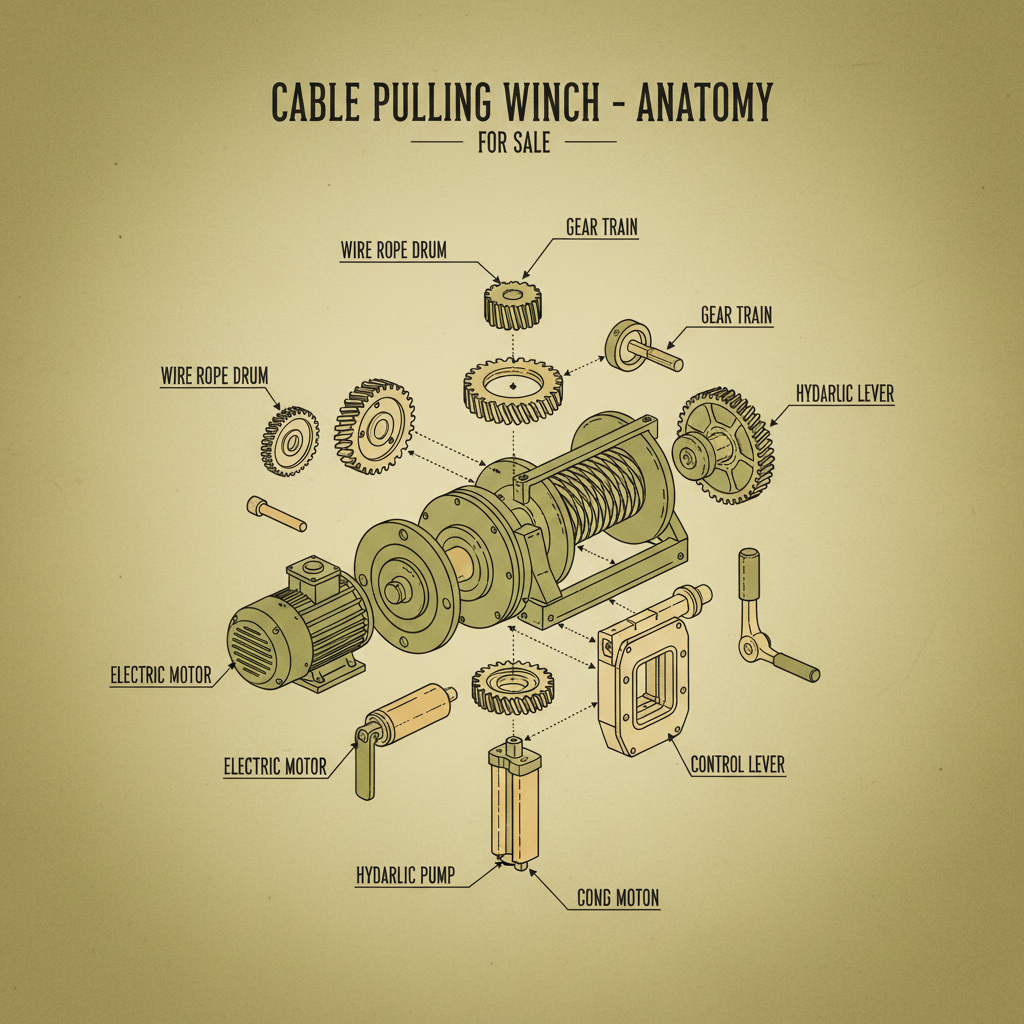
The Rising Demand for Cable Pulling Winch for Sale
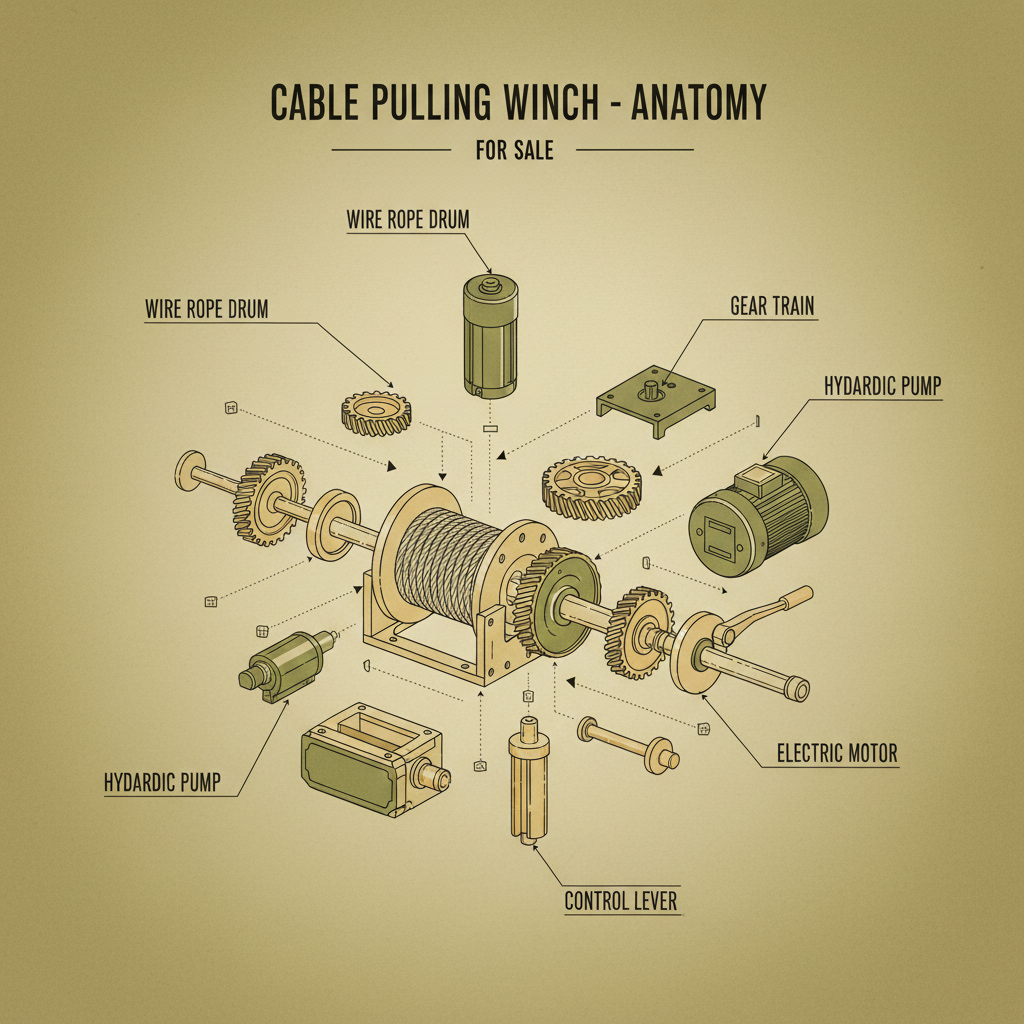
Honestly, the demand for these things is up. It’s not just big infrastructure projects anymore. Data centers, fiber optic installations, even residential electricians are looking for better ways to pull cable. It’s all about speed and reducing strain on the guys doing the work. You see these older models, they’re heavy, clunky, and take two guys to operate. Newer ones, especially the hydraulic ones, can be run by a single person. Makes a huge difference on a hot rooftop.
Strangely, a lot of it’s driven by the smart home market. More and more houses are pre-wired for everything. Security systems, automation, entertainment… It all needs cabling, and that cabling needs to be pulled cleanly and efficiently. Plus, everyone wants it done faster. And cheaper. That’s always the pressure, isn't it?
FAQS
Honestly, it depends. A well-maintained winch, used reasonably, should last you 5-7 years, easily. But if you’re constantly overloading it or using it in corrosive environments, you’re looking at a much shorter lifespan. The gearboxes are usually the first to go. Regular lubrication and inspection are key. We’ve seen some beat to heck in 2 years, others still going strong after 10.
Generally, yes. Most winches can handle steel, copper, and even fiber optic cables. However, you need to make sure the cable diameter is within the winch’s specifications. Using a cable that’s too thick or too thin can damage the winch or cause it to slip. And always use the right cable grip – a mismatched grip can also cause problems.
Brakes are the most important, obviously. You want a winch with multiple braking systems – a dynamic brake that engages during pulling and a static brake that locks the drum in place. Also, look for overload protection, which will prevent the winch from exceeding its maximum pulling capacity. And always, always use a cable guide to keep the cable spooled evenly.
Hydraulic winches are generally more powerful and durable, making them ideal for heavy-duty applications. They’re also less sensitive to dust and moisture. Electric winches are lighter and more portable, but they don’t have the same pulling power. They're good for lighter jobs or where you need to move the winch around a lot.
Some minor repairs, like lubricating moving parts or replacing a cable grip, you can probably handle yourself. But anything involving the gearbox, brakes, or electrical system, you should leave to a professional. Messing with those components can be dangerous and can void your warranty.
Most manufacturers offer a one-year warranty on parts and labor. Some offer longer warranties, but they often come with restrictions. Read the warranty carefully before you buy. And make sure you register the winch and keep your proof of purchase. It'll save you a headache if something goes wrong.
Conclusion
So, yeah, cable pulling winches. They’re not glamorous, but they're essential. They save time, reduce strain, and make jobs safer. The industry’s pushing for smarter, lighter, and more powerful models, but remember, simplicity and reliability are key. Don’t get caught up in the hype.
Ultimately, whether this thing works or not, the worker will know the moment he tightens the screw. If it feels solid, if it pulls smoothly, if it doesn't give him a headache… that’s a good winch. And if you’re looking for a good one, cable pulling winch for sale, give us a shout. We’ve got a few good options.
Bérita paling énggal
Professional Guide to Cable Installation with Ethernet Fish Tape
WartaJul.01,2026
Professional Cable Installation Guide Using a Fish Tape
WartaJun.29,2026
Professional Cable Installation Guide with 30m fish tape
WartaJun.27,2026
Mastering Cable Installation with the 1 2 fish tape Guide
WartaJun.26,2026
Ultimate Guide to Using 3 8 Fish Tape for Electrical Wiring
WartaJun.25,2026
Best Electric Hoists for Sale A Complete Industrial Buyers Guide
WartaJun.23,2026
- KONTAK
- ALAMAT: 188, Jalan Fengshou, Shijiazhuang. Cina
- EMAIL: info@bilopowtel.com
- TELEPON: 0086-311-88862036
- WHATSAPP: 0086-152-26563165





