



-
 Afrikaans
-
 Albanian
-
 Amharic
-
 Arabic
-
 Armenian
-
 Azerbaijani
-
 Basque
-
 Belarusian
-
 Bengali
-
 Bosnian
-
 Bulgarian
-
 Catalan
-
 Cebuano
-
 Corsican
-
 Croatian
-
 Czech
-
 Danish
-
 Dutch
-
 English
-
 Esperanto
-
 Estonian
-
 Finnish
-
 French
-
 Frisian
-
 Galician
-
 Georgian
-
 German
-
 Greek
-
 Gujarati
-
 Haitian Creole
-
 hausa
-
 hawaiian
-
 Hebrew
-
 Hindi
-
 Miao
-
 Hungarian
-
 Icelandic
-
 igbo
-
 Indonesian
-
 irish
-
 Italian
-
 Japanese
-
 Javanese
-
 Kannada
-
 kazakh
-
 Khmer
-
 Rwandese
-
 Korean
-
 Kurdish
-
 Kyrgyz
-
 Lao
-
 Latin
-
 Latvian
-
 Lithuanian
-
 Luxembourgish
-
 Macedonian
-
 Malgashi
-
 Malay
-
 Malayalam
-
 Maltese
-
 Maori
-
 Marathi
-
 Mongolian
-
 Myanmar
-
 Nepali
-
 Norwegian
-
 Norwegian
-
 Occitan
-
 Pashto
-
 Persian
-
 Polish
-
 Portuguese
-
 Punjabi
-
 Romanian
-
 Russian
-
 Samoan
-
 Scottish Gaelic
-
 Serbian
-
 Sesotho
-
 Shona
-
 Sindhi
-
 Sinhala
-
 Slovak
-
 Slovenian
-
 Somali
-
 Spanish
-
 Sundanese
-
 Swahili
-
 Swedish
-
 Tagalog
-
 Tajik
-
 Tamil
-
 Tatar
-
 Telugu
-
 Thai
-
 Turkish
-
 Turkmen
-
 Ukrainian
-
 Urdu
-
 Uighur
-
 Uzbek
-
 Vietnamese
-
 Welsh
-
 Bantu
-
 Yiddish
-
 Yoruba
-
 Zulu



Jun . 09, 2026 17:25 Назад на листу
Industrial Lifting Guide for Choosing a Manual Chain Hoist
The Ultimate Guide to Choosing a Manual Chain Hoist for Industrial Lifting
In the world of industrial lifting and material handling, reliability and safety are non-negotiable. A ручна ланчана дизалица serves as a cornerstone for workshops, construction sites, and warehouses worldwide. By utilizing a mechanical advantage, these devices allow operators to lift heavy loads with minimal physical effort, providing precision control that electric alternatives sometimes lack. Whether you are performing engine maintenance or installing heavy machinery, understanding the nuances of these lifting tools is essential for operational efficiency. In this comprehensive guide, we will explore everything from technical specifications to maintenance tips to help you make an informed investment.
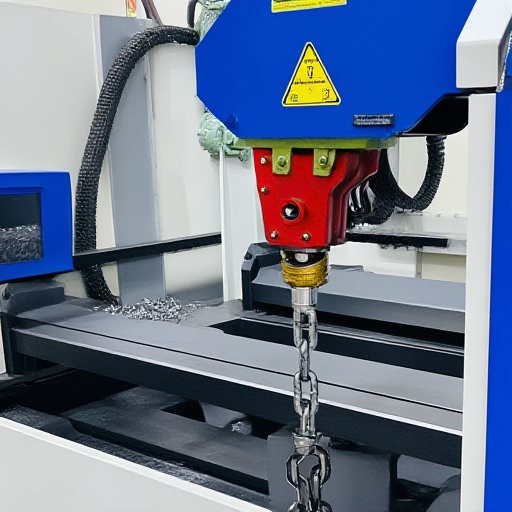
How a Manual Chain Hoist Works: The Mechanics of Power
The brilliance of a ручна ланчана дизалица lies in its gear-reduction system. When an operator pulls the hand chain, the movement is transferred through a series of gears that multiply the input force, allowing a relatively small amount of effort to lift a massive weight. This process is governed by the physics of torque and mechanical advantage. Most high-quality hoists feature a Weston-style brake, which ensures that the load is held securely in place at any height, preventing accidental slips. This manual control is particularly valuable in environments where power sources are unavailable or where extremely slow, incremental movements are required for precision alignment.
Pro Tip: Always ensure the load is centered directly under the hoist hook to avoid "side loading," which can damage the internal gears and compromise safety.
Comparing Manual Chain Hoist Types: Block vs. Lever
Not all lifting needs are the same, and choosing between a chain block and a lever hoist is crucial. A chain block is ideal for vertical lifting over long distances, while a lever hoist is superior for tensioning, pulling, or lifting in tight spaces where a vertical pull isn't possible. When evaluating a ручна ланчана дизалица, you must consider the frequency of use and the specific geometry of your workspace. The following table provides a side-by-side comparison to help you decide which configuration suits your project requirements.
Essential Safety Features of a Premium Manual Chain Hoist
Safety is the most critical aspect of any lifting operation. A professional-grade ручна ланчана дизалица incorporates several fail-safes to protect both the operator and the load. First, the load chain is usually made of Grade 80 alloy steel, which is heat-treated for maximum strength and wear resistance. Second, the hooks are designed with safety latches to prevent the load from accidentally slipping out. Third, the braking system is engineered to hold the load securely even if the operator releases the chain. Regularly inspecting these components for wear, deformation, or cracks is a mandatory part of any industrial safety protocol.
Standard Product Specifications for Manual Chain Hoist Models
When ordering a ручна ланчана дизалица, you will encounter various specifications that dictate the tool's capability. The Working Load Limit (WLL) is the most important metric, as exceeding this capacity can lead to catastrophic failure. Additionally, the lift height determines how far the load can be raised, while the chain grade ensures the equipment can handle the intended environment. Below are the standard specifications for common industrial models to provide a benchmark for your selection.
Maintenance Tips for Longevity and Performance
To ensure your ручна ланчана дизалица lasts for years, a consistent maintenance schedule is vital. Lubrication is the most important step; the load chain and internal gears must be kept well-greased to reduce friction and prevent wear. We recommend using a high-quality industrial lubricant every few months depending on the usage intensity. Additionally, always check for "chain stretch" or elongated links, which indicate the chain is nearing the end of its safe life. Cleaning the device after use in dusty or corrosive environments prevents grit from entering the gear housing, which could otherwise lead to premature mechanical failure.
Maintenance Checklist:
• Monthly lubrication of the load chain
• Visual inspection of hook latches and safety clips
• Testing the brake function with a light load
• Checking for chain deformation or rust
Industry Applications: Where Manual Hoists Excel
The versatility of the ручна ланчана дизалица makes it indispensable across various sectors. In automotive shops, they are used for lifting engines and transmissions with surgical precision. In the construction industry, they assist in positioning steel beams or HVAC units in areas where electric cranes cannot reach. Even in marine settings, these hoists are used for hauling equipment on decks where sparks from electric motors could be dangerous. Because they require no external power, they provide a level of independence and flexibility that is essential for mobile maintenance crews and remote job sites.
Conclusion: Maximizing Efficiency with the Right Lifting Tools
Investing in a high-quality ручна ланчана дизалица is more than just a purchase; it is an investment in workplace safety and operational productivity. By choosing a hoist that matches your specific load requirements and adhering to a strict maintenance regime, you can ensure a long service life and a safe working environment. Whether you need the vertical reach of a chain block or the versatility of a lever hoist, prioritizing quality and standards compliance will always pay off in the long run.
Frequently Asked Questions (FAQs)
How do I determine the correct capacity for my manual chain hoist?
To determine the correct capacity, you must calculate the total weight of the load, including any rigging hardware (slings, shackles, etc.). It is a critical safety rule to never exceed the Working Load Limit (WLL) of the hoist. For maximum safety, many engineers recommend a "safety buffer," meaning you should choose a hoist with a capacity slightly higher than your heaviest expected load. For example, if your maximum load is 800kg, a 1-ton (1000kg) hoist is the appropriate choice to ensure the equipment is not constantly operating at its absolute limit, which extends the lifespan of the gears and chain.
Can I use a manual chain hoist for pulling loads horizontally?
It depends on the type of hoist. A standard chain block is designed strictly for vertical lifting; using it for horizontal pulling can cause the load chain to jump the sprocket or damage the internal braking system. If you need to pull or tension a load horizontally, you should specifically use a lever hoist. Lever hoists are engineered to handle both vertical and horizontal forces. Always check the manufacturer's manual for the specific device you are using to ensure you are operating within its intended design parameters to avoid equipment failure or injury.
What should I do if the chain starts to slip or the brake feels loose?
If you notice any slippage or a decrease in braking efficiency, you must stop using the ручна ланчана дизалица immediately. Slippage is often a sign of worn-out brake discs or a lack of lubrication causing the chain to skip. Attempting to "force" the hoist to work can lead to a catastrophic load drop. The device should be taken out of service and inspected by a certified technician. In many cases, the brake can be adjusted or the chain replaced, but these repairs should only be performed by professionals to ensure the unit is recertified for safe lifting.
How often should a manual chain hoist be professionally inspected?
While daily visual checks by the operator are mandatory, a comprehensive professional inspection should occur at least once a year, or every six months if the hoist is used in heavy-duty or corrosive environments. Professional inspections involve load testing and detailed checks of the gear wear and chain elongation that cannot be seen with the naked eye. Following these guidelines ensures compliance with international safety standards (such as ASME or EN) and significantly reduces the risk of workplace accidents, making it a vital part of any industrial facility's risk management strategy.
Најновије вести
Professional Guide to Cable Installation with Ethernet Fish Tape
ВестиJul.01,2026
Professional Cable Installation Guide Using a Fish Tape
ВестиJun.29,2026
Professional Cable Installation Guide with 30m fish tape
ВестиJun.27,2026
Mastering Cable Installation with the 1 2 fish tape Guide
ВестиJun.26,2026
Ultimate Guide to Using 3 8 Fish Tape for Electrical Wiring
ВестиJun.25,2026
Best Electric Hoists for Sale A Complete Industrial Buyers Guide
ВестиJun.23,2026
- КОНТАКТ
- ADDRESS: 188, Fengshou Road, Shijiazhuang. China
- ЕМАИЛ: info@bilopowtel.com
- ТЕЛЕФОН: 0086-311-88862036
- ВХАТСАПП: 0086-152-26563165





