


-
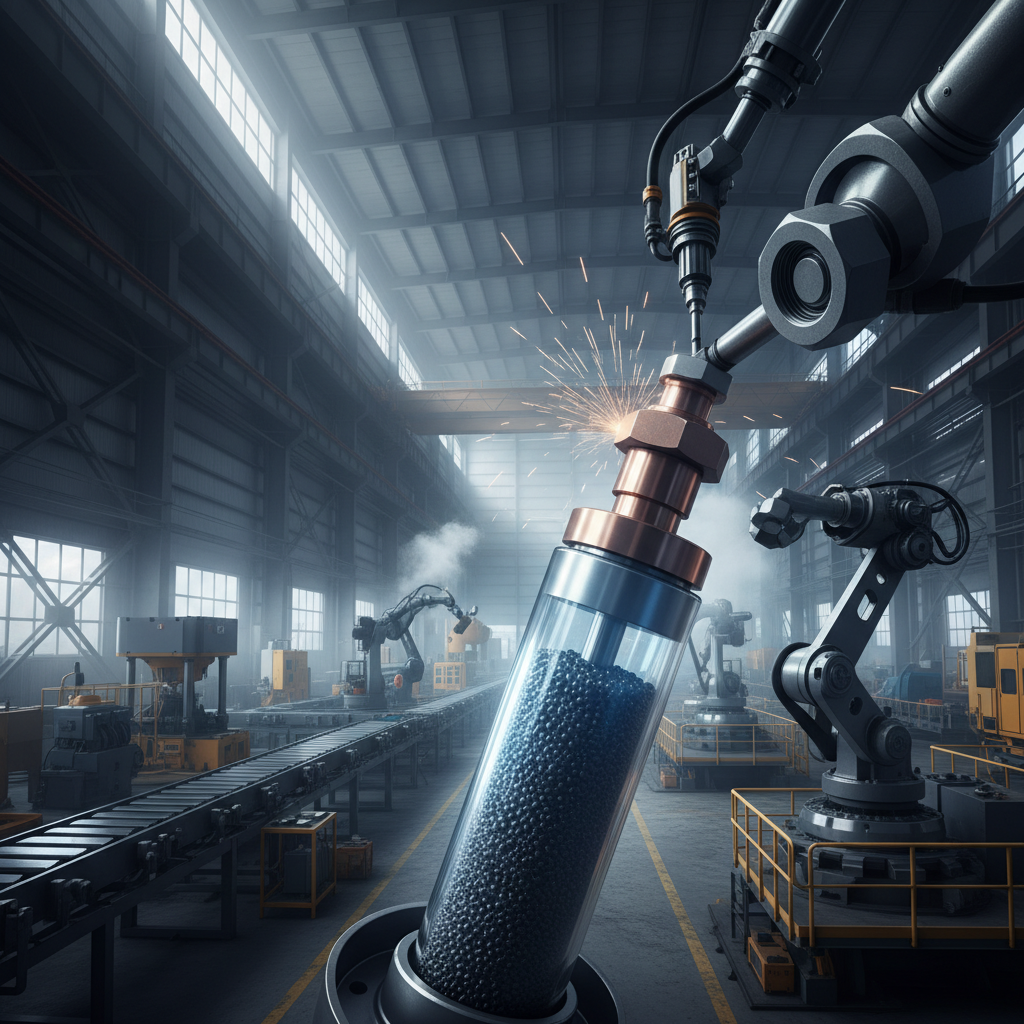
Comprehensive Guide to Earthing Rod with Chemical for Enhanced Grounding Systems
Effective grounding is paramount in numerous applications, from electrical safety to telecommunications. Earthing rods with chemical represent a significant advancement in achieving low-resistance grounding. This article will explore the benefits, applications, installation best practices, and types of earthing rods with chemical, providing a comprehensive guide for professionals and those seeking to understand this crucial technology. Proper grounding minimizes electrical hazards and ensures reliable system performance. We’ll delve into how Bilopowtel’s solutions address these needs. Low-resistance grounding is crucial for several reasons. It provides a safe path for fault currents to flow, protecting personnel and equipment from electrical shock. It also reduces the risk of damage to sensitive electronic devices caused by voltage surges. Furthermore, effective grounding is essential for the proper operation of protection devices like circuit breakers and fuses. Without a reliable grounding system, these devices may not function correctly, leading to potentially hazardous situations. The chemical composition within advanced earthing rods actively enhances conductivity, ensuring optimal performance and longevity.نور یی ولوله -
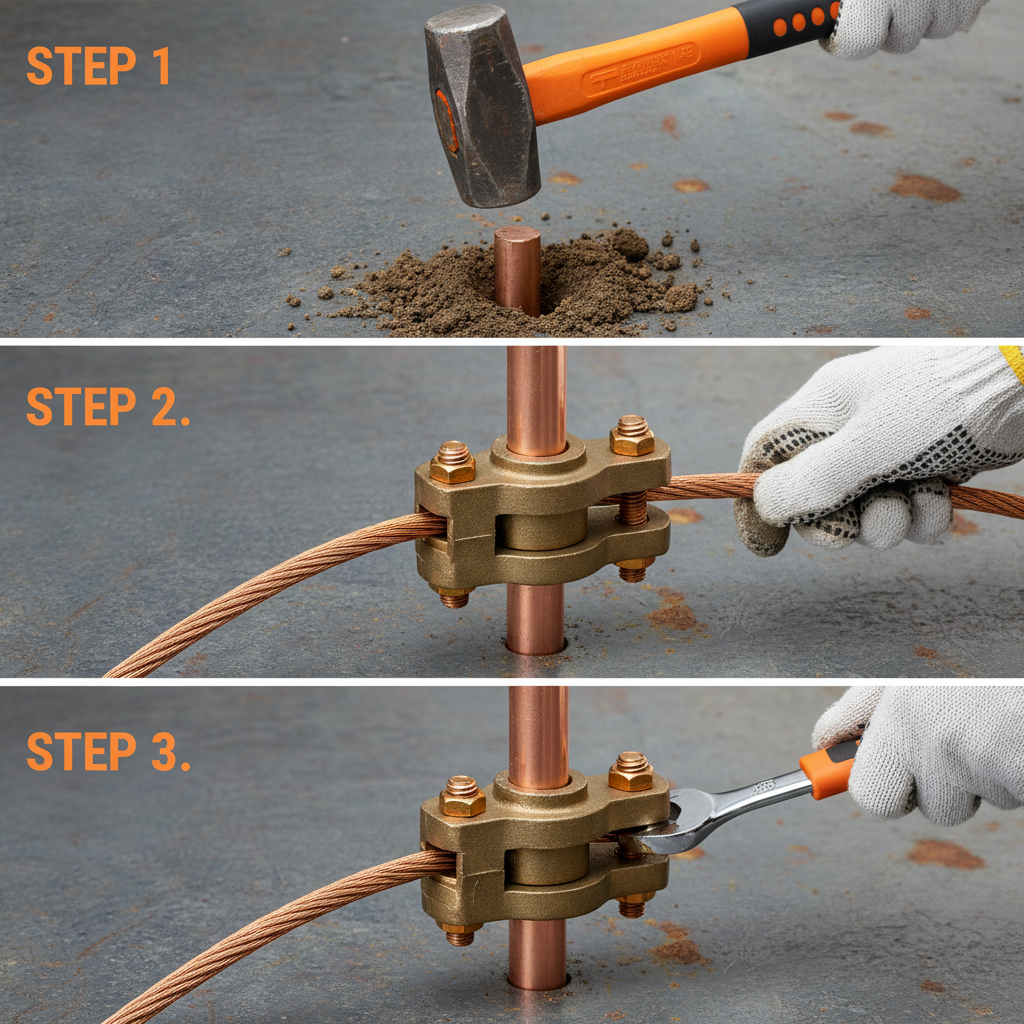
Comprehensive Guide to Earth Rod with Clamp Systems for Electrical Safety
When establishing effective grounding systems for electrical installations, choosing the right earth rod with clamp is critical. These rods, combined with reliable clamps, provide a low-resistance pathway for fault currents to safely dissipate into the earth, protecting equipment and personnel. This article will explore the various aspects of earth rods with clamps, including their types, applications, installation considerations, and the importance of quality. A properly grounded system is fundamental to safety and reliability, and understanding these components is key to achieving optimal performance. Earth rods come in several materials, each offering distinct advantages depending on the soil conditions and application. Common types include copper-bonded steel, galvanized steel, and stainless steel. Copper-bonded steel rods provide excellent conductivity with the durability of steel, making them a popular choice. Galvanized steel rods are more cost-effective but may have a shorter lifespan in corrosive soils. Stainless steel rods offer superior corrosion resistance but are generally more expensive. Selecting the appropriate material is crucial for long-term effectiveness and minimizing maintenance. The clamp plays a vital role in establishing a secure and low-resistance connection between the earth rod and the grounding conductor.نور یی ولوله -
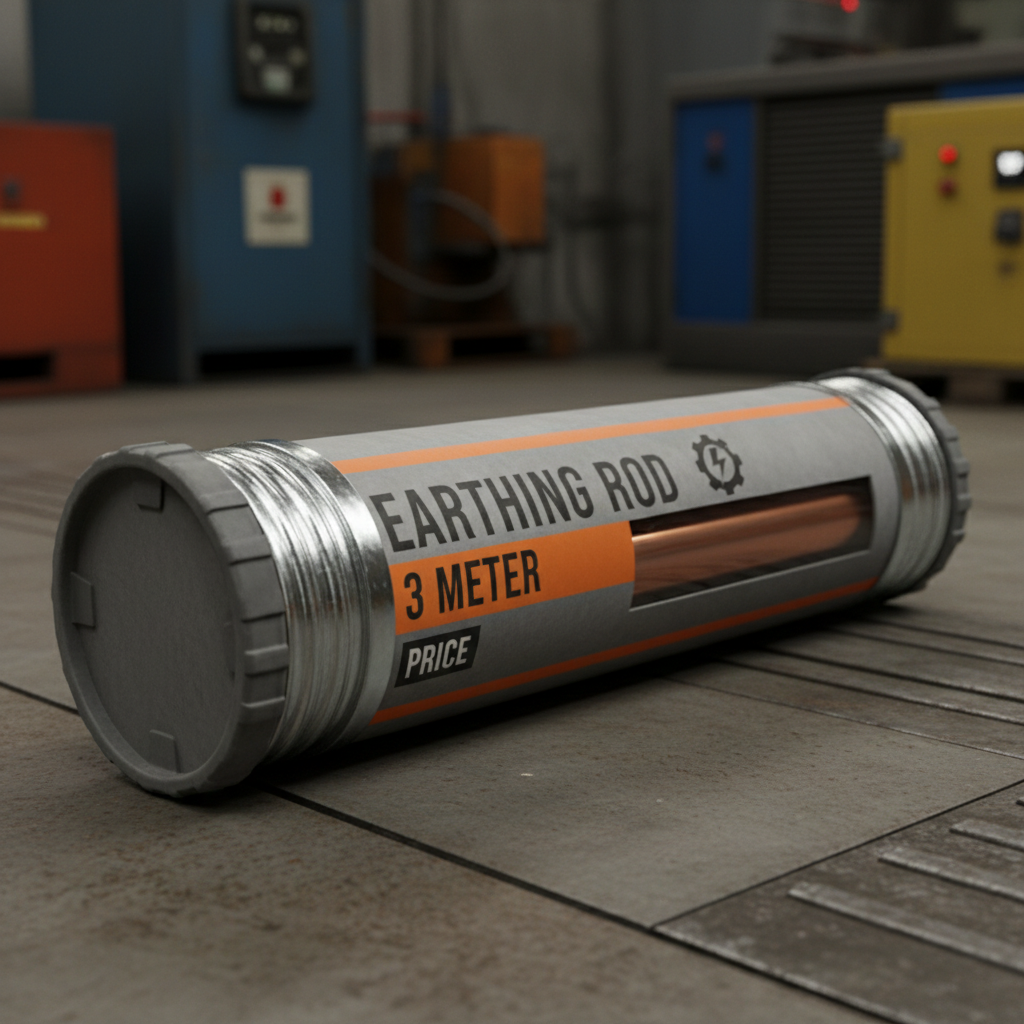
Comprehensive Guide to Earthing Rod 3 Meter Price and Effective Grounding Solutions
When establishing a safe electrical system, proper earthing is paramount. An earthing rod, also known as a grounding rod, plays a crucial role in diverting fault currents to the earth, protecting both people and equipment. This article will delve into the factors affecting the earthing rod 3 meter price, quality considerations, and where to source reliable products. Understanding these aspects will help you make an informed decision when purchasing, ensuring a safe and effective earthing system. Several key factors contribute to the cost of a 3-meter earthing rod. The material used is a significant determinant; copper rods are generally more expensive than galvanized steel due to copper's superior conductivity and corrosion resistance. Rod diameter also impacts price – thicker rods offer lower resistance but cost more. Manufacturing quality, supplier reputation, and quantity purchased also play a role. Finally, geographic location and shipping costs will add to the overall expense.نور یی ولوله -
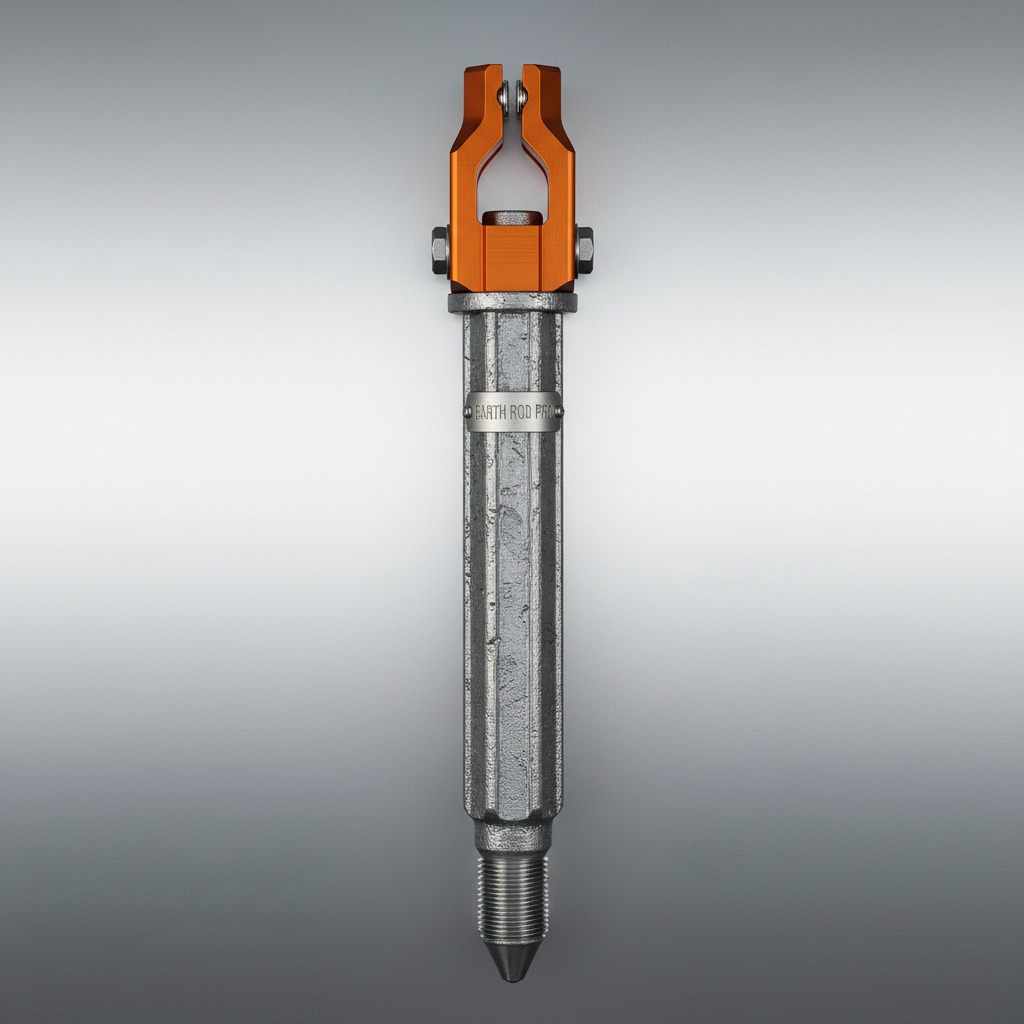
The Earth Rod Pro A Comprehensive Guide to Grounding Solutions
When establishing a reliable grounding system, the right earth rod is crucial. The Earth Rod Pro from Bilopowtel offers superior conductivity and durability, making it a preferred choice for a wide range of applications. This article provides an in-depth look at the features, benefits, installation, and applications of the Earth Rod Pro, ensuring you have the information needed to choose the best grounding solution. A properly grounded system is essential for safety and performance, protecting equipment and personnel alike. The Earth Rod Pro is engineered for optimal performance and longevity. Constructed from high-quality copper-clad steel, it offers excellent corrosion resistance and conductivity. The rod's pointed tip facilitates easy installation even in challenging soil conditions. Furthermore, the Earth Rod Pro is available in various lengths and diameters to suit specific project requirements. Its robust construction ensures it can withstand the rigors of underground installation and provide a reliable grounding path for years to come.نور یی ولوله -
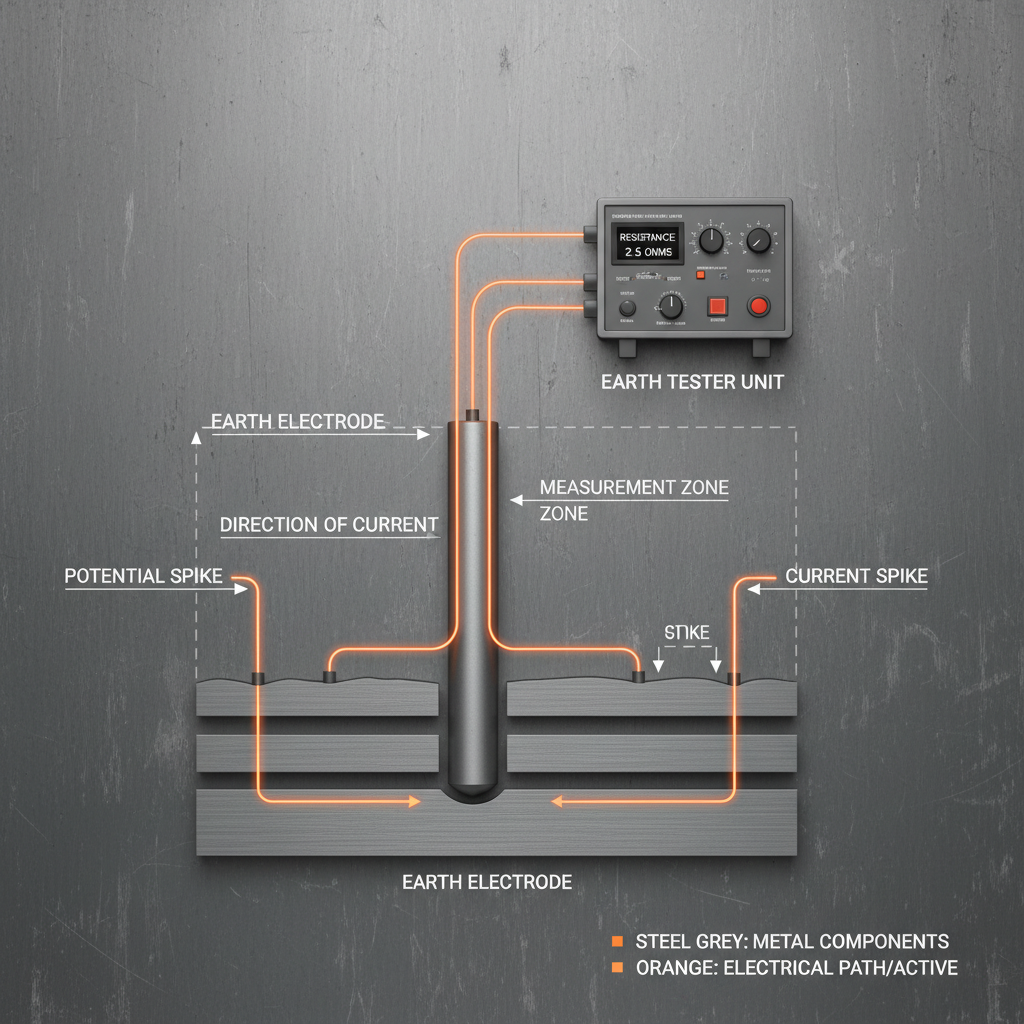
Comprehensive Earth Rod Testing Guidance for Optimal Grounding System Safety
Effective earth rod testing is crucial for ensuring the safety and reliability of grounding systems. A properly grounded system protects personnel and equipment from dangerous electrical faults. This article will cover the principles of earth rod testing, common methods, interpreting results, and best practices. We'll explore why regular testing, adhering to relevant standards, and using quality testing equipment – available from suppliers like Bilopowtel – are essential. Earth rods, also known as ground rods, are vital components of any grounding system. Their primary function is to provide a low-resistance path to earth for fault currents. Over time, connections can corrode, rods can become damaged, and soil conditions can change, all affecting the resistance of the ground connection. Regular earth rod testing verifies the integrity of this grounding path.نور یی ولوله -
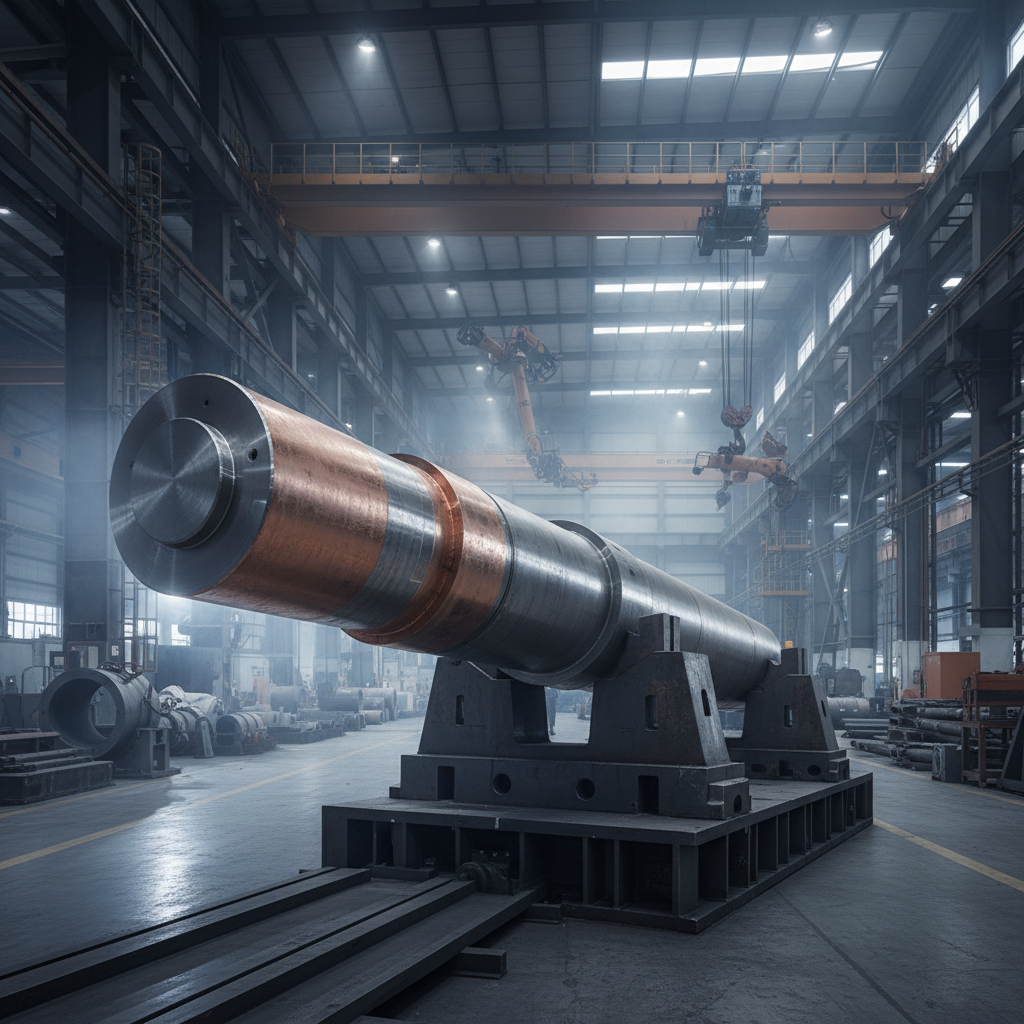
Choosing the Right Earth Rod for Generator Grounding and Safety
Proper grounding is crucial for the safe and reliable operation of generators. An earth rod for generator provides a vital connection to the earth, dissipating electrical faults and protecting both equipment and personnel. Selecting the correct earth rod depends on several factors, including soil conditions, generator size, and applicable safety regulations. This article will guide you through the key considerations when choosing an earth rod, covering types, installation, and best practices. Understanding these elements ensures your generator system remains grounded and protected. You can explore various grounding solutions at Bilopowtel. Several types of earth rods are available, each suited to different grounding needs. Copper earth rods offer excellent conductivity but are more expensive. Galvanized steel earth rods are a cost-effective alternative, providing good performance, though with lower conductivity than copper. Stainless steel earth rods are corrosion-resistant, making them ideal for aggressive soil environments.نور یی ولوله -
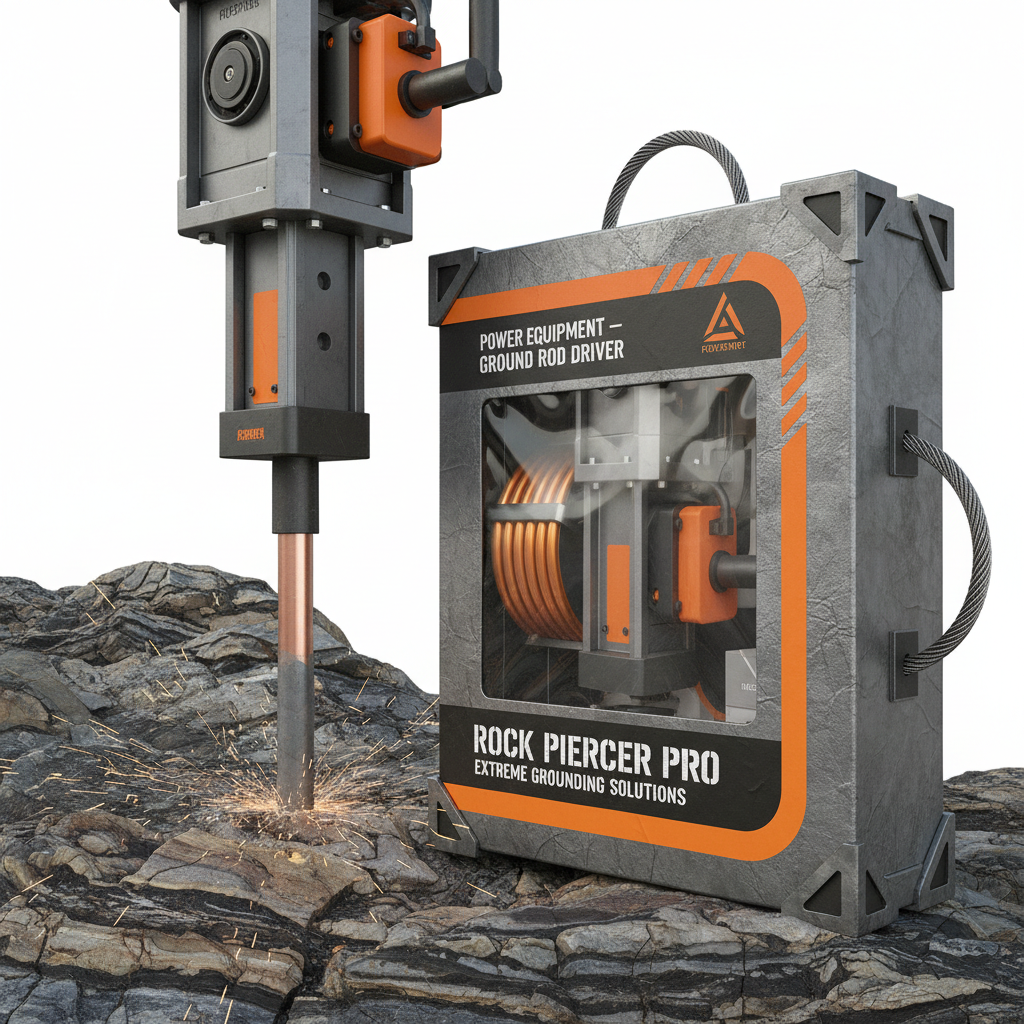
Expert Guide to Successfully Driving Ground Rods in Rock Formations
Driving ground rods into rocky terrain presents a unique set of challenges. Traditional methods can be ineffective, time-consuming, and even damaging to the rod itself. At Bilopowtel, we specialize in solutions for grounding in difficult conditions. This article delves into the best practices, tools, and techniques for successfully driving ground rods in rock, ensuring a safe and reliable grounding system. Proper grounding is essential for protecting equipment and personnel, and understanding the nuances of rocky installations is crucial. Rocky soil poses significant obstacles to traditional ground rod installation. The presence of large stones, boulders, and dense rock layers makes it difficult to achieve the necessary depth for effective grounding. Attempting to drive a rod directly into solid rock can bend or break the rod, rendering it useless.نور یی ولوله -
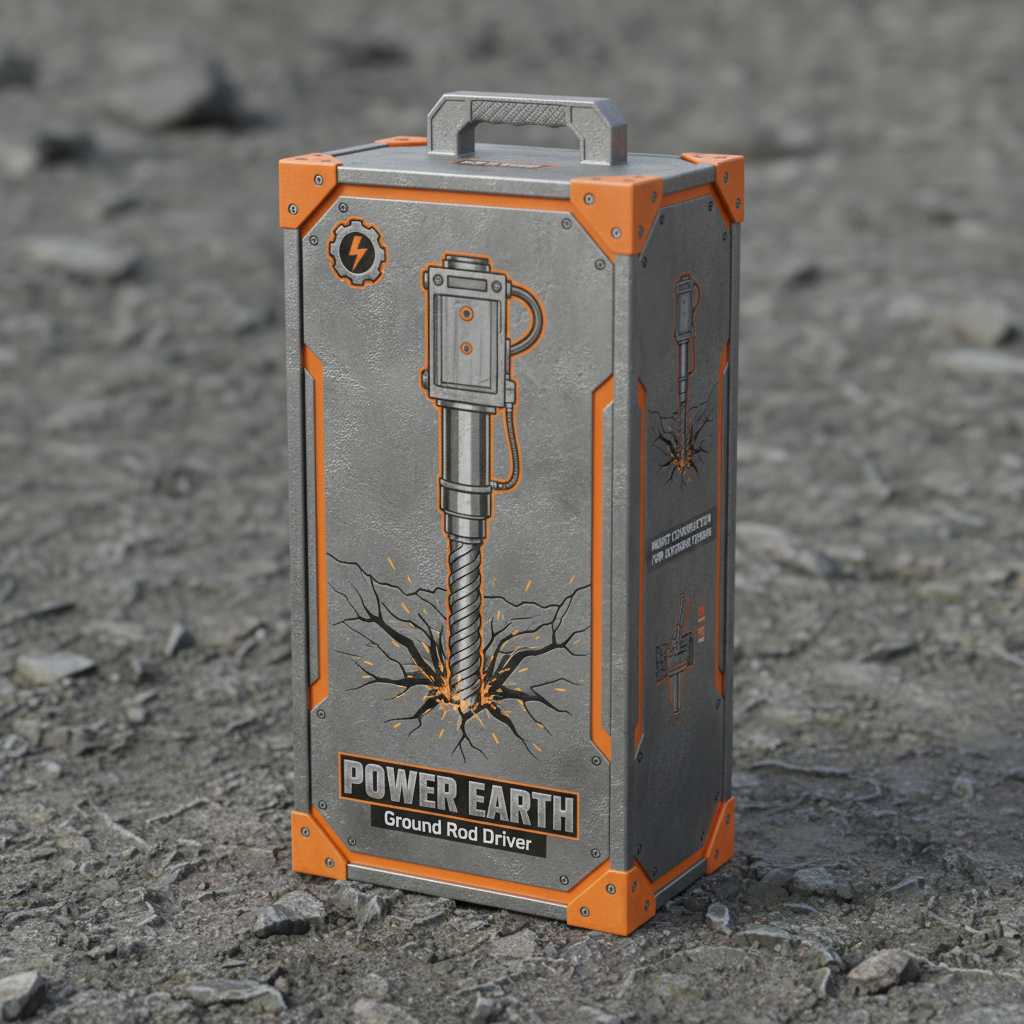
Successfully Driving Ground Rods in Rocky Soil A Comprehensive Guide
Driving ground rods into rocky soil presents unique challenges for grounding electrical systems. Effective grounding is crucial for safety and the proper functioning of equipment, especially in electrical installations and telecommunications. This article provides a detailed exploration of the difficulties, techniques, and tools involved in successfully grounding in rocky terrain. We'll cover strategies for overcoming obstacles and ensuring a reliable connection. Learn how to navigate this common hurdle and achieve robust grounding for your projects. Rocky soil, characterized by a high concentration of stones and bedrock, significantly impedes the process of driving ground rods. The primary challenge is the physical resistance encountered when attempting to penetrate the ground. Rocks deflect the rod, making straight penetration difficult and potentially damaging the rod itself. Furthermore, the limited contact between the rod and the soil surrounding the rocks reduces the grounding effectiveness.نور یی ولوله -
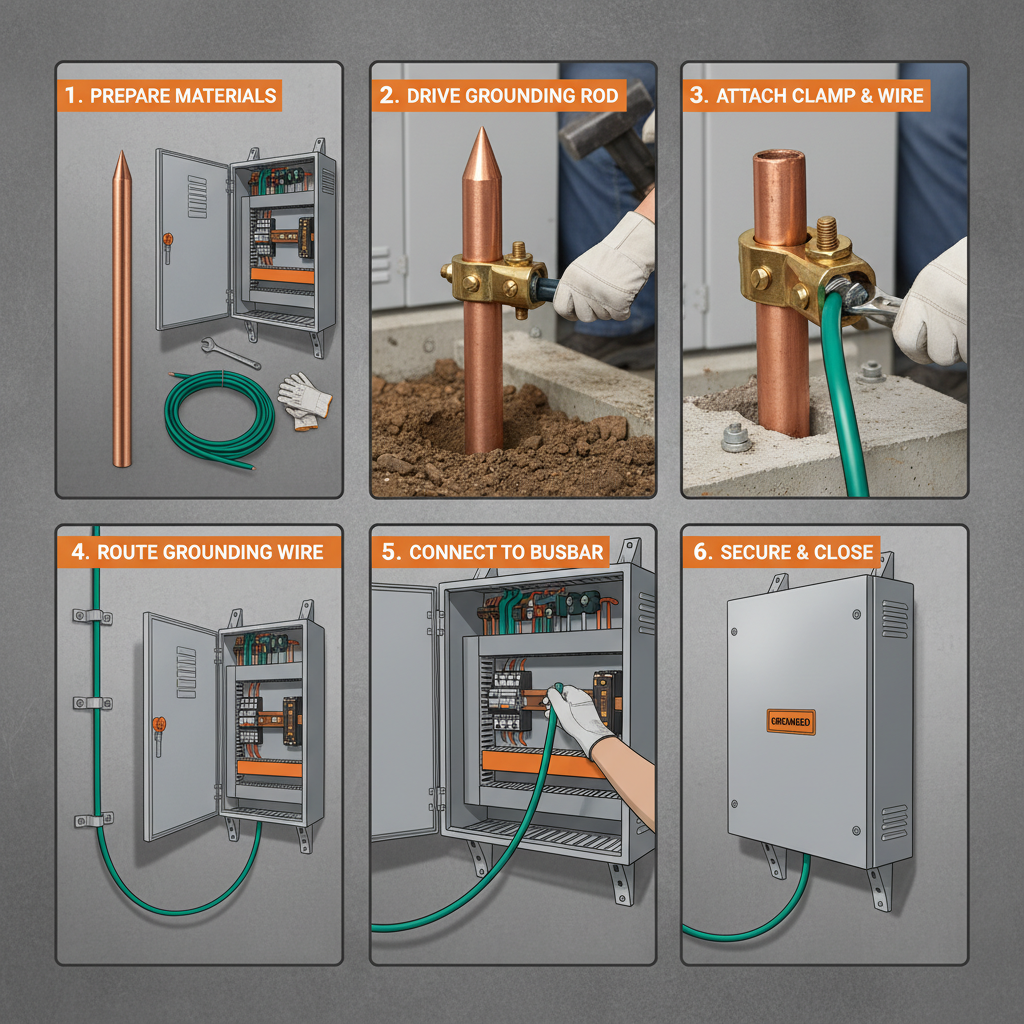
Comprehensive Guide to Connecting Grounding Rod to Electrical Panel for Safety
Proper grounding is critical for electrical safety, protecting your home and appliances from damage caused by surges and faults. A key component of a reliable grounding system is correctly connecting a grounding rod to the electrical panel. This article will detail the process, safety considerations, and essential components for a successful installation. Ensuring a solid grounding connection is not just about code compliance; it’s about safeguarding lives and property. We'll explore best practices and offer guidance for both DIY enthusiasts and those considering professional installation. Grounding provides a low-resistance path for electrical current to flow back to the source in the event of a fault. This tripping of the circuit breaker or fuse prevents dangerous voltage buildup that can cause electric shock or fire. A grounding rod, typically made of copper or copper-clad steel, is driven into the earth to establish this connection. The connection between the grounding rod and the electrical panel is crucial; a loose or corroded connection can render the grounding system ineffective. Regular inspection and maintenance of your grounding system is highly recommended to ensure ongoing safety and reliability.نور یی ولوله -
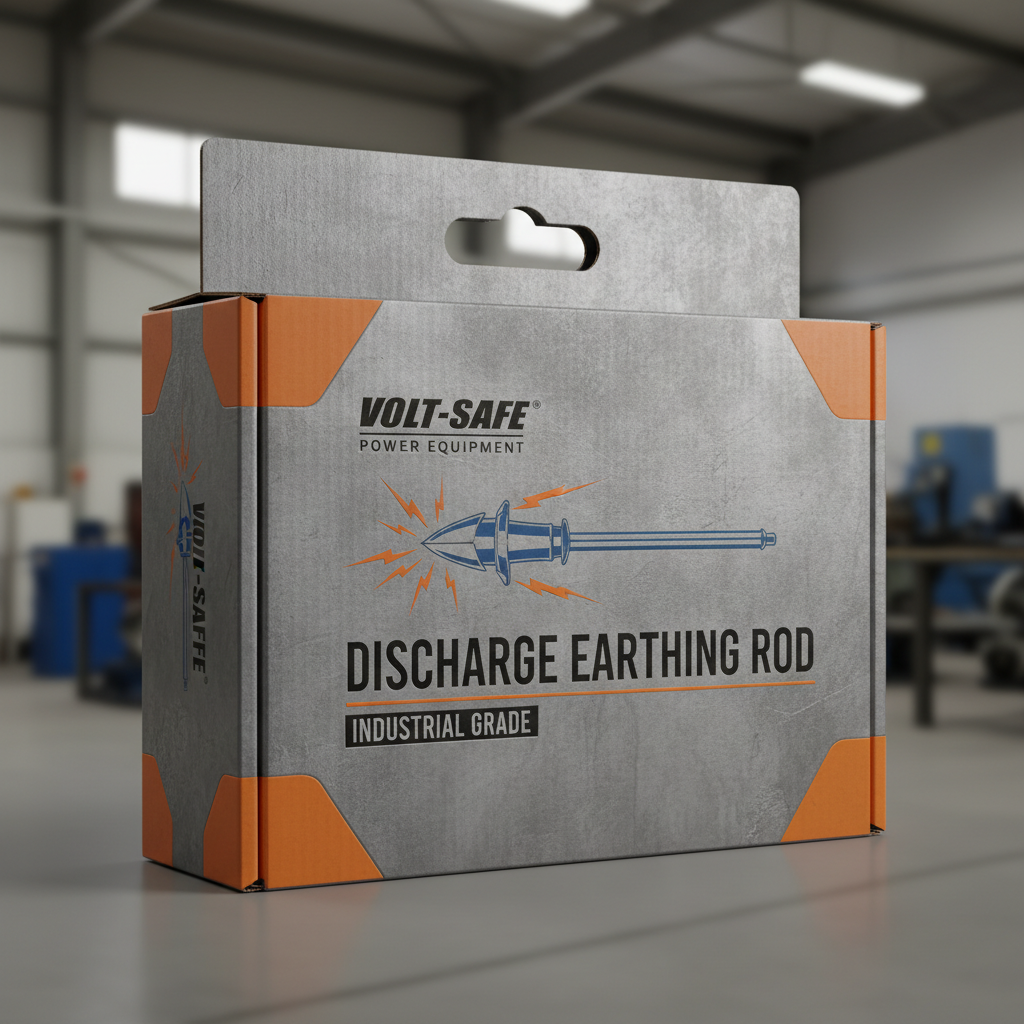
Comprehensive Guide to Discharge Earthing Rods for Safety and Industrial Applications
In the realm of electrical safety, proper earthing is paramount. A crucial component of any robust earthing system is the discharge earthing rod. These rods are designed to safely dissipate fault currents into the earth, protecting personnel and equipment from hazardous voltage levels. This article will provide a comprehensive overview of discharge earthing rods, covering their purpose, types, installation, and importance, particularly within cross-border trade and industrial applications. Effective grounding is not just a safety measure, but often a regulatory requirement for international commerce. A discharge earthing rod, also known as a grounding rod, is a conductive staff, typically made of copper, galvanized steel, or stainless steel, that is driven into the earth to provide a low-resistance pathway for electrical currents. Its primary function is to safeguard against electrical shock and prevent damage to electrical systems. When a fault occurs – for example, a live wire comes into contact with a grounded metal casing – the fault current flows through the earthing rod and safely into the ground, tripping a circuit breaker or fuse and isolating the fault.نور یی ولوله -
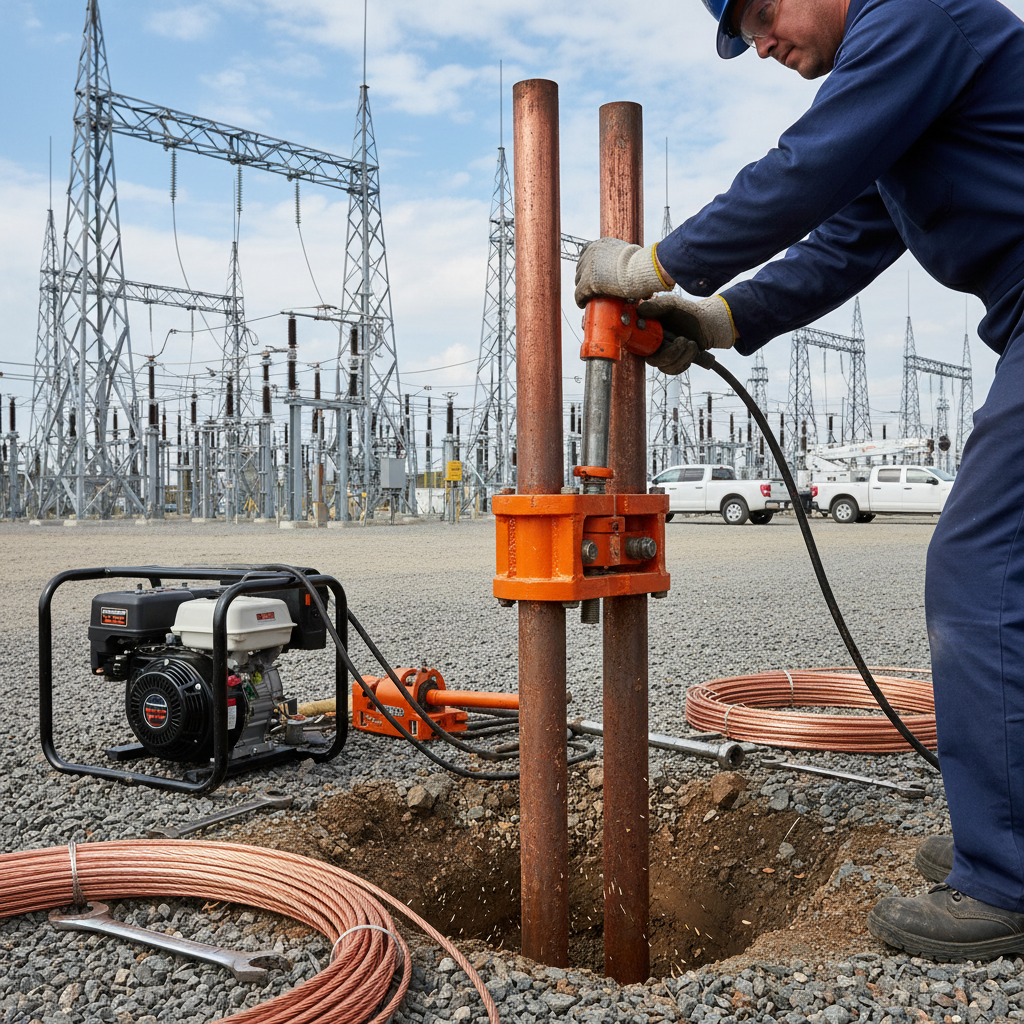
Understanding Connecting Ground Rods for Electrical System Safety and Performance
Effective grounding is paramount for the safety and performance of electrical systems. Connecting ground rods is a fundamental aspect of this process, providing a crucial path for fault currents to dissipate safely into the earth. This article will delve into the importance of proper grounding, the different types of ground rods, connection methods, and best practices for ensuring a reliable grounding system. A well-grounded system protects against electrical shock, reduces the risk of equipment damage, and improves system stability. Explore the critical role Bilopowtel’s grounding solutions play in achieving a robust and safe electrical infrastructure. Grounding systems protect people and equipment from hazardous voltages. When a fault occurs in an electrical system, a ground rod provides a low-resistance path for the current to flow back to the source, tripping a circuit breaker or fuse and quickly interrupting the power supply. Without proper grounding, this fault current could find a path through a person or sensitive equipment, causing severe injury or damage.نور یی ولوله -
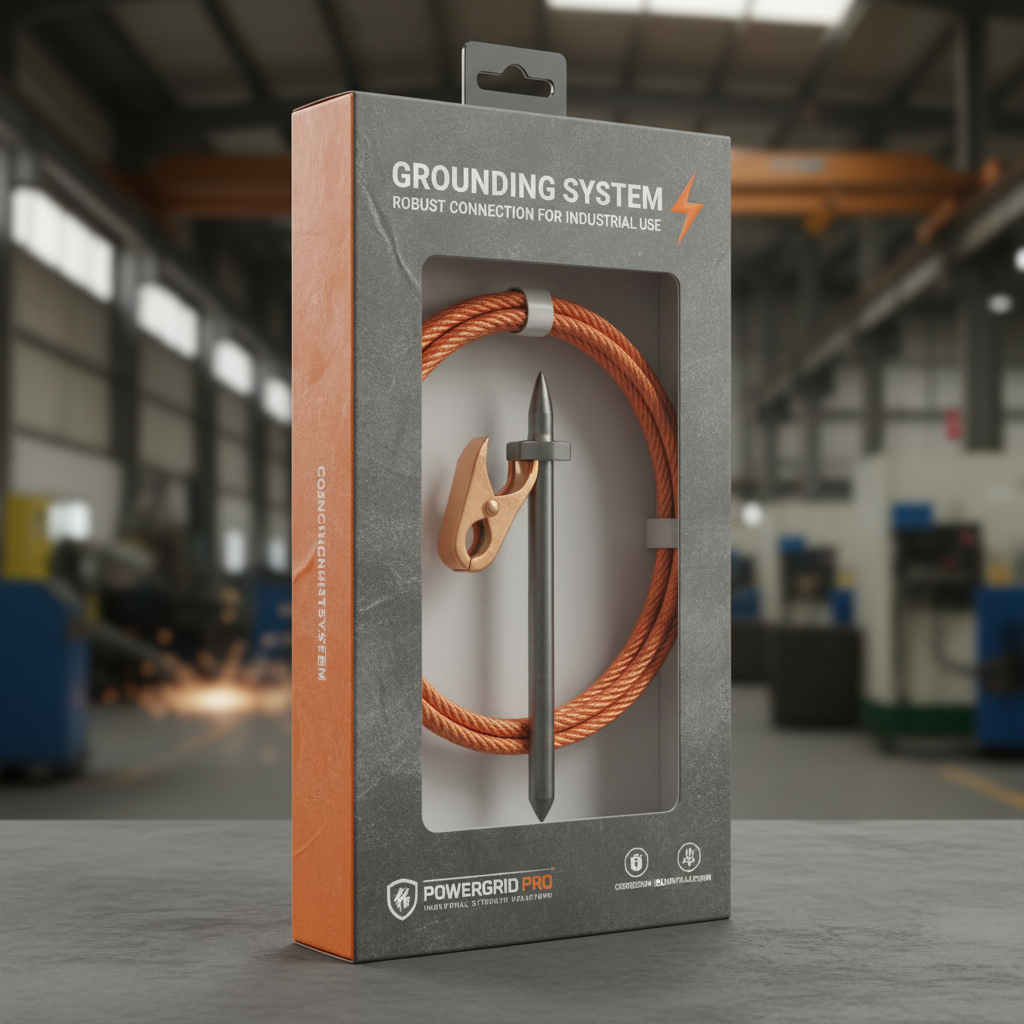
Comprehensive Guide to Connecting Earth Cable to Earth Rod for Electrical Safety
Ensuring a proper earth connection is crucial for electrical safety in any environment, from residential properties to large industrial complexes. The process of connecting earth cable to earth rod is a fundamental aspect of electrical grounding. This article will delve into the steps, best practices, and considerations for a secure and effective earth connection. We’ll cover the necessary tools, proper techniques, and potential pitfalls to avoid, all while prioritizing safety. A reliable earth connection protects against electrical shock and prevents damage to equipment. An earth connection, also known as grounding, provides a low-resistance path for fault currents to flow back to the source. This crucial safety feature triggers circuit breakers or fuses to trip, quickly isolating the fault and preventing electric shock. Without a proper earth connection, electrical faults can cause dangerous voltage levels on metallic equipment, posing a significant risk to life and property. A robust earth connection also minimizes the potential for damage to sensitive electronic devices caused by voltage spikes or surges. Effective grounding is a cornerstone of any safe electrical system.نور یی ولوله

-
 Afrikaans
-
 Albanian
-
 Amharic
-
 Arabic
-
 Armenian
-
 Azerbaijani
-
 Basque
-
 Belarusian
-
 Bengali
-
 Bosnian
-
 Bulgarian
-
 Catalan
-
 Cebuano
-
 Corsican
-
 Croatian
-
 Czech
-
 Danish
-
 Dutch
-
 English
-
 Esperanto
-
 Estonian
-
 Finnish
-
 French
-
 Frisian
-
 Galician
-
 Georgian
-
 German
-
 Greek
-
 Gujarati
-
 Haitian Creole
-
 hausa
-
 hawaiian
-
 Hebrew
-
 Hindi
-
 Miao
-
 Hungarian
-
 Icelandic
-
 igbo
-
 Indonesian
-
 irish
-
 Italian
-
 Japanese
-
 Javanese
-
 Kannada
-
 kazakh
-
 Khmer
-
 Rwandese
-
 Korean
-
 Kurdish
-
 Kyrgyz
-
 Lao
-
 Latin
-
 Latvian
-
 Lithuanian
-
 Luxembourgish
-
 Macedonian
-
 Malgashi
-
 Malay
-
 Malayalam
-
 Maltese
-
 Maori
-
 Marathi
-
 Mongolian
-
 Myanmar
-
 Nepali
-
 Norwegian
-
 Norwegian
-
 Occitan
-
 Pashto
-
 Persian
-
 Polish
-
 Portuguese
-
 Punjabi
-
 Romanian
-
 Russian
-
 Samoan
-
 Scottish Gaelic
-
 Serbian
-
 Sesotho
-
 Shona
-
 Sindhi
-
 Sinhala
-
 Slovak
-
 Slovenian
-
 Somali
-
 Spanish
-
 Sundanese
-
 Swahili
-
 Swedish
-
 Tagalog
-
 Tajik
-
 Tamil
-
 Tatar
-
 Telugu
-
 Thai
-
 Turkish
-
 Turkmen
-
 Ukrainian
-
 Urdu
-
 Uighur
-
 Uzbek
-
 Vietnamese
-
 Welsh
-
 Bantu
-
 Yiddish
-
 Yoruba
-
 Zulu



ټیلیفون:
0086-311-88862036

- اړیکه
- پته: 188، Fengshou سړک، Shijiazhuang. چین
- ایمیل: info@bilopowtel.com
- تلیفون: 0086-311-88862036
- واټساپ: 0086-152-26563165


Copyright © 2026 د شیجیاژوانګ بیلو د وارداتو او صادراتو سوداګرۍ شرکت، لمیټډ ټول حقونه خوندي دي. Sitemap | د محرمیت تګلاره

بلو امپورټ او ایکسپورټ د بریښنا او کیبل تجهیزاتو او ساختماني وسیلو کې تخصص لري، د قرآن اصلي تولیدات د FRP ډکټ راډر، د کیبل رولر سکیبل پلینګ وینچ، د کیبل ډرم جیک، د کیبل پلینګ جراب، او نور دي.


Copyright © 2026 د شیجیاژوانګ بیلو د وارداتو او صادراتو سوداګرۍ شرکت، لمیټډ ټول حقونه خوندي دي. Sitemap | د محرمیت تګلاره



