-
 Afrikaans
-
 Albanian
-
 Amharic
-
 Arabic
-
 Armenian
-
 Azerbaijani
-
 Basque
-
 Belarusian
-
 Bengali
-
 Bosnian
-
 Bulgarian
-
 Catalan
-
 Cebuano
-
 Corsican
-
 Croatian
-
 Czech
-
 Danish
-
 Dutch
-
 English
-
 Esperanto
-
 Estonian
-
 Finnish
-
 French
-
 Frisian
-
 Galician
-
 Georgian
-
 German
-
 Greek
-
 Gujarati
-
 Haitian Creole
-
 hausa
-
 hawaiian
-
 Hebrew
-
 Hindi
-
 Miao
-
 Hungarian
-
 Icelandic
-
 igbo
-
 Indonesian
-
 irish
-
 Italian
-
 Japanese
-
 Javanese
-
 Kannada
-
 kazakh
-
 Khmer
-
 Rwandese
-
 Korean
-
 Kurdish
-
 Kyrgyz
-
 Lao
-
 Latin
-
 Latvian
-
 Lithuanian
-
 Luxembourgish
-
 Macedonian
-
 Malgashi
-
 Malay
-
 Malayalam
-
 Maltese
-
 Maori
-
 Marathi
-
 Mongolian
-
 Myanmar
-
 Nepali
-
 Norwegian
-
 Norwegian
-
 Occitan
-
 Pashto
-
 Persian
-
 Polish
-
 Portuguese
-
 Punjabi
-
 Romanian
-
 Russian
-
 Samoan
-
 Scottish Gaelic
-
 Serbian
-
 Sesotho
-
 Shona
-
 Sindhi
-
 Sinhala
-
 Slovak
-
 Slovenian
-
 Somali
-
 Spanish
-
 Sundanese
-
 Swahili
-
 Swedish
-
 Tagalog
-
 Tajik
-
 Tamil
-
 Tatar
-
 Telugu
-
 Thai
-
 Turkish
-
 Turkmen
-
 Ukrainian
-
 Urdu
-
 Uighur
-
 Uzbek
-
 Vietnamese
-
 Welsh
-
 Bantu
-
 Yiddish
-
 Yoruba
-
 Zulu



Aug . 24, 2026 06:05 ਸੂਚੀ 'ਤੇ ਵਾਪਸ ਜਾਓ
Professional Guide to pulling wire with fish tape safely
Efficient cable installation is the backbone of modern electrical and telecommunications infrastructure, requiring tools that ensure both speed and safety. When professionals are pulling wire with fish tape, the challenge often lies in securing a heavy or sensitive cable to the pull line without risking damage to the outer jacket. This critical junction determines whether a project proceeds smoothly or suffers from costly cable failures.
Across the globe, the demand for high-speed data and reliable power has led to more complex conduit systems, making the process of pulling wire with fish tape more demanding than ever. Utilizing specialized grips, such as braided cable socks, allows technicians to distribute tension evenly, preventing the localized stress points that typically lead to insulation tears or internal conductor breakage.
By integrating high-quality cable socks into the workflow of pulling wire with fish tape, industries can significantly reduce installation time while enhancing the longevity of the network. Understanding the synergy between the fish tape and the cable grip is essential for any professional aiming to meet ISO standards for cable installation and safety.
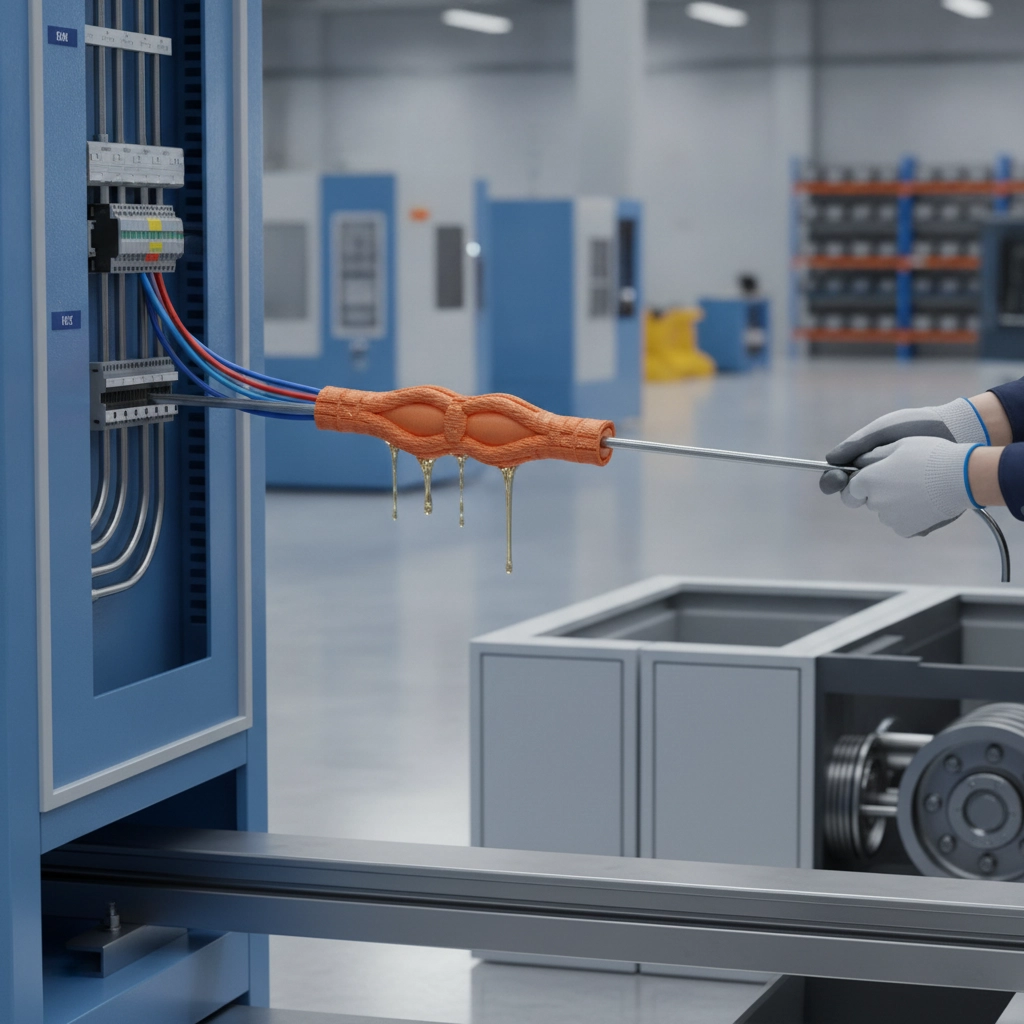
Global Relevance of Pulling Wire with Fish Tape
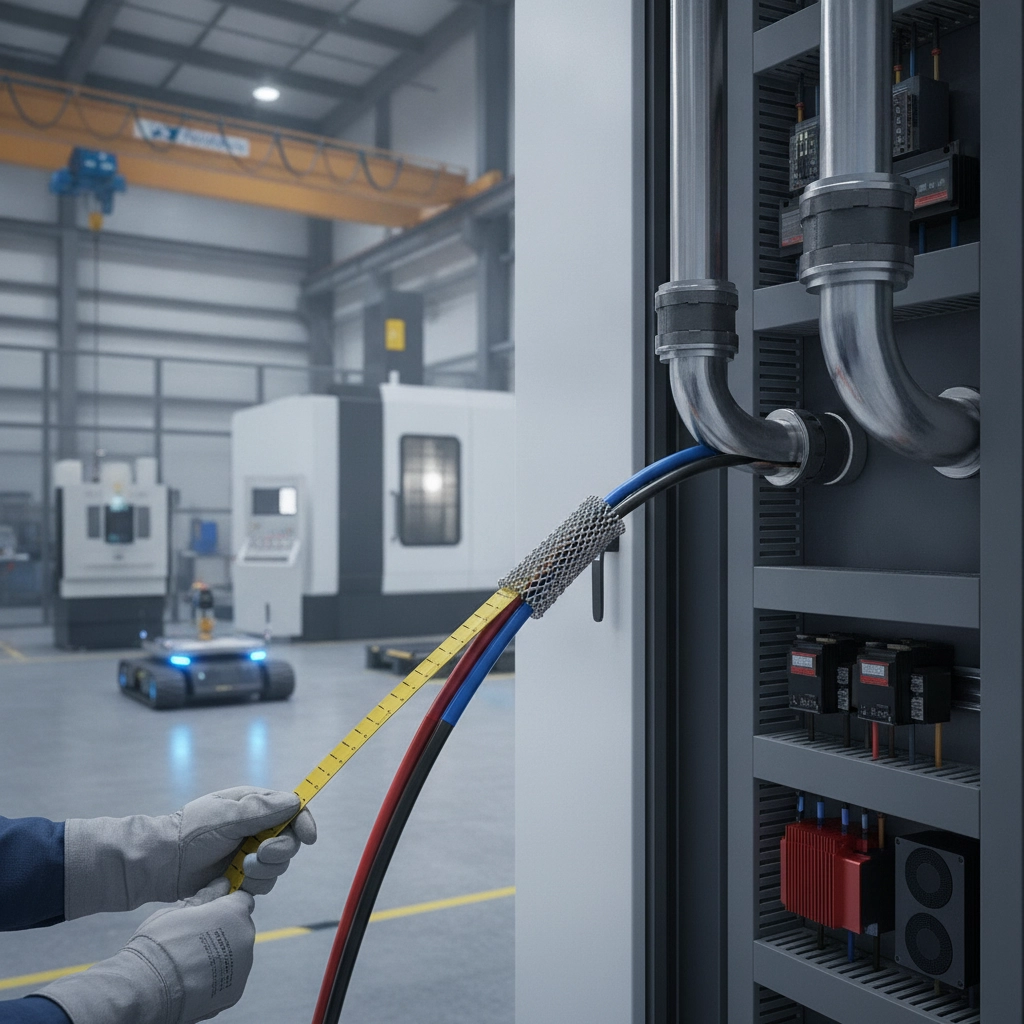
In the current era of global digitalization, the rapid deployment of fiber optics and high-voltage power lines is a priority for governments and private sectors alike. The act of pulling wire with fish tape is a fundamental operation in this expansion, occurring in every metropolitan hub and remote industrial zone. Without precise tools, the risk of installation failure increases, potentially delaying critical infrastructure projects that support everything from 5G connectivity to smart city power grids.
The global industry faces a recurring challenge: balancing the speed of installation with the absolute necessity of cable protection. When technicians are pulling wire with fish tape through long, winding conduits, the friction generated can strip the cable's insulation. This is why the adoption of professional cable socks has become a global standard, ensuring that the physical stress is managed and the infrastructure remains reliable for decades.
ਅਕਸਰ ਪੁੱਛੇ ਜਾਂਦੇ ਸਵਾਲ
The selection is based primarily on the outside sheath diameter of the cable. You must match the cable's millimeter measurement to the corresponding size range of the sock (e.g., 4-6mm for Blue, 18-25mm for Yellow). Using a sock that is too large will result in slippage, while one that is too small can compress and damage the cable's internal conductors. Always refer to the manufacturer's size chart to ensure a secure, anti-skid grip.
While stainless steel socks offer superior strength and corrosion resistance, they are best suited for industrial, outdoor, or high-tension environments. For lighter indoor cables or temporary installations, synthetic mesh versions may be more flexible and cost-effective. However, for high-voltage power or sub-sea cables, stainless or galvanized steel is mandatory to achieve the required breaking strength and durability.
First, select the correct size sock. Second, widen the lattice at the open end by pressing it against a hard surface to induce expansion. Third, place the sock over the exposed end of the cable and push it firmly over the sheath. Once attached, secure the looped end of the sock to your fish tape or pulling line, ensuring the connection is tight before initiating the pull.
Cable socks should be inspected before every single use. Replace them immediately if you notice broken strands, fraying, significant rust, or any deformation in the lattice structure. Using a damaged sock when pulling wire with fish tape can lead to sudden slippage or failure, which may damage expensive cables or cause safety hazards for the installation crew.
Yes, the lattice construction significantly affects the grip and strength. Single weave is suitable for lighter loads, whereas double, triple, and multi-weave designs provide increased surface contact and higher breaking strength. For heavy-duty power cables or umbilical cables, a multi-weave construction is essential to distribute the immense tension and prevent the sock from cutting into the cable jacket.
After each use, especially in humid or salty environments, clean the sock to remove dirt and debris. For galvanized or stainless steel socks, wiping them down with a dry cloth and applying a light coat of oil can prevent rust from forming. Store them in a clean, dry environment away from moisture and chemicals to maintain their structural integrity over time.
Conclusion
Pulling wire with fish tape is a critical technical operation that demands a precise balance of force and protection. By utilizing specialized tools like braided cable socks, professionals can ensure that cables are installed with maximum efficiency and minimum risk. The combination of correct size selection, high-quality materials like stainless steel, and a commitment to regular maintenance transforms the installation process into a reliable, safe, and cost-effective operation.
Looking forward, as we move toward more complex digital infrastructures and green energy grids, the importance of cable integrity will only grow. Investing in professional-grade pulling tools is not just about immediate productivity, but about ensuring the long-term reliability of our global communications and power networks. For more professional cable laying solutions and high-quality tools, visit our website: www.bilopowtel.com.
ਤਾਜ਼ਾ ਖ਼ਬਰਾਂ
Professional Guide to Cable Installation with Ethernet Fish Tape
ਖ਼ਬਰਾਂJul.01,2026
Professional Cable Installation Guide Using a Fish Tape
ਖ਼ਬਰਾਂJun.29,2026
Professional Cable Installation Guide with 30m fish tape
ਖ਼ਬਰਾਂJun.27,2026
Mastering Cable Installation with the 1 2 fish tape Guide
ਖ਼ਬਰਾਂJun.26,2026
Ultimate Guide to Using 3 8 Fish Tape for Electrical Wiring
ਖ਼ਬਰਾਂJun.25,2026
Best Electric Hoists for Sale A Complete Industrial Buyers Guide
ਖ਼ਬਰਾਂJun.23,2026
- ਸੰਪਰਕ ਕਰੋ
- ADDRESS: 188, Fengshou Road, Shijiazhuang. China
- ਈ - ਮੇਲ: info@bilopowtel.com
- ਫ਼ੋਨ: 0086-311-88862036
- WHATSAPP: 0086-152-26563165