-
 Afrikaans
-
 Albanian
-
 Amharic
-
 Arabic
-
 Armenian
-
 Azerbaijani
-
 Basque
-
 Belarusian
-
 Bengali
-
 Bosnian
-
 Bulgarian
-
 Catalan
-
 Cebuano
-
 Corsican
-
 Croatian
-
 Czech
-
 Danish
-
 Dutch
-
 English
-
 Esperanto
-
 Estonian
-
 Finnish
-
 French
-
 Frisian
-
 Galician
-
 Georgian
-
 German
-
 Greek
-
 Gujarati
-
 Haitian Creole
-
 hausa
-
 hawaiian
-
 Hebrew
-
 Hindi
-
 Miao
-
 Hungarian
-
 Icelandic
-
 igbo
-
 Indonesian
-
 irish
-
 Italian
-
 Japanese
-
 Javanese
-
 Kannada
-
 kazakh
-
 Khmer
-
 Rwandese
-
 Korean
-
 Kurdish
-
 Kyrgyz
-
 Lao
-
 Latin
-
 Latvian
-
 Lithuanian
-
 Luxembourgish
-
 Macedonian
-
 Malgashi
-
 Malay
-
 Malayalam
-
 Maltese
-
 Maori
-
 Marathi
-
 Mongolian
-
 Myanmar
-
 Nepali
-
 Norwegian
-
 Norwegian
-
 Occitan
-
 Pashto
-
 Persian
-
 Polish
-
 Portuguese
-
 Punjabi
-
 Romanian
-
 Russian
-
 Samoan
-
 Scottish Gaelic
-
 Serbian
-
 Sesotho
-
 Shona
-
 Sindhi
-
 Sinhala
-
 Slovak
-
 Slovenian
-
 Somali
-
 Spanish
-
 Sundanese
-
 Swahili
-
 Swedish
-
 Tagalog
-
 Tajik
-
 Tamil
-
 Tatar
-
 Telugu
-
 Thai
-
 Turkish
-
 Turkmen
-
 Ukrainian
-
 Urdu
-
 Uighur
-
 Uzbek
-
 Vietnamese
-
 Welsh
-
 Bantu
-
 Yiddish
-
 Yoruba
-
 Zulu



Jun . 23, 2026 03:05 सूचीमा फर्कनुहोस्
Professional Buyers Guide for Industrial Chain Hoist for Sale
Finding the Best Chain Hoist for Sale: A Professional Buyer's Guide
Selecting the right lifting equipment is critical for operational efficiency and workplace safety. Whether you are upgrading a warehouse or equipping a new construction site, searching for a high-quality chain hoist for sale requires a deep understanding of load capacities, lift heights, and motor specifications. A reliable hoist does more than just move heavy objects; it minimizes downtime and protects your most valuable asset—your workforce. In this comprehensive guide, we will explore the technical nuances and practical considerations to help you make an informed investment for your business.
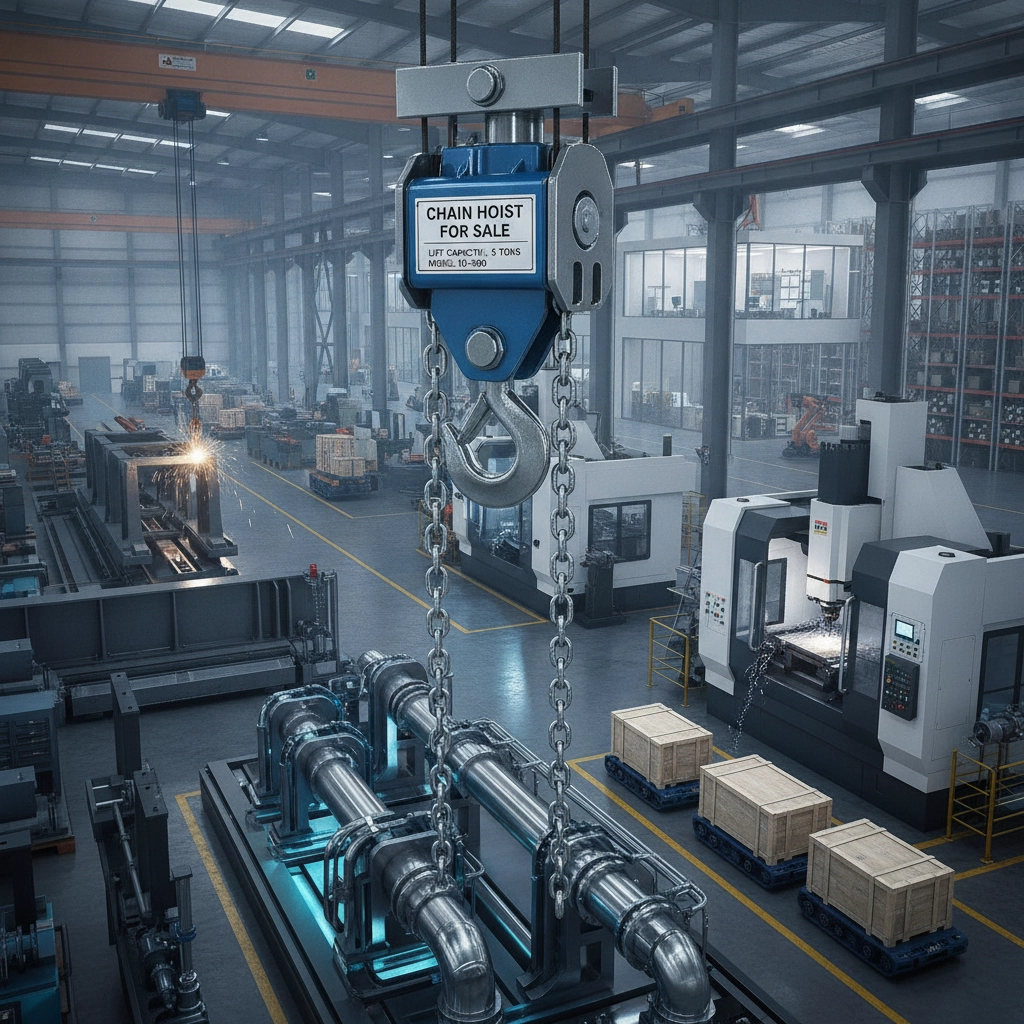
Types of Lifting Solutions When Searching for a Chain Hoist for Sale
Before browsing any chain hoist for sale, it is essential to distinguish between manual and electric options. Manual chain hoists are ideal for occasional use or environments where electricity is unavailable, relying on a hand-chain for operation. Conversely, electric chain hoists are designed for high-frequency lifting, offering speed and reducing physical strain on operators. Depending on your industry—be it automotive repair, aerospace, or heavy manufacturing—the choice between these two will dictate your daily productivity levels and long-term operational costs.
Pro Tip: Always consider the "Duty Cycle" of the hoist. A higher duty cycle means the hoist can operate for longer periods without needing to cool down, which is vital for 24/7 production lines.
Essential Features to Evaluate in Every Chain Hoist
When evaluating a chain hoist for sale, look beyond the price tag. Focus on load brake reliability, which prevents the load from slipping, and the grade of the load chain (typically Grade 80 or 100), which determines the strength and wear resistance. Additionally, check for features like overload protection devices and ergonomic pendant controls. A hoist with an integrated limit switch is highly recommended to prevent the hook from hitting the hoist body, thereby extending the equipment's lifespan and preventing accidents.
Comparative Analysis: Electric vs. Manual Hoists
To help you decide which chain hoist for sale fits your specific needs, we have compared the most common types. While electric models offer unmatched speed, manual models provide simplicity and portability. The following table breaks down the core differences in performance and application.
Industrial Applications for Your Chain Hoist for Sale
The utility of a chain hoist for sale spans across numerous sectors. In the automotive industry, they are used for engine removal and chassis lifting. In construction, they facilitate the movement of steel beams and heavy machinery in tight spaces. Furthermore, the logistics sector utilizes these hoists for loading and unloading oversized cargo. Regardless of the application, ensuring the hoist is rated for the specific environment (e.g., explosion-proof for chemical plants) is non-negotiable for safety compliance.
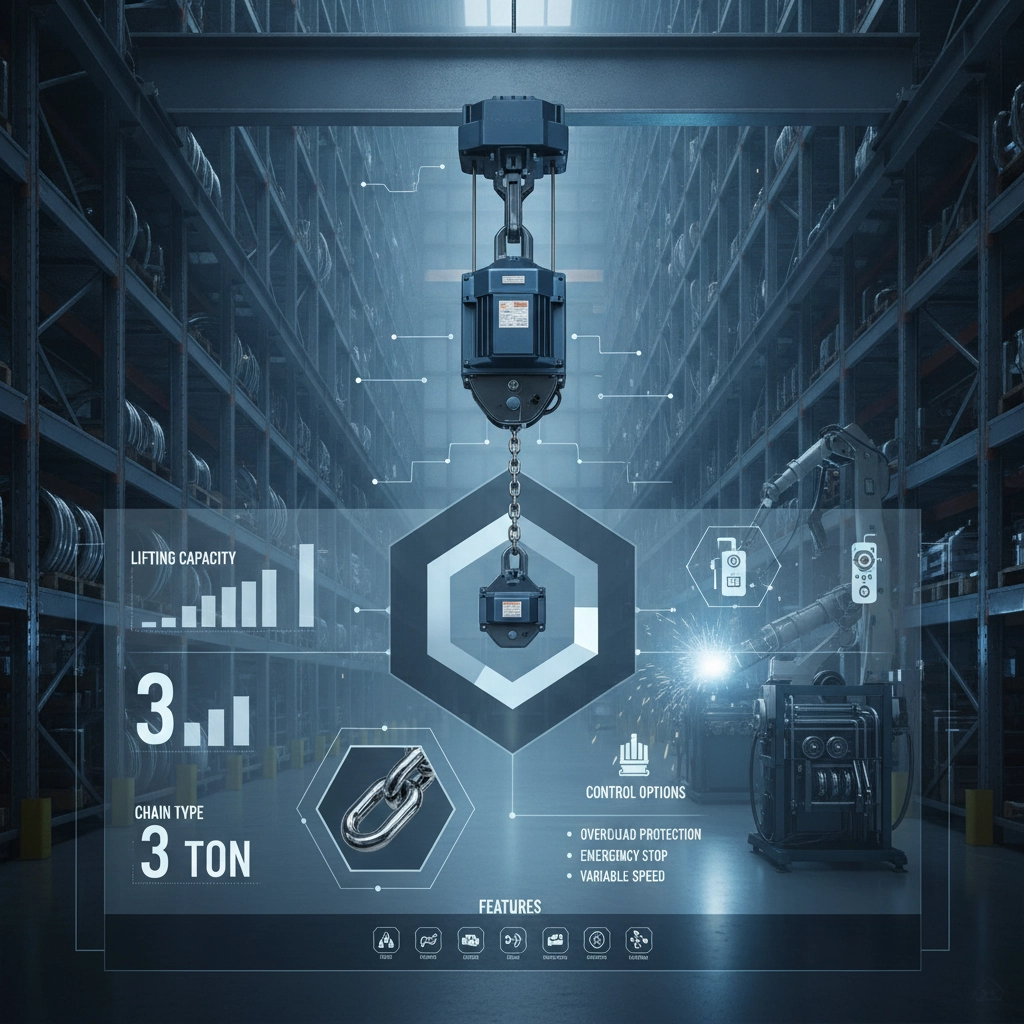
Technical Specifications Guide for Chain Hoist for Sale
When reviewing a specification sheet for a chain hoist for sale, pay close attention to the Safe Working Load (SWL). Never exceed this limit, as it can lead to catastrophic mechanical failure. You should also verify the lifting height to ensure it reaches your required maximum elevation. Below is a typical specification table for a professional-grade electric chain hoist to serve as your benchmark.
Maintenance Tips to Protect Your Hoist Investment
Buying a chain hoist for sale is only the first step; proper maintenance ensures it remains safe for years. Regular lubrication of the chain is the most critical task to prevent rust and friction wear. Additionally, perform weekly visual inspections for "stretched" chain links or worn-out hook latches. Implementing a scheduled maintenance log helps in identifying patterns of wear and allows for the replacement of parts before a failure occurs, ensuring that your operations never come to an unplanned halt.
Conclusion: Secure Your Operations with the Right Hoist
Investing in a premium chain hoist for sale is a strategic move toward enhancing industrial safety and efficiency. By matching the hoist's capacity and type to your specific operational needs and committing to a rigorous maintenance schedule, you can significantly reduce risks and boost productivity. Don't settle for mediocre equipment when it comes to heavy lifting—prioritize quality, certifications, and reliability to ensure your business continues to grow safely.
Frequently Asked Questions (FAQs)
How do I choose the correct capacity for a chain hoist?
To choose the correct capacity, first determine the maximum weight of the load you will be lifting, including any rigging gear like slings or shackles. It is a professional best practice to select a hoist with a capacity that is 20-25% higher than your maximum expected load. This provides a safety buffer and prevents the hoist from constantly operating at its absolute limit, which reduces wear and tear and increases the overall lifespan of the machine. Always refer to the manufacturer's load chart before operation.
What is the difference between G80 and G100 chains?
The "G" stands for Grade. Grade 80 (G80) is the industry standard for overhead lifting, offering excellent strength and durability. Grade 100 (G100) is a newer, higher-strength alloy that allows for a higher working load limit (WLL) while maintaining the same diameter as G80. This means G100 chains can be lighter or lift more weight than G80 chains. When browsing for a chain hoist for sale, check the grade to ensure it meets the safety requirements of your local regulations.
Can I use a manual hoist for high-frequency lifting?
While you technically can, it is not recommended for high-frequency tasks. Manual hoists require significant physical effort, which can lead to operator fatigue and an increased risk of workplace injuries over time. Furthermore, the speed of a manual hoist is far lower than that of an electric one, which will create a bottleneck in your production process. For any application where lifting occurs multiple times per hour, investing in an electric chain hoist is the most cost-effective long-term solution for labor efficiency.
How often should a chain hoist be inspected?
Inspections should occur at three levels: daily, monthly, and annually. Daily checks should be visual and performed by the operator to ensure the chain is not twisted and the hook is secure. Monthly inspections should involve a deeper check of the lubrication and brake functionality. An annual "thorough examination" should be performed by a certified professional to certify that the hoist is still safe for use. Regular inspections are the only way to guarantee the safety of the personnel working beneath the load.
ताजा खबर
Professional Guide to Cable Installation with Ethernet Fish Tape
समाचारJul.01,2026
Professional Cable Installation Guide Using a Fish Tape
समाचारJun.29,2026
Professional Cable Installation Guide with 30m fish tape
समाचारJun.27,2026
Mastering Cable Installation with the 1 2 fish tape Guide
समाचारJun.26,2026
Ultimate Guide to Using 3 8 Fish Tape for Electrical Wiring
समाचारJun.25,2026
Best Electric Hoists for Sale A Complete Industrial Buyers Guide
समाचारJun.23,2026
- सम्पर्क गर्नुहोस्
- ADDRESS: 188, Fengshou Road, Shijiazhuang. China
- इमेल: info@bilopowtel.com
- फोन: 0086-311-88862036
- WHATSAPP: 0086-152-26563165