



-
 Afrikaans
-
 Albanian
-
 Amharic
-
 Arabic
-
 Armenian
-
 Azerbaijani
-
 Basque
-
 Belarusian
-
 Bengali
-
 Bosnian
-
 Bulgarian
-
 Catalan
-
 Cebuano
-
 Corsican
-
 Croatian
-
 Czech
-
 Danish
-
 Dutch
-
 English
-
 Esperanto
-
 Estonian
-
 Finnish
-
 French
-
 Frisian
-
 Galician
-
 Georgian
-
 German
-
 Greek
-
 Gujarati
-
 Haitian Creole
-
 hausa
-
 hawaiian
-
 Hebrew
-
 Hindi
-
 Miao
-
 Hungarian
-
 Icelandic
-
 igbo
-
 Indonesian
-
 irish
-
 Italian
-
 Japanese
-
 Javanese
-
 Kannada
-
 kazakh
-
 Khmer
-
 Rwandese
-
 Korean
-
 Kurdish
-
 Kyrgyz
-
 Lao
-
 Latin
-
 Latvian
-
 Lithuanian
-
 Luxembourgish
-
 Macedonian
-
 Malgashi
-
 Malay
-
 Malayalam
-
 Maltese
-
 Maori
-
 Marathi
-
 Mongolian
-
 Myanmar
-
 Nepali
-
 Norwegian
-
 Norwegian
-
 Occitan
-
 Pashto
-
 Persian
-
 Polish
-
 Portuguese
-
 Punjabi
-
 Romanian
-
 Russian
-
 Samoan
-
 Scottish Gaelic
-
 Serbian
-
 Sesotho
-
 Shona
-
 Sindhi
-
 Sinhala
-
 Slovak
-
 Slovenian
-
 Somali
-
 Spanish
-
 Sundanese
-
 Swahili
-
 Swedish
-
 Tagalog
-
 Tajik
-
 Tamil
-
 Tatar
-
 Telugu
-
 Thai
-
 Turkish
-
 Turkmen
-
 Ukrainian
-
 Urdu
-
 Uighur
-
 Uzbek
-
 Vietnamese
-
 Welsh
-
 Bantu
-
 Yiddish
-
 Yoruba
-
 Zulu



Jun . 13, 2026 03:11 പട്ടികയിലേക്ക് മടങ്ങുക
Industrial Chain Pulley Block 15 Ton Lifting Guide
The Ultimate Guide to Selecting a Chain Pulley Block 15 Ton for Industrial Lifting
In heavy-duty industrial environments, the ability to lift and move massive loads with precision and safety is non-negotiable. A chain pulley block 15 ton serves as the backbone for such operations, providing the mechanical advantage necessary to hoist heavy machinery, structural beams, and industrial components. Whether you are operating in a shipyard, a construction site, or a manufacturing plant, understanding the technical nuances of high-capacity lifting gear is essential for operational efficiency. In this comprehensive guide, we will explore the critical features, safety standards, and maintenance tips to ensure your lifting operations remain seamless and secure.
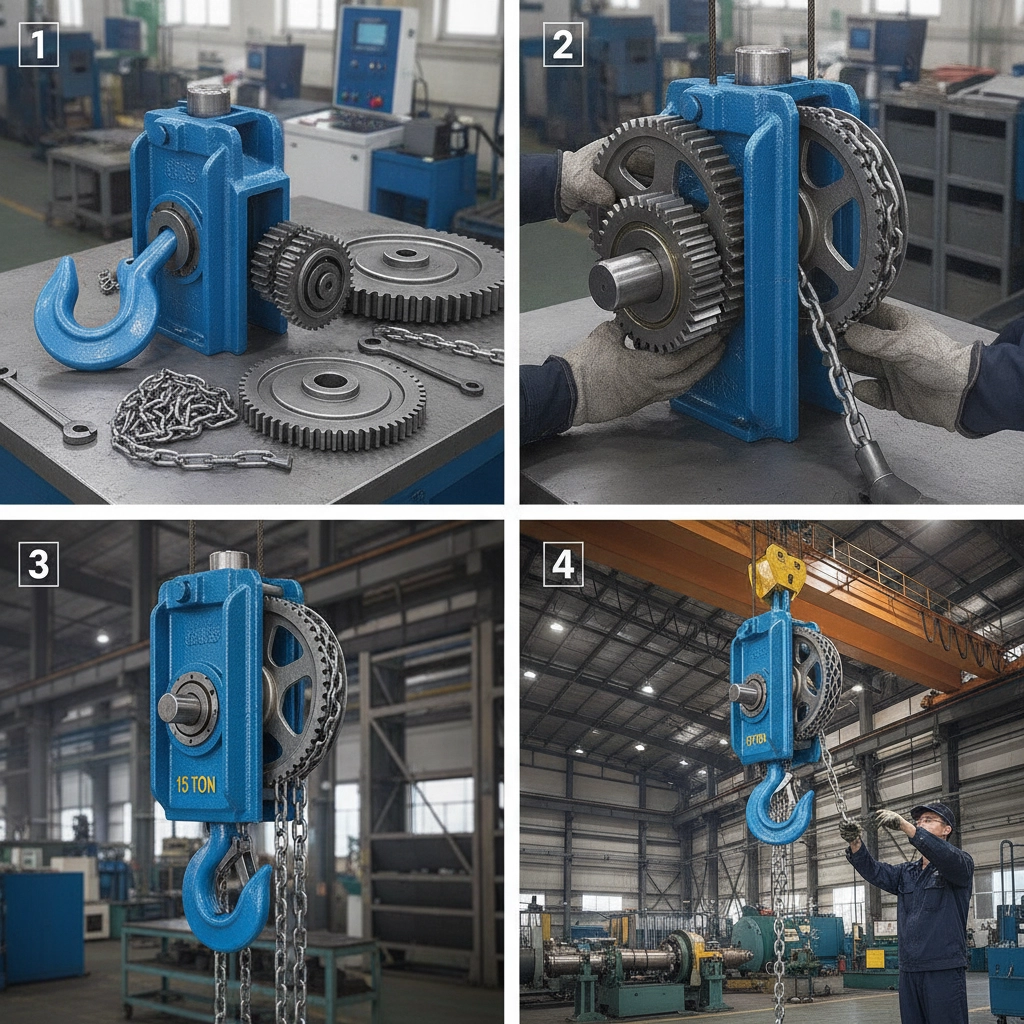
Core Engineering of a High-Capacity Chain Pulley Block 15 Ton
A professional chain pulley block 15 ton is engineered to handle extreme stress without compromising structural integrity. At its core, it utilizes a high-grade alloy steel chain that is heat-treated for maximum tensile strength and wear resistance. The gear mechanism is designed to minimize friction, ensuring that the operator can lift substantial weights with reduced manual effort. Precision-machined load brakes and locking systems are integrated to prevent accidental load slippage, which is critical when dealing with 15 tons of material. The housing is typically constructed from reinforced steel to protect the internal gears from dust, debris, and accidental impact in harsh work environments.
Technical Highlight: The use of G80 (Grade 80) alloy steel chains ensures that the lifting equipment can withstand dynamic loads and provides a high safety factor, typically ranging from 4:1 or 5:1 depending on the manufacturer's specifications.
Comparing Manual vs. Electric 15 Ton Lifting Solutions
When deciding on the right equipment, businesses often debate between manual chain blocks and electric hoists. A manual chain pulley block 15 ton offers unmatched portability and independence from power sources, making it ideal for remote sites or emergency maintenance. Conversely, electric versions prioritize speed and operator fatigue reduction. For most heavy-duty assembly tasks where precision is more important than speed, the manual chain block remains the preferred choice due to its reliability and lower maintenance costs. Below is a detailed comparison to help you choose the right fit for your facility.
Essential Safety Protocols for Using a Chain Pulley Block 15 Ton
Safety is the most critical aspect when operating a chain pulley block 15 ton. Overloading a hoist can lead to catastrophic failure, risking both equipment and lives. Always ensure the Working Load Limit (WLL) is clearly marked and never exceeded. Before every lift, a visual inspection of the chain for twists, nicks, or corrosion is mandatory. Operators should also check the hook for any signs of opening or deformation. Furthermore, ensure the load is balanced and centered directly beneath the hoist to avoid "side-loading," which can pull the hoist off its anchor point and cause the chain to jump the sprocket.
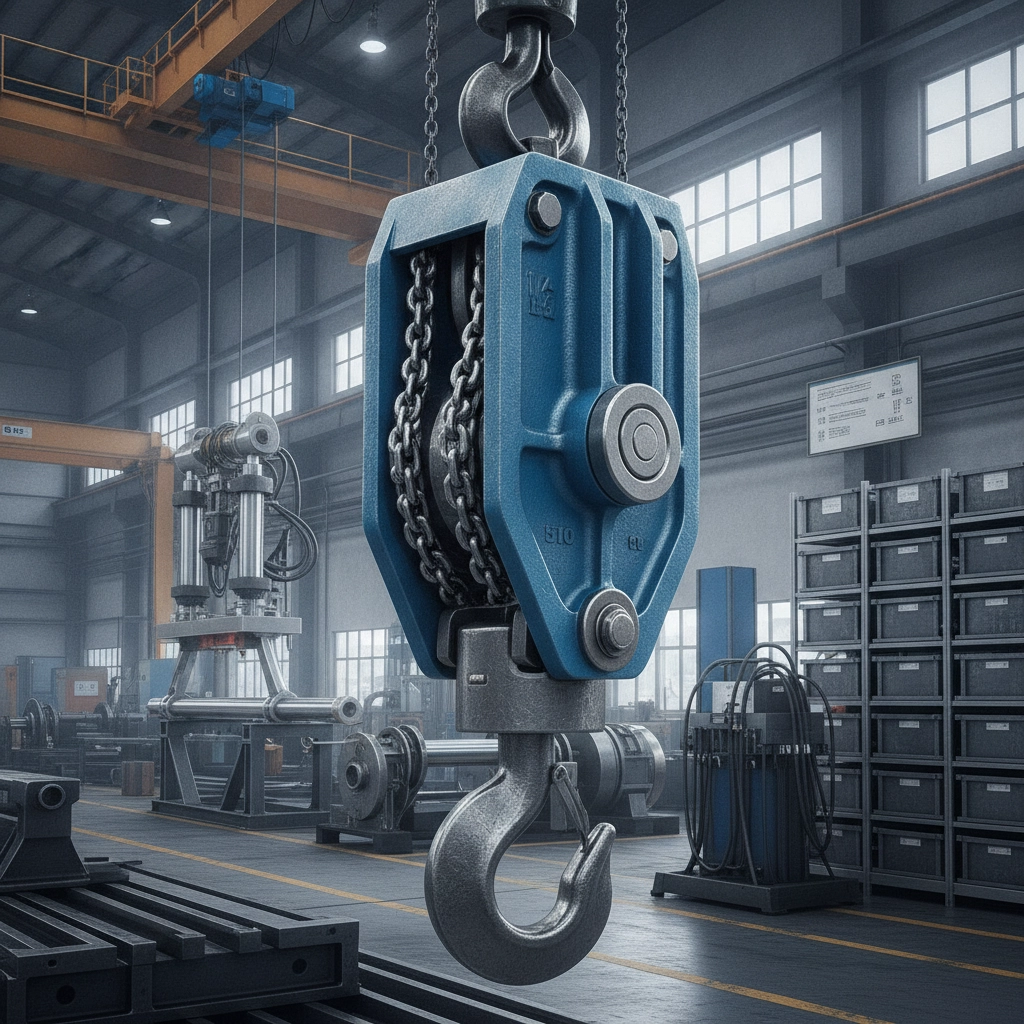
Technical Specifications of the 15 Ton Chain Hoist
To ensure you are purchasing the correct model for your needs, it is important to review the technical data. A standard chain pulley block 15 ton is designed with specific dimensions and load-bearing capacities to maximize efficiency. The chain diameter and the number of falls (the number of chain segments supporting the load) directly influence the lift speed and the effort required by the operator. Below are the typical specifications found in industrial-grade 15-ton units.
Maintenance Tips for Extending the Life of Your Hoist
Regular maintenance is the only way to ensure the longevity and safety of your chain pulley block 15 ton. The most vital part of maintenance is consistent lubrication. Using a high-quality industrial lubricant on the chain prevents friction-induced wear and protects against rust, especially in humid environments. Additionally, the load chain should be inspected for "stretch"—which is actually a sign of permanent deformation caused by overloading. If the chain shows uneven wear or excessive elongation, it must be replaced immediately. Keeping the housing clean and ensuring the bolts are tightened periodically will prevent mechanical failures during critical lifts.
Maintenance Checklist:
• Lubricate the load chain every 50 hours of operation.
• Check the hook latch for proper spring tension.
• Verify that the brake engages instantly under full load.
• Inspect the anchor point for structural cracks or instability.
Industrial Applications: Where 15 Ton Blocks Are Essential
The application of a chain pulley block 15 ton spans across numerous high-intensity sectors. In the automotive industry, these blocks are used to move heavy engine blocks or chassis components. In the energy sector, they are indispensable for installing large transformers or wind turbine components. Additionally, mining operations rely on these tools to lift heavy drilling equipment in subterranean environments where electricity may be unstable. Because of their robustness, they are often the first choice for emergency recovery and heavy-duty salvage operations where a reliable, manually operated lift is the only option.
Conclusion: Optimizing Your Lifting Workflow
Investing in a high-quality chain pulley block 15 ton is an investment in safety, efficiency, and durability. By selecting equipment that meets international standards and adhering to strict maintenance and safety protocols, companies can ensure their heavy-lifting operations are both productive and risk-free. From the precision of the gear system to the strength of the alloy chain, every detail matters when lifting 15 tons. For those seeking reliable industrial hoisting solutions, prioritizing quality over cost is the only path to long-term operational success.
Frequently Asked Questions (FAQs)
How often should a 15 ton chain pulley block be inspected?
A thorough visual inspection should be performed before every single use. This includes checking the chain for twists, the hook for bends, and the brake for responsiveness. Beyond daily checks, a professional certification and detailed inspection by a qualified technician should occur at least once every 12 months, or more frequently if the hoist is used in corrosive environments like saltwater or chemical plants. Regular audits ensure that any wear and tear are caught before they lead to failure.
Can I use a 15 ton chain block to lift more than 15 tons?
Absolutely not. You must never exceed the Working Load Limit (WLL) of the equipment. Lifting a load heavier than the rated 15 tons can cause the chain to snap, the gears to strip, or the brake to fail, leading to a catastrophic accident. If you find that your loads frequently approach or exceed 15 tons, you should upgrade to a higher capacity hoist. Always remember that the WLL accounts for a safety factor, but relying on that factor during normal operation is extremely dangerous.
What is the best way to lubricate the chain of a pulley block?
The best way to lubricate a chain pulley block 15 ton is to use a high-grade industrial lubricant specifically designed for load chains. Avoid using thick grease that attracts dust and grit, as this can act like an abrasive and wear down the chain faster. Instead, use a penetrating oil or a specialized chain lubricant. Apply it evenly along the entire length of the chain and then run the hoist through a few cycles of lifting and lowering (without a load) to ensure the lubricant reaches all the internal joints and links.
What should I do if the chain becomes twisted during operation?
If the chain becomes twisted, you must stop the operation immediately and lower the load to the ground if possible. A twisted chain can jump out of the sprocket or cause uneven loading on the links, which significantly increases the risk of a snap. Once the load is secure, carefully inspect the chain and the guide to find the cause of the twist. Re-align the chain by hand before resuming the lift. To prevent this, always ensure the load is perfectly centered and avoid any sudden jerking motions during the hoisting process.
പുതിയ വാർത്ത
Professional Guide to Cable Installation with Ethernet Fish Tape
വാർത്തJul.01,2026
Professional Cable Installation Guide Using a Fish Tape
വാർത്തJun.29,2026
Professional Cable Installation Guide with 30m fish tape
വാർത്തJun.27,2026
Mastering Cable Installation with the 1 2 fish tape Guide
വാർത്തJun.26,2026
Ultimate Guide to Using 3 8 Fish Tape for Electrical Wiring
വാർത്തJun.25,2026
Best Electric Hoists for Sale A Complete Industrial Buyers Guide
വാർത്തJun.23,2026
- ബന്ധപ്പെടുക
- ADDRESS: 188, Fengshou Road, Shijiazhuang. China
- ഇമെയിൽ: info@bilopowtel.com
- ഫോൺ: 0086-311-88862036
- വാട്ട്സ്ആപ്പ്: 0086-152-26563165





