



-
 Afrikaans
-
 Albanian
-
 Amharic
-
 Arabic
-
 Armenian
-
 Azerbaijani
-
 Basque
-
 Belarusian
-
 Bengali
-
 Bosnian
-
 Bulgarian
-
 Catalan
-
 Cebuano
-
 Corsican
-
 Croatian
-
 Czech
-
 Danish
-
 Dutch
-
 English
-
 Esperanto
-
 Estonian
-
 Finnish
-
 French
-
 Frisian
-
 Galician
-
 Georgian
-
 German
-
 Greek
-
 Gujarati
-
 Haitian Creole
-
 hausa
-
 hawaiian
-
 Hebrew
-
 Hindi
-
 Miao
-
 Hungarian
-
 Icelandic
-
 igbo
-
 Indonesian
-
 irish
-
 Italian
-
 Japanese
-
 Javanese
-
 Kannada
-
 kazakh
-
 Khmer
-
 Rwandese
-
 Korean
-
 Kurdish
-
 Kyrgyz
-
 Lao
-
 Latin
-
 Latvian
-
 Lithuanian
-
 Luxembourgish
-
 Macedonian
-
 Malgashi
-
 Malay
-
 Malayalam
-
 Maltese
-
 Maori
-
 Marathi
-
 Mongolian
-
 Myanmar
-
 Nepali
-
 Norwegian
-
 Norwegian
-
 Occitan
-
 Pashto
-
 Persian
-
 Polish
-
 Portuguese
-
 Punjabi
-
 Romanian
-
 Russian
-
 Samoan
-
 Scottish Gaelic
-
 Serbian
-
 Sesotho
-
 Shona
-
 Sindhi
-
 Sinhala
-
 Slovak
-
 Slovenian
-
 Somali
-
 Spanish
-
 Sundanese
-
 Swahili
-
 Swedish
-
 Tagalog
-
 Tajik
-
 Tamil
-
 Tatar
-
 Telugu
-
 Thai
-
 Turkish
-
 Turkmen
-
 Ukrainian
-
 Urdu
-
 Uighur
-
 Uzbek
-
 Vietnamese
-
 Welsh
-
 Bantu
-
 Yiddish
-
 Yoruba
-
 Zulu



Jun . 09, 2026 06:06 ಪಟ್ಟಿಗೆ ಹಿಂತಿರುಗಿ
Industrial Cable Management with Fish Tape Puller and Tie Pliers
In the complex landscape of modern electrical installations and industrial cabling, the efficiency of cable management often hinges on the precision of the tools used. A fish tape puller is often discussed as a fundamental utility for threading wires through conduits, yet the true integrity of a cable installation depends on how those cables are secured once they reach their destination. Understanding the synergy between pulling and securing ensures a professional, long-lasting infrastructure.
Globally, the demand for high-performance cable laying tools has surged as smart cities and industrial automation expand. Whether it is in the depths of a manufacturing plant or the walls of a commercial skyscraper, the ability to pull and then fasten cables with industrial-grade precision is critical. This process prevents cable sag, reduces mechanical stress, and ensures compliance with rigorous international safety standards.
By integrating advanced tensioning and cutting tools alongside a fish tape puller, technicians can achieve a seamless workflow. From stainless steel strap banding to heavy-duty industrial bindings, the right selection of cable tie pliers ensures that every connection is secure, weather-resistant, and capable of withstanding the harsh environments typical of the metal tool and equipment manufacturing industry.
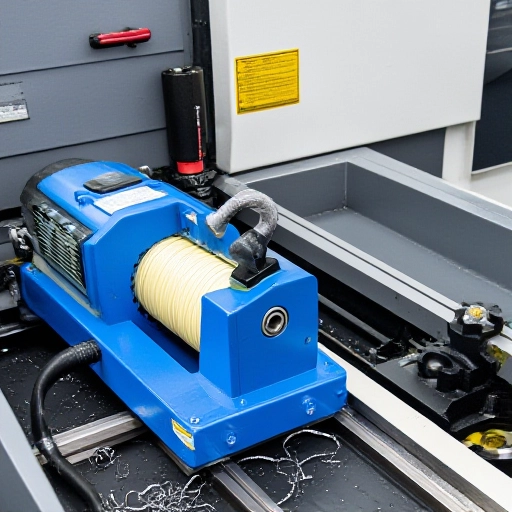
Global Industrial Context of Cable Management
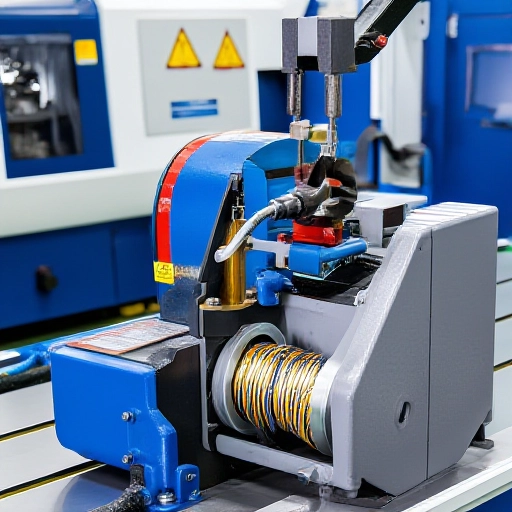
The global infrastructure for electrical distribution is undergoing a massive transformation. With the rise of ISO-certified manufacturing processes, the precision of cable installation has moved from a "best effort" approach to a strict engineering requirement. While a fish tape puller handles the initial navigation of conduits, the subsequent securing of those cables determines the operational lifespan of the entire system.
In heavy industrial zones, the challenge lies in preventing cable degradation due to vibration and corrosion. This is where specialized stainless steel cable tie pliers become indispensable. By providing consistent tension and clean cuts, these tools ensure that cable bundles remain intact even under extreme thermal and mechanical stress, reducing the risk of costly downtime in critical utility sectors.
ಪದೇ ಪದೇ ಕೇಳಲಾಗುವ ಪ್ರಶ್ನೆಗಳು
A fish tape puller is used to "fish" or pull wires through a conduit or wall. In contrast, cable tie pliers are used after the wire is pulled to secure the cables in place using stainless steel straps. While the puller focuses on movement and navigation, the pliers focus on tensioning and cutting for a permanent, secure fit.
The XN-S240 is the most suitable for heavy industrial use. It supports the widest strap range (6.4mm to 20mm) and can handle a thickness of up to 0.8mm, providing the maximum tension needed for large-scale cable bundles in manufacturing environments.
These specific models are engineered for stainless steel cable ties. While they may physically tighten some heavy-duty plastics, they are optimized for the hardness and tension requirements of metal straps. Using them on thin plastics may not provide the intended industrial-grade results.
Both models handle the same strap width (4.6mm-19mm) and thickness (0.76mm). The primary difference is the net weight (1.8kg vs 1.2kg), which often correlates to the structural reinforcement of the handle and tensioning lever, making the ZDQB-01 more suitable for higher-frequency, heavy-duty use.
Keep the blades clean of metal shavings and apply a light industrial lubricant to the pivot points. Since these are designed for stainless steel, the blades are hardened, but avoiding the use of tools on materials harder than the specified steel straps will extend their lifespan significantly.
Yes, specifically the XN-LQD and XN-G338 models. Due to their compact design and lighter weight (0.57kg), they are ideal for technicians who need to secure ties in tight junction boxes or narrow conduits where a full-sized tool would be cumbersome.
Conclusion
In summary, the successful implementation of any cable laying project requires a holistic approach to tooling. While a fish tape puller serves as the essential first step in navigating conduits, the use of professional stainless steel cable tie pliers—such as the ZDQB and XN series—ensures that the final installation is secure, durable, and compliant with industrial standards. By matching the specific strap width and thickness to the correct tool model, technicians can significantly increase efficiency and reduce the long-term risk of cable failure.
Looking forward, as the world moves toward more sustainable and automated infrastructure, the reliance on high-durability metal tools will only increase. We recommend that industrial operators transition from temporary plastic solutions to professional stainless steel banding to ensure maximum safety and longevity. For those seeking the highest quality in cable laying and securing equipment, we invite you to explore our full range of professional solutions. Visit our website: www.bilopowtel.com
ಇತ್ತೀಚಿನ ಸುದ್ದಿ
Professional Guide to Cable Installation with Ethernet Fish Tape
ಸುದ್ದಿJul.01,2026
Professional Cable Installation Guide Using a Fish Tape
ಸುದ್ದಿJun.29,2026
Professional Cable Installation Guide with 30m fish tape
ಸುದ್ದಿJun.27,2026
Mastering Cable Installation with the 1 2 fish tape Guide
ಸುದ್ದಿJun.26,2026
Ultimate Guide to Using 3 8 Fish Tape for Electrical Wiring
ಸುದ್ದಿJun.25,2026
Best Electric Hoists for Sale A Complete Industrial Buyers Guide
ಸುದ್ದಿJun.23,2026
- ಸಂಪರ್ಕ
- ADDRESS: 188, Fengshou Road, Shijiazhuang. China
- ಇಮೇಲ್: info@bilopowtel.com
- ದೂರವಾಣಿ: 0086-311-88862036
- ವಾಟ್ಸಾಪ್: 0086-152-26563165





