



-
 Afrikaans
-
 Albanian
-
 Amharic
-
 Arabic
-
 Armenian
-
 Azerbaijani
-
 Basque
-
 Belarusian
-
 Bengali
-
 Bosnian
-
 Bulgarian
-
 Catalan
-
 Cebuano
-
 Corsican
-
 Croatian
-
 Czech
-
 Danish
-
 Dutch
-
 English
-
 Esperanto
-
 Estonian
-
 Finnish
-
 French
-
 Frisian
-
 Galician
-
 Georgian
-
 German
-
 Greek
-
 Gujarati
-
 Haitian Creole
-
 hausa
-
 hawaiian
-
 Hebrew
-
 Hindi
-
 Miao
-
 Hungarian
-
 Icelandic
-
 igbo
-
 Indonesian
-
 irish
-
 Italian
-
 Japanese
-
 Javanese
-
 Kannada
-
 kazakh
-
 Khmer
-
 Rwandese
-
 Korean
-
 Kurdish
-
 Kyrgyz
-
 Lao
-
 Latin
-
 Latvian
-
 Lithuanian
-
 Luxembourgish
-
 Macedonian
-
 Malgashi
-
 Malay
-
 Malayalam
-
 Maltese
-
 Maori
-
 Marathi
-
 Mongolian
-
 Myanmar
-
 Nepali
-
 Norwegian
-
 Norwegian
-
 Occitan
-
 Pashto
-
 Persian
-
 Polish
-
 Portuguese
-
 Punjabi
-
 Romanian
-
 Russian
-
 Samoan
-
 Scottish Gaelic
-
 Serbian
-
 Sesotho
-
 Shona
-
 Sindhi
-
 Sinhala
-
 Slovak
-
 Slovenian
-
 Somali
-
 Spanish
-
 Sundanese
-
 Swahili
-
 Swedish
-
 Tagalog
-
 Tajik
-
 Tamil
-
 Tatar
-
 Telugu
-
 Thai
-
 Turkish
-
 Turkmen
-
 Ukrainian
-
 Urdu
-
 Uighur
-
 Uzbek
-
 Vietnamese
-
 Welsh
-
 Bantu
-
 Yiddish
-
 Yoruba
-
 Zulu



Feb . 19, 2026 06:08 Bali menyang dhaptar
Expert Cable Socks Suppliers for Robust Infrastructure Solutions
Cable socks suppliers play a crucial role in a vast array of industries, from telecommunications and power distribution to construction and infrastructure development. They provide a safe and efficient method for suspending and securing cables, minimizing stress and potential damage. Understanding the nuances of these suppliers – their capabilities, quality control, and logistical expertise – is paramount for project success and long-term reliability. The global demand for robust cable management solutions is continually increasing due to expanding infrastructure projects and the need for secure data transmission.
The importance of choosing the right cable socks supplier extends beyond simply having a product. It encompasses considerations like material composition, load-bearing capacity, environmental resistance, and adherence to industry standards. A reliable supplier will not only deliver high-quality products but also offer technical support, custom design options, and timely delivery, contributing directly to project timelines and cost-effectiveness. The market for supplier kaos kaki kabel is incredibly competitive, and selecting a reputable partner is key.
Ultimately, effective cable management provided by skilled supplier kaos kaki kabel is vital for ensuring the safe and efficient operation of essential services and infrastructure worldwide. From preventing power outages to maintaining reliable internet connectivity, their contribution often goes unnoticed but is undeniably critical in our modern, interconnected world.
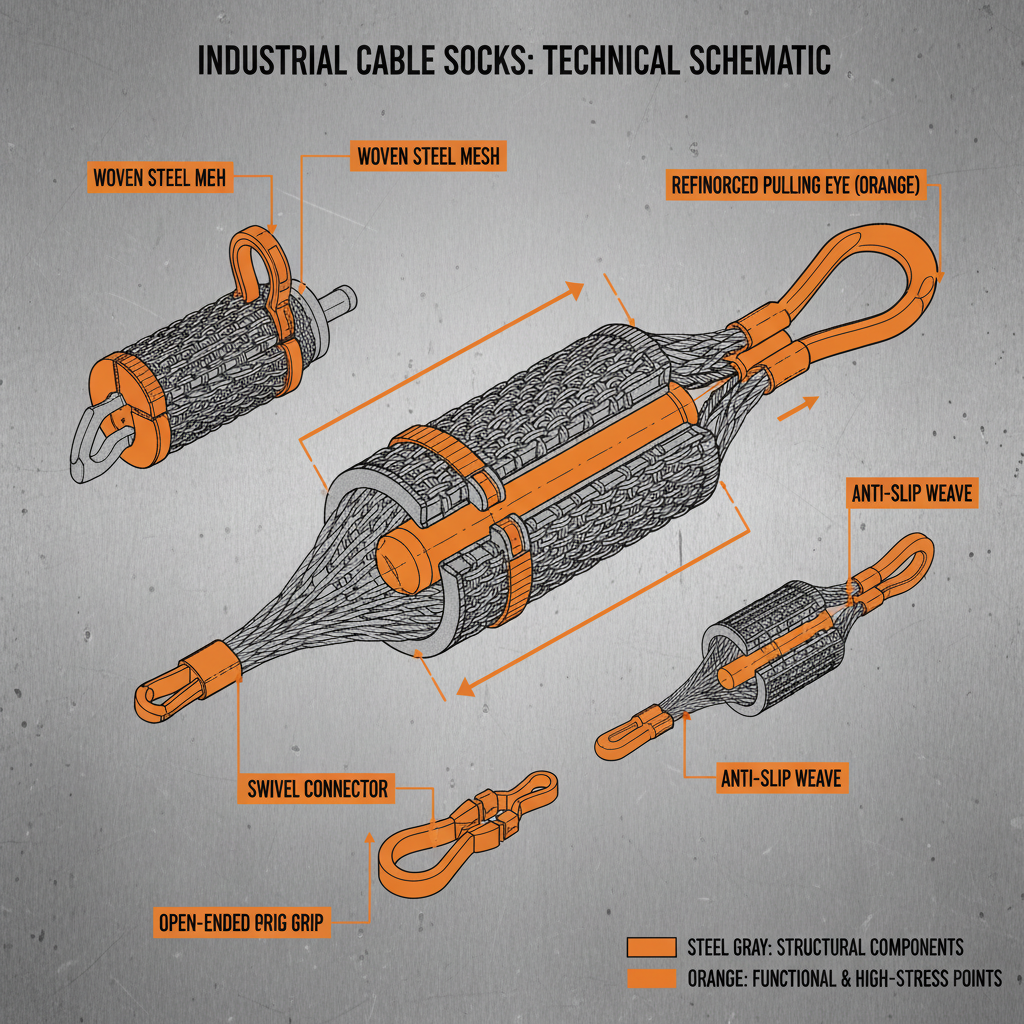
The Global Relevance of Cable Socks Suppliers
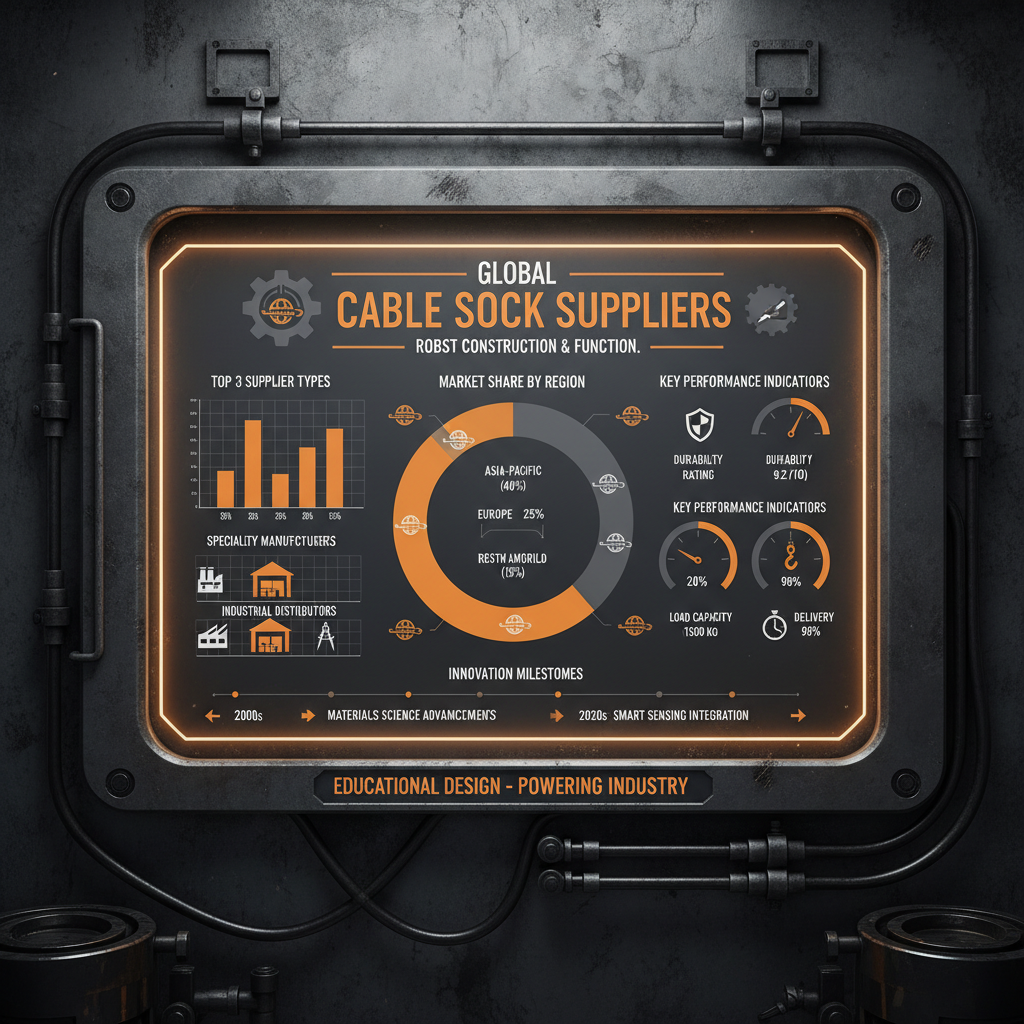
The need for reliable cable infrastructure is a global constant. As per the International Energy Agency (IEA), investments in power grids are projected to exceed $2 trillion by 2030, a significant portion of which relies on secure cable management. This is further compounded by the exponential growth of data centers and telecommunication networks, driving demand for robust solutions provided by specialist supplier kaos kaki kabel. Developing nations are rapidly expanding their infrastructure, creating a consistent demand for cost-effective and durable cable support systems.
A major challenge facing industries globally is the increasing risk of infrastructure failure due to environmental factors and inadequate cable support. Poorly secured cables are vulnerable to damage from wind, vibration, and corrosion, leading to costly repairs and disruptions in service. Effective cable socks, supplied by reputable companies, are vital in mitigating these risks and ensuring the longevity of critical infrastructure projects.
FAQ
When choosing a cable sock supplier, prioritize product quality (materials, testing), load capacity, customization options, lead times, technical support, and adherence to relevant industry standards (like ISO certifications). A supplier’s experience and reputation within the industry are also important indicators of reliability. Ensure they can provide documentation verifying their products meet safety and performance requirements.
Common materials include galvanized steel wire, stainless steel wire, and synthetic fibers like nylon or polyester. Galvanized steel offers good strength and corrosion resistance at a relatively low cost. Stainless steel provides superior corrosion resistance in harsh environments. Synthetic fibers offer lightweight solutions and excellent flexibility, often used for smaller diameter cables or specialized applications.
Determining the correct load capacity requires careful consideration of several factors: the weight of the cable itself, the span length between support points, environmental loads (wind, ice), and any dynamic forces. Always consult with a qualified engineer or the supplier kaos kaki kabel technical team to ensure proper load calculations and safe cable support. Overloading a cable sock can lead to failure and potential hazards.
Yes, but material selection is critical. For corrosive environments (e.g., coastal areas, industrial facilities), stainless steel cable socks or galvanized steel with specialized coatings are recommended. These materials offer superior resistance to rust and degradation, extending the lifespan of the cable support system. Regular inspection and maintenance are also essential in corrosive environments.
Cable socks offer several advantages, including flexibility, ease of installation, and minimal damage to the cable jacket. They are particularly well-suited for applications where cable diameters vary or where frequent adjustments are needed. Compared to rigid supports, cable socks provide better vibration damping and reduce stress on the cable. They are also often more cost-effective than other solutions.
Many reputable supplier kaos kaki kabel offer custom design services to meet specific project requirements. This includes tailoring the size, material, and configuration of the cable sock to accommodate unique cable types, spans, or environmental conditions. Custom designs ensure optimal performance and compatibility with the overall infrastructure.
Conclusion
In summary, choosing the right cable socks suppliers is fundamental to ensuring the safety, reliability, and longevity of critical infrastructure worldwide. From telecommunications and power distribution to construction and industrial applications, these solutions play a vital, often unseen, role in supporting our modern way of life. The key lies in prioritizing quality, durability, and adherence to industry standards.
Looking ahead, innovations in materials, smart technology, and sustainable manufacturing will continue to shape the future of cable sock solutions. By staying informed about these advancements and partnering with forward-thinking suppliers like Bilopowtel, businesses and organizations can optimize their cable management strategies and build more resilient and efficient infrastructure for the years to come.
Kabar paling anyar
Professional Guide to Cable Installation with Ethernet Fish Tape
KabarJul.01,2026
Professional Cable Installation Guide Using a Fish Tape
KabarJun.29,2026
Professional Cable Installation Guide with 30m fish tape
KabarJun.27,2026
Mastering Cable Installation with the 1 2 fish tape Guide
KabarJun.26,2026
Ultimate Guide to Using 3 8 Fish Tape for Electrical Wiring
KabarJun.25,2026
Best Electric Hoists for Sale A Complete Industrial Buyers Guide
KabarJun.23,2026
- KONTAK
- ALAMAT: 188, Fengshou Road, Shijiazhuang. Cina
- EMAIL: info@bilopowtel.com
- TELPON: 0086-311-88862036
- WHATSAPP: 0086-152-26563165





