


-
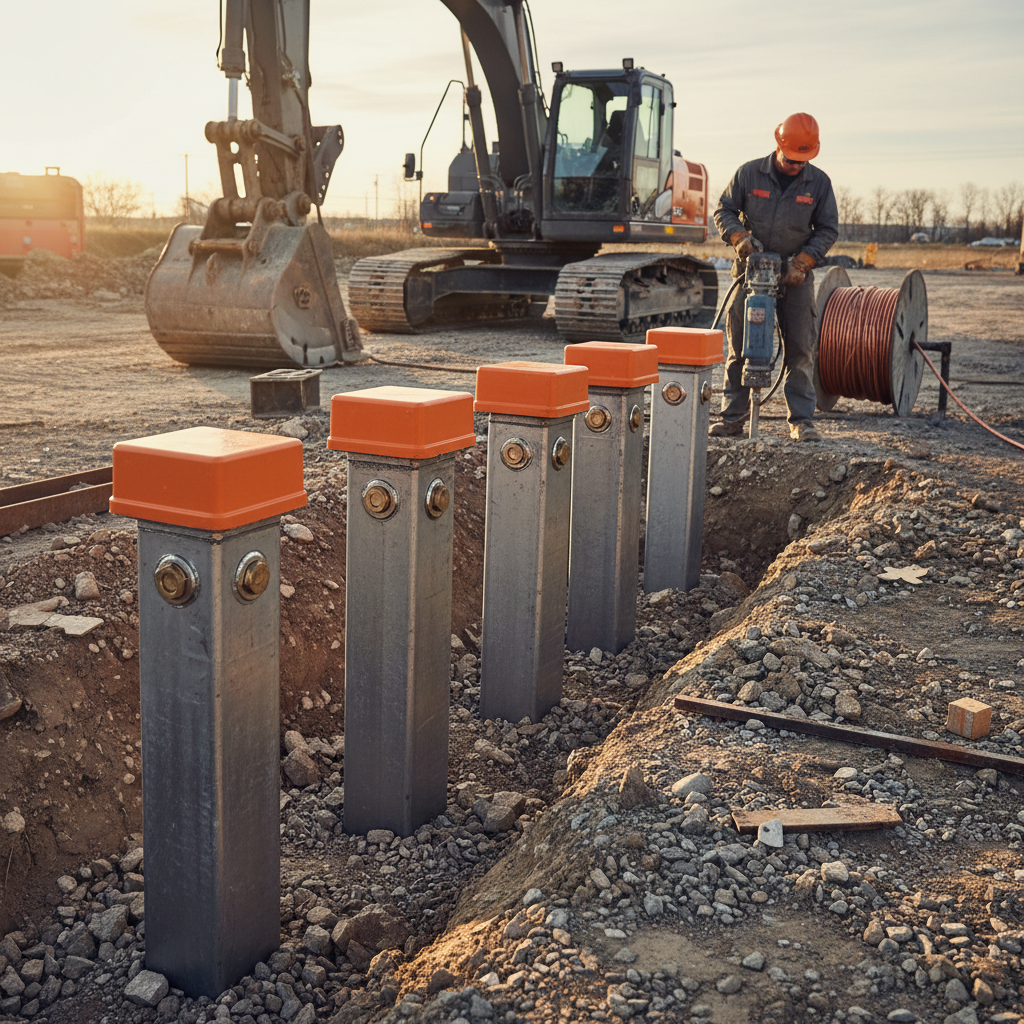
Comprehensive Guide to the 5 8x8 Ground Rod for Optimal Grounding Systems
When establishing a reliable grounding system, the 5 8x8 ground rod is a crucial component. Often utilized in telecommunications, electrical systems, and lightning protection, understanding its specifications, installation, and benefits is paramount for ensuring safety and system performance. This article will delve into the details of the 5 8x8 ground rod, providing a thorough overview for professionals and DIY enthusiasts. Proper grounding is vital for protecting equipment and personnel from electrical hazards. A 5 8x8 ground rod refers to a grounding electrode made of a conductive material, typically copper-bonded steel, with specific dimensions. "5 8" denotes the diameter (5/8 inch or approximately 16mm), and "8" represents the length in feet (8 feet or approximately 2.44 meters). These rods are driven into the earth to provide a low-resistance path for electrical current to dissipate, ensuring the safety of electrical systems and protecting against damage from surges, lightning strikes, and static electricity.Per saperne di più -
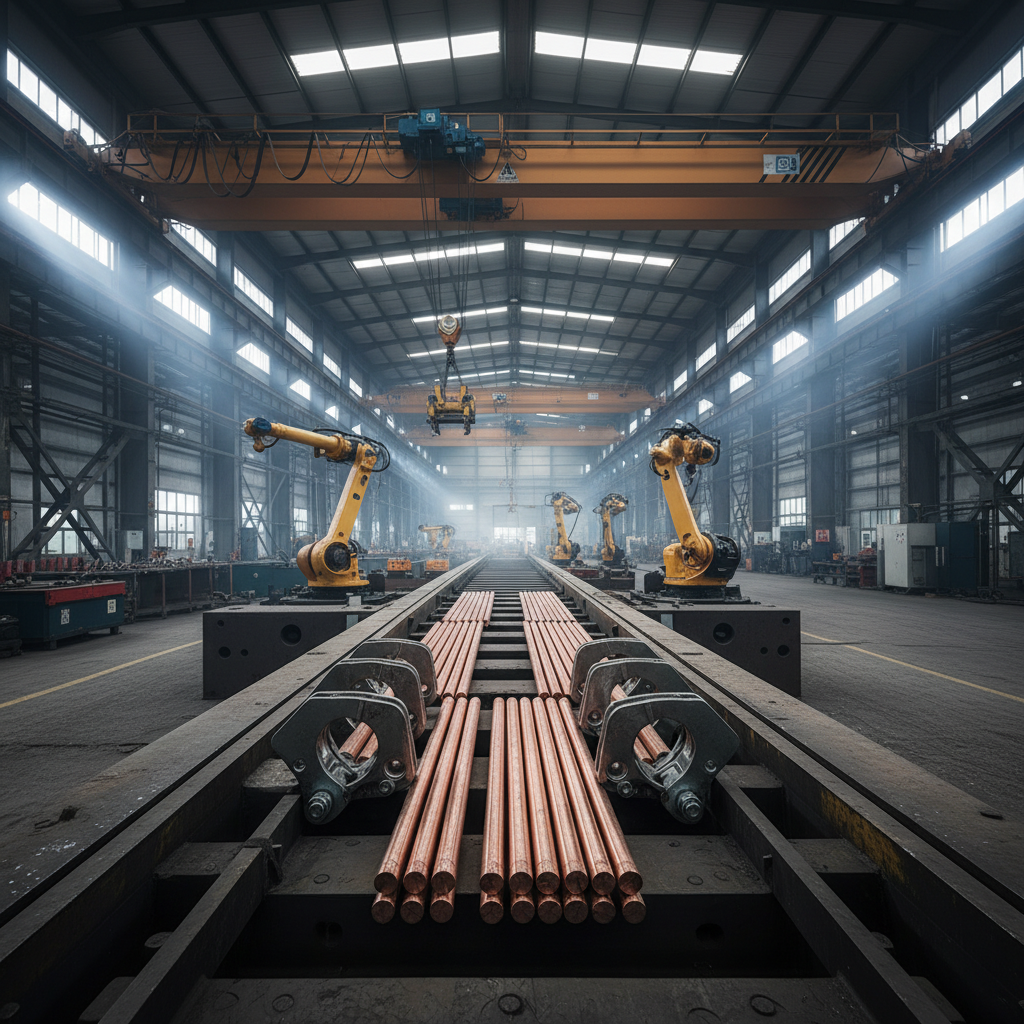
Comprehensive Guide to Earth Rod and Clamp Systems for Electrical Grounding
In the realm of electrical grounding, ensuring safety and reliability is paramount. An effective grounding system is critical for protecting personnel, equipment, and infrastructure from electrical faults. At the heart of many grounding systems lie earth rods and clamps, essential components for establishing a low-resistance path to ground. Bilopowtel specializes in providing high-quality earth rods and clamps, tailored to diverse applications. This article will delve into the functionalities, types, installation considerations, and the importance of choosing the right earth rod and clamp for your specific needs. Earth rods, also known as grounding rods, are conductive rods typically made of copper or galvanized steel, driven into the ground to provide a direct connection to the earth. Their primary function is to dissipate fault currents safely into the earth, minimizing the risk of electric shock and damage to electrical systems.Per saperne di più -
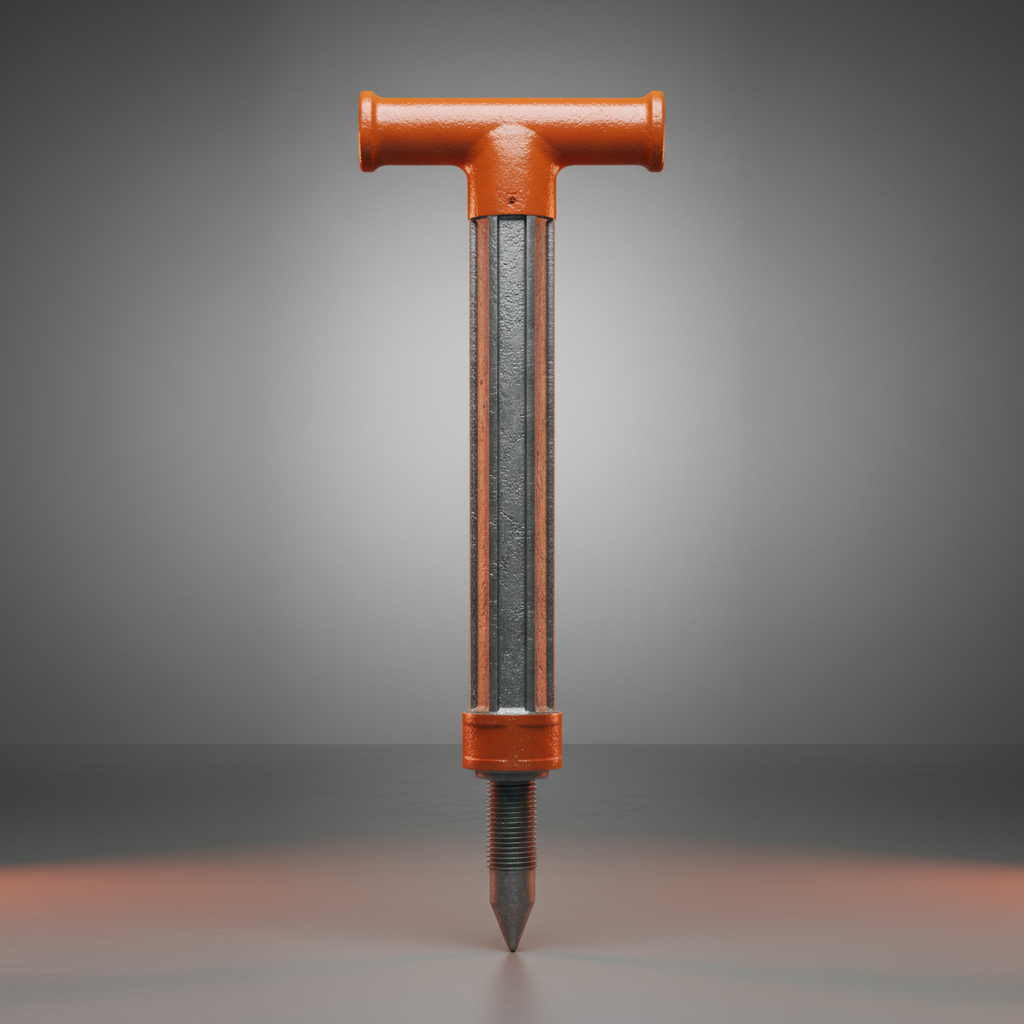
Understanding the Vital Role of a T Ground Rod in Electrical Safety
In the realm of electrical grounding, a t ground rod serves as a critical component, ensuring safety and efficient operation of electrical systems. Whether for telecommunications towers, power supplies, or residential applications, a properly installed t ground rod establishes a low-resistance path for fault currents, protecting equipment and personnel. This article will explore the function, types, installation, and best practices for utilizing t ground rods, providing a comprehensive guide for professionals and informed consumers. A reliable grounding system is paramount for maintaining a safe and dependable electrical infrastructure. A t ground rod, also known as a tee ground rod, is a grounding electrode specifically designed to increase surface area contact with the earth. Its distinctive 'T' shape provides greater electrical conductivity compared to traditional rod designs. This increased surface area lowers the grounding resistance, crucial for effectively dissipating fault currents. The lower the resistance, the better the protection. A properly grounded system safeguards against electrical shock, prevents damage to sensitive electronic equipment, and minimizes the risk of fire.Per saperne di più -
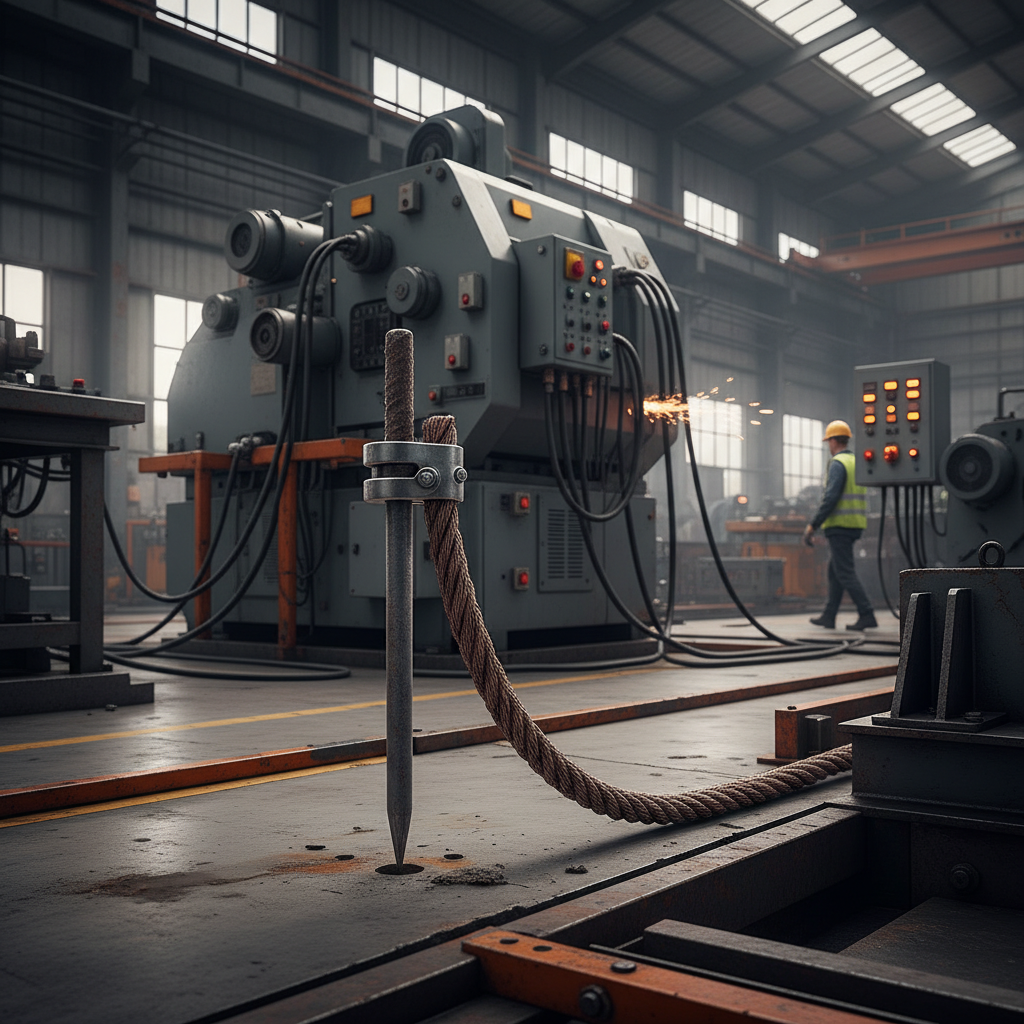
Comprehensive Guide to Grounding Rod and Wire for Electrical Safety
Effective grounding is paramount for electrical safety, protecting people, equipment, and infrastructure from dangerous voltage surges. The system relies heavily on two key components: grounding rods and grounding wire. This article explores the function, types, installation, and best practices associated with these vital components, ensuring a safe and reliable grounding system. A properly implemented grounding system is not just a safety measure; it’s often a regulatory requirement. Understanding these aspects is crucial for anyone involved in electrical work or safety management. A grounding rod, also known as an earth rod, is a conductive staff – typically made of copper, galvanized steel, or a combination – driven into the earth to provide a low-resistance path for electrical current to dissipate. In the event of a fault, such as a lightning strike or power surge, the grounding rod provides a safe route for the current to flow into the earth, preventing damage to equipment and minimizing the risk of electric shock.Per saperne di più -
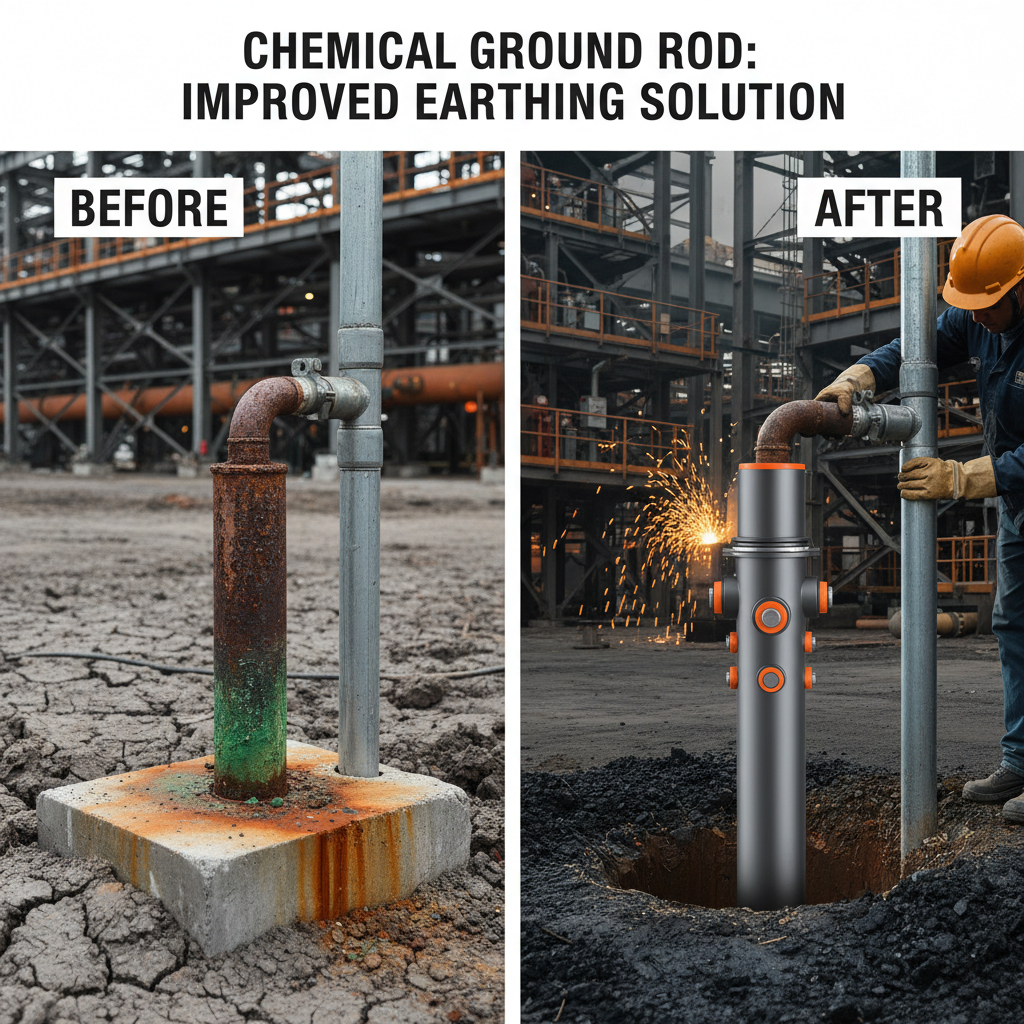
Comprehensive Guide to Chemical Ground Rods for Superior Grounding Solutions
Chemical ground rods are crucial components in effective grounding systems, vital for protecting electrical equipment and personnel from dangerous voltage surges. They offer a corrosion-resistant alternative to traditional copper-clad steel ground rods, particularly in challenging soil conditions. This article will delve into the science behind chemical ground rods, their applications, benefits, and how they compare to other grounding methods. We’ll also explore key specifications to consider when choosing the right ground rod for your specific needs. Chemical ground rods are manufactured using a high-strength steel core, coated with a specialized chemical compound—typically a metallic alloy. This alloy, often containing zinc, nickel, and other elements, provides superior corrosion resistance compared to standard galvanized steel. The chemical coating creates a robust barrier against the corrosive effects of soil, reducing resistance and ensuring long-term grounding effectiveness.Per saperne di più -
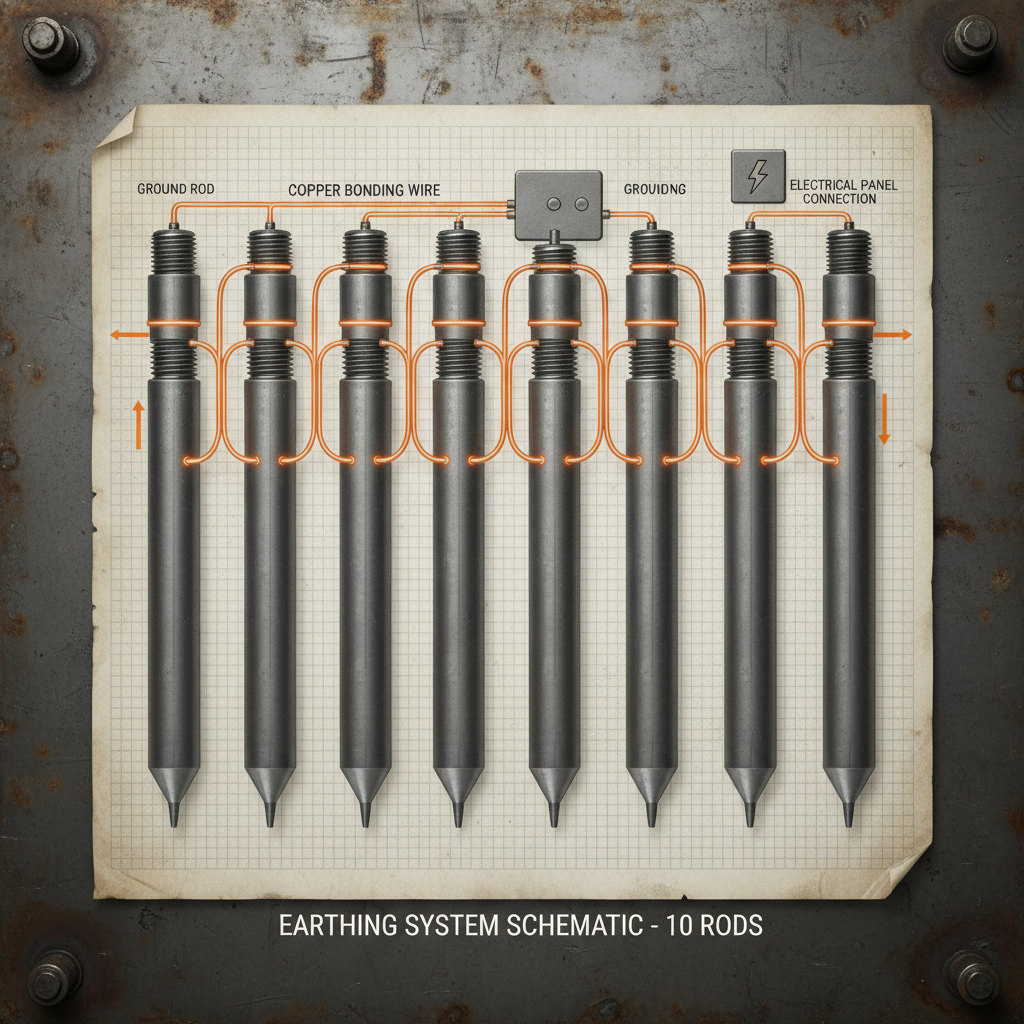
Comprehensive Guide to 10 Ground Rod Installation and Electrical Safety
Grounding is a critical aspect of electrical safety, and the 10 ground rod plays a vital role in ensuring the reliable dissipation of electrical currents into the earth. Whether you're working on a residential project, commercial installation, or industrial application, understanding the purpose, installation, and benefits of a 10-foot ground rod is paramount. At Bilopowtel, we provide high-quality grounding solutions designed to meet the most stringent safety standards. This article will explore everything you need to know about 10 ground rods, from their function to best practices for use. Proper grounding significantly reduces the risk of electrical shock and damage to equipment. A 10 ground rod is a conductive rod, typically made of copper or copper-clad steel, driven into the earth to provide a low-resistance path for electrical current. This grounding path is essential for protecting both people and equipment from dangerous electrical faults. When a fault occurs, the ground rod diverts the current safely into the ground, preventing electrical shock and minimizing the risk of fire.Per saperne di più -
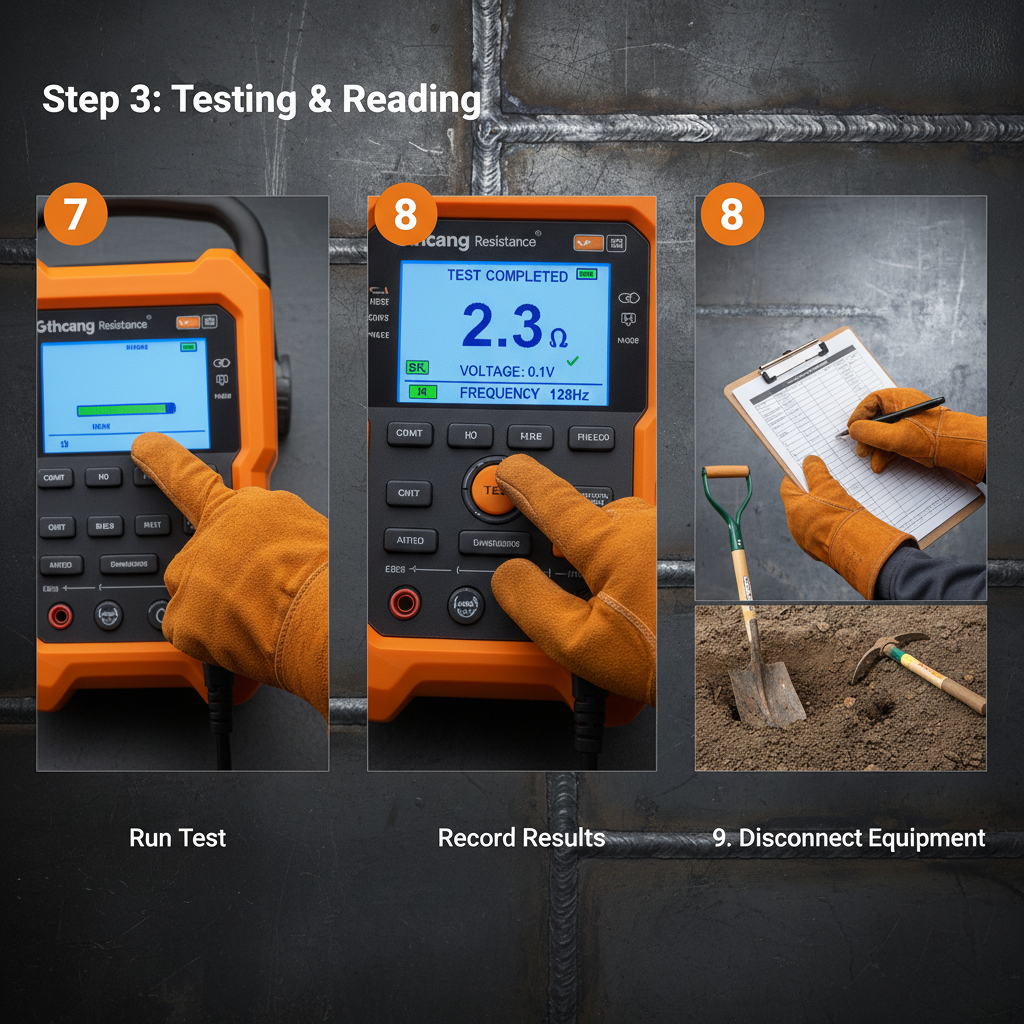
Comprehensive Guide to Ground Rod Testing for Electrical Safety and Compliance
Effective earthing is paramount for the safety and reliability of electrical systems. Ground rod testing plays a crucial role in verifying the integrity of this connection to the earth. This article will delve into the importance of ground rod testing, common methods, interpretation of results, and best practices, emphasizing its vital contribution to electrical safety. Proper grounding minimizes the risk of electrical shock and protects sensitive equipment from damage. Regular testing, especially in varying soil conditions, is essential for maintaining a safe and compliant electrical infrastructure. Ground rod testing is not merely a compliance requirement; it's a fundamental safety practice. A properly grounded system provides a low-resistance path for fault currents, allowing protective devices like circuit breakers to operate swiftly and prevent dangerous voltage buildup. Poorly grounded systems can lead to electrical shocks, equipment damage, and even fires. Regular testing identifies deteriorating connections, corrosion, or damage to ground rods, allowing for timely remediation. It’s a proactive measure that protects personnel and assets. Furthermore, consistent testing ensures adherence to relevant electrical codes and standards, minimizing legal liabilities.Per saperne di più -
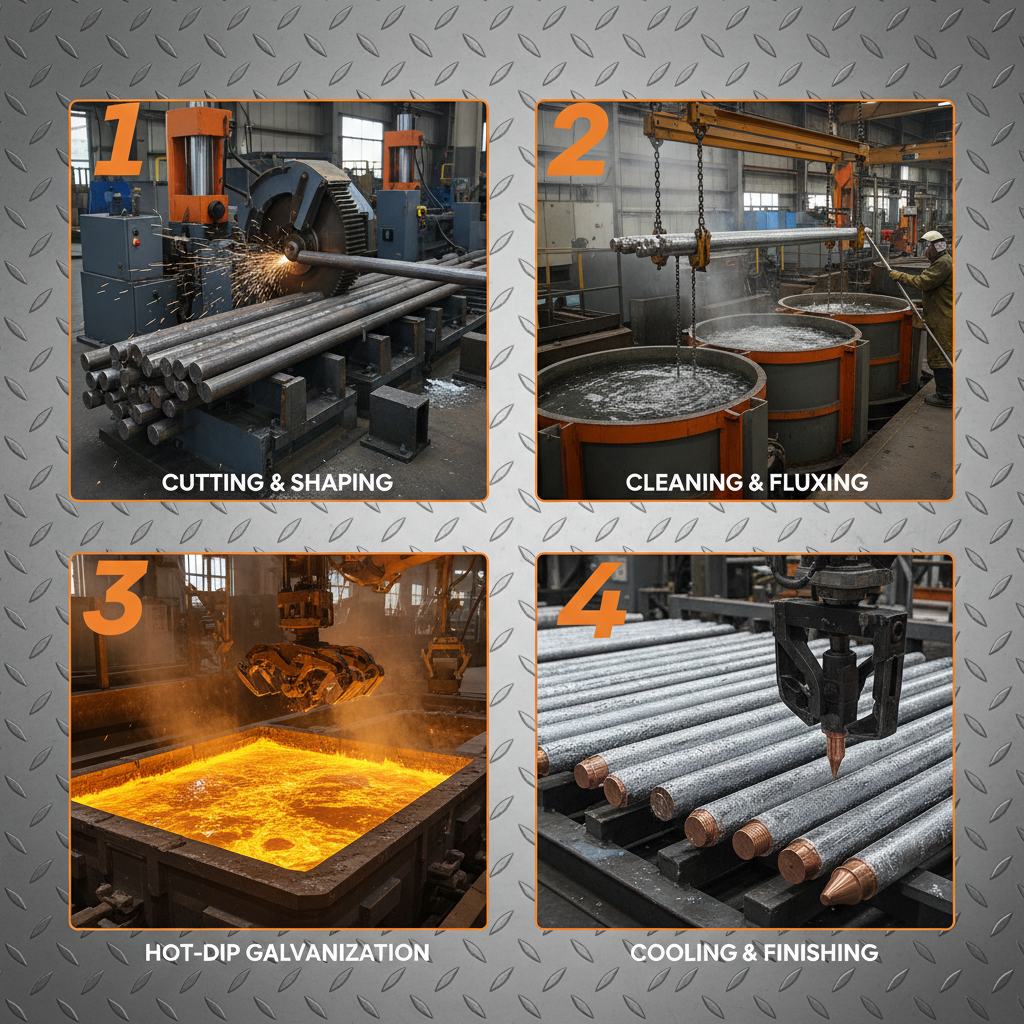
Comprehensive Guide to Galvan Ground Rods for Effective Grounding Systems
When designing effective grounding systems, the selection of appropriate ground rods is paramount. Galvan ground rods are a popular choice for providing low-resistance pathways to earth, crucial for safety and system performance. This article explores the benefits, applications, types, installation, and considerations when choosing galvan ground rods, offering a detailed overview for professionals and those seeking to improve their grounding systems. A properly grounded system safeguards equipment and personnel. Galvan ground rods are typically made from steel, coated with a layer of zinc through a process called galvanization. This zinc coating protects the steel from corrosion, significantly extending the lifespan of the rod, especially when buried in soil. They are used to create a connection between electrical systems and the earth, providing a safe path for fault currents.Per saperne di più -
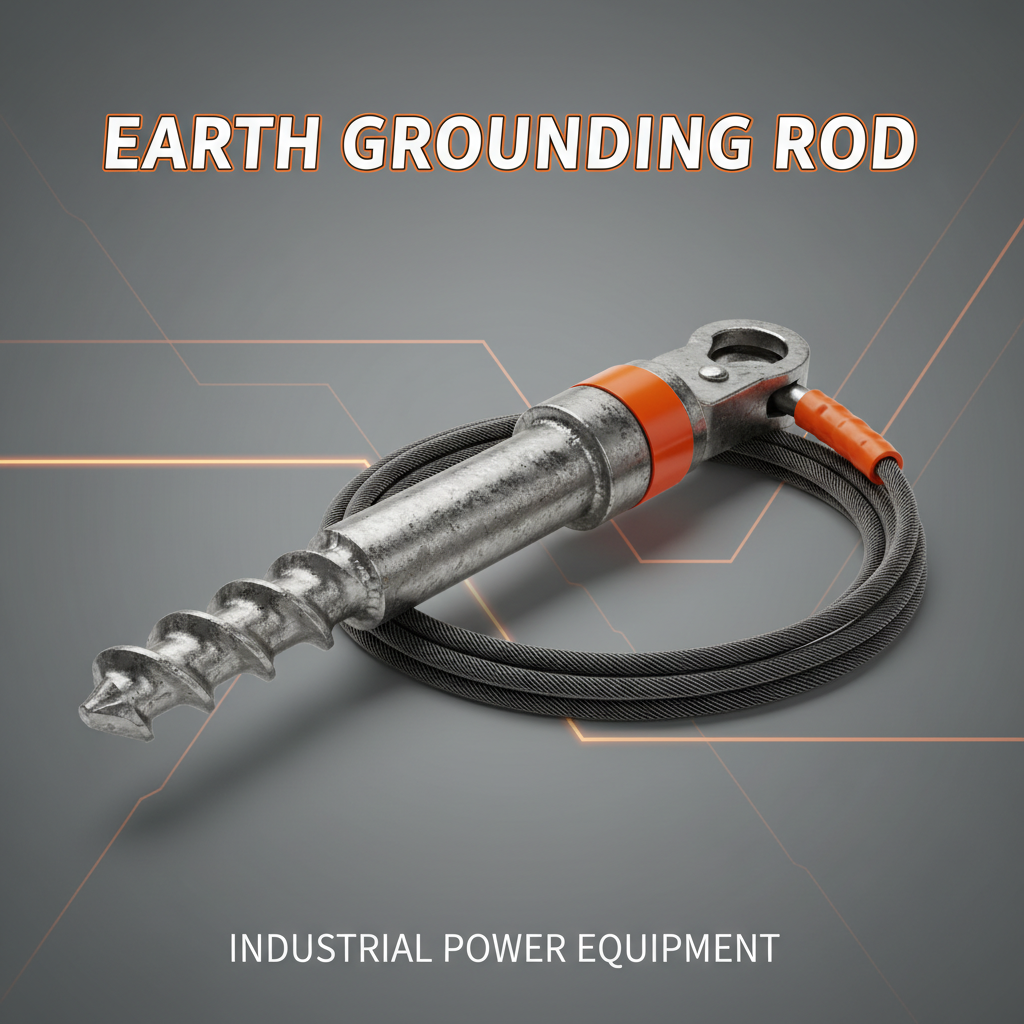
Comprehensive Guide to Earth Grounding Rod Selection and Installation Practices
Ensuring electrical safety is paramount in numerous applications, from protecting sensitive electronics to safeguarding personnel. A crucial component of any robust safety system is the earth grounding rod. This article delves into the functionality, types, selection criteria, and installation best practices for grounding rods. We’ll explore how choosing the appropriate grounding rod, like those offered by Bilopowtel, can significantly enhance safety and system reliability. A properly installed grounding system is more than just a regulation; it’s a safeguard against potential hazards. An earth grounding rod is a conductive rod, typically made of copper, copper-clad steel, or galvanized steel, that is driven into the earth to provide a low-resistance path to ground. This connection serves as a safety mechanism by diverting excess electrical current – from lightning strikes, power surges, or equipment faults – safely into the earth, preventing damage to equipment and protecting individuals from electrical shock.Per saperne di più -
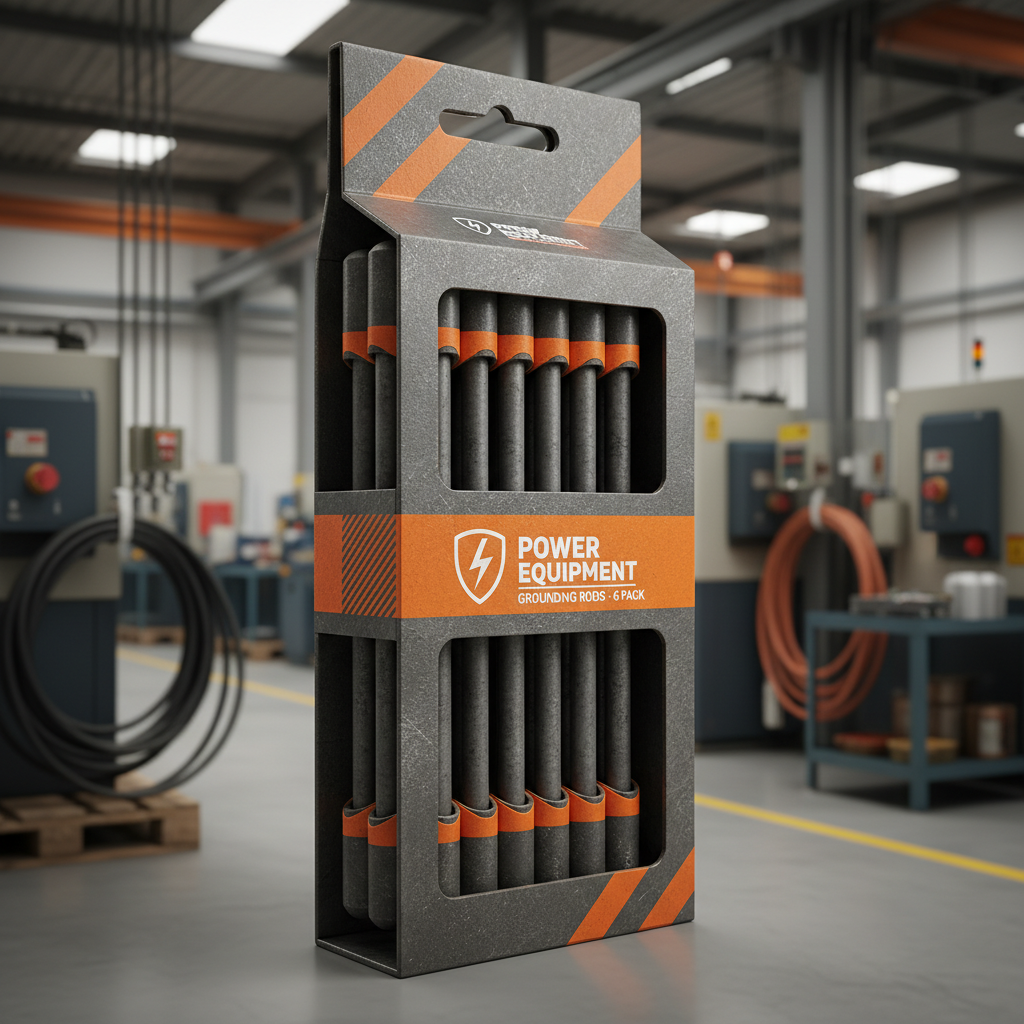
Comprehensive Guide to Utilizing a 6 Grounding Rod System for Electrical Safety
In the realm of electrical safety, particularly for structures and equipment exposed to lightning or significant electrical surges, a robust grounding system is absolutely critical. A key component of many such systems is the use of multiple grounding rods. This article delves into the importance of using 6 grounding rods, their advantages, installation best practices, and how they contribute to overall safety and compliance. We'll explore why a 6-rod system often provides a superior level of protection compared to fewer rods, particularly in challenging soil conditions. Protecting your assets and ensuring safety are paramount, and a well-designed grounding system is the first line of defense. Using six grounding rods instead of fewer offers several significant benefits. Firstly, it dramatically increases the surface area in contact with the earth, reducing grounding resistance. Lower resistance means a more effective path for dissipating electrical surges, minimizing potential damage to equipment and reducing the risk of electrical shock. Secondly, a 6-rod system provides redundancy. If one rod becomes damaged or corroded, the others continue to provide grounding protection. This is especially important in areas with aggressive soil chemistry. Finally, a 6-rod configuration can better address variations in soil conductivity, ensuring a consistent and reliable ground connection across the entire area. This is crucial for complex structures or facilities with extensive electrical systems.Per saperne di più -

Essential Guide to T Handle Ground Rod Safety and Installation Practices
In the realm of electrical safety, a reliable grounding system is paramount. A t handle ground rod serves as a critical component, providing a safe path for fault currents to dissipate into the earth. This article delves into the benefits, applications, installation, and considerations when choosing a t handle ground rod, equipping you with the knowledge to ensure a secure and compliant grounding solution. A properly installed ground rod is essential for protecting personnel, equipment, and structures from electrical hazards. A t handle ground rod is a metallic rod, typically made of copper-clad steel or galvanized steel, driven into the earth to create a connection with the ground. The "T" handle provides a convenient and secure point for connecting grounding conductors. Its primary function is to provide a low-resistance path for electrical currents to flow safely to the earth in the event of a fault, preventing dangerous voltage buildup and reducing the risk of electric shock.Per saperne di più -
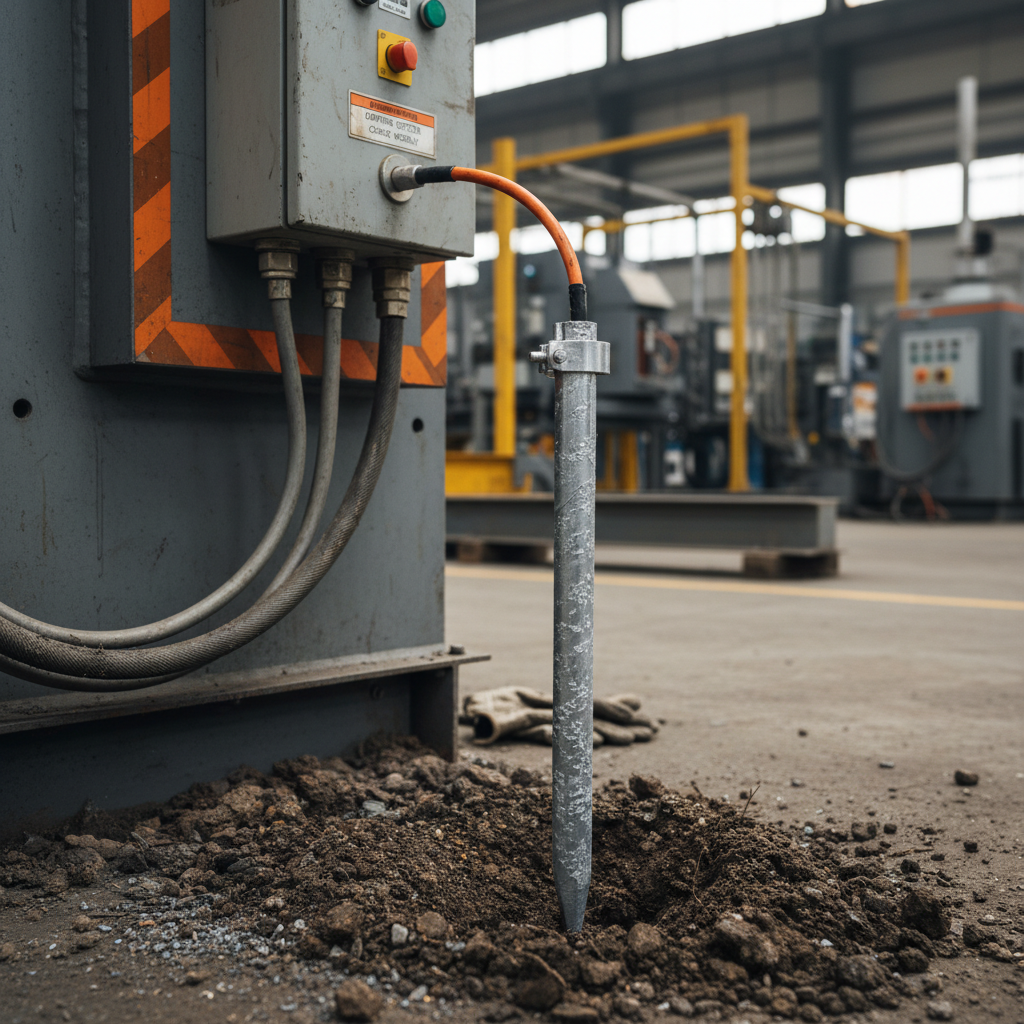
Comprehensive Guide to Choosing the Best Electric Fence Earth Rod for Optimal Performance
Ensuring the proper grounding of your electric fence is crucial for both safety and effectiveness. A reliable electric fence earth rod provides the necessary path for electricity to flow, minimizing shocks to humans and animals and maximizing the fence’s ability to deter livestock. This article will explore the importance of earth rods, different types available, installation techniques, and troubleshooting tips. We'll help you understand how to select the best earth rod for your specific needs and ensure your electric fence operates optimally. An earth rod, also known as a grounding rod, is a vital component of any electric fence system. Its primary function is to provide a low-resistance path to the earth for the electrical current. Without a properly grounded fence, the voltage can leak, creating a shock hazard for anyone who comes into contact with it.Per saperne di più

-
 Afrikaans
 -
 Albanian
 -
 Amharic
 -
 Arabic
 -
 Armenian
 -
 Azerbaijani
 -
 Basque
 -
 Belarusian
 -
 Bengali
 -
 Bosnian
 -
 Bulgarian
 -
 Catalan
 -
 Cebuano
 -
 Corsican
 -
 Croatian
 -
 Czech
Czech -
 Danish
 -
 Dutch
Dutch -
 English
 -
 Esperanto
 -
 Estonian
 -
 Finnish
 -
 French
 -
 Frisian
 -
 Galician
 -
 Georgian
 -
 German
 -
 Greek
Greek -
 Gujarati
 -
 Haitian Creole
 -
 hausa
hausa -
 hawaiian
 -
 Hebrew
 -
 Hindi
Hindi -
 Miao
Miao -
 Hungarian
 -
 Icelandic
 -
 igbo
igbo -
 Indonesian
 -
 irish
irish -
 Italian
 -
 Japanese
 -
 Javanese
 -
 Kannada
 -
 kazakh
 -
 Khmer
Khmer -
 Rwandese
 -
 Korean
 -
 Kurdish
 -
 Kyrgyz
 -
 Lao
Lao -
 Latin
Latin -
 Latvian
 -
 Lithuanian
 -
 Luxembourgish
 -
 Macedonian
 -
 Malgashi
 -
 Malay
Malay -
 Malayalam
 -
 Maltese
 -
 Maori
Maori -
 Marathi
 -
 Mongolian
 -
 Myanmar
 -
 Nepali
 -
 Norwegian
 -
 Norwegian
 -
 Occitan
 -
 Pashto
 -
 Persian
 -
 Polish
 -
 Portuguese
 -
 Punjabi
 -
 Romanian
 -
 Russian
 -
 Samoan
 -
 Scottish Gaelic
 -
 Serbian
 -
 Sesotho
 -
 Shona
Shona -
 Sindhi
 -
 Sinhala
 -
 Slovak
 -
 Slovenian
 -
 Somali
 -
 Spanish
 -
 Sundanese
 -
 Swahili
 -
 Swedish
 -
 Tagalog
 -
 Tajik
Tajik -
 Tamil
Tamil -
 Tatar
Tatar -
 Telugu
 -
 Thai
Thai -
 Turkish
 -
 Turkmen
 -
 Ukrainian
 -
 Urdu
Urdu -
 Uighur
 -
 Uzbek
Uzbek -
 Vietnamese
 -
 Welsh
Welsh -
 Bantu
Bantu -
 Yiddish
 -
 Yoruba
 -
 Zulu
Zulu


TEL:
0086-311-88862036

- CONTATTO
- INDIRIZZO: 188, Fengshou Road, Shijiazhuang. Cina
- E-MAIL: info@bilopowtel.com
- TELEFONO: 0086-311-88862036
- WHATSAPP: 0086-152-26563165


Copyright © 2026 Shijiazhuang Bilo Import and Export Trading Co., Ltd. Tutti i diritti riservati. Sitemap | politica sulla riservatezza

BlLo Import & Export è specializzata in apparecchiature elettriche e per cavi e utensili di costruzione. I nostri prodotti principali sono tiranti per condotti in FRP, rulli per cavi, argani per la trazione dei cavi, martinetti per tamburi per cavi, calze per la trazione dei cavi, ecc.


Copyright © 2026 Shijiazhuang Bilo Import and Export Trading Co., Ltd. Tutti i diritti riservati. Sitemap | politica sulla riservatezza


