-
 Afrikaans
-
 Albanian
-
 Amharic
-
 Arabic
-
 Armenian
-
 Azerbaijani
-
 Basque
-
 Belarusian
-
 Bengali
-
 Bosnian
-
 Bulgarian
-
 Catalan
-
 Cebuano
-
 Corsican
-
 Croatian
-
 Czech
-
 Danish
-
 Dutch
-
 English
-
 Esperanto
-
 Estonian
-
 Finnish
-
 French
-
 Frisian
-
 Galician
-
 Georgian
-
 German
-
 Greek
-
 Gujarati
-
 Haitian Creole
-
 hausa
-
 hawaiian
-
 Hebrew
-
 Hindi
-
 Miao
-
 Hungarian
-
 Icelandic
-
 igbo
-
 Indonesian
-
 irish
-
 Italian
-
 Japanese
-
 Javanese
-
 Kannada
-
 kazakh
-
 Khmer
-
 Rwandese
-
 Korean
-
 Kurdish
-
 Kyrgyz
-
 Lao
-
 Latin
-
 Latvian
-
 Lithuanian
-
 Luxembourgish
-
 Macedonian
-
 Malgashi
-
 Malay
-
 Malayalam
-
 Maltese
-
 Maori
-
 Marathi
-
 Mongolian
-
 Myanmar
-
 Nepali
-
 Norwegian
-
 Norwegian
-
 Occitan
-
 Pashto
-
 Persian
-
 Polish
-
 Portuguese
-
 Punjabi
-
 Romanian
-
 Russian
-
 Samoan
-
 Scottish Gaelic
-
 Serbian
-
 Sesotho
-
 Shona
-
 Sindhi
-
 Sinhala
-
 Slovak
-
 Slovenian
-
 Somali
-
 Spanish
-
 Sundanese
-
 Swahili
-
 Swedish
-
 Tagalog
-
 Tajik
-
 Tamil
-
 Tatar
-
 Telugu
-
 Thai
-
 Turkish
-
 Turkmen
-
 Ukrainian
-
 Urdu
-
 Uighur
-
 Uzbek
-
 Vietnamese
-
 Welsh
-
 Bantu
-
 Yiddish
-
 Yoruba
-
 Zulu



May . 29, 2026 06:07 Kembali ke daftar
Efficient Cable Installation with a Power Duct Rodder Guide
In the rapidly evolving landscape of telecommunications and electrical infrastructure, the efficiency of cable installation often hinges on the tools used to navigate complex underground conduits. A batang saluran listrik serves as the backbone of this process, providing the mechanical force necessary to push fiberglass rods through long distances of ducting, ensuring that pull strings or cables can be installed without costly manual labor.
Across the globe, the demand for high-speed fiber optics and upgraded power grids has surged, making the deployment of these tools a critical priority for utility companies and construction firms. By automating the "rodding" process, technicians can overcome obstacles such as tight bends and debris that would typically stall a manual operation, thereby reducing project timelines and minimizing urban disruption.
Understanding the technical nuances of a power duct rodder—from its propulsion system to its material composition—is essential for any professional aiming to optimize their cable laying workflow. This guide explores the global impact, core components, and future innovations of these essential machines, offering a comprehensive look at how they maintain the connectivity of our modern world.
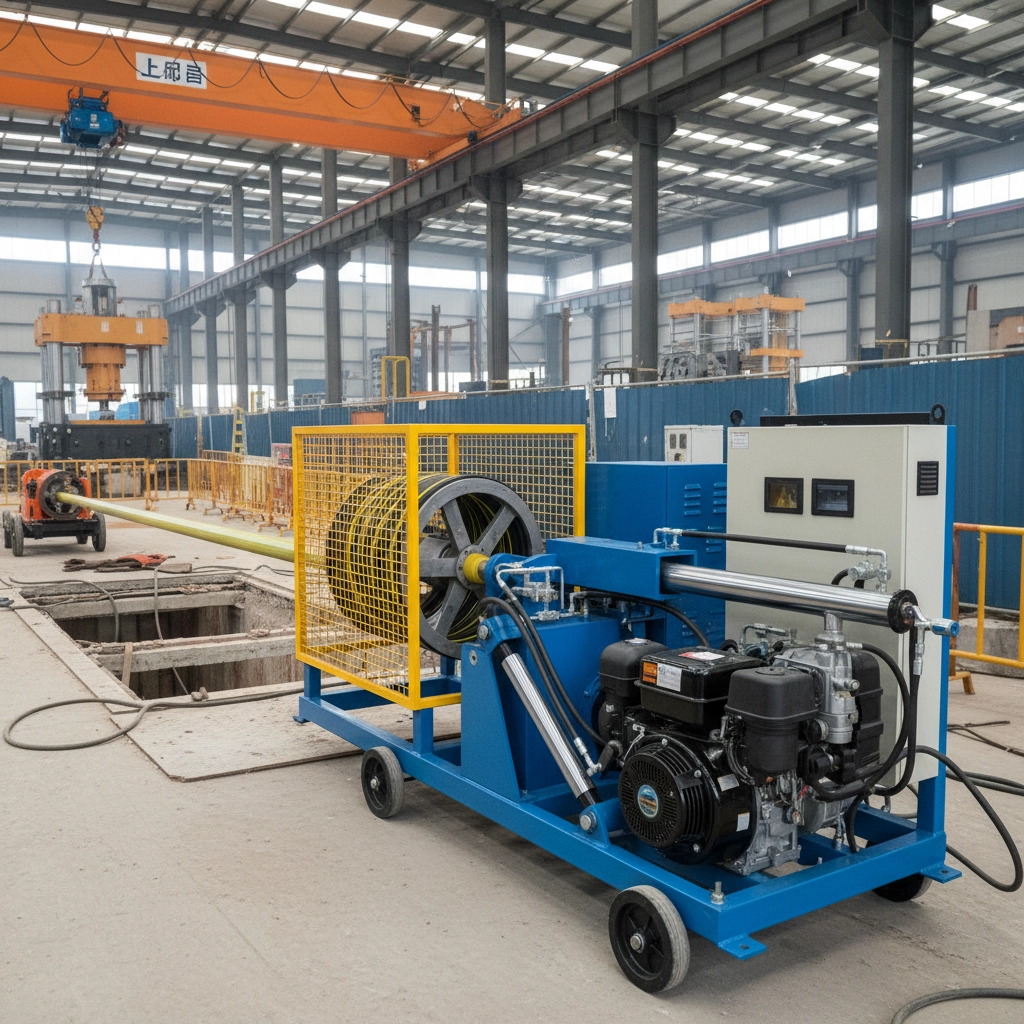
Global Relevance of Power Duct Rodder Technology
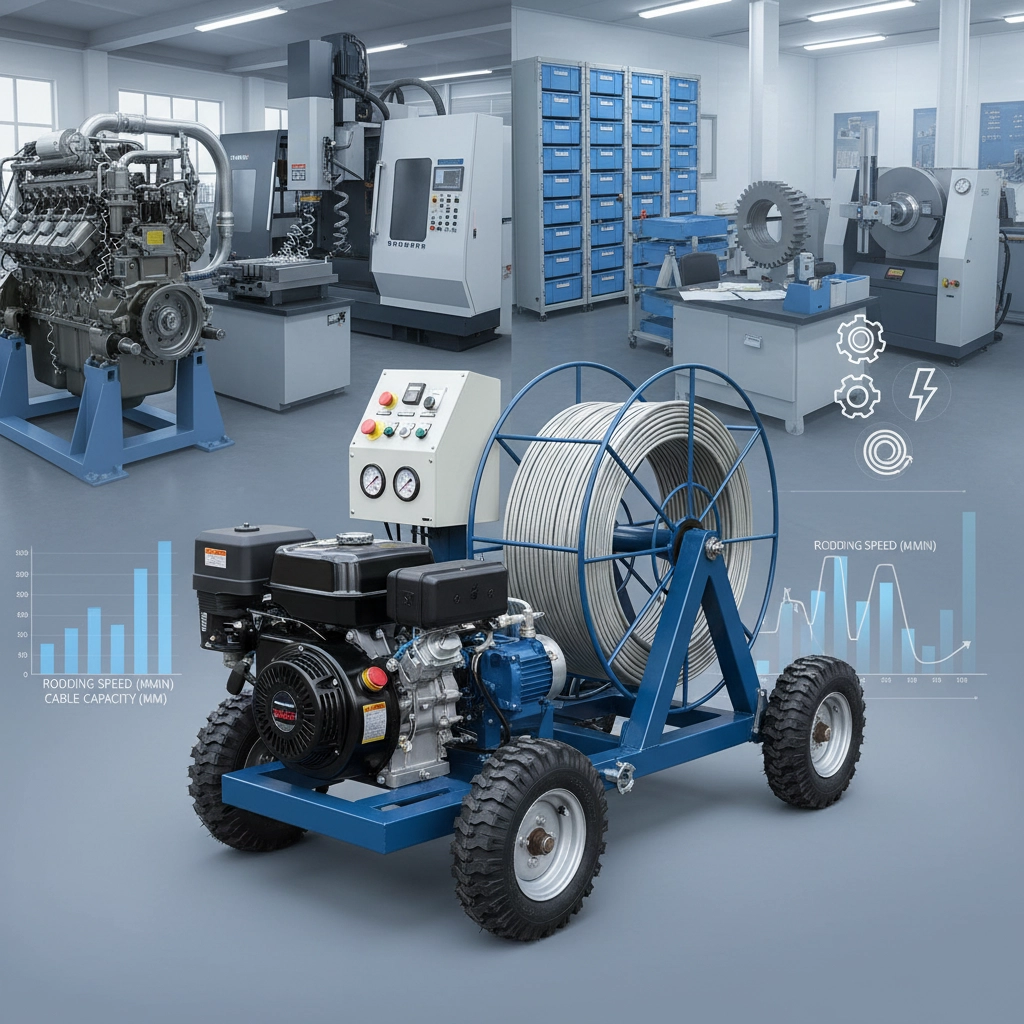
The global push toward digitalization has placed unprecedented pressure on underground infrastructure. According to industry benchmarks and international standards like ISO, the speed of fiber-to-the-home (FTTH) deployment is a primary indicator of a nation's digital readiness. The batang saluran listrik has transitioned from a luxury tool to a necessity, allowing crews to navigate existing city conduits that were often laid decades ago and are now prone to sedimentation.
In regions experiencing rapid urbanization, such as Southeast Asia and Sub-Saharan Africa, the ability to quickly install utilities without digging up entire streets is invaluable. The power duct rodder addresses the critical challenge of "blocked" or "collapsed" conduits, providing a motorized solution that can exert consistent pressure to clear paths, thereby reducing the carbon footprint associated with heavy excavation machinery.
FAQ
A power duct rodder offers mechanized force, which allows it to penetrate further into conduits and overcome obstacles that would stop a manual rod. It significantly reduces labor requirements, increases the speed of installation, and minimizes the physical risk to technicians, making it the only viable choice for large-scale urban infrastructure projects.
Preventing breakage requires a combination of correct tool selection and technique. Always use a rod diameter appropriate for the duct size to avoid excessive friction. Utilize duct lubricants to reduce drag, and ensure the operator monitors the tension during the push; most modern power duct rodders have safety clutches to prevent over-stressing the FRP material.
Yes, but it depends on the bend radius and the rod's flexibility. Using a rodder with a specialized "flexible" rod grade and a tapered guide head increases the success rate. If a bend is particularly tight, applying lubricant and utilizing a slower, consistent push speed is recommended to prevent the rod from buckling at the bend.
Key maintenance includes cleaning the fiberglass rod after each use to remove grit that can cause abrasions, lubricating the drive gears and chain every 50-100 hours of operation, and checking the battery or fuel levels. Regularly inspecting the guide head for wear and tear ensures that the tool remains efficient and doesn't snag inside the pipe.
Absolutely. Depending on whether you are working with PVC, HDPE, or concrete ducts, you may need different heads. Some are designed for high-impact to break through silt, others are smooth and tapered for high-speed gliding, and some include attachments for pulling back a drawstring or specialized cable.
Modern electric-powered rodders are highly eco-friendly, producing zero emissions and significantly less noise than petrol-powered alternatives. Furthermore, by enabling "trenchless" installation, they prevent the need for massive excavation, which preserves the topsoil, reduces traffic congestion, and lowers the overall carbon footprint of the construction site.
Conclusion
Itu batang saluran listrik represents a critical evolution in the field of utility installation, blending mechanical power with material science to solve the age-old problem of underground access. By examining its global relevance, core components, and the transition toward intelligent, green technology, it is clear that these tools are indispensable for the continued expansion of our digital and electrical networks. From reducing labor costs to enhancing safety and sustainability, the value proposition of motorized rodding is undeniable.
As we look toward a future of smarter cities and ubiquitous connectivity, the role of high-precision cable laying tools will only grow. Professionals are encouraged to adopt the latest electric and sensor-integrated models to stay competitive and environmentally responsible. To ensure your projects are completed with maximum efficiency and minimal disruption, invest in industrial-grade equipment designed for the rigors of the field. Visit our website: www.bilopowtel.com
Berita terbaru
Professional Guide to Cable Installation with Ethernet Fish Tape
BeritaJul.01,2026
Professional Cable Installation Guide Using a Fish Tape
BeritaJun.29,2026
Professional Cable Installation Guide with 30m fish tape
BeritaJun.27,2026
Mastering Cable Installation with the 1 2 fish tape Guide
BeritaJun.26,2026
Ultimate Guide to Using 3 8 Fish Tape for Electrical Wiring
BeritaJun.25,2026
Best Electric Hoists for Sale A Complete Industrial Buyers Guide
BeritaJun.23,2026
- KONTAK
- ALAMAT: 188, Jalan Fengshou, Shijiazhuang. Cina
- SUREL: info@bilopowtel.com
- TELEPON: 0086-311-88862036
- ADA APA: 0086-152-26563165