


-
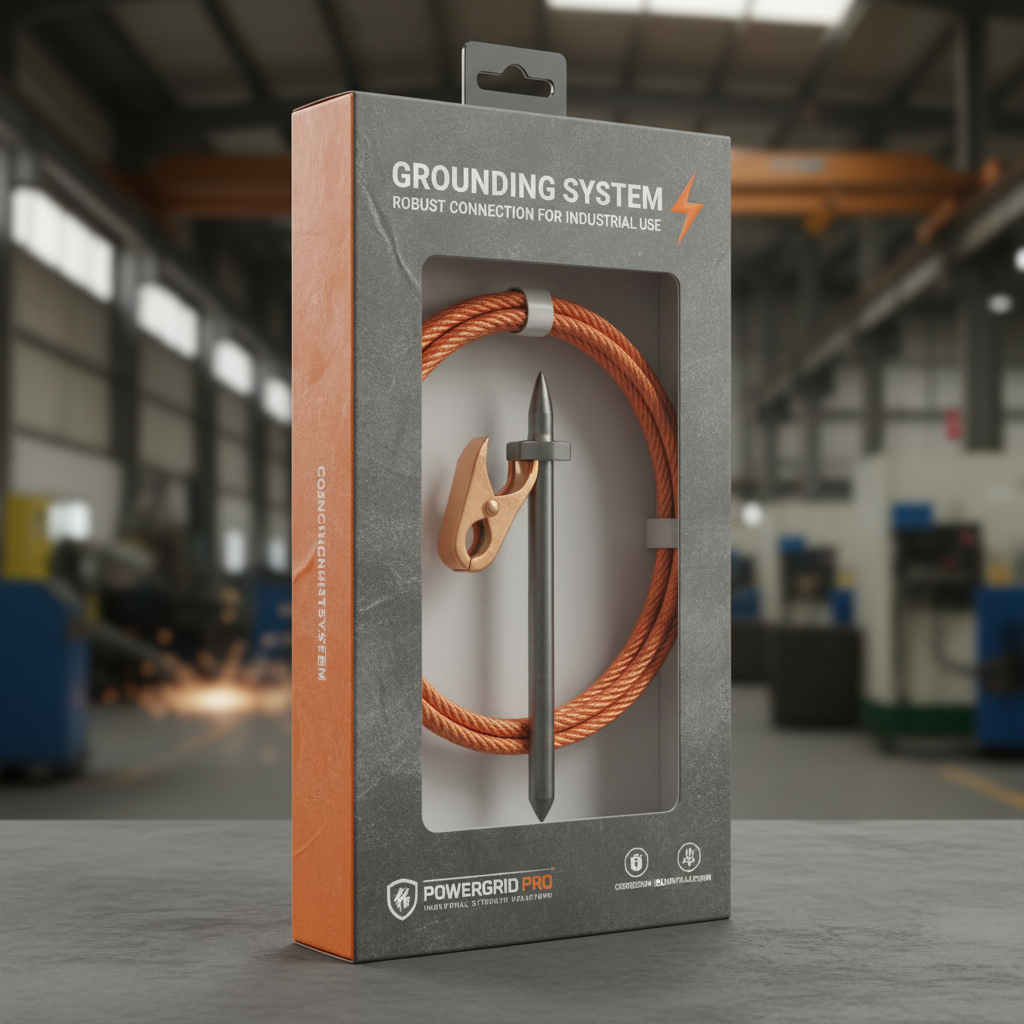
Comprehensive Guide to Connecting Earth Cable to Earth Rod for Electrical Safety
Ensuring a proper earth connection is crucial for electrical safety in any environment, from residential properties to large industrial complexes. The process of connecting earth cable to earth rod is a fundamental aspect of electrical grounding. This article will delve into the steps, best practices, and considerations for a secure and effective earth connection. We’ll cover the necessary tools, proper techniques, and potential pitfalls to avoid, all while prioritizing safety. A reliable earth connection protects against electrical shock and prevents damage to equipment. An earth connection, also known as grounding, provides a low-resistance path for fault currents to flow back to the source. This crucial safety feature triggers circuit breakers or fuses to trip, quickly isolating the fault and preventing electric shock. Without a proper earth connection, electrical faults can cause dangerous voltage levels on metallic equipment, posing a significant risk to life and property. A robust earth connection also minimizes the potential for damage to sensitive electronic devices caused by voltage spikes or surges. Effective grounding is a cornerstone of any safe electrical system.और पढ़ें -
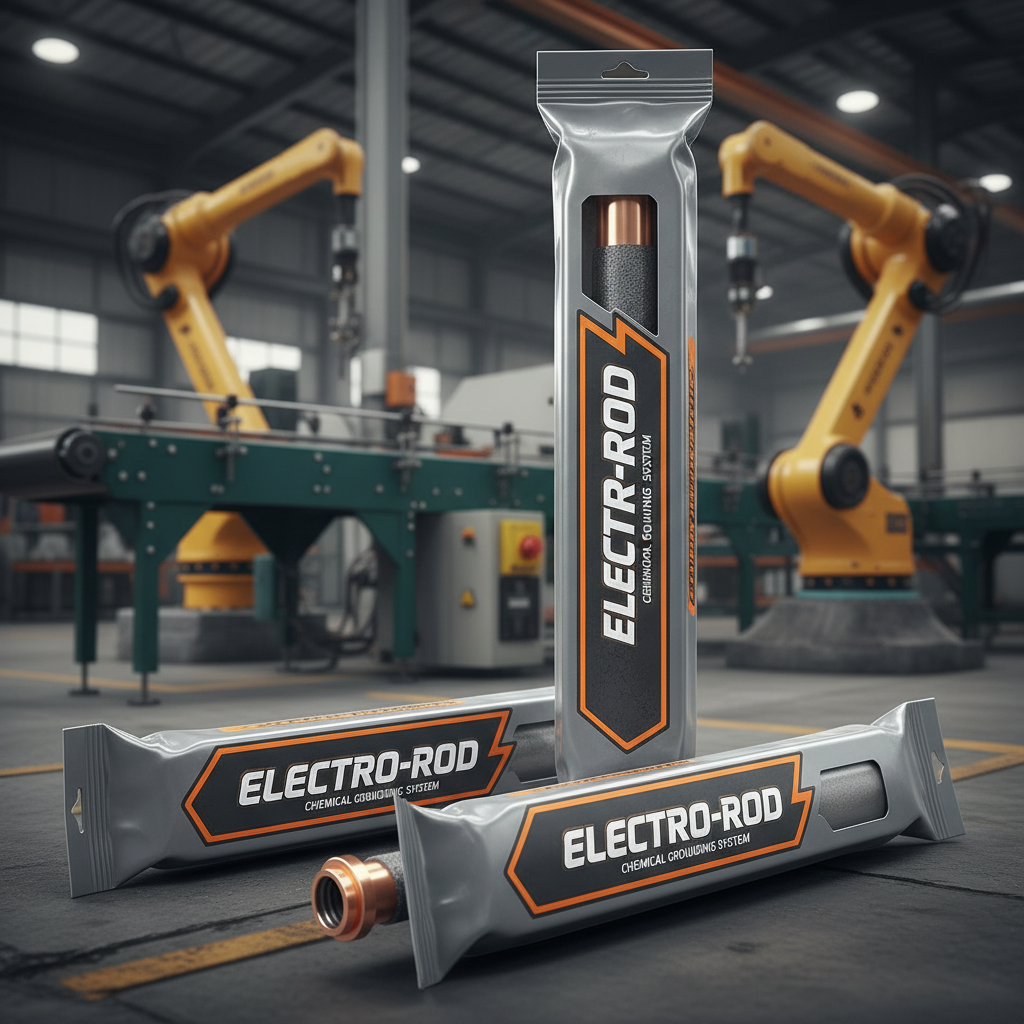
Understanding Chemical Earth Rods for Superior Grounding Solutions
Chemical earth rods are a crucial component in effective grounding systems, particularly in environments where standard copper rods struggle to achieve low resistance. These rods utilize a specialized chemical filling to enhance conductivity and ensure reliable protection against electrical surges. This article delves into the science behind chemical earth rods, their applications, benefits, installation considerations, and how Bilopowtel offers leading solutions in grounding technology. Investing in a proper grounding system is essential for safety and the longevity of electrical equipment. Traditional copper earth rods rely on direct contact with soil to dissipate electrical energy. However, soil resistivity varies significantly depending on location, moisture content, and composition. In areas with high soil resistivity (sandy or rocky terrains), achieving a low-resistance ground can be challenging. Chemical earth rods address this issue by incorporating a core filled with a specialized chemical compound, typically a mixture of magnesium sulfate and carbon.और पढ़ें -
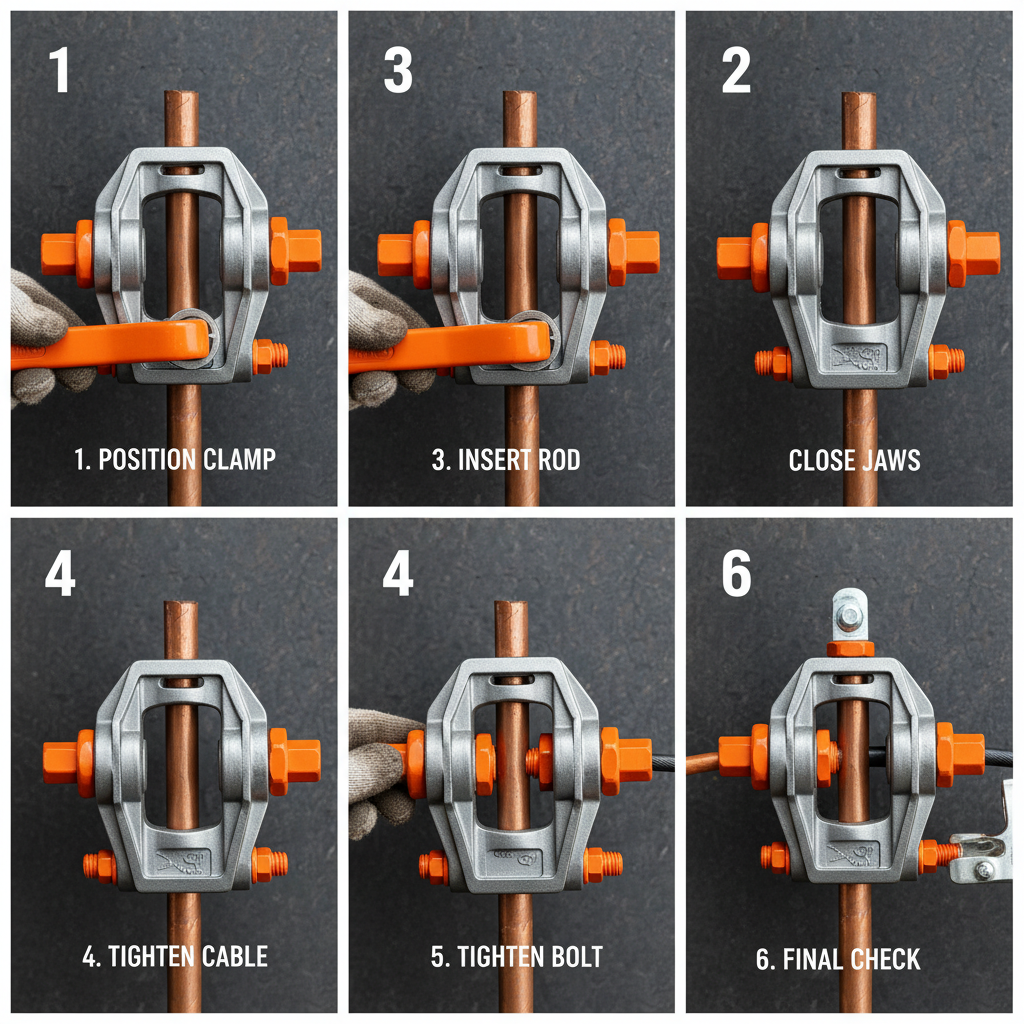
Choosing the Right Clamp for Earth Rod A Comprehensive Selection Guide
Ensuring a reliable grounding system is critical for safety and performance in a variety of applications, from electrical installations to telecommunications. The clamp for earth rod is a crucial component in achieving this, providing a secure and long-lasting connection between the earth rod and the grounding conductor. This article will delve into the key considerations when selecting a clamp, explore different types available, and highlight the importance of quality and compatibility. Investing in the correct clamp ensures optimal grounding efficiency and protects against electrical hazards. A well-designed and properly installed clamp is essential for a robust grounding system. It provides a low-resistance pathway for fault currents to flow to the earth, minimizing the risk of electric shock and equipment damage. Factors like material quality, corrosion resistance, and clamping force all play a significant role in the long-term reliability of the connection. Using a substandard clamp can lead to increased resistance, potentially compromising the entire grounding system's effectiveness and creating a safety hazard.और पढ़ें -
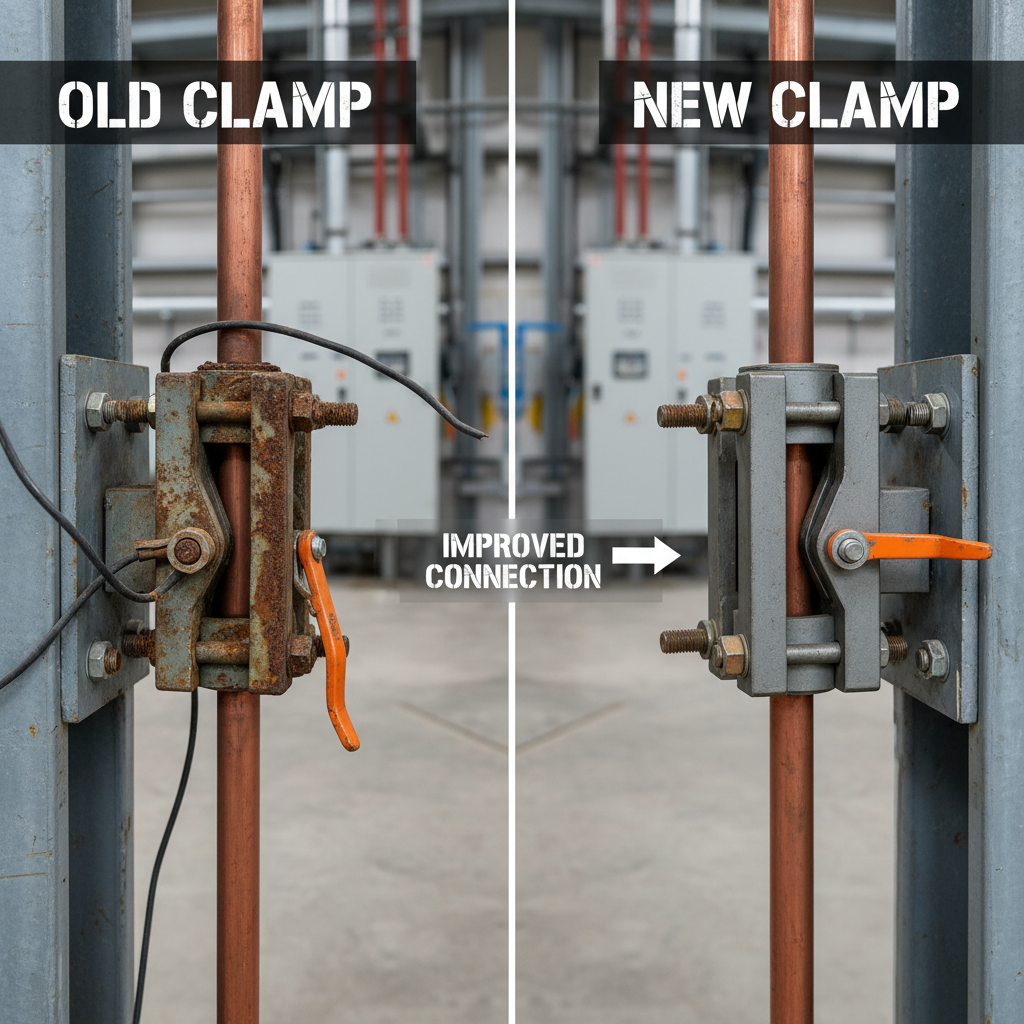
Essential Guide to Selecting the Right Clamp for Ground Rod Systems
Ensuring a secure and reliable grounding system is critical for safety and optimal performance in various applications, from electrical installations to telecommunications. A key component of this system is the clamp for ground rod, which connects the ground wire to the grounding electrode (ground rod). Selecting the appropriate clamp is essential for maintaining a low-resistance connection and preventing corrosion. This article will provide a detailed overview of clamps for ground rods, covering types, materials, installation, and key considerations for choosing the right clamp for your needs. A properly chosen clamp ensures long-term reliability and safety for your grounding system. Ground rod clamps come in a variety of types, each designed for specific ground rod sizes and applications. Common types include side-mount clamps, top-mount clamps, and split-bolt connectors. Side-mount clamps are attached to the side of the ground rod, offering easy installation. Top-mount clamps connect to the top of the rod, providing a more secure connection in some cases.और पढ़ें -
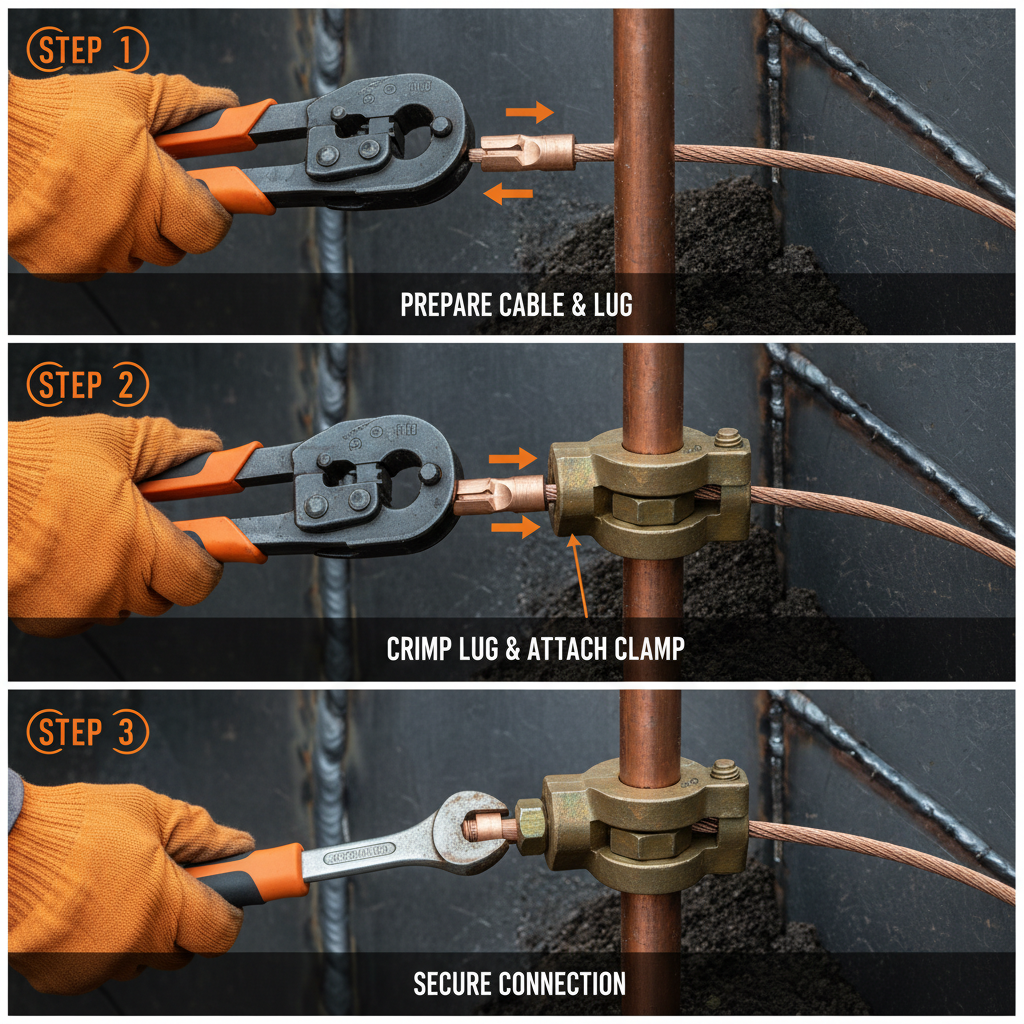
Essential Guide to a Reliable Cable to Ground Rod Connection for Safety
Ensuring a reliable and safe electrical grounding system is critical for protecting equipment, structures, and personnel. A fundamental component of this system is the connection between the electrical cable and the ground rod. This article explores the importance of a secure cable to ground rod connection, the different types available, installation best practices, and factors to consider when choosing the right solution. We'll cover the essentials for both residential and commercial applications, highlighting the importance of corrosion resistance and low impedance. A strong cable to ground rod connection is the first line of defense against electrical surges and faults. It provides a low-resistance path for fault currents to flow to the earth, minimizing the risk of electrical shock, fire hazards, and damage to sensitive electronic equipment. Poor connections can lead to increased impedance, reducing the effectiveness of the grounding system and potentially creating dangerous situations.और पढ़ें -
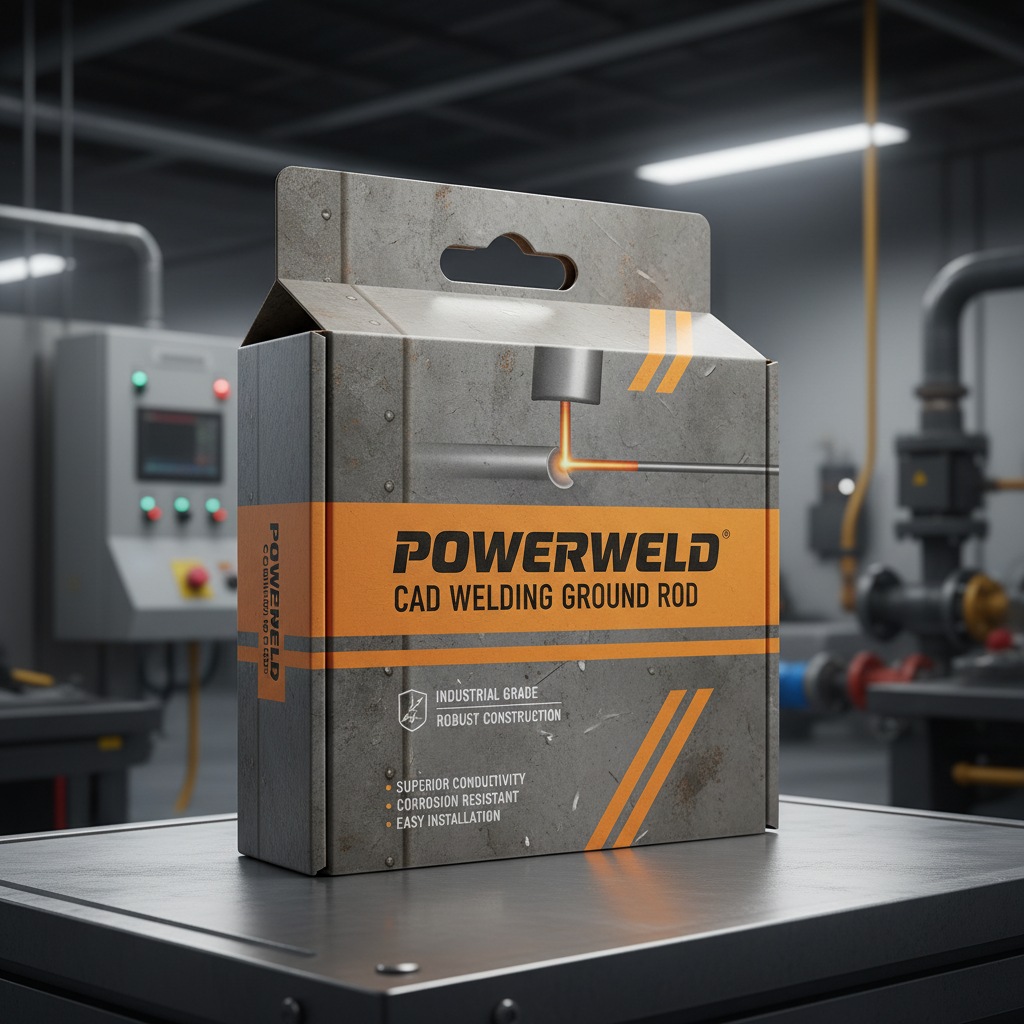
Comprehensive Guide to CAD Welding Ground Rods for Reliable Electrical Grounding
Grounding is a critical aspect of electrical safety, and the choice of grounding electrode plays a vital role in its effectiveness. CAD welding ground rods offer a superior and permanent connection compared to traditional methods. This article delves into the benefits, applications, installation process, and best practices for using CAD welded ground rods, providing a thorough overview for professionals and those seeking reliable grounding solutions. Investing in a robust grounding system is crucial for protecting people, equipment, and infrastructure. BiloPowTel specializes in providing high-quality ground rods and CAD welding equipment. CAD welding (also known as exothermic welding) creates a permanent, molecular bond between the ground rod and the connecting conductor. This eliminates the corrosion issues associated with mechanical clamps and compression connectors, ensuring long-term reliability. The process is fast, simple, and requires minimal skill after proper training.और पढ़ें -
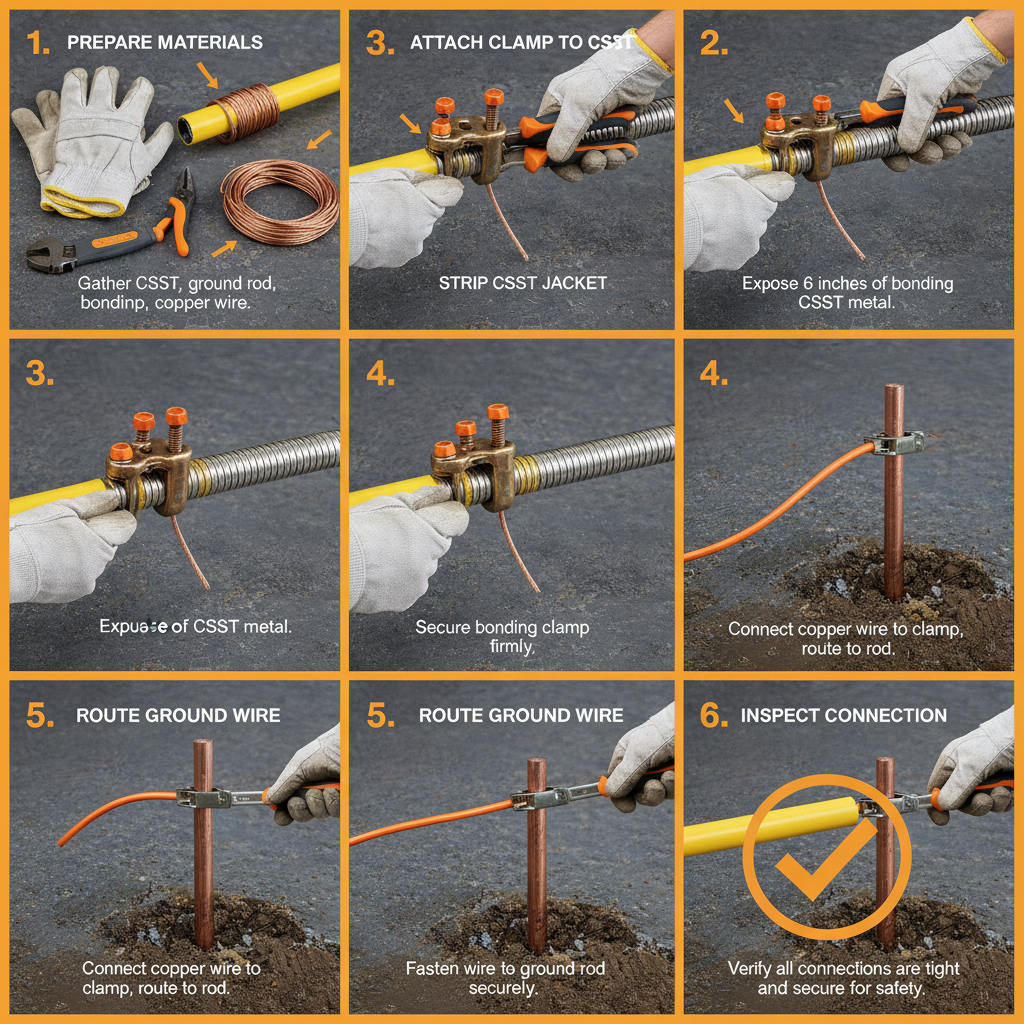
Comprehensive Guide to Bonding CSST to Ground Rod for Optimal Safety
Proper grounding is critical for the safe and effective operation of Corrugated Stainless Steel Tubing (CSST) gas piping systems. This article provides a detailed overview of bonding CSST to ground rod, covering the importance of grounding, methods, best practices, and common challenges. A robust grounding system mitigates the risk of electrical surges damaging your gas lines and ensures the safety of your property and occupants. Understanding the nuances of this process is vital for installers, homeowners, and anyone involved in gas system maintenance. CSST is susceptible to damage from lightning strikes and electrical surges. Unlike black iron pipe, CSST is not inherently conductive. Therefore, a reliable grounding system is essential to provide a path for stray electrical currents to safely dissipate into the earth. Without proper bonding, electrical energy can arc across CSST fittings, potentially igniting the gas and causing a fire or explosion.और पढ़ें -
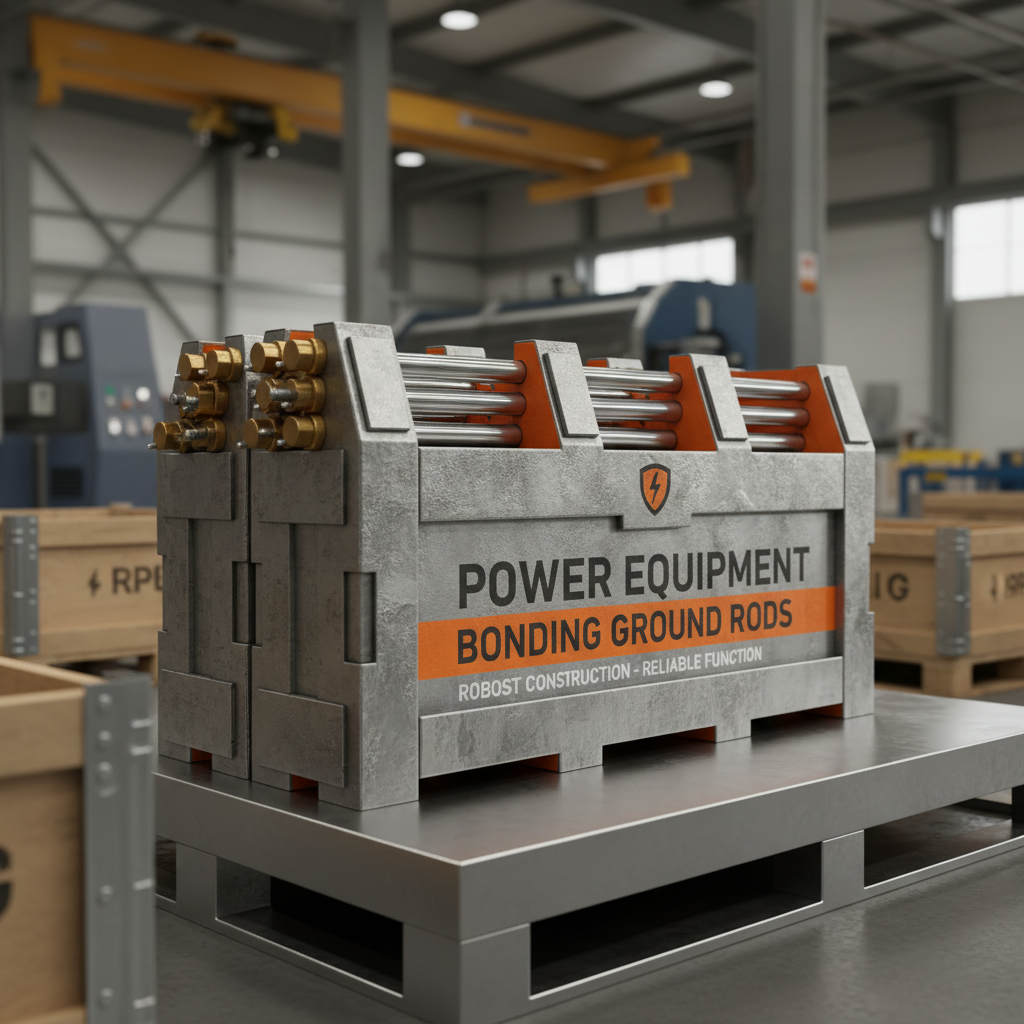
Comprehensive Guide to Selecting and Installing Bonding Ground Rods
Bonding ground rods are crucial components in electrical grounding systems, ensuring safety and protecting infrastructure from electrical surges. Choosing the right ground rod is vital for effective grounding, and this article will provide a comprehensive guide, covering types, installation, materials, and key considerations for optimal performance. Whether you're a contractor, engineer, or homeowner, understanding these aspects will help you make informed decisions. There are several types of bonding ground rods available, each with its own advantages and applications. Copper-clad steel ground rods are the most common, offering a balance of conductivity and durability. Soil resistivity is a critical factor in determining the required length of a bonding ground rod. Higher resistivity soils require longer rods to achieve the same level of grounding.और पढ़ें -
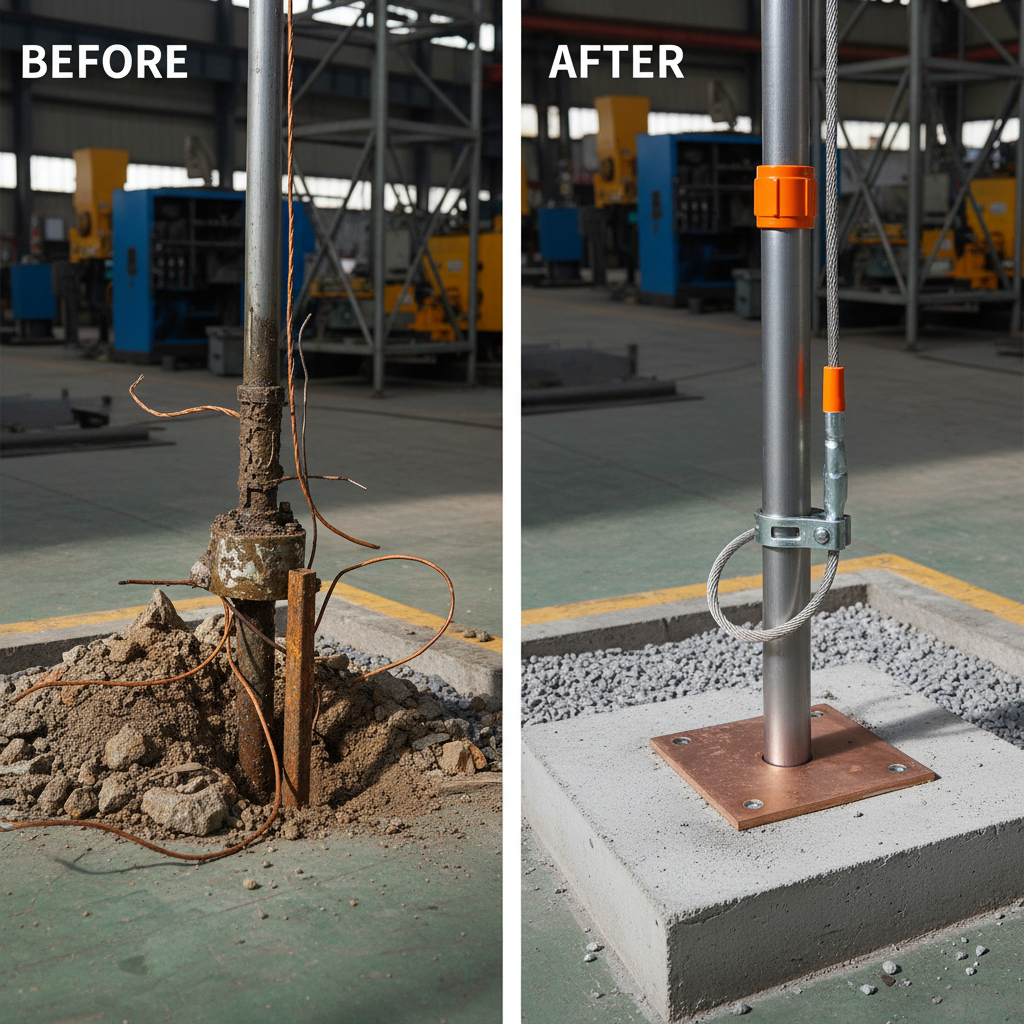
Essential Guide to Antenna Ground Rods for Optimal Performance and Safety
A properly grounded antenna system is crucial for optimal performance and safety. At the heart of this system lies the antenna ground rod. This essential component provides a direct path to earth, dissipating static electricity and preventing damage from lightning strikes. This article will explore the importance of grounding, types of ground rods, installation techniques, and how to choose the right ground rod for your specific needs. Effective grounding minimizes interference and ensures reliable communication. Grounding an antenna isn’t merely a best practice; it’s often a necessity. The primary purpose is safety – protecting equipment and personnel from the dangerous effects of lightning. Lightning strikes can induce incredibly high voltages in an antenna system, potentially damaging electronics and posing a severe risk to anyone nearby. Furthermore, grounding reduces radio frequency interference (RFI), enhancing signal clarity and improving communication quality. A good ground minimizes static buildup and ensures a stable electrical reference point for the antenna. Without proper grounding, you risk equipment failure, signal degradation, and even personal injury.और पढ़ें -
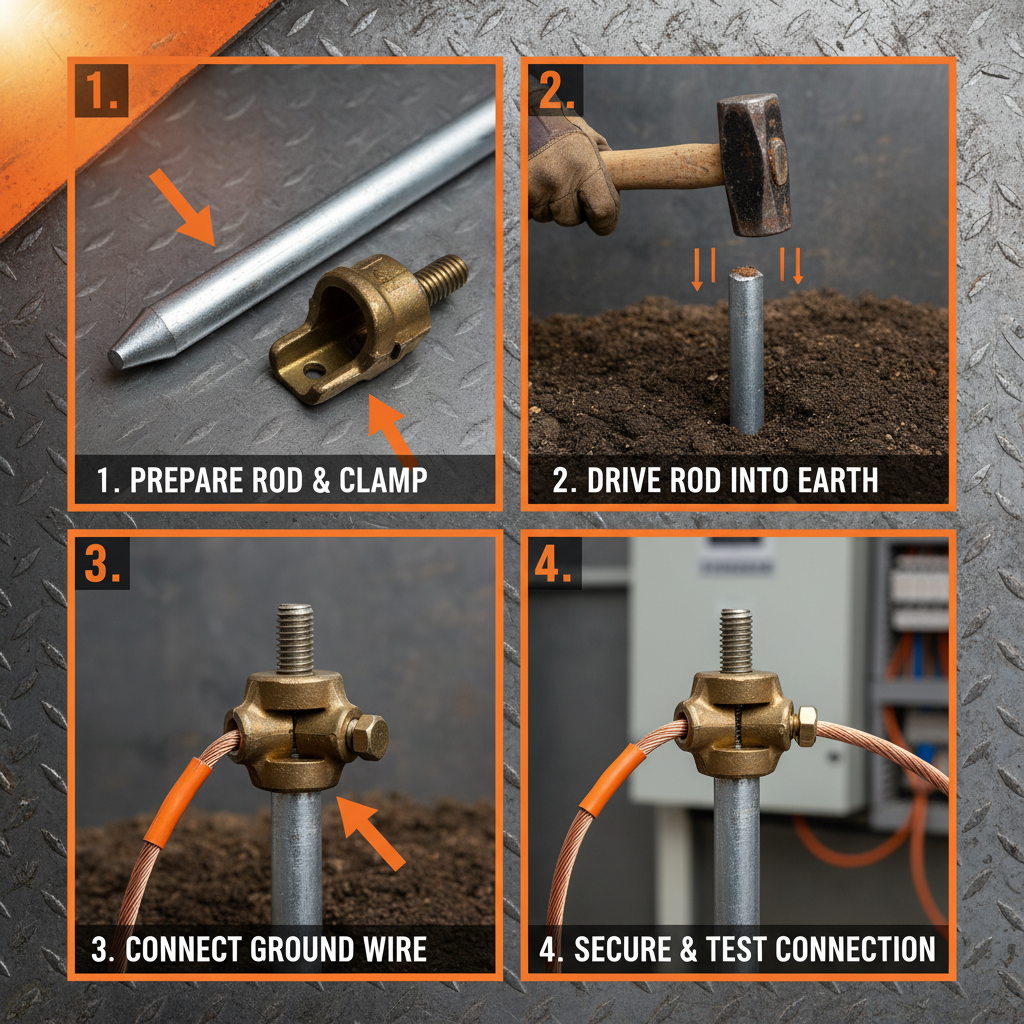
The Essential Role of a 1 Inch Ground Rod in Electrical Safety and Grounding Systems
Effective grounding is paramount for electrical safety, protecting equipment, and ensuring the reliable operation of electrical systems. A crucial component of any grounding system is the ground rod, and the 1 inch ground rod is a commonly used size for various applications. This article will delve into the importance of ground rods, the specifics of 1 inch rods, installation best practices, and the benefits of sourcing from a trusted supplier like Bilopowtel. We will explore how choosing the right ground rod and ensuring proper installation contributes to a safer and more efficient electrical system. Grounding provides a low-resistance path for fault currents to flow back to the source, triggering circuit breakers or fuses to trip and interrupt the circuit. This prevents dangerous voltage build-up, reducing the risk of electric shock and fire. Without proper grounding, equipment can become energized, posing a severe hazard to personnel and potentially damaging sensitive electronics. Grounding also minimizes electromagnetic interference (EMI), improving the performance of electrical systems.और पढ़ें -

Understanding the Significance of a 1 2 Inch Ground Rod for Optimal Safety
When establishing a safe and effective grounding system, selecting the right ground rod is critical. A 1 2 inch ground rod, often referring to a ground rod with a diameter of 1 inch and a length of 2 feet (though variations exist), plays a vital role in dissipating electrical surges and protecting both equipment and personnel. This article will delve into the benefits, applications, installation, and considerations surrounding the use of a 1 2 inch ground rod, with a focus on ensuring optimal grounding performance. Proper grounding is essential for safety and regulatory compliance in numerous applications. The size of a ground rod directly impacts its ability to dissipate electrical energy. A 1 2 inch ground rod provides a substantial surface area for conducting electricity into the earth. This size is particularly well-suited for residential applications, smaller commercial buildings, and situations where space is limited. Compared to larger diameter rods, a 1 2 inch ground rod offers a balance between effectiveness and ease of installation. They are often constructed from copper-bonded steel, combining the conductivity of copper with the strength and cost-effectiveness of steel. Selecting the right size ground rod is a fundamental step in creating a reliable grounding system.और पढ़ें -
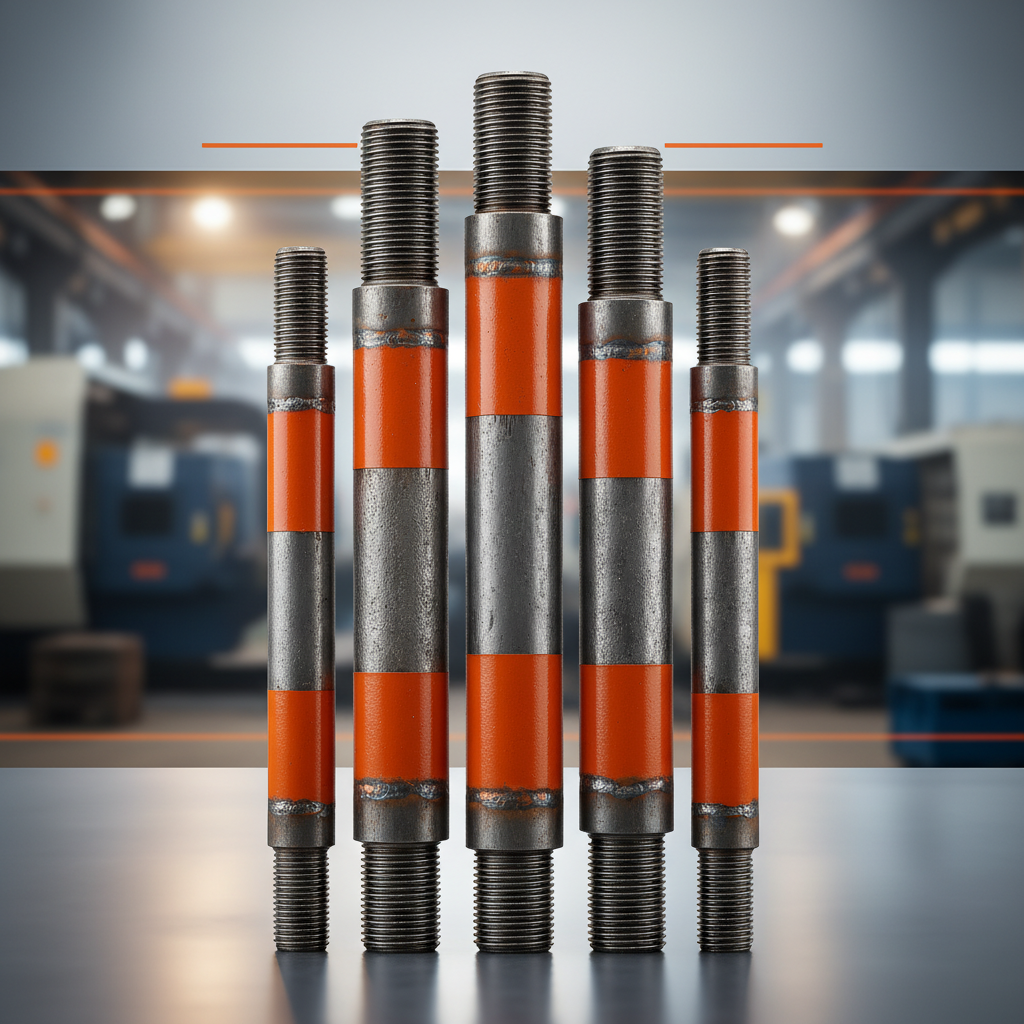
Comprehensive Guide to Sectional Ground Rods for Effective Grounding Systems
Sectional ground rods are a critical component in effective grounding systems, particularly in environments requiring robust protection against electrical surges and faults. These rods, unlike solid rods, are constructed in sections, offering flexibility and ease of installation, especially in areas with limited space or difficult ground conditions. At Bilopowtel, we specialize in providing high-quality sectional ground rods engineered for superior performance and longevity. This article will delve into the benefits, applications, installation best practices, and material considerations for sectional ground rods, equipping you with the knowledge to make informed decisions for your grounding needs. They are particularly useful when dealing with challenging soil conditions, such as rocky terrain or high soil resistivity, as they can be driven in stages. The coupling mechanisms between sections ensure a low-resistance electrical connection, maintaining the effectiveness of the grounding system. At Bilopowtel, we offer a range of sectional ground rods to meet various project requirements.और पढ़ें

-
 Afrikaans
-
 Albanian
-
 Amharic
-
 Arabic
-
 Armenian
-
 Azerbaijani
-
 Basque
-
 Belarusian
-
 Bengali
-
 Bosnian
-
 Bulgarian
-
 Catalan
-
 Cebuano
-
 Corsican
-
 Croatian
-
 Czech
-
 Danish
-
 Dutch
-
 English
-
 Esperanto
-
 Estonian
-
 Finnish
-
 French
-
 Frisian
-
 Galician
-
 Georgian
-
 German
-
 Greek
-
 Gujarati
-
 Haitian Creole
-
 hausa
-
 hawaiian
-
 Hebrew
-
 Hindi
-
 Miao
-
 Hungarian
-
 Icelandic
-
 igbo
-
 Indonesian
-
 irish
-
 Italian
-
 Japanese
-
 Javanese
-
 Kannada
-
 kazakh
-
 Khmer
-
 Rwandese
-
 Korean
-
 Kurdish
-
 Kyrgyz
-
 Lao
-
 Latin
-
 Latvian
-
 Lithuanian
-
 Luxembourgish
-
 Macedonian
-
 Malgashi
-
 Malay
-
 Malayalam
-
 Maltese
-
 Maori
-
 Marathi
-
 Mongolian
-
 Myanmar
-
 Nepali
-
 Norwegian
-
 Norwegian
-
 Occitan
-
 Pashto
-
 Persian
-
 Polish
-
 Portuguese
-
 Punjabi
-
 Romanian
-
 Russian
-
 Samoan
-
 Scottish Gaelic
-
 Serbian
-
 Sesotho
-
 Shona
-
 Sindhi
-
 Sinhala
-
 Slovak
-
 Slovenian
-
 Somali
-
 Spanish
-
 Sundanese
-
 Swahili
-
 Swedish
-
 Tagalog
-
 Tajik
-
 Tamil
-
 Tatar
-
 Telugu
-
 Thai
-
 Turkish
-
 Turkmen
-
 Ukrainian
-
 Urdu
-
 Uighur
-
 Uzbek
-
 Vietnamese
-
 Welsh
-
 Bantu
-
 Yiddish
-
 Yoruba
-
 Zulu



दूरभाष:
0086-311-88862036

- संपर्क
- ADDRESS: 188, Fengshou Road, Shijiazhuang. China
- ईमेल: info@bilopowtel.com
- फ़ोन: 0086-311-88862036
- व्हाट्सएप: 0086-152-26563165


Copyright © 2026 Shijiazhuang Bilo Import and Export Trading Co., Ltd. All Rights Reserved. Sitemap | Privacy Policy

BlLo lmport & Éxport is specialized in power and cable equipment andconsiruction tools,Qur main producis are FRP
duct rodder, cable rollerscable pulling winch, cable drum jack, cable pulling sock, etc.


Copyright © 2026 Shijiazhuang Bilo Import and Export Trading Co., Ltd. All Rights Reserved. Sitemap | Privacy Policy



