



-
 Afrikaans
-
 Albanian
-
 Amharic
-
 Arabic
-
 Armenian
-
 Azerbaijani
-
 Basque
-
 Belarusian
-
 Bengali
-
 Bosnian
-
 Bulgarian
-
 Catalan
-
 Cebuano
-
 Corsican
-
 Croatian
-
 Czech
-
 Danish
-
 Dutch
-
 English
-
 Esperanto
-
 Estonian
-
 Finnish
-
 French
-
 Frisian
-
 Galician
-
 Georgian
-
 German
-
 Greek
-
 Gujarati
-
 Haitian Creole
-
 hausa
-
 hawaiian
-
 Hebrew
-
 Hindi
-
 Miao
-
 Hungarian
-
 Icelandic
-
 igbo
-
 Indonesian
-
 irish
-
 Italian
-
 Japanese
-
 Javanese
-
 Kannada
-
 kazakh
-
 Khmer
-
 Rwandese
-
 Korean
-
 Kurdish
-
 Kyrgyz
-
 Lao
-
 Latin
-
 Latvian
-
 Lithuanian
-
 Luxembourgish
-
 Macedonian
-
 Malgashi
-
 Malay
-
 Malayalam
-
 Maltese
-
 Maori
-
 Marathi
-
 Mongolian
-
 Myanmar
-
 Nepali
-
 Norwegian
-
 Norwegian
-
 Occitan
-
 Pashto
-
 Persian
-
 Polish
-
 Portuguese
-
 Punjabi
-
 Romanian
-
 Russian
-
 Samoan
-
 Scottish Gaelic
-
 Serbian
-
 Sesotho
-
 Shona
-
 Sindhi
-
 Sinhala
-
 Slovak
-
 Slovenian
-
 Somali
-
 Spanish
-
 Sundanese
-
 Swahili
-
 Swedish
-
 Tagalog
-
 Tajik
-
 Tamil
-
 Tatar
-
 Telugu
-
 Thai
-
 Turkish
-
 Turkmen
-
 Ukrainian
-
 Urdu
-
 Uighur
-
 Uzbek
-
 Vietnamese
-
 Welsh
-
 Bantu
-
 Yiddish
-
 Yoruba
-
 Zulu



Jun . 13, 2026 06:07 Hoʻi i ka papa inoa
High Voltage Tools and Electric Fish Tape Wire Puller Guide
The modern electrical infrastructure relies heavily on the ability to maintain and repair energized systems without compromising safety. In the specialized field of high-voltage maintenance, the concept of the electric fish tape wire puller represents the broader need for precision tools that can navigate complex conduit and overhead environments. Understanding the synergy between telescoping insulation and wiring efficiency is key to reducing downtime in critical power grids.
Across the global energy sector, the demand for reliable hot-line tools has surged as cities expand and industrial zones modernize. The challenge lies in bridging the gap between manual labor and high-voltage safety, where a single error can lead to catastrophic failure. Tools designed for energized equipment operations must prioritize dielectric strength, structural stability, and ergonomic handling to protect the technician while ensuring operational continuity.
By integrating advanced materials like high-strength aluminum alloys and fireproof insulation foams, the industry is moving toward more versatile solutions. Whether it is replacing fuses on transformers or operating disconnect switches, the focus remains on maximizing the reach and safety of the operator. This comprehensive guide explores the technical specifications and practical applications of telescoping hot sticks, providing a benchmark for professionals seeking the highest standards in utility equipment.
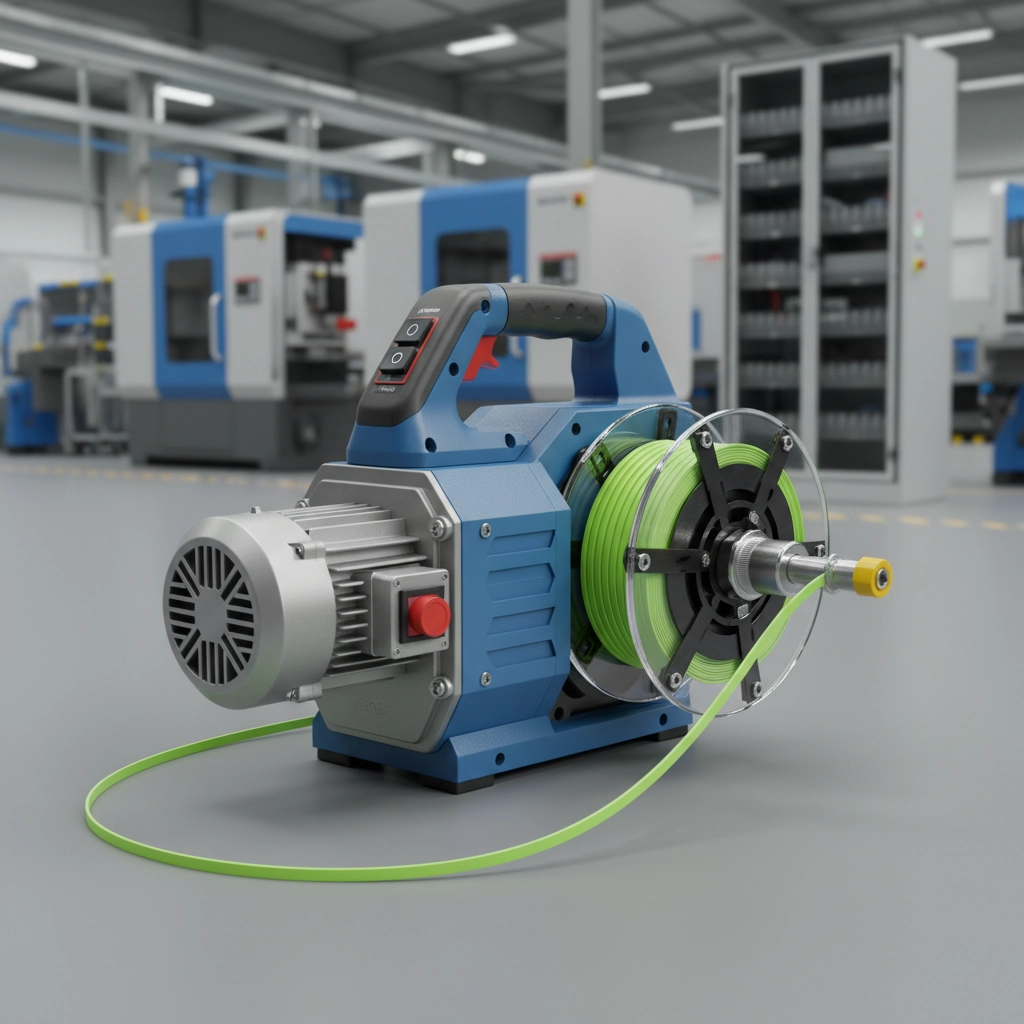
Global Context of High-Voltage Tooling
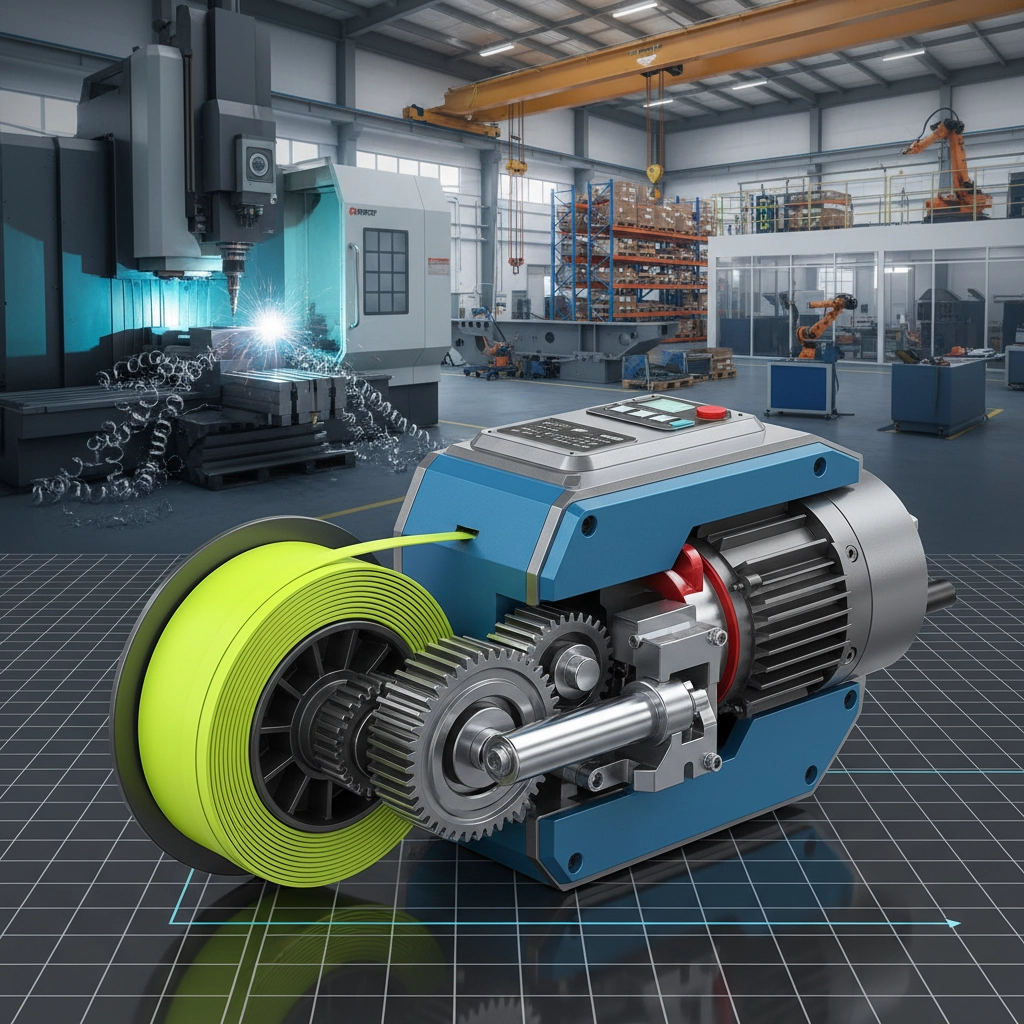
The global push toward electrical grid resilience has highlighted the critical importance of specialized tools. In many regions, the integration of renewable energy sources requires frequent adjustments to existing high-voltage lines, making the use of a reliable electric fish tape wire puller or a telescoping hot stick essential for maintaining uptime. Following ISO safety standards, utility companies are increasingly investing in tools that prevent "arc flash" incidents and ensure personnel safety.
The challenge often lies in the environmental extremes—ranging from humid coastal areas to freezing highlands—where tools must resist moisture accumulation and material fatigue. By employing a triangular pole tube structure, modern hot sticks provide the necessary rigidity to operate disconnect switches from a safe distance, effectively addressing the systemic risk associated with energized overhead line repair.
FAQ
The triangle shape allows each section to "lock in automatically" without the need to rotate the pole, which is a significant advantage when wearing insulating gloves. It also provides superior structural stability and reduces twisting during high-voltage operations.
The main stem of the stick is filled with a specialized fireproof and moisture-proof insulation foam. This prevents vapor accumulation inside the tube, ensuring that the tool maintains its dielectric strength even in humid or rainy conditions.
Yes, the High Voltage Telescoping Triangle Hot Stick is designed for both. In substations, it is used for operating switches and fuses; in overhead repairs, it allows technicians to reach high lines and manipulate components while maintaining a safe distance.
The outer surface is smooth and non-porous to facilitate easy cleaning. It should be routinely cleaned and waxed to remove dust, pollutants, and moisture, which prevents surface tracking and ensures the safety of the electrical barrier.
Each 30cm section of the telescoping pole is engineered to withstand 100kv/5mm. This high dielectric strength ensures that the operator remains insulated from high-voltage currents during energized operations.
Absolutely. The telescopic design allows sections to be added or removed, enabling the technician to set the stick to the preferred length based on the specific height of the equipment they are servicing.
Conclusion
The High Voltage Telescoping Triangle Hot Stick is a cornerstone of modern electrical maintenance, combining structural innovation with rigorous safety standards. By addressing the critical needs of stability, insulation, and ease of operation, it allows utility professionals to perform high-risk tasks with confidence. From its automatic locking mechanism to its moisture-proof core, every design element is geared toward maximizing personnel safety and minimizing grid downtime.
As the world transitions toward smarter, more complex power grids, the reliance on precision tools—ranging from the electric fish tape wire puller for internal wiring to telescoping hot sticks for external maintenance—will only increase. We recommend that utility providers prioritize the adoption of triangular-structure tools to enhance operational efficiency and uphold the highest safety protocols. For more professional equipment and solutions, visit our website: www.bilopowtel.com.
Nūhou hou loa
Professional Guide to Cable Installation with Ethernet Fish Tape
NūhouJul.01,2026
Professional Cable Installation Guide Using a Fish Tape
NūhouJun.29,2026
Professional Cable Installation Guide with 30m fish tape
NūhouJun.27,2026
Mastering Cable Installation with the 1 2 fish tape Guide
NūhouJun.26,2026
Ultimate Guide to Using 3 8 Fish Tape for Electrical Wiring
NūhouJun.25,2026
Best Electric Hoists for Sale A Complete Industrial Buyers Guide
NūhouJun.23,2026
- HOOLAHA
- HELU: 188, alanui Fengshou, Shijiazhuang. Kina
- EMAIL: info@bilopowtel.com
- Kelepona: 0086-311-88862036
- WHATSAPP: 0086-152-26563165





