-
 Afrikaans
-
 Albanian
-
 Amharic
-
 Arabic
-
 Armenian
-
 Azerbaijani
-
 Basque
-
 Belarusian
-
 Bengali
-
 Bosnian
-
 Bulgarian
-
 Catalan
-
 Cebuano
-
 Corsican
-
 Croatian
-
 Czech
-
 Danish
-
 Dutch
-
 English
-
 Esperanto
-
 Estonian
-
 Finnish
-
 French
-
 Frisian
-
 Galician
-
 Georgian
-
 German
-
 Greek
-
 Gujarati
-
 Haitian Creole
-
 hausa
-
 hawaiian
-
 Hebrew
-
 Hindi
-
 Miao
-
 Hungarian
-
 Icelandic
-
 igbo
-
 Indonesian
-
 irish
-
 Italian
-
 Japanese
-
 Javanese
-
 Kannada
-
 kazakh
-
 Khmer
-
 Rwandese
-
 Korean
-
 Kurdish
-
 Kyrgyz
-
 Lao
-
 Latin
-
 Latvian
-
 Lithuanian
-
 Luxembourgish
-
 Macedonian
-
 Malgashi
-
 Malay
-
 Malayalam
-
 Maltese
-
 Maori
-
 Marathi
-
 Mongolian
-
 Myanmar
-
 Nepali
-
 Norwegian
-
 Norwegian
-
 Occitan
-
 Pashto
-
 Persian
-
 Polish
-
 Portuguese
-
 Punjabi
-
 Romanian
-
 Russian
-
 Samoan
-
 Scottish Gaelic
-
 Serbian
-
 Sesotho
-
 Shona
-
 Sindhi
-
 Sinhala
-
 Slovak
-
 Slovenian
-
 Somali
-
 Spanish
-
 Sundanese
-
 Swahili
-
 Swedish
-
 Tagalog
-
 Tajik
-
 Tamil
-
 Tatar
-
 Telugu
-
 Thai
-
 Turkish
-
 Turkmen
-
 Ukrainian
-
 Urdu
-
 Uighur
-
 Uzbek
-
 Vietnamese
-
 Welsh
-
 Bantu
-
 Yiddish
-
 Yoruba
-
 Zulu



Jul . 13, 2026 06:05 યાદી પર પાછા
High Efficiency Hydraulic Pliers and Fish Tape Pole Tools
In the demanding world of electrical infrastructure and industrial construction, the efficiency of cable installation often determines the success of a project. The integration of high-performance tools, often categorized alongside the fish tape pole in utility kits, ensures that technicians can navigate complex conduits with precision. Understanding the synergy between pulling tools and termination equipment is essential for maintaining power grid reliability.
Globally, the shift toward smarter cities and renewable energy grids has increased the volume of underground cabling. This surge in demand highlights the critical need for tools that minimize installation time and maximize connection integrity. Whether dealing with high-voltage transmission lines or commercial building wiring, the right combination of guidance and crimping tools prevents costly delays and safety hazards.
While a fish tape pole helps in the initial guidance of wires, the final integrity of the electrical circuit depends on the precision of hydraulic termination. By utilizing professional-grade hydraulic pliers, engineers can ensure that every connection is secure, conductive, and compliant with international safety standards, bridging the gap between raw installation and operational excellence.
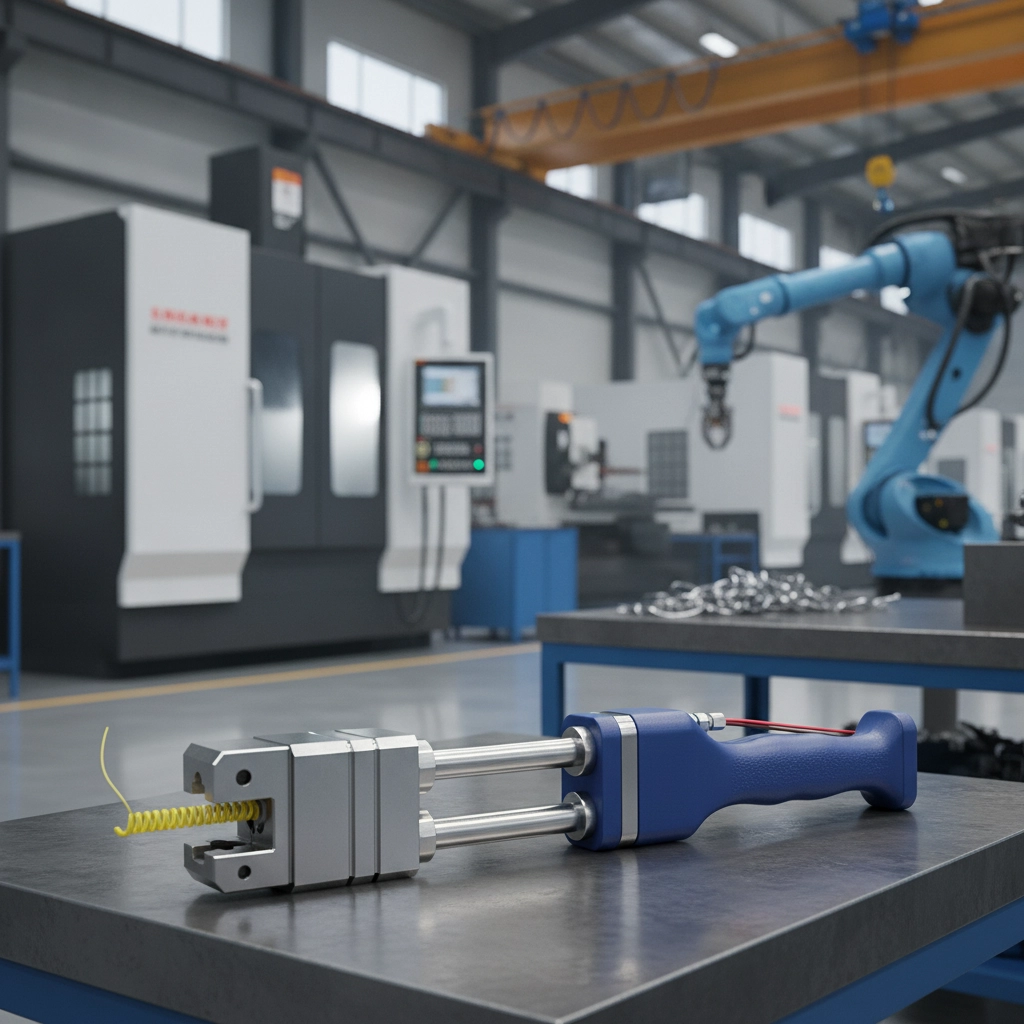
Global Industrial Relevance of Cable Tools
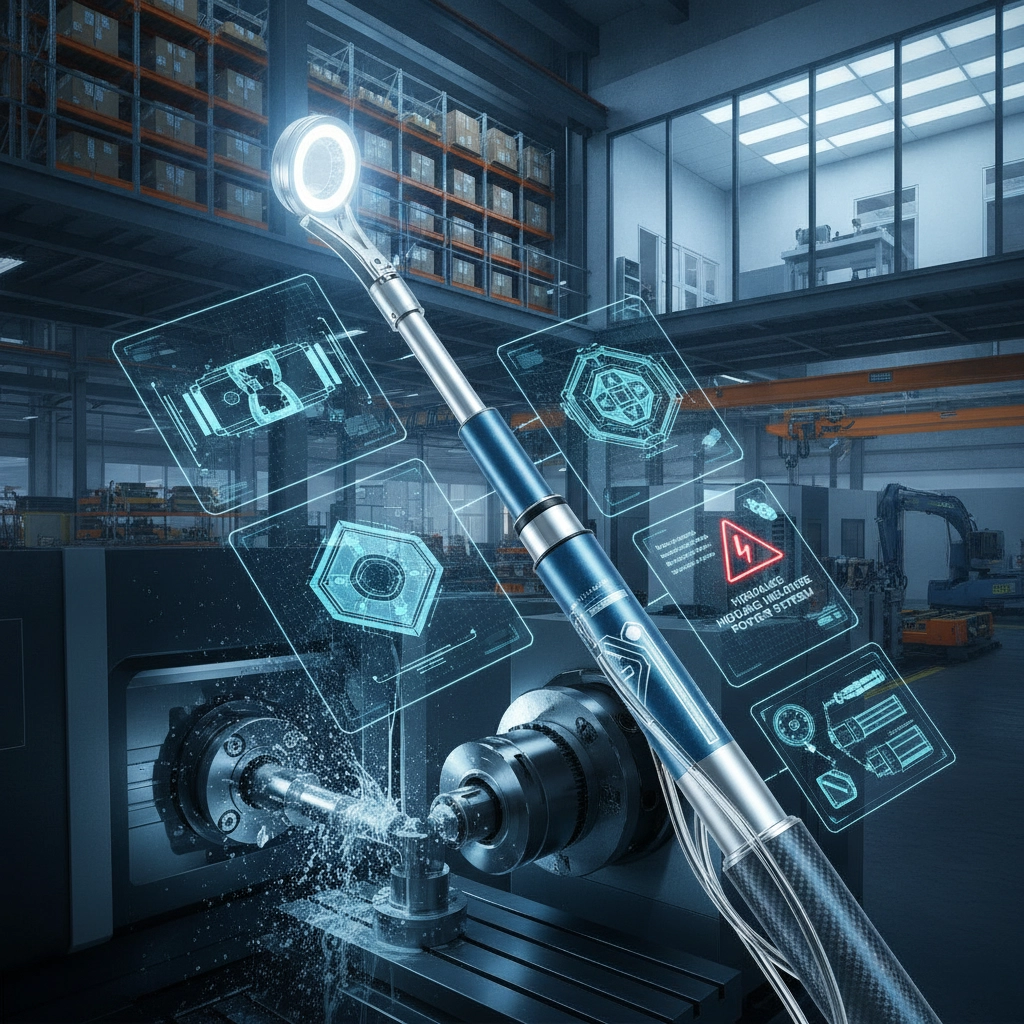
The global demand for stable electricity and high-speed data transmission has placed immense pressure on the manufacturing of utility tools. In many developing regions, the expansion of the power grid requires tools that can be deployed quickly in rugged environments, where a fish tape pole is often the first step in a complex installation sequence.
Industry data suggests that failures in cable termination are a leading cause of electrical fires and outages. Consequently, the transition from manual crimping to hydraulic systems has become a global standard, ensuring that the high-pressure requirements of modern heavy-duty cables are met with absolute consistency.
વારંવાર પૂછાતા પ્રશ્નો
Hydraulic pliers use fluid transmission to generate significantly higher pressure than manual tools. This allows for the crimping of much larger cables (up to 400MM2) with far less physical effort, ensuring a tighter, more conductive bond that is essential for high-voltage power engineering.
Yes, hexagonal dies provide a more uniform compression around the entire circumference of the cable. This reduces voids, increases the contact area for better conductivity, and ensures the terminal is less likely to fall off or overheat during operation.
Many of our professional hydraulic pliers come with insulating rods specifically designed to withstand high voltage. Additionally, the automatic pressure release system prevents over-crimping, reducing the risk of cable damage that could lead to electrical arcs.
Because they are constructed from high-quality, wear-resistant steel, these tools are designed for long-term industrial use. With basic maintenance and proper storage, they can last for many years even in corrosive construction environments.
The choice depends entirely on the crimping range of your cables. If your cables are between 10-120MM2, the YQK-120 is ideal. For larger industrial cables up to 300MM2, the YQK-300 is required to provide the necessary force and stroke.
The YQK series described here uses a manual hydraulic pump mechanism integrated into the tool, meaning they do not require electricity or external compressors, making them perfect for remote field sites.
Conclusion
In summary, the path to a reliable electrical installation begins with the proper routing using a fish tape pole and concludes with the high-precision termination provided by hydraulic pliers. By combining high efficiency, hexagonal accuracy, and rigorous safety standards, these tools minimize the risk of failure in critical power infrastructure. From the compact YQK-70 to the industrial YQK-400C, selecting the right tool for the specific cable range is the only way to ensure long-term conductivity and safety.
Looking ahead, the digitalization of power grids and the rise of green energy will only increase the demand for precision termination tools. We recommend that contractors and engineers prioritize tools with automatic pressure release and wear-resistant materials to keep pace with these evolving standards. For professional-grade equipment that ensures your project's longevity and safety, visit our website: www.bilopowtel.com.
તાજા સમાચાર
Professional Guide to Cable Installation with Ethernet Fish Tape
સમાચારJul.01,2026
Professional Cable Installation Guide Using a Fish Tape
સમાચારJun.29,2026
Professional Cable Installation Guide with 30m fish tape
સમાચારJun.27,2026
Mastering Cable Installation with the 1 2 fish tape Guide
સમાચારJun.26,2026
Ultimate Guide to Using 3 8 Fish Tape for Electrical Wiring
સમાચારJun.25,2026
Best Electric Hoists for Sale A Complete Industrial Buyers Guide
સમાચારJun.23,2026
- સંપર્ક કરો
- ADDRESS: 188, Fengshou Road, Shijiazhuang. China
- ઈમેલ: info@bilopowtel.com
- ફોન: 0086-311-88862036
- વોટ્સેપ: 0086-152-26563165