-
 Afrikaans
-
 Albanian
-
 Amharic
-
 Arabic
-
 Armenian
-
 Azerbaijani
-
 Basque
-
 Belarusian
-
 Bengali
-
 Bosnian
-
 Bulgarian
-
 Catalan
-
 Cebuano
-
 Corsican
-
 Croatian
-
 Czech
-
 Danish
-
 Dutch
-
 English
-
 Esperanto
-
 Estonian
-
 Finnish
-
 French
-
 Frisian
-
 Galician
-
 Georgian
-
 German
-
 Greek
-
 Gujarati
-
 Haitian Creole
-
 hausa
-
 hawaiian
-
 Hebrew
-
 Hindi
-
 Miao
-
 Hungarian
-
 Icelandic
-
 igbo
-
 Indonesian
-
 irish
-
 Italian
-
 Japanese
-
 Javanese
-
 Kannada
-
 kazakh
-
 Khmer
-
 Rwandese
-
 Korean
-
 Kurdish
-
 Kyrgyz
-
 Lao
-
 Latin
-
 Latvian
-
 Lithuanian
-
 Luxembourgish
-
 Macedonian
-
 Malgashi
-
 Malay
-
 Malayalam
-
 Maltese
-
 Maori
-
 Marathi
-
 Mongolian
-
 Myanmar
-
 Nepali
-
 Norwegian
-
 Norwegian
-
 Occitan
-
 Pashto
-
 Persian
-
 Polish
-
 Portuguese
-
 Punjabi
-
 Romanian
-
 Russian
-
 Samoan
-
 Scottish Gaelic
-
 Serbian
-
 Sesotho
-
 Shona
-
 Sindhi
-
 Sinhala
-
 Slovak
-
 Slovenian
-
 Somali
-
 Spanish
-
 Sundanese
-
 Swahili
-
 Swedish
-
 Tagalog
-
 Tajik
-
 Tamil
-
 Tatar
-
 Telugu
-
 Thai
-
 Turkish
-
 Turkmen
-
 Ukrainian
-
 Urdu
-
 Uighur
-
 Uzbek
-
 Vietnamese
-
 Welsh
-
 Bantu
-
 Yiddish
-
 Yoruba
-
 Zulu



Feb . 11, 2026 06:10 Takaisin listalle
Understanding the Versatility and Applications of the Cable Ratchet Puller
The humble cable ratchet puller is a surprisingly vital tool across a diverse range of industries and applications. From construction and rigging to emergency services and even marine operations, this seemingly simple device offers a powerful and controlled method for tensioning and securing loads. Understanding its principles, benefits, and proper usage is crucial for ensuring safety, efficiency, and reliability in countless scenarios. This guide delves into the world of cable ratchet pullers, exploring their significance and practical applications.
Globally, the demand for effective and reliable load securing solutions is constantly increasing. Factors like growing infrastructure projects, rising trade volumes, and the need for efficient disaster response contribute to this demand. Organizations like the UN and World Bank actively seek tools that improve logistical capabilities and reduce risks associated with material handling. The cable ratchet puller offers a cost-effective, portable, and versatile solution addressing these challenges, becoming indispensable in a wide spectrum of operations.
The increasing focus on worker safety and reducing on-site accidents further emphasizes the importance of tools like the cable ratchet puller. Traditional methods of securing loads often involve manual labor and potentially dangerous techniques. Utilizing a properly rated and used cable ratchet puller significantly mitigates these risks, providing a controlled and secure system for tensioning and securing materials.
Introduction to Cable Ratchet Pullers
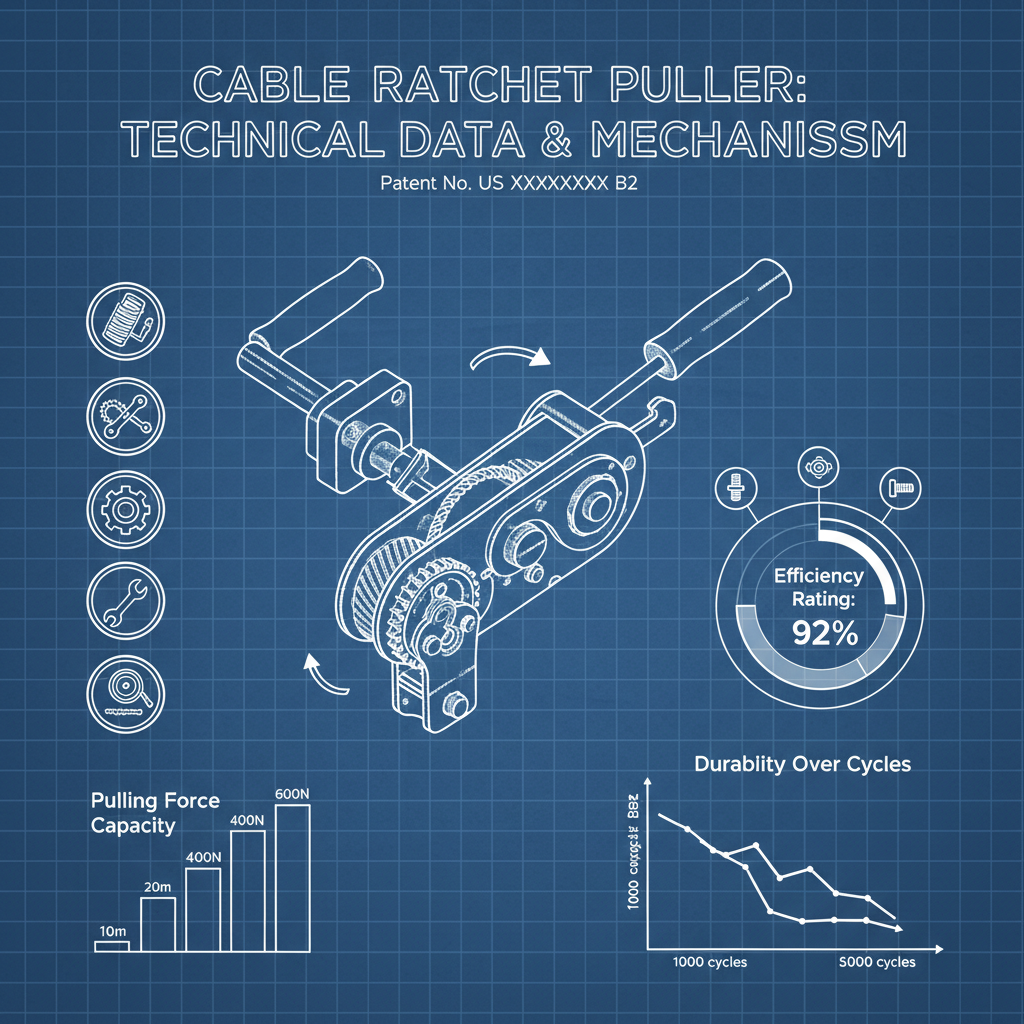
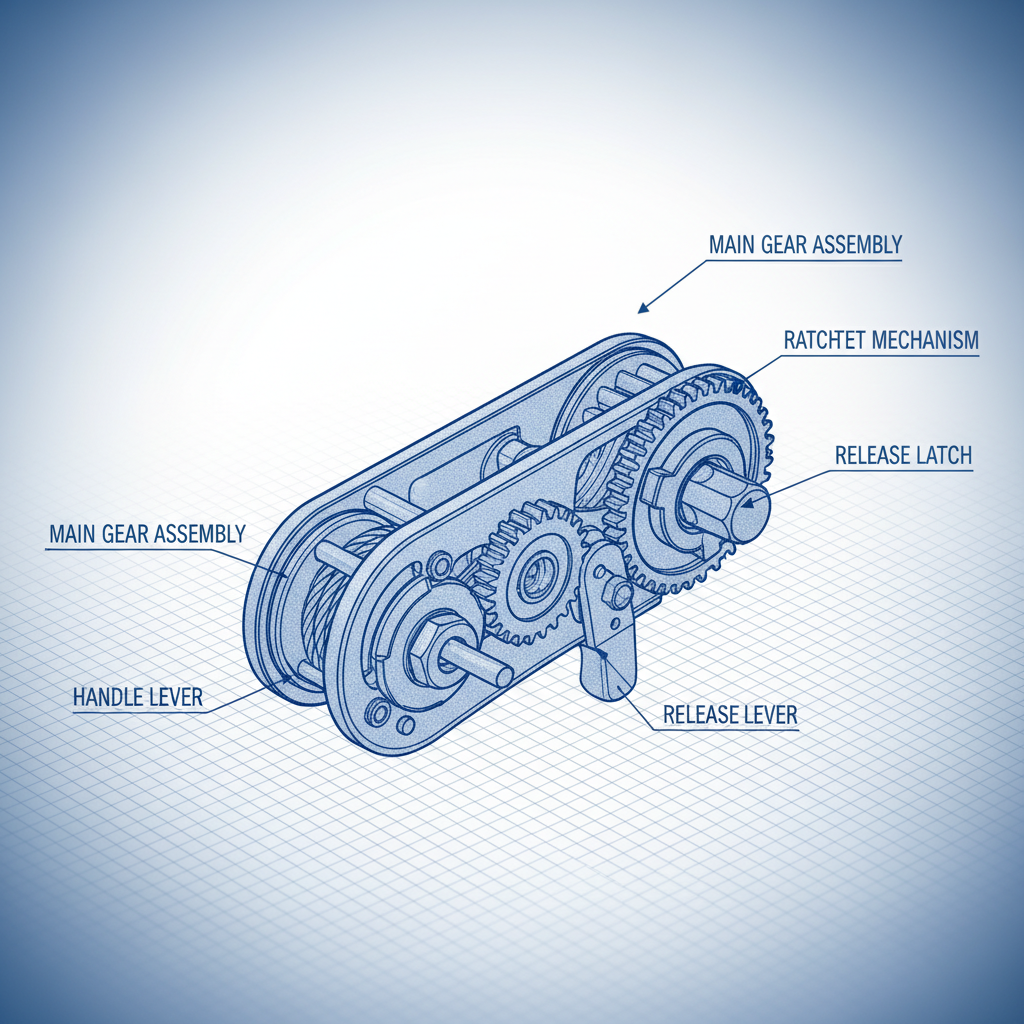
A cable ratchet puller isn’t just a tool; it’s a versatile solution for managing tension in various applications. It leverages a ratcheting mechanism to provide a controlled and secure pull, minimizing the need for strenuous manual effort and maximizing safety. From securing cargo during transport to assisting in construction projects, its applications are incredibly broad.
The principle behind the cable ratchet puller is relatively straightforward: a cable is wound around a drum using a ratchet and pawl system. This allows for pulling the cable in one direction while preventing it from unwinding, creating a secure tension. The ratchet mechanism is key to its functionality, allowing users to gradually apply force and maintain it without constant physical exertion.
UKK
The safe working load varies greatly depending on the model, but generally ranges from 500 lbs to 10,000 lbs or even more for heavy-duty pullers. Always check the manufacturer’s markings and never exceed the stated WLL. Using a puller beyond its capacity can lead to equipment failure and serious injury. The WLL is a critical safety factor when selecting a cable ratchet puller for your application.
Before each use, thoroughly inspect the cable ratchet puller for any signs of damage. Check the cable for fraying, kinks, or corrosion. Examine the ratchet mechanism for smooth operation and proper engagement. Ensure the handle is securely attached and that there are no cracks or deformations in the housing. If any defects are found, remove the puller from service immediately.
Potential dangers include cable snapback if the cable fails, accidental release of the ratchet mechanism, and injury from falling or shifting loads. Always wear appropriate personal protective equipment (PPE), such as gloves and safety glasses. Ensure the puller is properly secured and that the load is stable before applying tension. Never stand in the line of the cable during operation.
Store the cable ratchet puller in a clean, dry environment to prevent corrosion. Ensure the cable is properly coiled and that the ratchet mechanism is disengaged. Protect it from extreme temperatures and direct sunlight. Regular cleaning and lubrication will help maintain its performance and extend its lifespan.
While a cable ratchet puller can apply tension, it is not designed for direct vertical lifting. Using it for lifting can be extremely dangerous and can lead to equipment failure and serious injury. For vertical lifting, utilize appropriate lifting equipment such as hoists or cranes. The primary function of a ratchet puller is tensioning and securing, not lifting.
Most räikkävaijerin ulosvetimet are constructed from high-strength steel alloys for the housing and components, ensuring durability and resistance to wear. Cables are commonly made of galvanized steel for corrosion resistance or stainless steel for marine applications. Handles are typically made from steel with a comfortable grip coating. The specific materials used will influence the puller’s strength and lifespan.
Conclusion
In conclusion, the cable ratchet puller is an indispensable tool for a wide range of industries and applications. Its ability to provide controlled tension, combined with its portability, cost-effectiveness, and safety features, makes it a valuable asset in construction, rigging, marine operations, and emergency services. Understanding its core components, proper usage, and future trends is crucial for maximizing its benefits.
Looking ahead, innovations in materials science, smart technology, and automation promise to further enhance the performance and capabilities of cable ratchet pullers. By embracing these advancements and prioritizing safety, we can continue to leverage this versatile tool for efficient and reliable load securing across the globe. For high-quality räikkävaijerin ulosvetimet and related equipment, visit our website: www.bilopowtel.com.
Uusimmat uutiset
Professional Guide to Cable Installation with Ethernet Fish Tape
UutisetJul.01,2026
Professional Cable Installation Guide Using a Fish Tape
UutisetJun.29,2026
Professional Cable Installation Guide with 30m fish tape
UutisetJun.27,2026
Mastering Cable Installation with the 1 2 fish tape Guide
UutisetJun.26,2026
Ultimate Guide to Using 3 8 Fish Tape for Electrical Wiring
UutisetJun.25,2026
Best Electric Hoists for Sale A Complete Industrial Buyers Guide
UutisetJun.23,2026
- OTTAA YHTEYTTÄ
- ADDRESS: 188, Fengshou Road, Shijiazhuang. China
- SÄHKÖPOSTI: info@bilopowtel.com
- PUHELIN: 0086-311-88862036
- WHATSAPP: 0086-152-26563165