


-
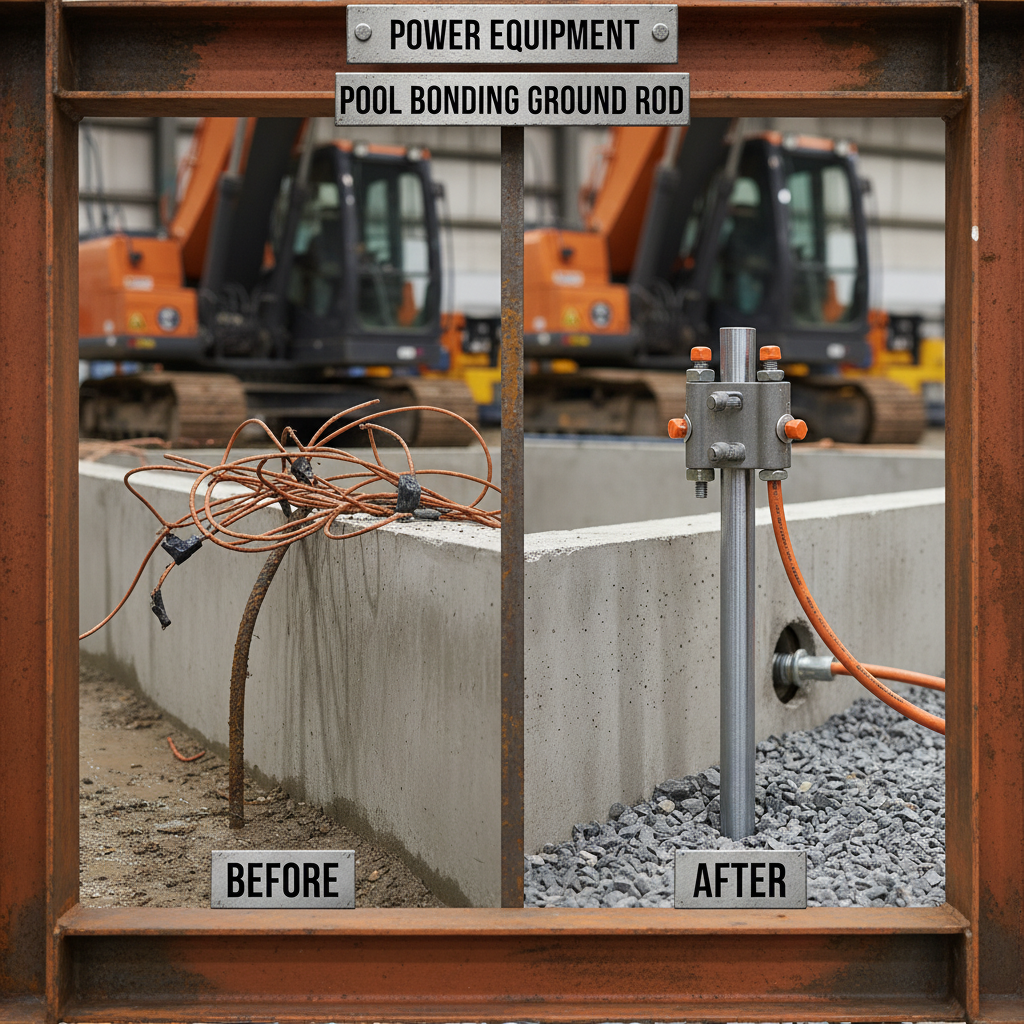
Comprehensive Guide to Pool Bonding and the Vital Role of a Ground Rod
Maintaining a safe swimming environment is paramount for pool owners. A crucial aspect of this safety is proper pool bonding, which relies heavily on a correctly installed pool bonding ground rod. This article will comprehensively cover the purpose of pool bonding, the role of the ground rod, installation best practices, and troubleshooting common issues. We’ll explore why a properly bonded pool is essential to protect swimmers and comply with electrical safety regulations. Ignoring these measures can lead to dangerous, potentially fatal, electrical hazards. Pool bonding is the process of electrically connecting all metallic components within and around your pool area – including pumps, filters, ladders, railings, and even the reinforcing steel (rebar) within the pool structure itself. The purpose is to create an equipotential plane, meaning all these metal objects will be at the same electrical potential. This eliminates voltage differences that could shock a swimmer if a fault occurs. Without bonding, a fault current could energize these metal parts, turning them into potential shock hazards.Loe rohkem -
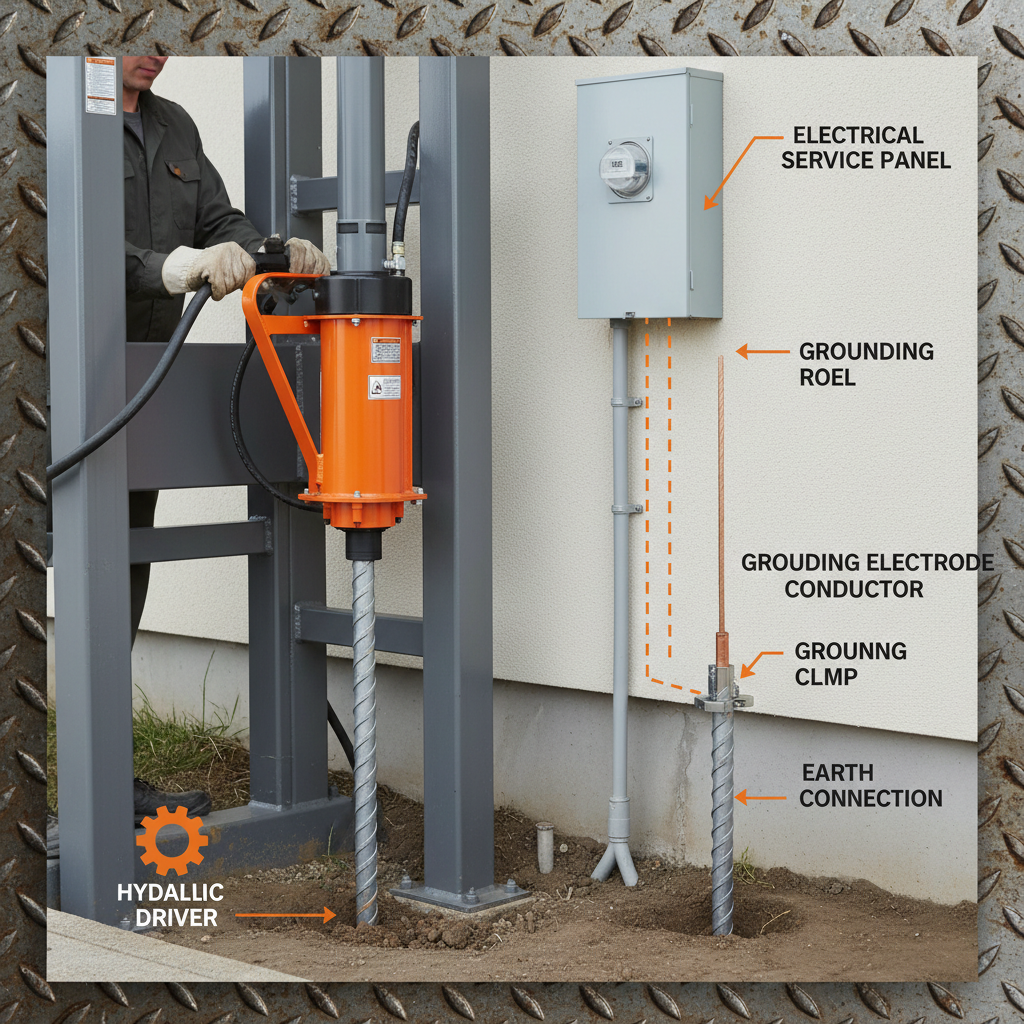
Comprehensive Guide to Installing a Grounding Rod Residential for Safety
Ensuring your home's electrical system is properly grounded is crucial for safety and protecting your valuable electronics. A grounding system provides a safe path for electrical currents to flow in the event of a fault, minimizing the risk of shock and fire. This guide will walk you through the process of installing a grounding rod residential, covering everything from choosing the right materials to the proper installation techniques. Proper grounding is not just a good idea; it’s often required by local electrical codes. Understanding these procedures will empower you to maintain a safe and reliable electrical system in your home. Grounding provides a low-resistance path for stray electrical current to return to the source, typically the electrical panel. Without grounding, this current could build up on metal objects, creating a dangerous shock hazard. It also protects sensitive electronic equipment from voltage surges, safeguarding your investment. A properly installed grounding system is a critical component of a safe and functional electrical system, and adhering to local electrical codes is paramount. Grounding is especially important in older homes that may not have been originally groundedLoe rohkem -
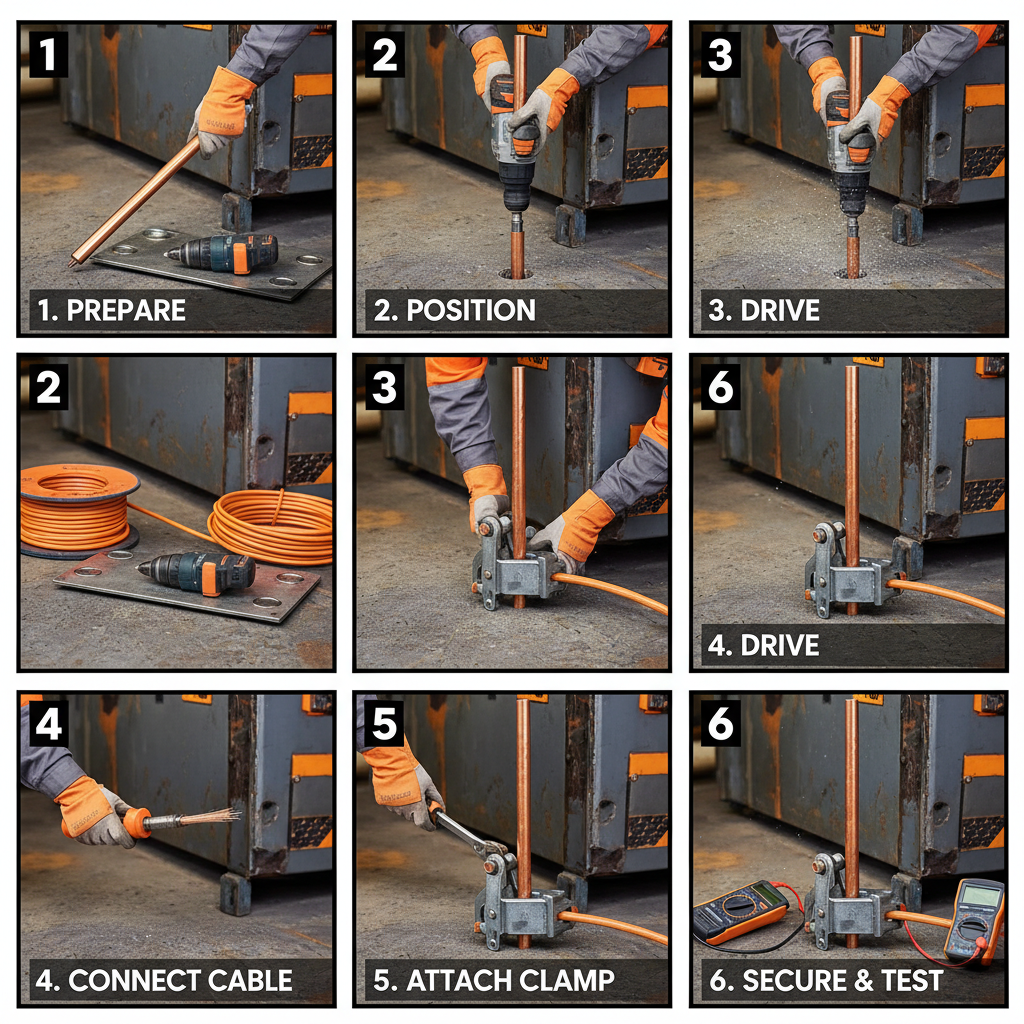
A Detailed Guide to Installing an Earth Rod for Optimal Electrical Safety
Ensuring a safe and effective grounding system is critical for electrical safety in any setting, from residential properties to large industrial facilities. A key component of this system is the earth rod, and knowing how to properly installing an earth rod is paramount. This article provides a detailed guide to the process, covering everything from choosing the right rod to ensuring a secure connection. A correctly installed earth rod provides a low-resistance path for fault currents, protecting people and equipment from electrical hazards. We will explore best practices and essential safety considerations. The first step in installing an earth rod is selecting the appropriate one for your needs. Earth rods come in various materials, lengths, and diameters. Copper rods are excellent conductors but are more expensive. Galvanized steel rods are a more affordable option and provide good corrosion resistance. The length of the rod depends on the soil resistivity; higher resistivity requires longer rods. Generally, a minimum of 2.4 meters (8 feet) is recommended, but it may need to be longer in rocky or sandy soils.Loe rohkem -
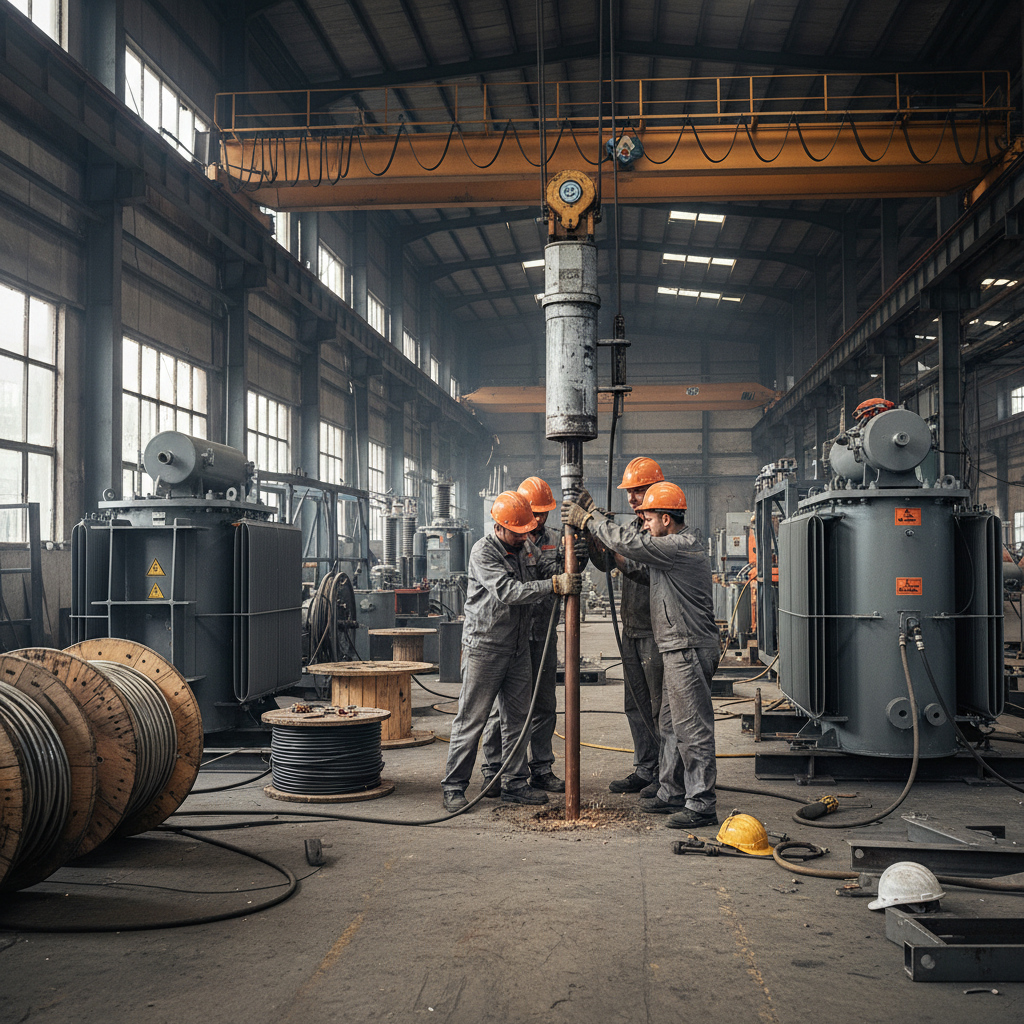
Comprehensive Guide to Installing Earth Ground Rod for Electrical Safety
Ensuring a safe and reliable electrical grounding system is paramount for any structure or electrical installation. A crucial component of this system is the earth ground rod. This article will provide a detailed guide on installing earth ground rod, covering everything from selecting the right rod to the proper driving techniques and safety precautions. A properly installed ground rod protects against electrical shock and surge damage, safeguarding both people and equipment. Understanding the process is vital for homeowners, contractors, and anyone working with electrical systems. Selecting the appropriate earth ground rod is the first step towards a successful installation. Rods are typically made of copper-clad steel, galvanized steel, or solid copper. Copper-clad steel offers a good balance of conductivity and cost-effectiveness. The length and diameter of the rod depend on the soil resistivity – higher resistivity requires longer and/or more rods. Generally, an 8-foot copper-clad steel rod is a common choice for residential applications. It’s essential to check local electrical codes for specific requirements.Loe rohkem -
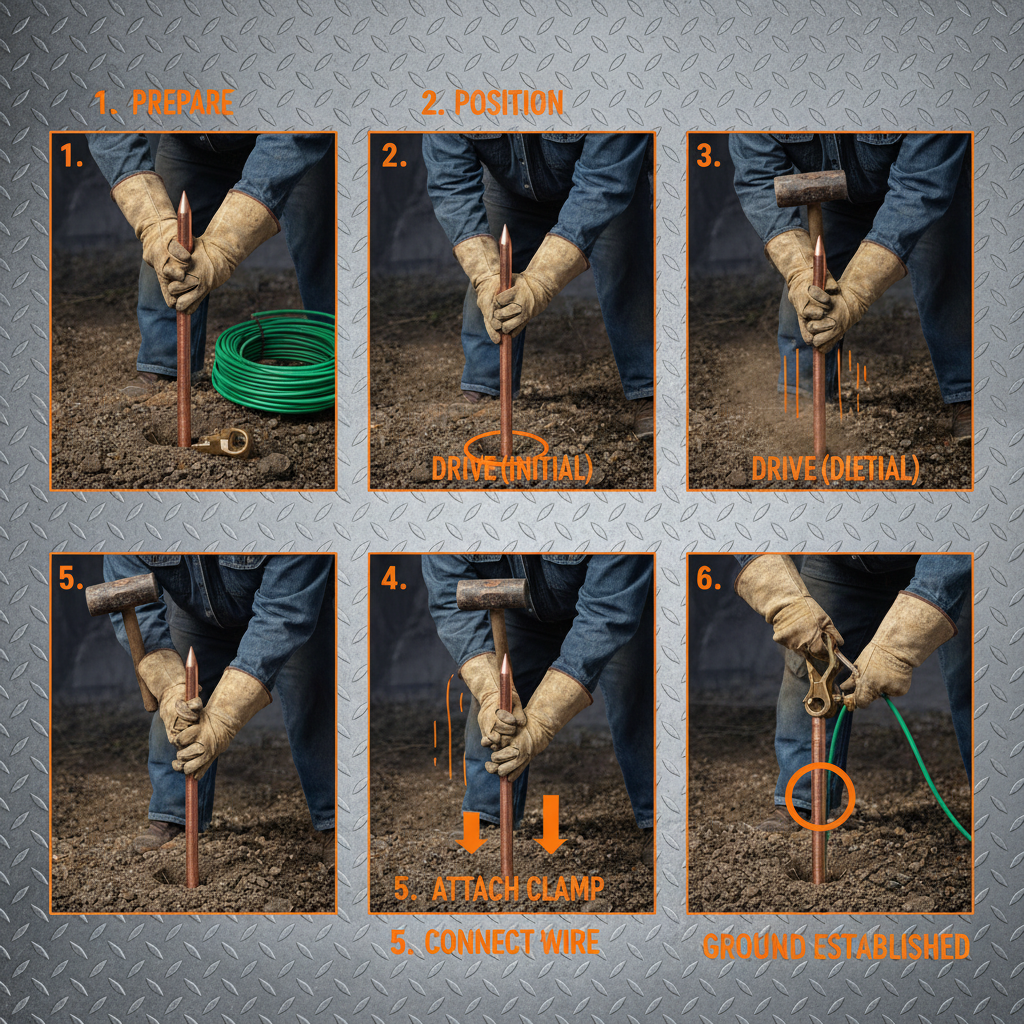
Comprehensive Guide to Understanding and Installing a Ground Rod for Electrical Safety
Protecting your electrical systems and ensuring safety is paramount. A crucial component in achieving this is a properly installed ground rod. This article provides a comprehensive guide to understanding the purpose of ground rods, the materials needed, the installation process, safety precautions, and maintenance tips. A well-installed ground rod serves as a vital connection to the earth, dissipating excess electrical energy and safeguarding your property. A ground rod provides a low-resistance path for electrical current to flow safely into the earth in the event of a fault. Without a proper ground, stray electricity can build up, creating a dangerous shock hazard for people and damage to sensitive electronic equipment. Furthermore, a grounding system protects against lightning strikes by providing a direct path to ground, minimizing the risk of fire or structural damage. Installing a ground rod is not only a safety measure but often a requirement for electrical code compliance.Loe rohkem -
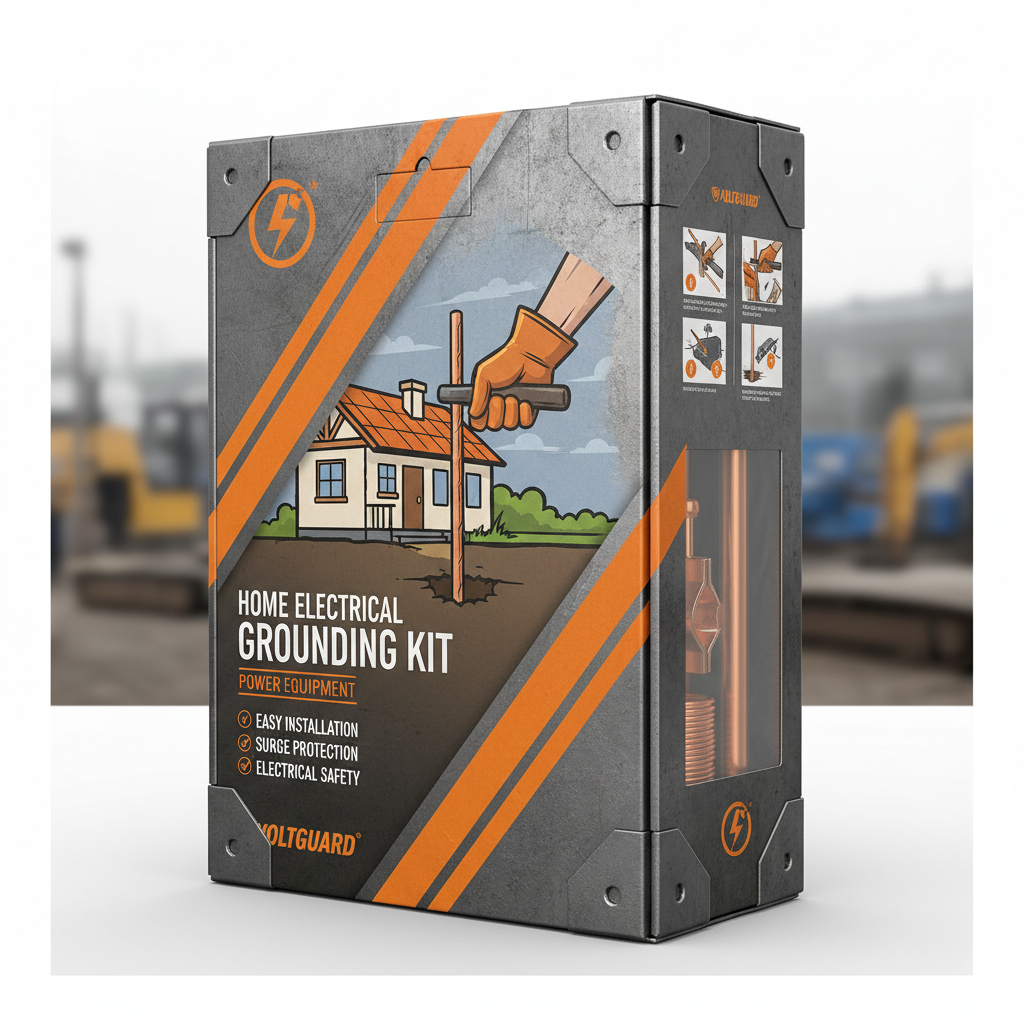
Comprehensive Guide to Installing a Ground Rod for a Home Electrical Safety
Ensuring your home's electrical system is safely grounded is crucial for protecting your family and property. Grounding helps to divert excess electricity safely into the earth, preventing shocks, fires, and damage to appliances. This guide provides a comprehensive overview of installing a ground rod for a home, covering everything from choosing the right materials to the proper installation techniques. A correctly installed grounding system is a vital component of a safe electrical infrastructure. A properly grounded electrical system is your first line of defense against electrical hazards. During a fault, such as a short circuit, the grounding system provides a low-resistance path for the electricity to flow back to the source, tripping the circuit breaker or fuse and cutting off the power. Without a grounding system, the electricity could flow through unintended paths, like your plumbing or even a person, causing serious injury or death.Loe rohkem -
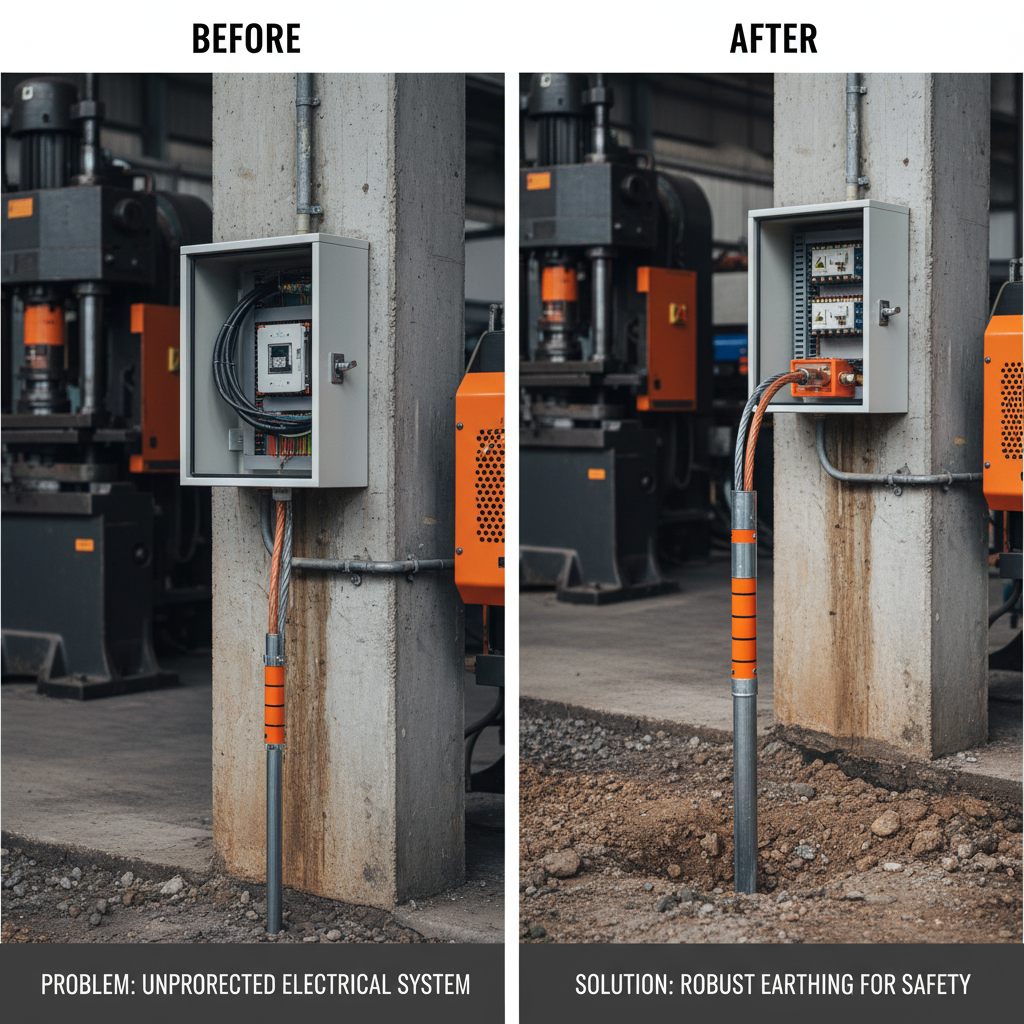
Comprehensive Guide to House Earthing Rods for Electrical Safety
A reliable earthing system is crucial for electrical safety in any property. At the heart of this system often lies the house earthing rod, a vital component in diverting fault currents to the earth, protecting people and appliances. This article provides a detailed overview of house earthing rods, covering their function, types, installation, maintenance, and key considerations when choosing the right one for your needs. We'll also explore how Bilopowtel’s high-quality earthing rods contribute to a safer electrical environment. Ensuring proper earthing is not just about compliance; it’s about safeguarding lives and property. A house earthing rod (also known as a ground rod) is a conductive rod, typically made of copper or galvanized steel, driven into the earth to provide a low-resistance path for electrical fault currents. In the event of a fault – such as a live wire touching a metal appliance casing – the earthing rod provides a pathway for the current to flow safely to the ground, triggering the circuit breaker or fuse to trip, and cutting off the power.Loe rohkem -
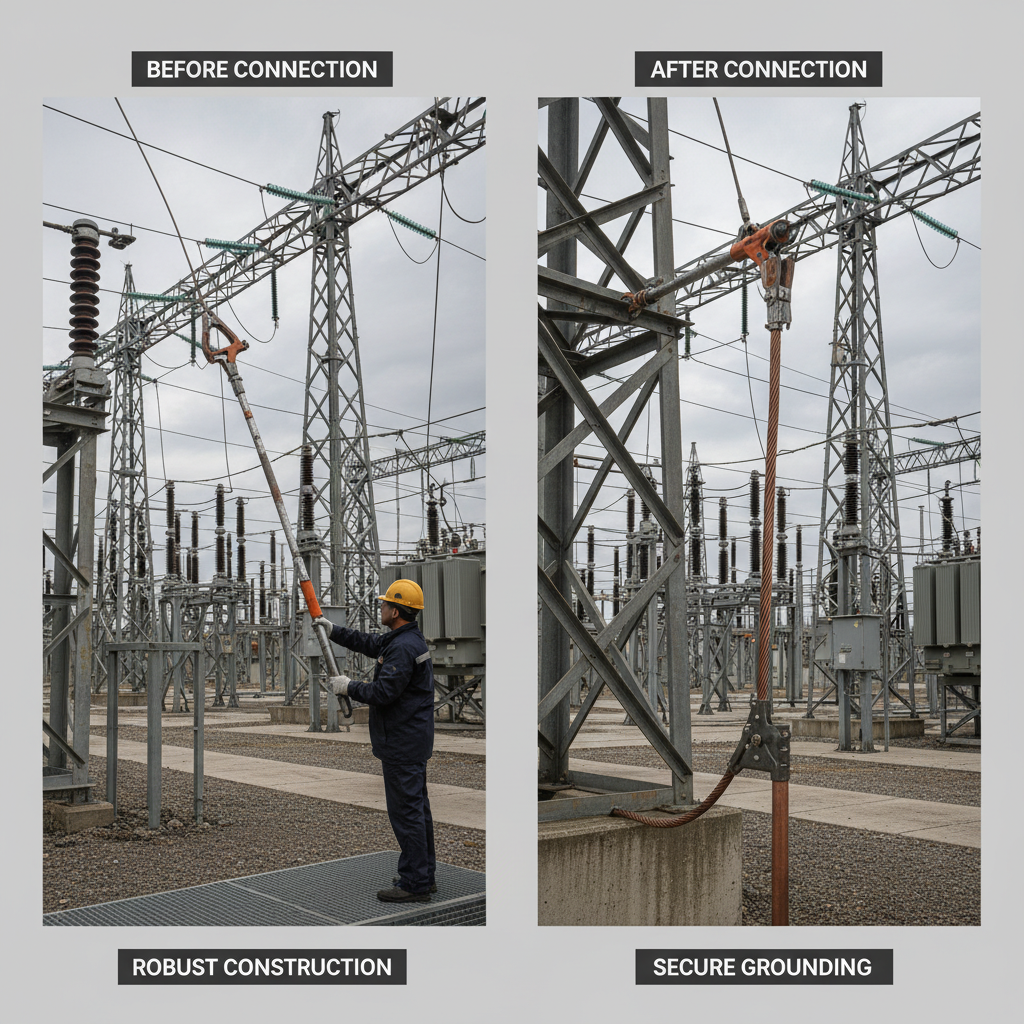
The Importance of a Reliable Grounding Stick 150 kV for Electrical Safety
In the realm of high-voltage electrical safety, a reliable grounding stick 150 kV is paramount. It's not merely a tool, but a critical component in protecting personnel and equipment during maintenance and repair operations. At BiloPowTel, we specialize in manufacturing high-quality grounding solutions, ensuring the highest levels of safety and reliability. This article will explore the importance of grounding sticks, specifically focusing on the 150kV range, and the features that make a quality grounding stick essential for safe electrical work. Grounding, also known as earthing, is a fundamental safety practice in electrical systems. It provides a low-resistance path for fault currents to flow back to the source, triggering protective devices like circuit breakers to quickly de-energize the system. Without proper grounding, a fault can result in dangerous step and touch potentials, posing a severe risk of electric shock to personnel.Loe rohkem -
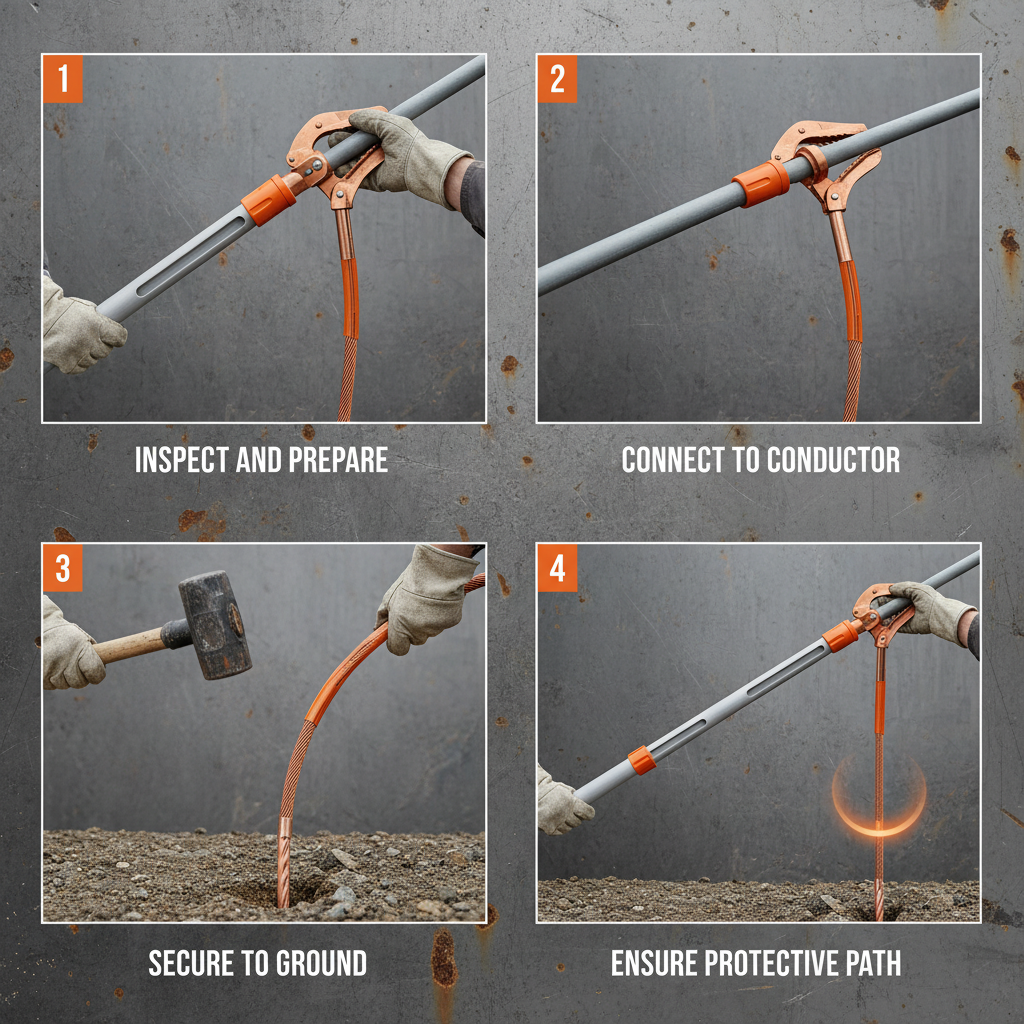
Comprehensive Guide to Grounding Sticks for Electricity Safety and Application
Ensuring electrical safety is paramount in any workplace or home setting dealing with electrical systems. A crucial tool for achieving this is the grounding stick for electricity. These sticks are designed to safely discharge static electricity and provide a vital safety measure during electrical maintenance and repair. This article delves into the purpose, types, proper use, and importance of grounding sticks, helping you understand how to effectively protect yourself and others from electrical hazards. Understanding how to properly use a grounding stick can prevent serious injury or even death. We’ll explore the key features to look for and best practices for implementation. A grounding stick for electricity is a non-conductive rod or stick, typically made from fiberglass or other insulating materials, used to create a safe path to ground for electrical currents. Its primary function is to dissipate static electricity buildup or to ground electrical equipment before maintenance or repairs are performed. This prevents the risk of electrical shock, arc flash, and potential equipment damage. Without proper grounding, residual voltage can remain in equipment even after it has been de-energized, posing a significant safety hazard.Loe rohkem -
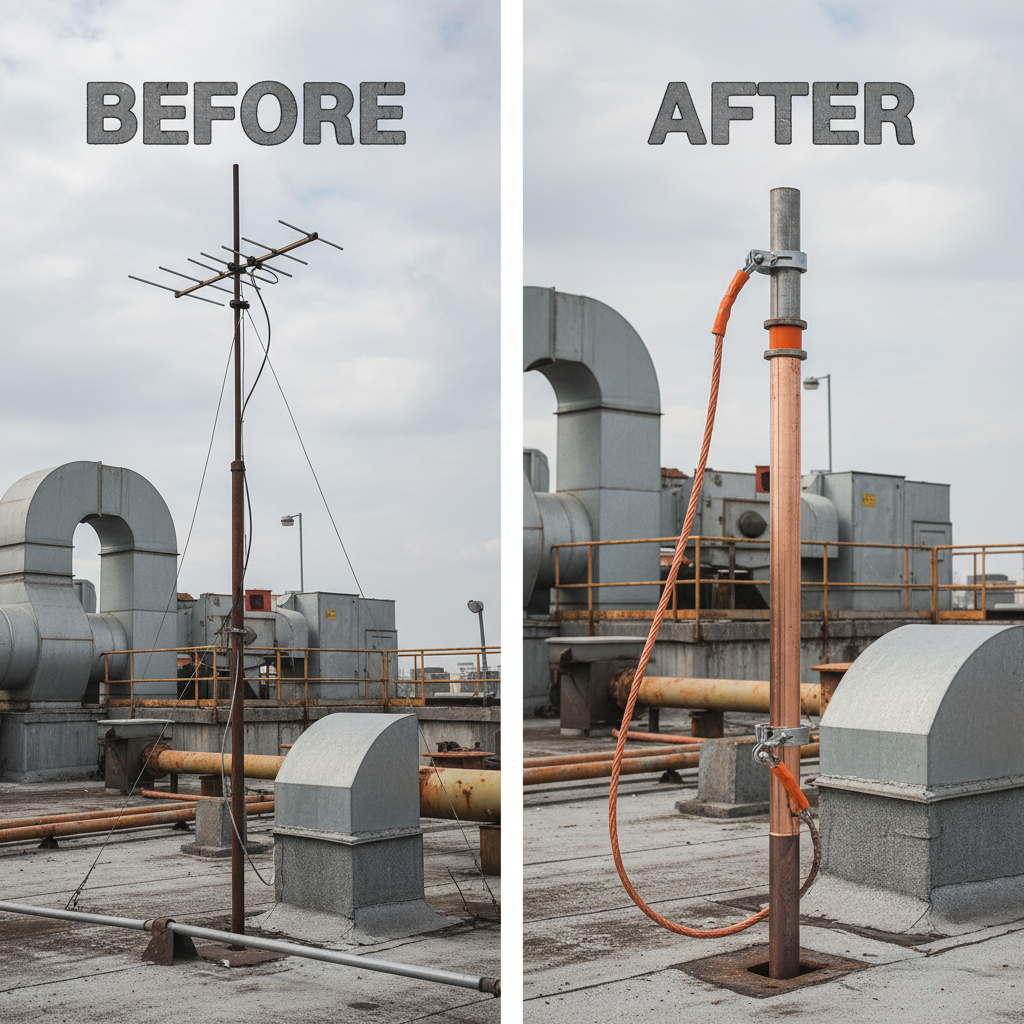
Essential Guide to Choosing the Right Grounding Rod for TV Antenna Safety
Protecting your TV antenna and your home from lightning strikes is paramount. A properly installed grounding rod for TV antenna acts as a vital safety component. This article will delve into the importance of grounding, different types of grounding rods, installation best practices, and how to choose the right rod for your specific needs. Ignoring proper grounding can lead to damage to your equipment and, more seriously, pose a risk to your home and family. Lightning strikes carry immense electrical power. Without a grounding system, this energy can travel through your antenna, coaxial cable, and into your TV and other electronic devices, causing irreparable damage. More importantly, a lightning strike can even travel through your home's electrical wiring, creating a fire hazard or electrocuting anyone nearby. A grounding rod provides a safe path for this energy to dissipate into the earth, minimizing the risk of damage and injury. Furthermore, grounding helps reduce static electricity build-up which can interfere with signal quality.Loe rohkem -
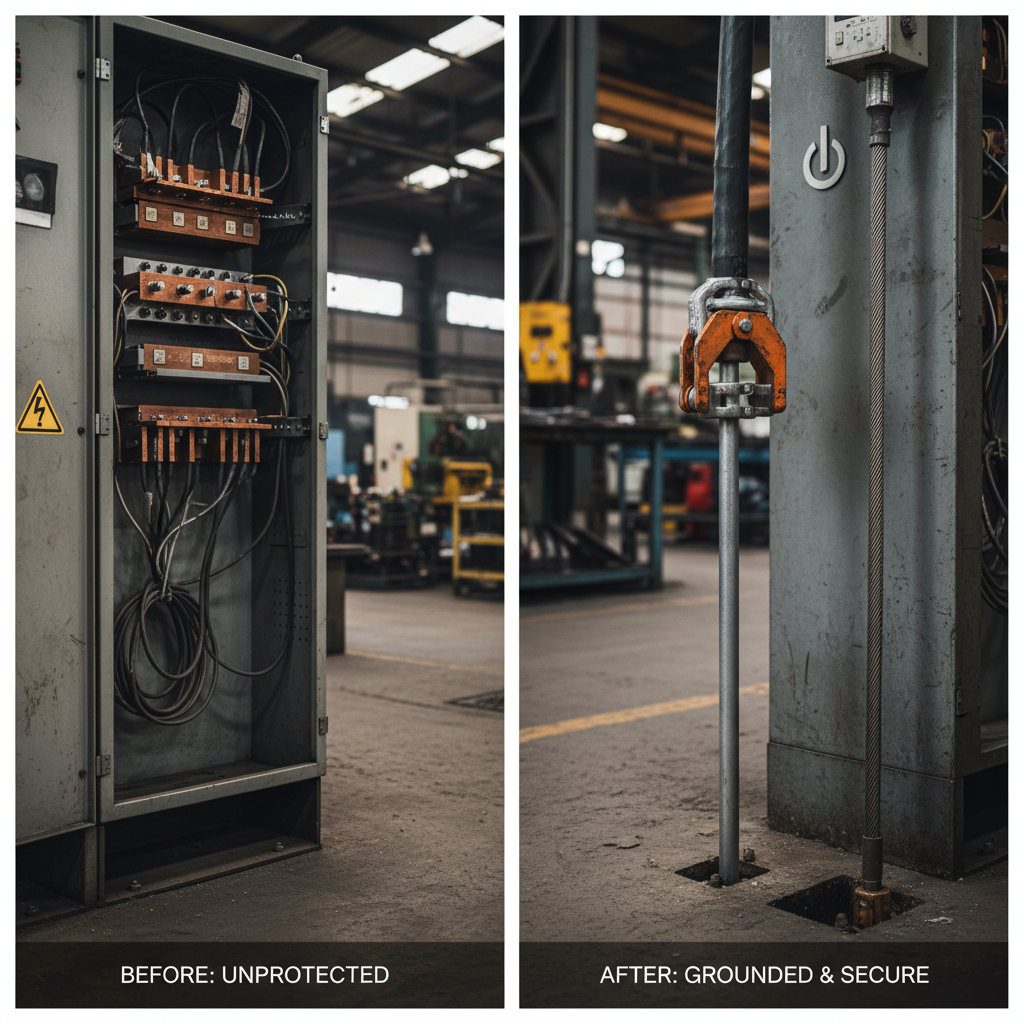
Choosing the Right Grounding Rod with Clamp for Electrical Safety and Protection
Effective grounding is paramount in electrical safety, protecting people and equipment from potentially hazardous voltages. A crucial component of any grounding system is the grounding rod with clamp. This article will delve into the importance of grounding rods, factors to consider when selecting the right rod and clamp, installation best practices, and how Bilopowtel provides reliable solutions for grounding needs. Ensuring a proper ground connection is a fundamental aspect of electrical safety protocols. Grounding provides a low-resistance path for fault currents to flow back to the source, triggering circuit breakers or fuses to interrupt the circuit and prevent electrical shock or fire. Without proper grounding, stray voltages can build up on metallic equipment, creating a dangerous hazard. A grounding rod with clamp effectively connects the electrical system to the earth, dissipating fault currents safely. It's crucial for both residential and commercial applications, particularly in areas prone to lightning strikes or with complex electrical setups.Loe rohkem -
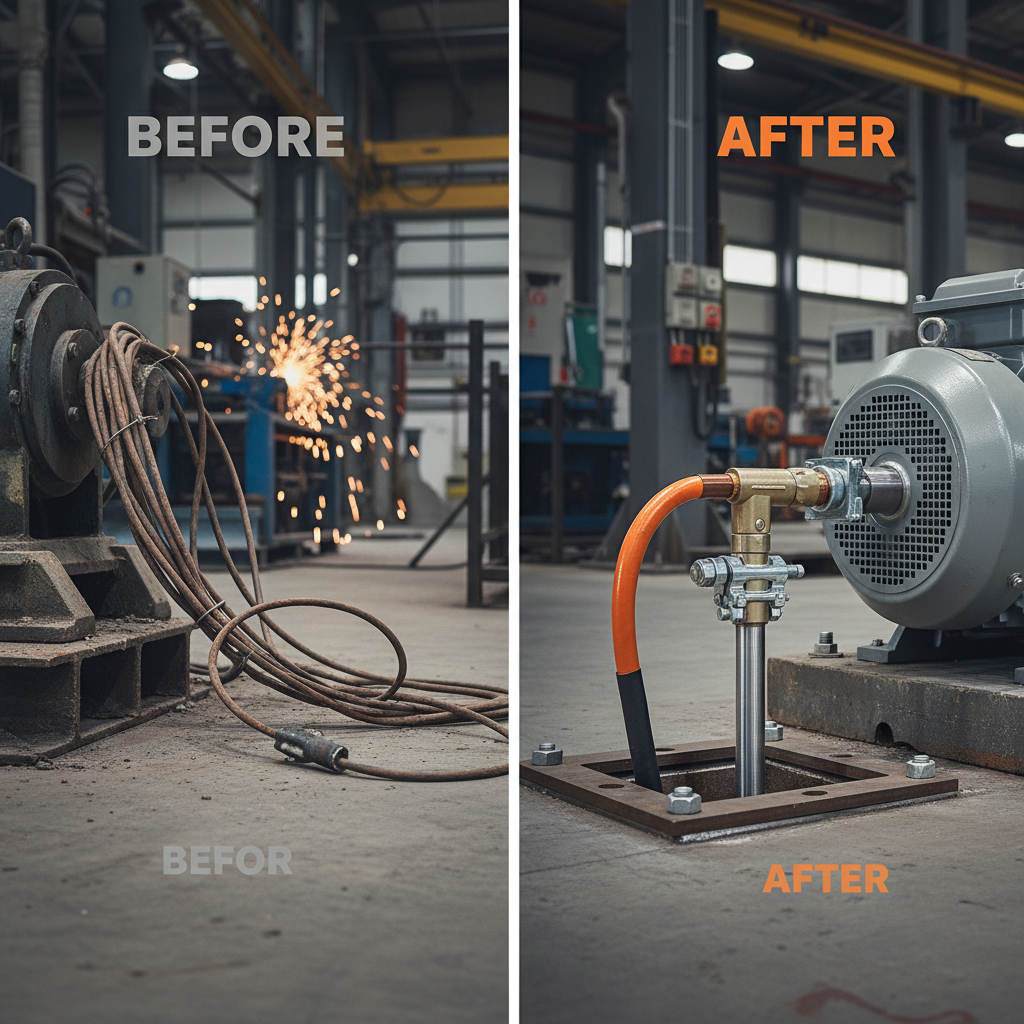
Choosing the Optimal Grounding Rod and Cable for Safety and Performance
Effective grounding is critical for safety and equipment protection in numerous applications, from electrical systems to telecommunications. The proper selection of a grounding rod and cable is paramount to achieving a reliable and low-resistance ground connection. This article will explore the key considerations when choosing these essential components, providing insights into materials, sizes, and applications. Understanding the nuances of grounding systems is vital for preventing electrical hazards and ensuring the longevity of your equipment. We will help you navigate the options available and make informed decisions for your specific needs. Grounding rods come in various materials, each with its strengths and weaknesses. Copper-clad steel is a popular choice due to its excellent conductivity and corrosion resistance, offering a balance of performance and cost-effectiveness. Solid copper rods provide superior conductivity but are more expensive and can be softer, making them prone to damage. Galvanized steel rods are the most affordable option but have higher resistance and are more susceptible to corrosion over time. The ideal material depends on the soil conditions, budget, and the criticality of the grounding application. The grounding cable connects the grounding rod to the equipment or system needing protection. The cable gauge (thickness) is crucial; a larger gauge (lower AWG number) provides lower resistance and can handle higher fault currents.Loe rohkem

-
 Afrikaans
 -
 Albanian
 -
 Amharic
 -
 Arabic
 -
 Armenian
 -
 Azerbaijani
 -
 Basque
 -
 Belarusian
 -
 Bengali
 -
 Bosnian
 -
 Bulgarian
 -
 Catalan
 -
 Cebuano
 -
 Corsican
 -
 Croatian
 -
 Czech
Czech -
 Danish
 -
 Dutch
Dutch -
 English
 -
 Esperanto
 -
 Estonian
 -
 Finnish
 -
 French
 -
 Frisian
 -
 Galician
 -
 Georgian
 -
 German
 -
 Greek
Greek -
 Gujarati
 -
 Haitian Creole
 -
 hausa
hausa -
 hawaiian
 -
 Hebrew
 -
 Hindi
Hindi -
 Miao
Miao -
 Hungarian
 -
 Icelandic
 -
 igbo
igbo -
 Indonesian
 -
 irish
irish -
 Italian
 -
 Japanese
 -
 Javanese
 -
 Kannada
 -
 kazakh
 -
 Khmer
Khmer -
 Rwandese
 -
 Korean
 -
 Kurdish
 -
 Kyrgyz
 -
 Lao
Lao -
 Latin
Latin -
 Latvian
 -
 Lithuanian
 -
 Luxembourgish
 -
 Macedonian
 -
 Malgashi
 -
 Malay
Malay -
 Malayalam
 -
 Maltese
 -
 Maori
Maori -
 Marathi
 -
 Mongolian
 -
 Myanmar
 -
 Nepali
 -
 Norwegian
 -
 Norwegian
 -
 Occitan
 -
 Pashto
 -
 Persian
 -
 Polish
 -
 Portuguese
 -
 Punjabi
 -
 Romanian
 -
 Russian
 -
 Samoan
 -
 Scottish Gaelic
 -
 Serbian
 -
 Sesotho
 -
 Shona
Shona -
 Sindhi
 -
 Sinhala
 -
 Slovak
 -
 Slovenian
 -
 Somali
 -
 Spanish
 -
 Sundanese
 -
 Swahili
 -
 Swedish
 -
 Tagalog
 -
 Tajik
Tajik -
 Tamil
Tamil -
 Tatar
Tatar -
 Telugu
 -
 Thai
Thai -
 Turkish
 -
 Turkmen
 -
 Ukrainian
 -
 Urdu
Urdu -
 Uighur
 -
 Uzbek
Uzbek -
 Vietnamese
 -
 Welsh
Welsh -
 Bantu
Bantu -
 Yiddish
 -
 Yoruba
 -
 Zulu
Zulu


TEL:
0086-311-88862036

- KONTAKT
- ADDRESS: 188, Fengshou Road, Shijiazhuang. China
- EMAIL: info@bilopowtel.com
- TELEFON: 0086-311-88862036
- WHATSAPP: 0086-152-26563165


Copyright © 2026 Shijiazhuang Bilo Import and Export Trading Co., Ltd. All Rights Reserved. Sitemap | Privacy Policy

BlLo lmport & Éxport is specialized in power and cable equipment andconsiruction tools,Qur main producis are FRP
duct rodder, cable rollerscable pulling winch, cable drum jack, cable pulling sock, etc.


Copyright © 2026 Shijiazhuang Bilo Import and Export Trading Co., Ltd. All Rights Reserved. Sitemap | Privacy Policy


